Dhi Contemporary’s upcoming group show, Learning from the Ground, asks a deceptively simple question: where does knowledge actually reside? Running from 29 August to 10 October 2026 at Bodhi House in Madhapur, Hyderabad, the exhibition brings together four artists: Dipankar Panging, Saroj Kumar Badatya, Seshadev Sagria, and Shubhankar Chandere, to explore how communities remember, transmit, and regenerate knowledge through bodies, materials, and everyday practices amid ecological, social, and political change.
Curatorial premise: knowledge as lived practice
Curated by Dhi Contemporary, the exhibition frames knowledge as something enacted through cultivation, craft, care, and collective imagination. The curatorial note emphasises agriculture, weaving traditions, vernacular medicine, labour, oral histories, and ecological observation as key sites where “ways of knowing” emerge outside formal systems.
Rather than treating climate change, environmental degradation, caste, labour precarity, and displacement only as crises, the show considers them as conditions within which communities continuously negotiate, preserve, and reinvent knowledge. In this sense, the exhibition is about tracing adaptation and resilience embedded in ordinary acts of making and relating.
Artists and material languages
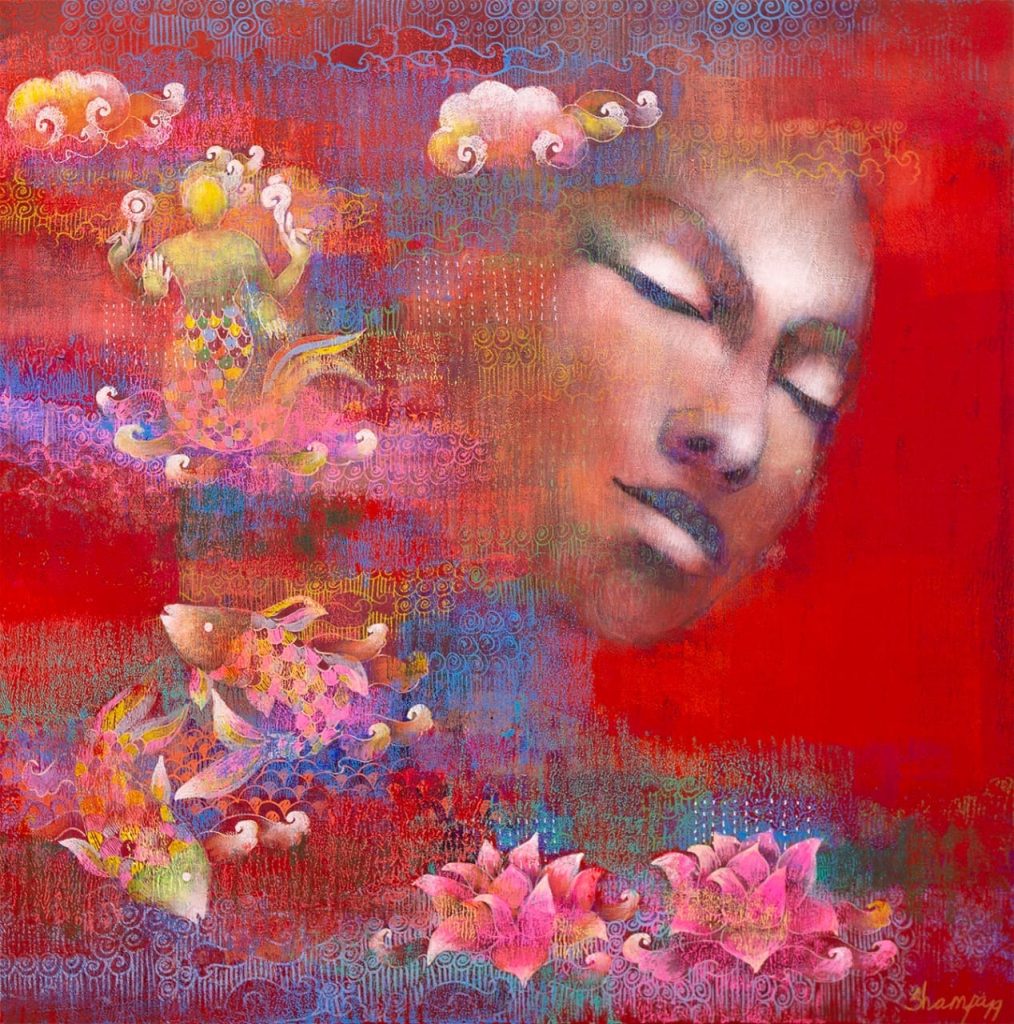
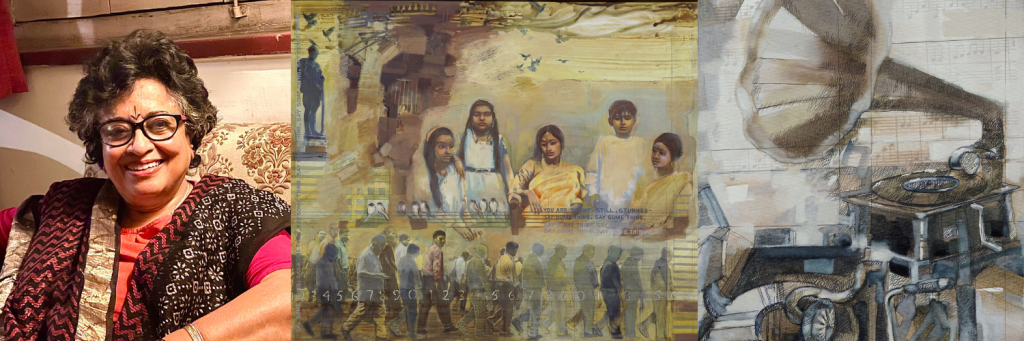
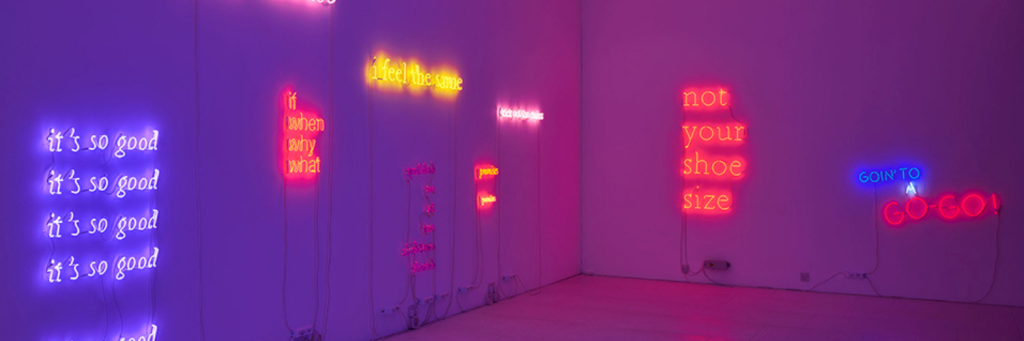
The four participating artists work across installation, painting, printmaking, textiles, and participatory research, each drawing from distinct cultural and geographical contexts. Their shared strategy is to treat materials like grass, soil, bamboo, pigments, textiles, tools, found objects as carriers of memory, history, and lived experience.
- Dipankar Panging brings concerns rooted in the Northeast, often engaging with landscape, indigenous epistemologies, and the politics of land and belonging.
- Saroj Kumar Badatya works with agrarian and craft references, using material processes to speak to labour, rural life, and the textures of everyday survival.
- Seshadev Sagria foregrounds vernacular practices and local ecologies, often weaving together observation, ritual, and material experimentation.
- Shubhankar Chandere explores how bodies, objects, and environments hold and transmit histories, frequently through layered, process-based works.
While each practice is distinct, the exhibition stages them in dialogue to reveal how relationships between bodies, landscapes, and materials are shaped through acts of cultivation, making, and adaptation.
For a country where ecological stress, rapid urbanisation, and shifting labour regimes are reshaping everyday life, Learning from the Ground offers a timely reframing: knowledge is not only in books, museums, or policy documents; it is also in the way communities plant, weave, heal, tell stories, and care for one another. By attending to these “ordinary” practices, the show invites viewers to reconsider what counts as expertise and where cultural continuity actually happens.
In an art ecosystem often centred on metropolitan galleries and global markets, a Hyderabad-based space highlighting ground-level, community-inflected practices is itself a political gesture. It suggests that contemporary art can be a site for recognising and amplifying forms of intelligence that have long sustained people and places under pressure.
Exhibition details
- Title: Learning from the Ground
- Dates: 29 August – 10 October 2026
- Venue: Dhi Contemporary, Bodhi House, Madhapur, Hyderabad, Telangana
- Artists: Dipankar Panging, Saroj Kumar Badatya, Seshadev Sagria, Shubhankar Chandere
- Curated by: Dhi Contemporary
The article is based on the press release shared by the gallery.
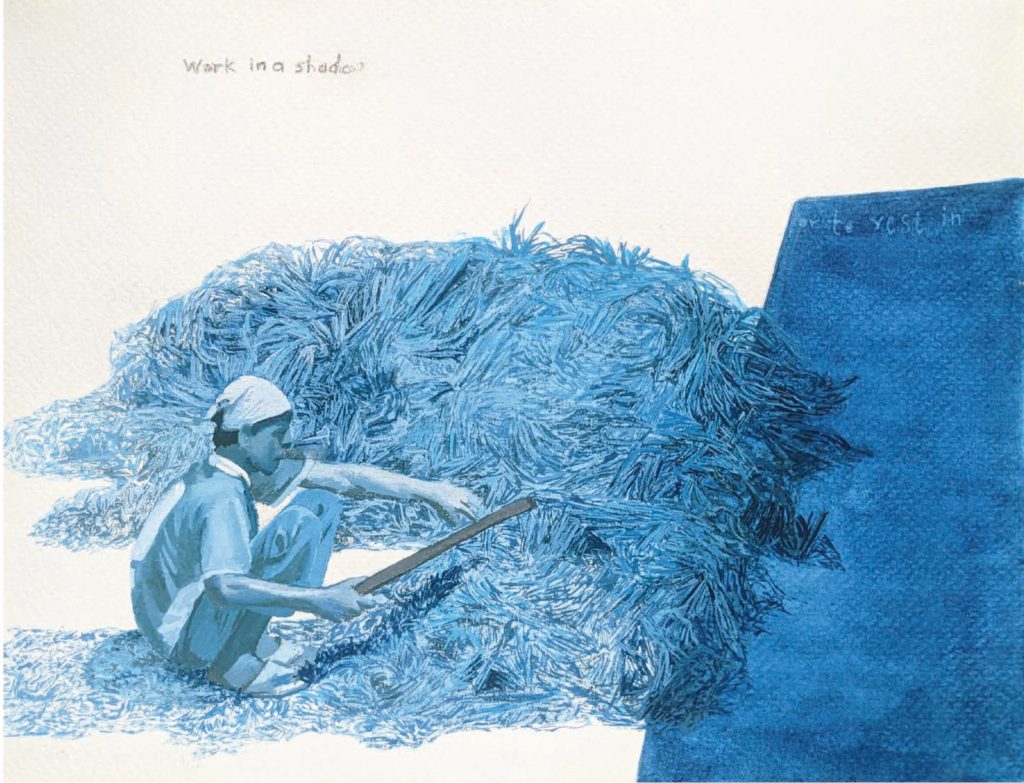
Cover Image: Shubhankar Chandere | Work in a Shadow (1) | Gouache on Paper | 8 x 10 inches | 2023
Athmaja Biju is the Editor at Abir Pothi. She is a Translator and Writer working on Visual Culture.