
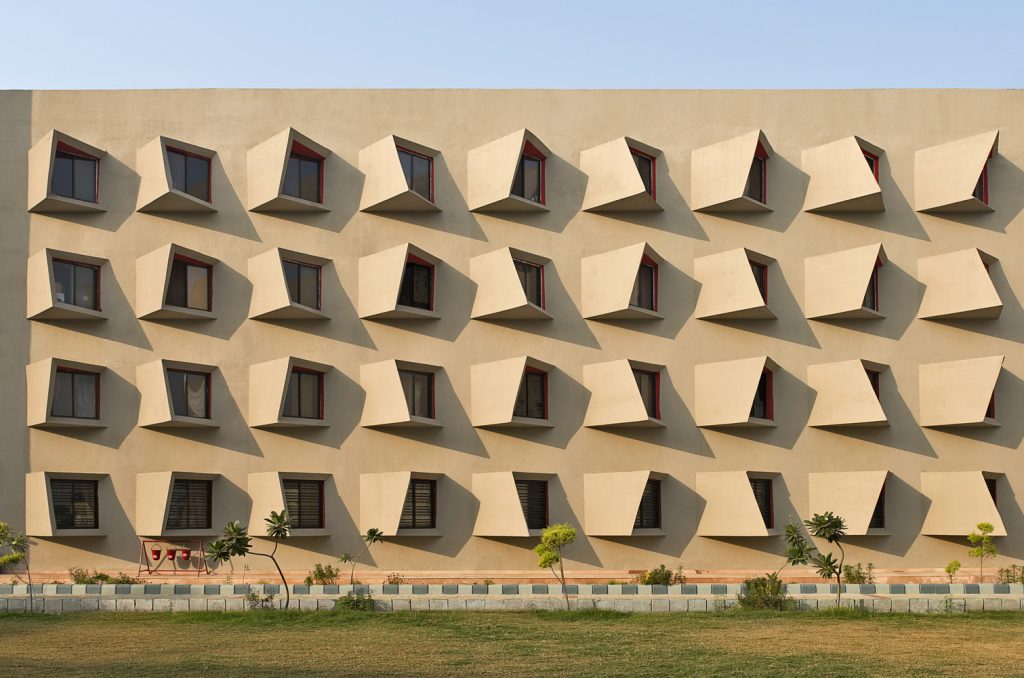
Traditional vs Contemporary Architecture reflects two distinct design philosophies that have shaped the built environment. This article explores their key differences, materials, cultural influences, and lasting impact.

UNESCO: https://whc.unesco.org
Moreover, These fashions reflect their respective eras’ dominant technology, values, and tendencies. Two unique styles develop as guiding forces in the always-changing field of architectural design, each of which captures the essence of the age in which it was created. The avant-garde forms of modern architecture, characterised by innovation and a break from convention, starkly contrast to traditional architecture, which has deep historical origins and cultural symbolism.
Furthermore, The physical environment becomes a canvas where tradition and modernity clash as we move through the ages, posing a complex challenge to architects, urban planners, and enthusiasts who must balance the two.
In addition, the investigation dives into the essential distinctions between modern and traditional architectural styles, their philosophical foundations, design tenets, selection of materials, and cultural ramifications. The architectural journey reflects the evolution of construction methods and societies’ shifting values and aspirations. It begins with the antiquated echoes of conventional architecture, rooted in centuries-old craftsmanship and regional aesthetics, and ends with contemporary structures’ cutting-edge, boundary-pushing designs.
Therefore, by examining the unique qualities of these two architectural styles, we hope to uncover the stories ingrained in the built environment and investigate the ongoing conversation between modern and traditional architecture to comprehend the essence of classic and contemporary architecture and how they shape our cities and landscapes. The dynamic force behind the evolution of architectural discourse in our constantly changing world is the interaction between tradition and modernity, which can be found in the bold innovations of contemporary masterpieces or in the timeless beauty of ancient structures.
Traditional vs Contemporary Architecture: Key Differences
For example, Traditional architecture is deeply rooted in cultural and historical contexts and frequently takes cues from specific historical eras and regional styles. It might emphasize craftsmanship, symmetry, and elaborate details. Modern architecture embraces creativity and breaks away from earlier models. It frequently emphasizes simple shapes, simplicity, and novel materials and technology. Designs tend to be less ornamented in traditional styles and are often more experimental.
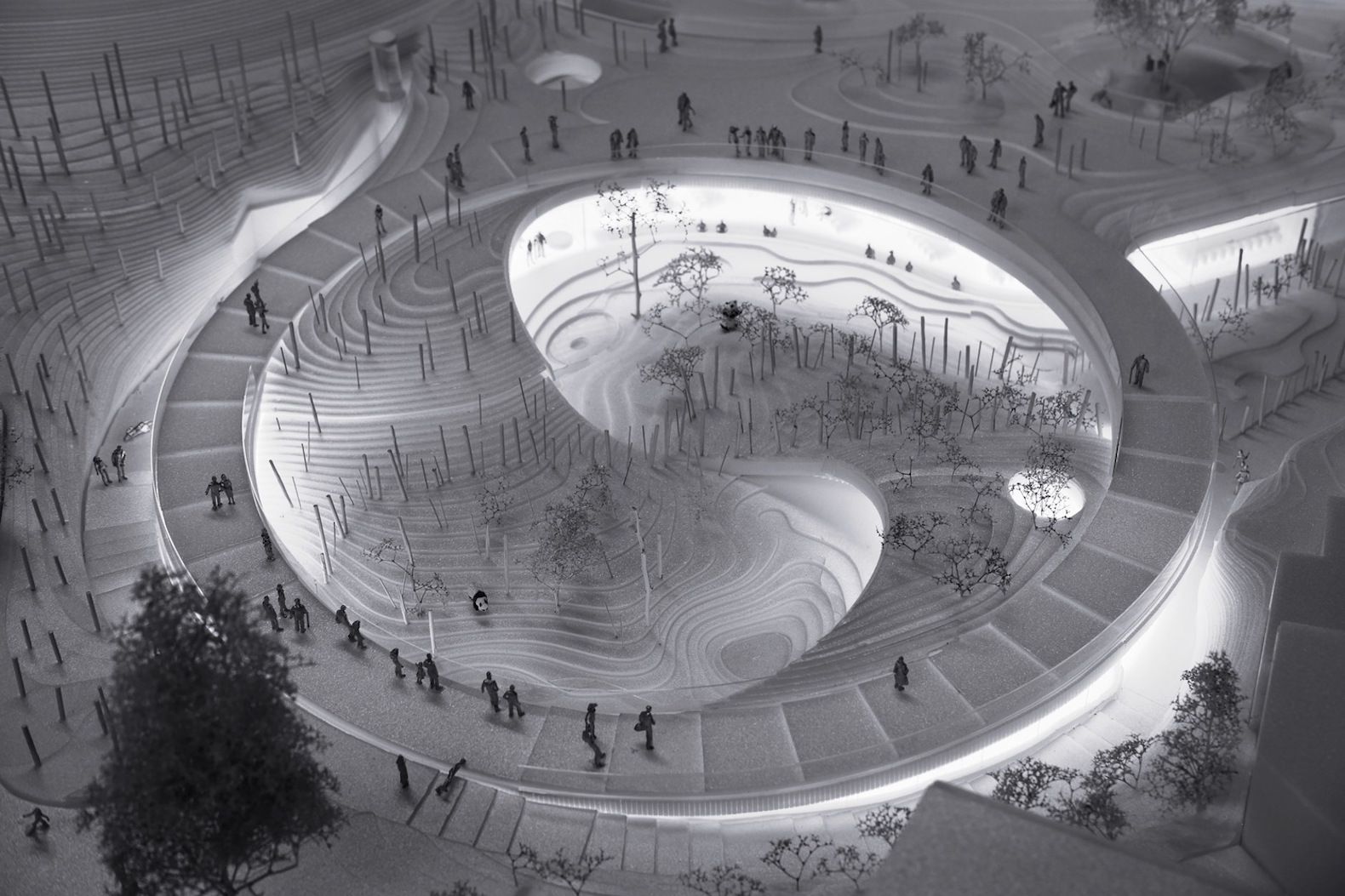
It uses time-tested materials, including wood, stone, brick, and conventional building techniques. Traditional architecture highlights craftsmanship and ornate details. It incorporates various materials, such as cutting-edge composites, glass, steel, and concrete. Modern architects often experiment with unusual building materials and methods.
It follows established forms and shapes, often reflecting a particular region’s cultural and historical context. Symmetry and balance are common design principles. Exhibits more freedom in form and shape, with architects continually experimenting with unconventional geometries. Asymmetry and dynamic forms frequently create unique and visually striking structures.
Depending on handiwork and traditional building techniques, modern technology in construction, such as improved engineering, digital design tools, and sustainable building methods, result from gradual and deliberate technological developments. Contemporary designs can incorporate smart home technologies. Traditional designs often promote sustainability because builders used durable, long-lasting materials. However, addressing contemporary notions of environmental sustainability could be necessary, emphasising sustainable design concepts; this covers eco-friendly building supplies, energy-efficient technology, and ecologically friendly procedures.
It has its roots in a particular location’s regional, historical, and cultural circumstances. It frequently reflects the customs and ideals of the neighbourhood. Its perspective is more universal and global; worldwide trends can influence designs, and architects often aim to build buildings appealing to a broader audience.
Traditional vs Contemporary Architecture and Cultural Identity
Traditional architecture creates a dialogue between the past and the present. It continues to play an important role in modern culture. Despite swift technical progress and worldwide influences, traditional architecture continues to symbolise cultural legacy, individuality, and historical continuity. An evident and physical link to a community’s cultural history is provided by traditional architecture. These buildings frequently serve as recognisable icons in modern culture, preserving cultural continuity and a reminder of one’s origins.
Many societies have managed to modify ancient architectural features to suit modern requirements. The marriage of archaic beauty and contemporary utility demonstrates creative synthesis while preserving heritage and meeting modern needs. An attraction for tourists seeking to experience the authenticity and distinctiveness of a specific culture is traditional architecture. In this sense, these structures support the maintenance of cultural identity and the local economy in a community.
Contemporary Architecture in India
In India, traditional design elements are frequently combined with modern aesthetics in contemporary buildings. Architects create structures that fit cultural identity by skillfully fusing modern forms with conventional patterns, materials, and spatial arrangements. India’s architects are delving further into creative and avant-garde concepts. The variety of projects, which range from eco-friendly buildings to futuristic skyscrapers, demonstrates a determination to embrace creativity and push the limits of conventional design.
Modern minimalist architecture emphasises simplicity, clean lines and essential elements. It came into being in the middle of the 20th century as a response to the extravagant and ornate styles that came before it. Simplicity and getting rid of extraneous elements are critical components of minimalist architecture. Designers strive to reduce forms to their most basic elements, emphasising simplicity and clarity. In minimalist designs, geometric shapes, straight lines, and right angles are commonplace. The geometry of structures is also emphasised to provide a sense of order and accuracy.
Kerala’s Traditional Architecture
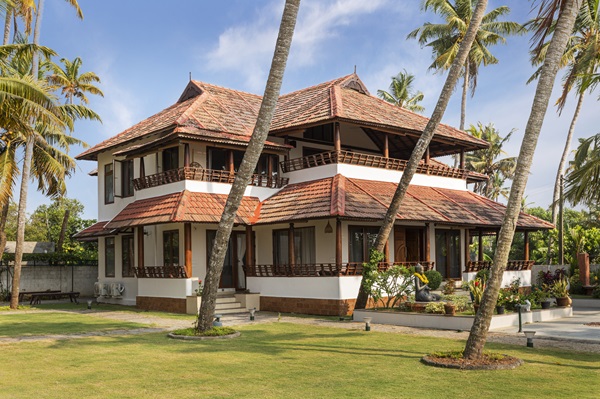
The traditional Kerala architectural style has developed over centuries in Kerala, mirroring the area’s climate, historical background, and cultural customs. Kerala’s architecture has been profoundly impacted by its tropical climate, marked by solid monsoons and high temperatures. Open courtyards allow for cross-ventilation, while steeply sloping roofs with overhanging eaves protect from reliable rains and offer shade. Keralan traditional houses are characterised by sloping roofs covered in thatch produced from materials found nearby, such as coconut leaves. Roofing with clay or terracotta tiles is another common roofing material that facilitates rainwater collection.
Conclusion
The conversation between ancient and contemporary styles in the kaleidoscope of architectural evolution reveals a fascinating story of human inventiveness, cultural expression, and the ever-shifting pulse of society. Traditional vs Contemporary Architecture highlights how heritage and innovation work together to shape the future of design.
Traditional architecture preserves historical continuity. It also reflects cultural identity through craftsmanship and regional design. Its exquisite quality, intricate details, and strong ties to local identity provide an ageless style that appeals to all age groups. However, in the context of a world that is changing quickly, the appeal of modern architecture becomes apparent as a monument to human adaptability and a willingness to venture into unknown areas. Globalised design language, inventive materials, and clean lines define the current zeitgeist.
https://www.abirpothi.com/reaching-for-the-sky-exploring-the-pinnacles-of-urban-architecture/