Kunal Rohatgi represents the third generation of Fos Lighting, a legacy brand rooted in Chandni Chowk since 1950. With a background in engineering from Ohio State and early professional experience at Toyota and Pfizer, Rohatgi brings a strong foundation in operational discipline and quality systems to the family business, which he now runs alongside his brother, Sidharth.

Under his leadership, Fos Lighting has evolved into a design-driven brand that blends traditional Indian craftsmanship with scalable, globally relevant production. Known for its handcrafted lighting fixtures made from high-quality, locally sourced materials, the company works closely with artisans across India to preserve and modernize heritage techniques. With a growing presence across India and international markets, Fos Lighting continues to position itself as a brand where craftsmanship, durability, and thoughtful design converge.
In this thoughtful conversation as part of DTalks series, Kunal Rohatgi takes us through his design philosophy and creative process.
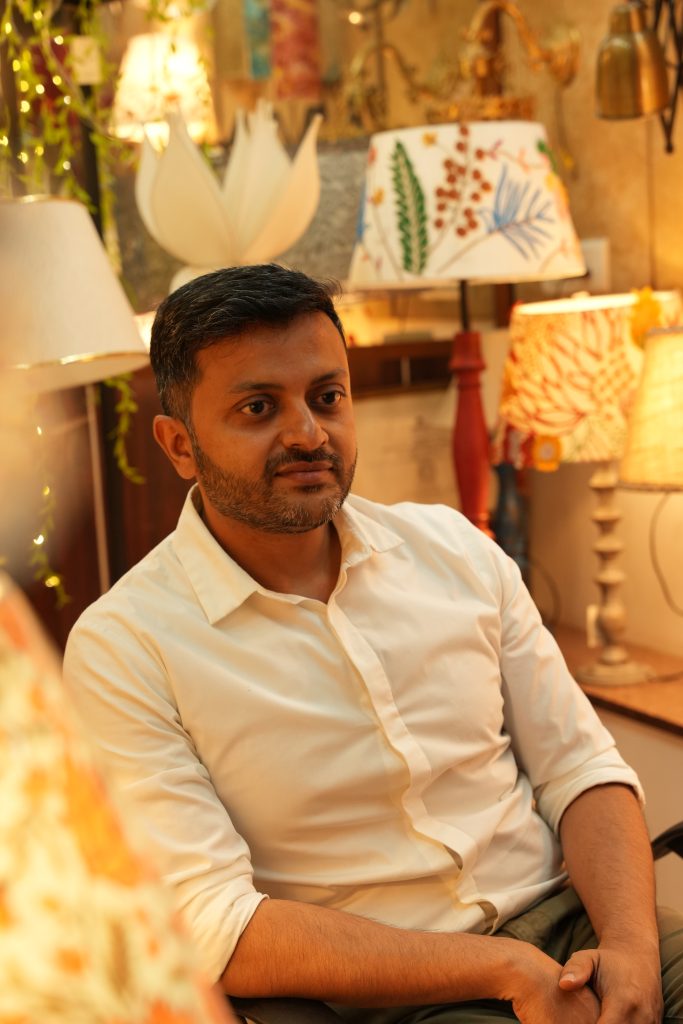
Q: Could you take us through your journey, how you began, the evolution of your practice, and the thinking that shapes your studio today?
Kunal Rohatgi: I studied engineering at Ohio State, then spent a few years at Toyota Motor and Pfizer before joining the family business. That stretch outside gave me a real grounding in operational discipline, quality systems, and strategic thinking — the kind of thing you don’t always pick up if you step into a family company from day one.
Fos Lighting is three generations old. My grandfather started it as Orient Electric House in 1950, my father carried it forward, and today my brother Sidharth and I run it together. We design most of our lights ourselves and work with artisans across the country, bringing traditional Indian craft techniques into our work. It’s our mission to take Indian craftsmanship global, and to give dying arts a platform before they disappear.
My philosophy is simple: heritage only means something commercially if you can actually deliver it at scale. We can build a beautiful story around a craft, but it has to ship safely to a home in Delhi or Berlin and still look and work exactly as it should. That belief has taken us from a single store in Chandni Chowk to every metro and most Tier 2/3 cities, with steady demand now from Europe and the US.
If you ask me for our real recognition, it isn’t an award — it’s that we were India’s first lighting brand to go digital, and that we still stock spares for every piece we’ve ever made. A Fos Lighting product is meant to become an heirloom, not something you replace in three years. That’s the scorecard that actually matters to me.
Q: How would you describe your signature design aesthetic, and how has it evolved while working in India?
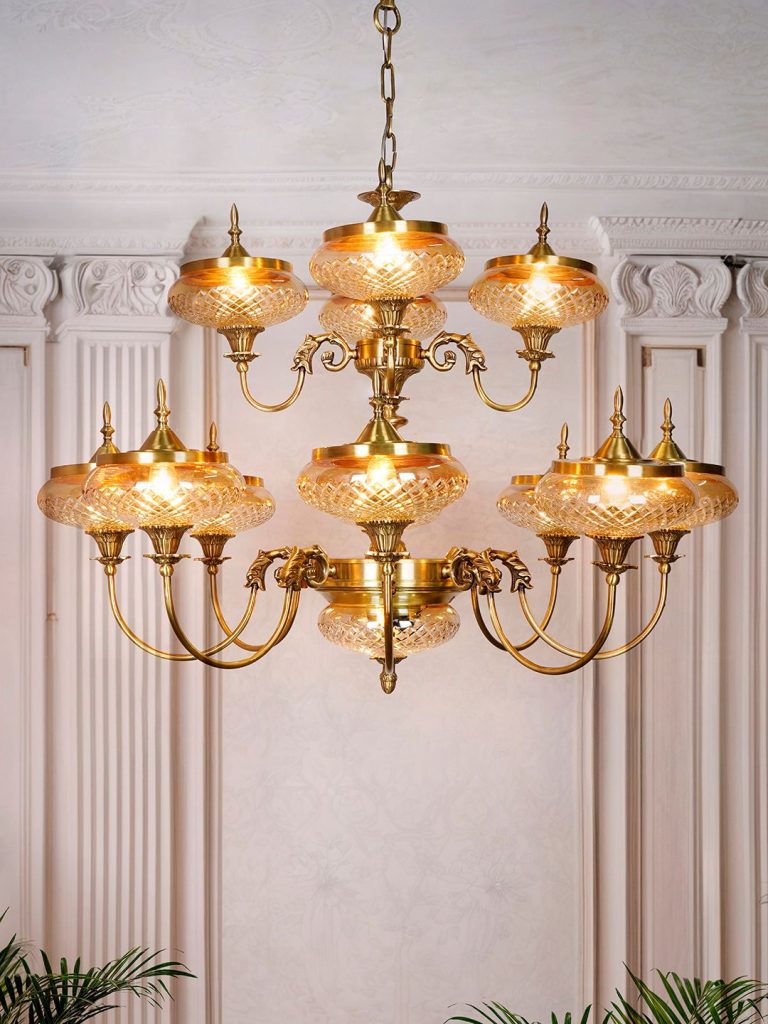
My design aesthetic is built around one belief: a craft technique should carry a piece, not just decorate it. Nowhere is that clearer than in our brass chandeliers. Very few people in India are doing large-scale brass chandelier work at all, and almost nobody is doing it nationwide — it’s a dying art, and the artisans who can execute it at that scale are getting harder to find every year. We’ve made it a priority to keep that craft alive, not as a museum piece but as something people actually want in their homes today.
What I watch closely is how we scale that without losing the soul of it. Even with something as intricate as a large brass chandelier, we’ve built our design language tight enough to offer real customization — size, finish, configuration — without turning every order into a one-off production nightmare. That’s the part I’m proud of: the aesthetic stays quietly Indian, ships safely, and still feels handmade when it arrives.
Q: What influences and inspires your current work? Could you share some movements, designers, or elements of Indian culture that have shaped your practice?
My influences come from the years at Toyota and Pfizer — a real respect for continuous improvement and quality discipline, and thinking through how that applies to a craft-based business without diluting the craft itself. I also pay close attention to where our international orders come from and what those clients respond to, because that tells us as much about relevance as any design movement does.
Beyond brass, a material we specialize in, crystal is something I personally love working with — there’s a similar discipline to it, where the material has to be respected rather than overworked. With our hands-on approach across production and design, we’re able to bring forth a much wider product range than if one of us just handled the creative side.
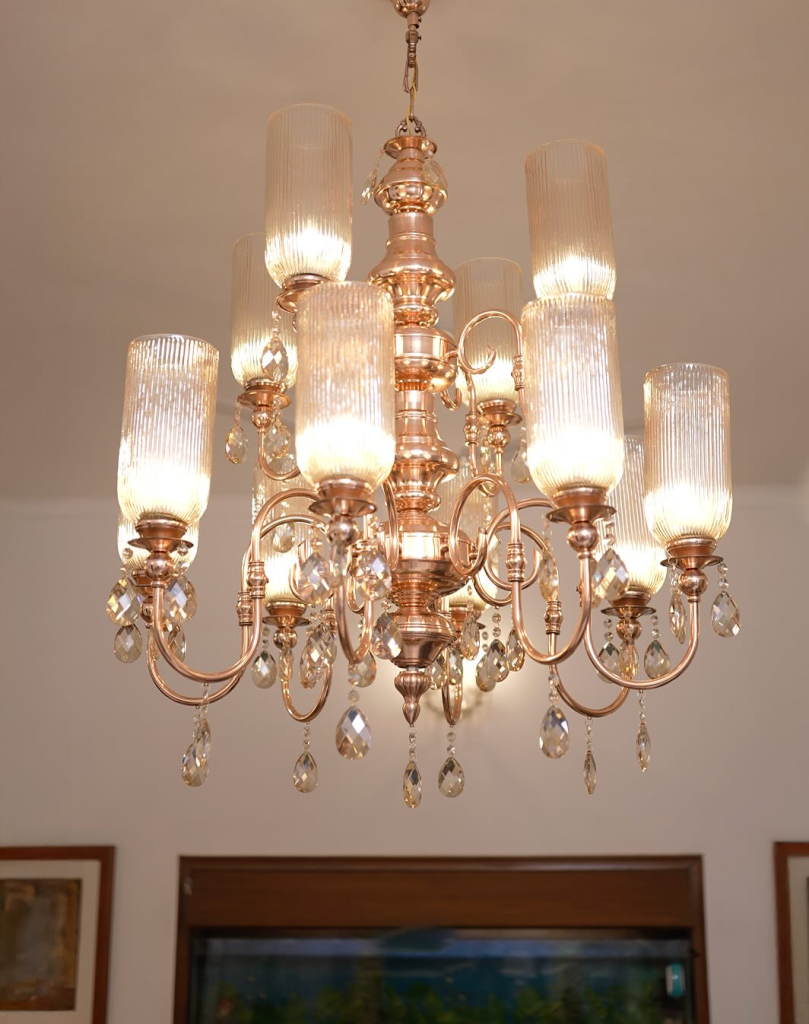
Q: Could you walk us through your creative process? How do you move from initial concept to final execution?
Our process starts on paper. We sketch most of our products in-house before anything else happens — that’s where the design language actually gets set. From there, we take the sketch to artisans who specialize in that specific material craft, whether it’s brass work, crystal, or embroidery, and we work closely with them to translate the concept into something they can execute at their level of skill.
The next step is marrying that craftsmanship to technology — making sure the piece is wired safely, meets the electrical standards it needs to across different markets, and is engineered to actually ship without damage. That’s where a lot of the real work happens, honestly, because a beautiful sketch means nothing if it can’t survive a shipping crate.
Everything after that is process-driven — operations, quality checks, sales, logistics. It’s not glamorous, but it’s the part that turns a good design into a product people can actually trust and live with for years.
Q: Your work often involves collaborations with artisans and other creatives. What draws you to these partnerships, and how do these collaborations enrich your design practice?
For me, these partnerships are a responsibility we take seriously, not a sourcing decision. Structured, consistent work gives these artisan clusters — brass carvers, Kashida embroiderers, marble inlay crafters, among others — an economic future, and that matters to us as much as the aesthetic outcome, especially as we take Indian art onto a global stage. We believe, craft knowledge like this doesn’t survive without regular, real use, and every piece we make is a small argument for keeping it alive across generations.
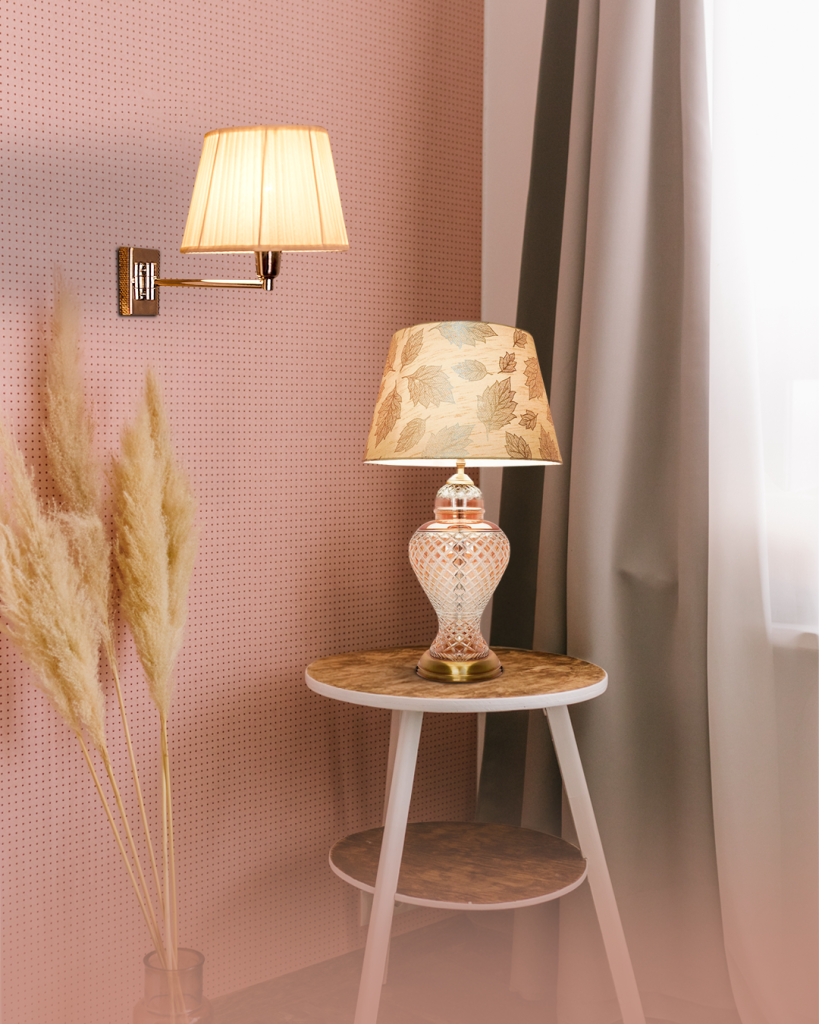
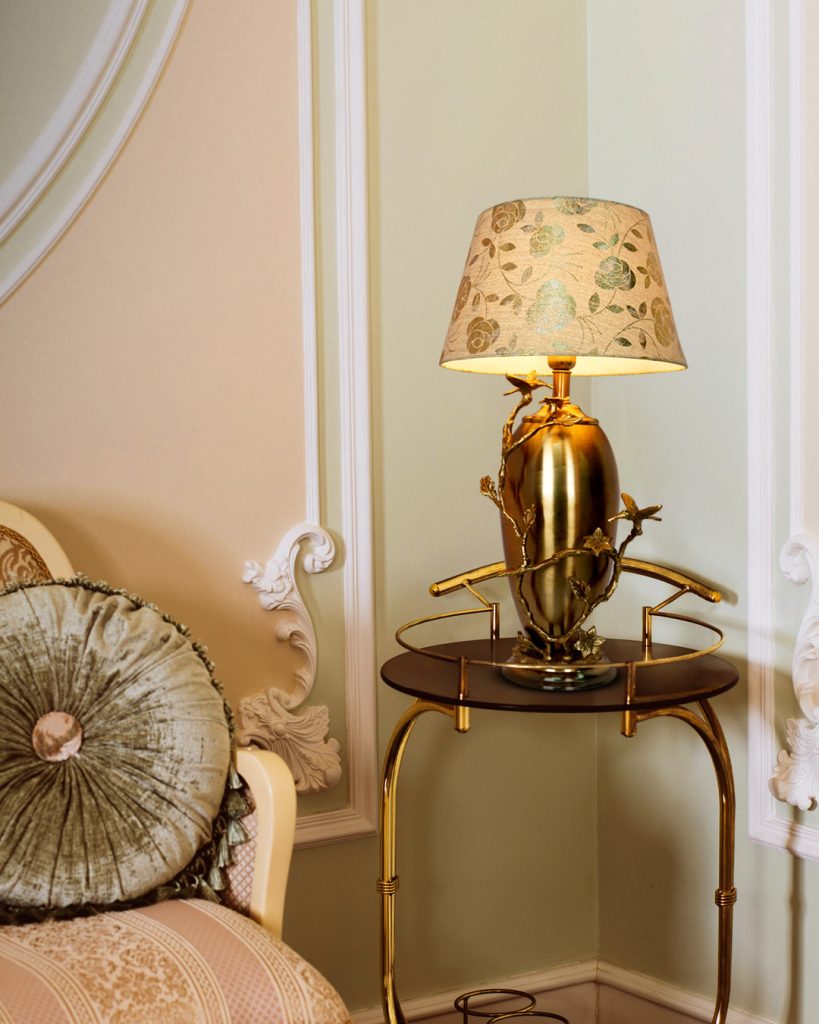
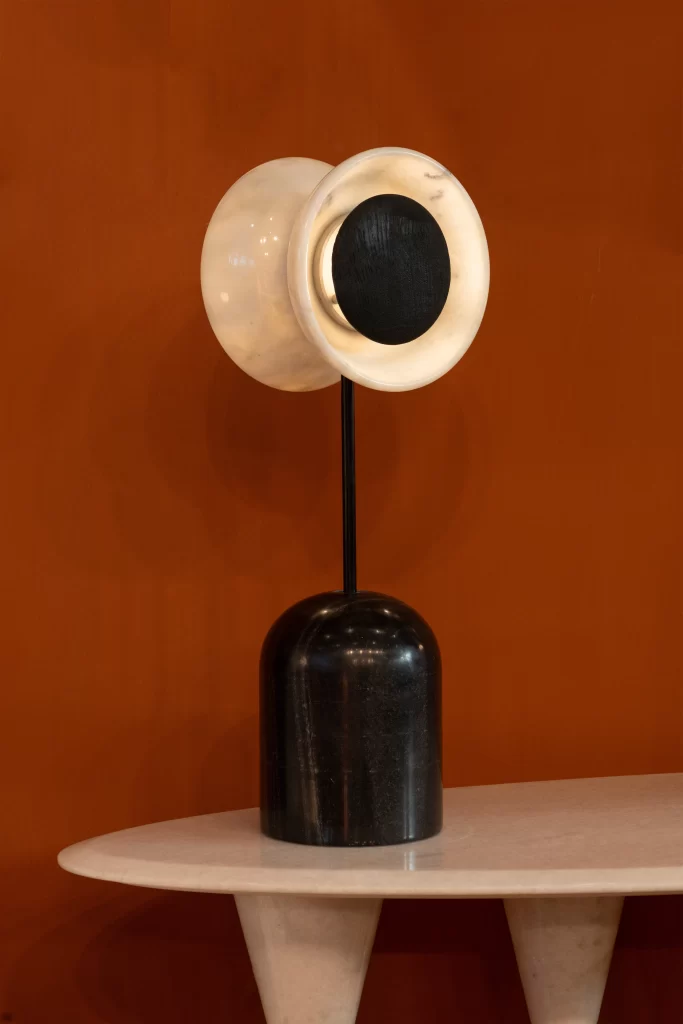
Gilded Grace table lamp with soft bird weave. Image credit Fos Lighting
Q: Looking back at your portfolio, which project represents a significant turning point in your career, and among your recent works, what project are you most proud of and why?
The turning point wasn’t a single product for me — it was the 2009 decision to move from being an extension of Orient Electric House into Fos Lighting as a digital-first brand. Learning to sell handcrafted lighting to customers who’d never touched the piece before buying it was a real leap for a family business like ours, and my industry as well.
As for what I’m most proud of, it’s less about one project and more about the range of places our work has ended up — cultural buildings, celebrity homes, luxury hotels, even the pandals at the Ambani weddings. Those moments matter because they show the craft can hold its own at any scale.
But if I had to pick a single piece, it would be a 25-foot custom brass chandelier we built for a client’s new home. It’s always a treat when a client treats lighting as installation rather than accessory — when they understand it’s not just filling a ceiling; it’s anchoring a room.
That said, I feel just as strongly about the smaller commissions. Even a single outdoor light matters, because it’s still part of someone’s legacy — the same craft, the same care, just a quieter canvas.
Q: What unique challenges and opportunities have you encountered as an emerging designer in the Indian design industry, and how are you working to overcome these obstacles?
On the business side, the honest challenge is logistics: keeping quality consistent while scaling a handcrafted product nationally and internationally. There isn’t one big obstacle so much as the ordinary difficulty of scaling craft without losing it. The opportunity, from where I sit, is that Indian craftsmanship is getting real global acknowledgement right now, and being a genuinely Indian, digitally native lighting brand puts us early into that moment.
Q: How do you approach sustainability and eco-friendly practices in your designs, particularly considering India’s traditional wisdom and contemporary environmental challenges?
For us, sustainability isn’t only material; it’s also about the people. Giving artisan clusters stable, fair, ongoing work means those skills and livelihoods don’t get pushed out by other industries. We also think about efficient production and shipping so we’re not generating unnecessary waste as we scale.
We ensure ethical sourcing and launched a range using sustainable materials such as hay, cane etc. We also choose aluminium and brass for durability. A piece built to last decades is already a sustainable choice, and it’s an old Indian instinct — making things meant to be repaired and passed down — applied to a modern product.
Q: What’s your most exciting recent design or art discovery that’s influencing your current thinking?
A few months ago I spent time in Swamimalai, watching the bronze casters there work with the same lost-wax technique that produced Chola-era temple sculptures nearly a thousand years ago. What struck me wasn’t just the craftsmanship — it was that the process hasn’t fundamentally changed, and neither has the standard. These artisans still work toward pieces meant to outlast generations, not decades.
That’s stayed with me. It’s made me think harder about how we approach brass and metal work at Fos — not just as a material choice, but as a commitment to permanence. If a thousand-year-old casting technique can still produce something that moves people today, there’s no excuse for us to think in terms of a five-year product cycle.
It’s also reinforced why giving these dying crafts a real commercial platform matters — the skill is still there; it just needs a reason to keep being used.
Q: How do you build visibility and reach out to potential clients — what platforms and strategies have worked best for you?
Being digital-first lighting brand in India has been our biggest lever. Most heritage brands come online eventually; we built it the other way around — designing our e-commerce experience around what people need when buying something handcrafted without touching it first: real customization tools, clear previews, and confidence it’ll arrive as shown.
Our 75+ years of legacy and trust that hard to build through marketing alone is also our strength. It’s a brand people are aware of. The word-of-mouth recommendations, anecdotes of how a Fos chandelier is a permanent fixture in homes, and large installations have done more for visibility than any platform — those pieces get seen and talked about in ways a catalogue never will.
Q: From your experience, what are the crucial dos and don’ts for young designers trying to establish themselves in India, and what professional forums or communities would you recommend they join?
Do understand your production, your margins, and your supply chain as closely as you understand your design, because that discipline is what lets a good idea actually scale. Don’t assume design alone will sell; distribution and consistent quality matter just as much. I’d point young designers toward trade design councils, craft-focused industry bodies, and hospitality and interior design associations, and toward design weeks where they can meet both craftspeople and buyers in the same room.
Q: As you look ahead, what kind of projects or directions would you like to explore?
Looking ahead, I want to move beyond homes and into installations that showcase Indian craft in places of real cultural relevance — heritage buildings, museums, restored havelis, spaces where our work doesn’t just light a room but becomes part of how that place is experienced for years to come.
We’ve recently had a taste of this with our work on a mosque in Dubai and it’s shown me what’s possible when craftsmanship gets a canvas that size and significance. That’s the direction I want to lean into more deliberately — projects where lighting isn’t just functional, it’s woven into the identity of the space itself.
The bigger ambition behind this is establishing Fos globally — not just taking orders from Europe and the US, but having our work anchor spaces abroad the way it’s started to at home. That, to me, is the natural next chapter: Indian craft, given a global address.
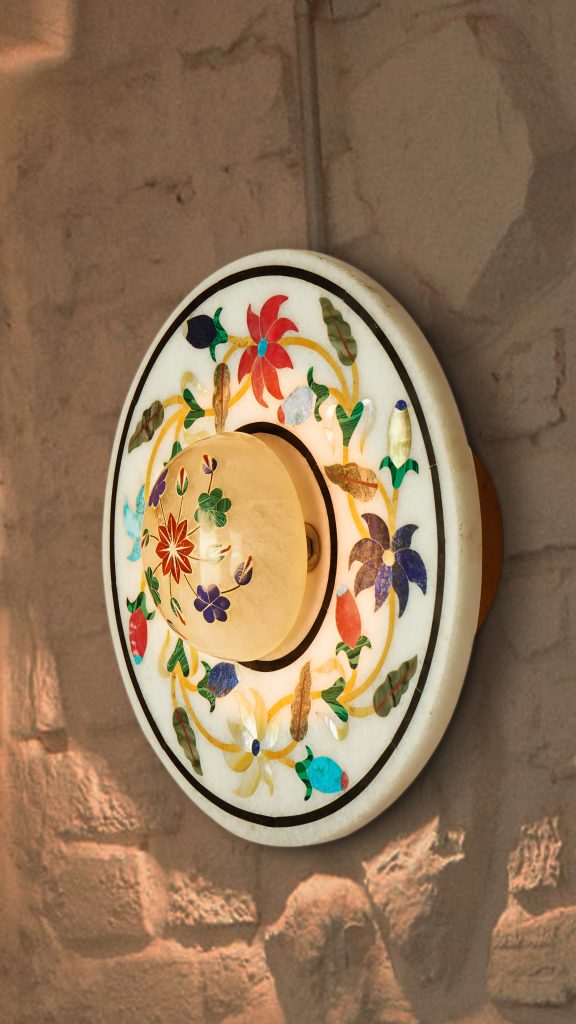
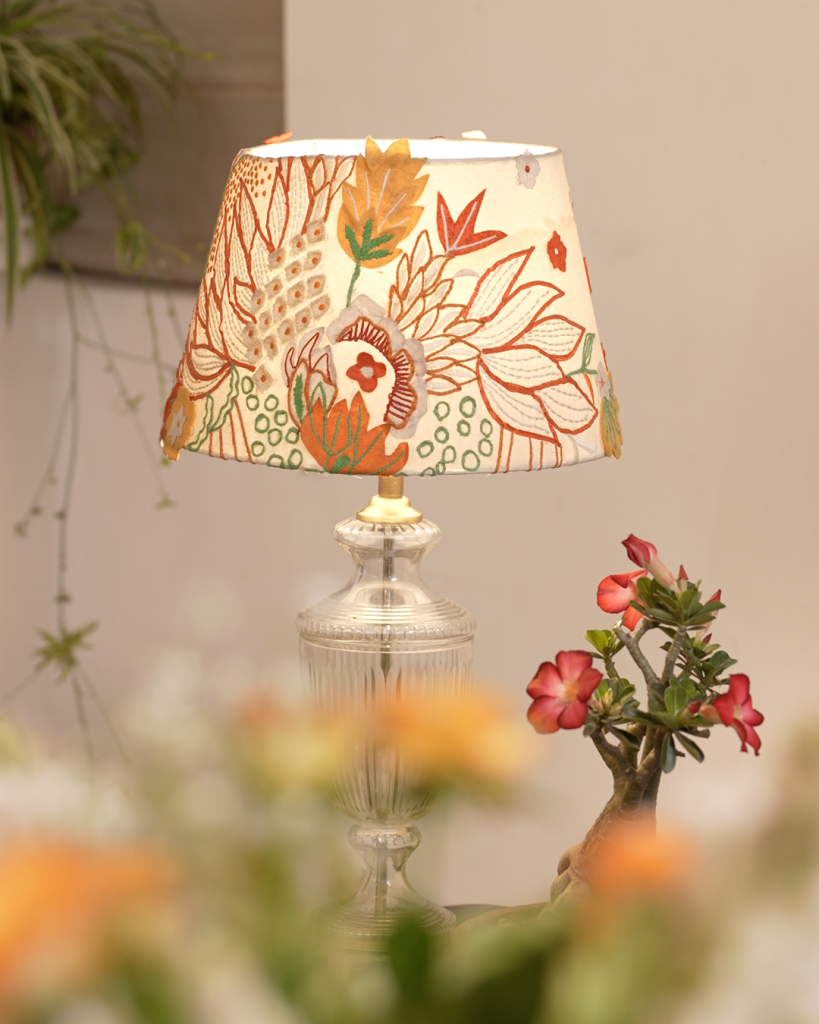
Marble inlay wall light & Handcrafted Rashida embroidery shade
Q: For aspiring designers looking to make their mark in India’s design landscape, what wisdom would you share from your journey?
Build the discipline alongside the art. Design excellence without operational rigour doesn’t scale, and in a country full of craft-based businesses, that combination is still rare — it’s the actual differentiator. Authenticity comes from process, not intention, and that your point of view has to come from lived experience with the craft.
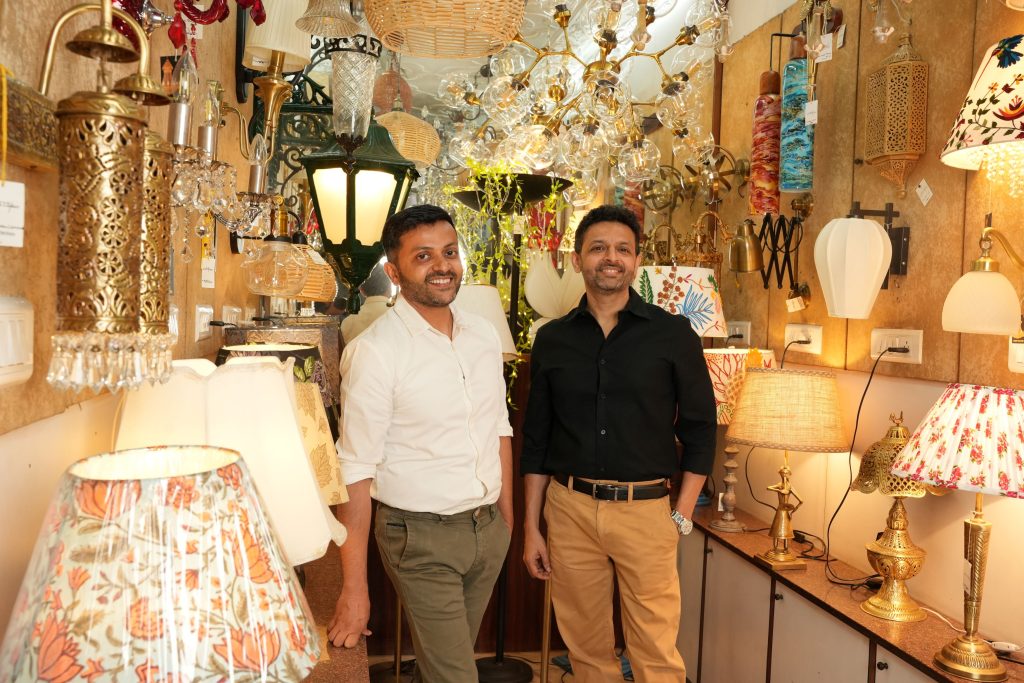
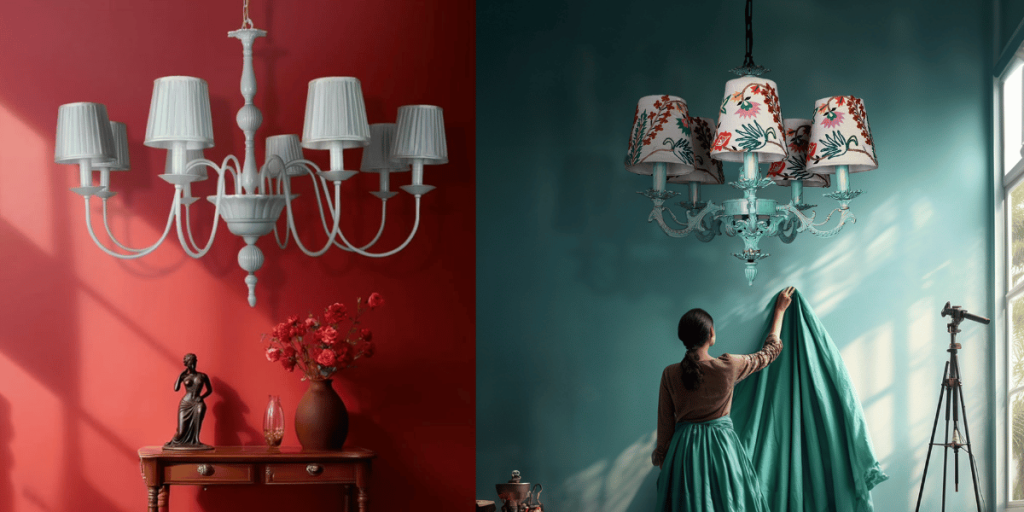
Cover image: Aluminum distress chandelier & Embrodery Chandelier by Fos Lighting
Athmaja Biju is the Editor at Abir Pothi. She is a Translator and Writer working on Visual Culture.