La Biennale di Venezia continues its ambitious Special Project “The Wind Makes the Sky. La Biennale di Venezia in the footsteps of Marco Polo,” curated by Luigia Lonardelli, with the fourth leg titled Indian Interior at Bikaner House, New Delhi. Running from December 2 to 28, 2025, in collaboration with the Kiran Nadar Museum of Art (KNMA), this chapter follows previous stages in Hangzhou, Venice, and Istanbul, retracing the journey of Marco Polo on the 700th anniversary of his death (1324–2024).
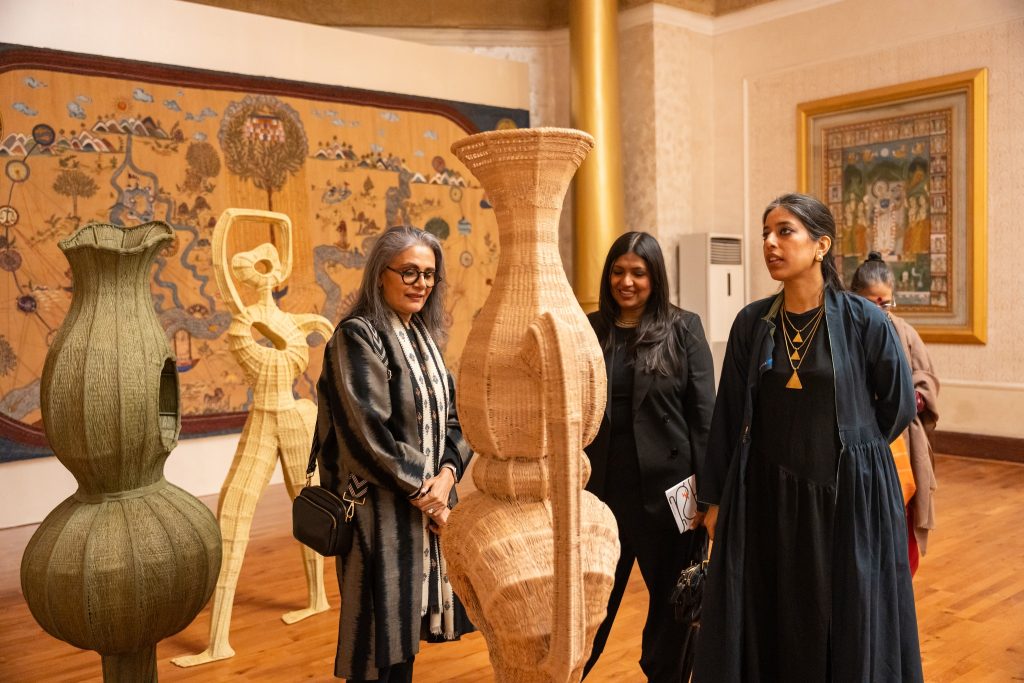
Indian Interior spotlights the contemporary creative identity of India, presenting a dialogue between art, craft, and design within everyday living spaces. The exhibition reflects on how Indian creativity redefines boundaries between disciplines, blending function and ornament, production and research, and addressing social transformation, sustainability, and material innovation. Works in the show resist rigid categorization, instead constructing immersive “Indian interiors” that showcase the vibrancy and inclusivity of current Indian creative practices.
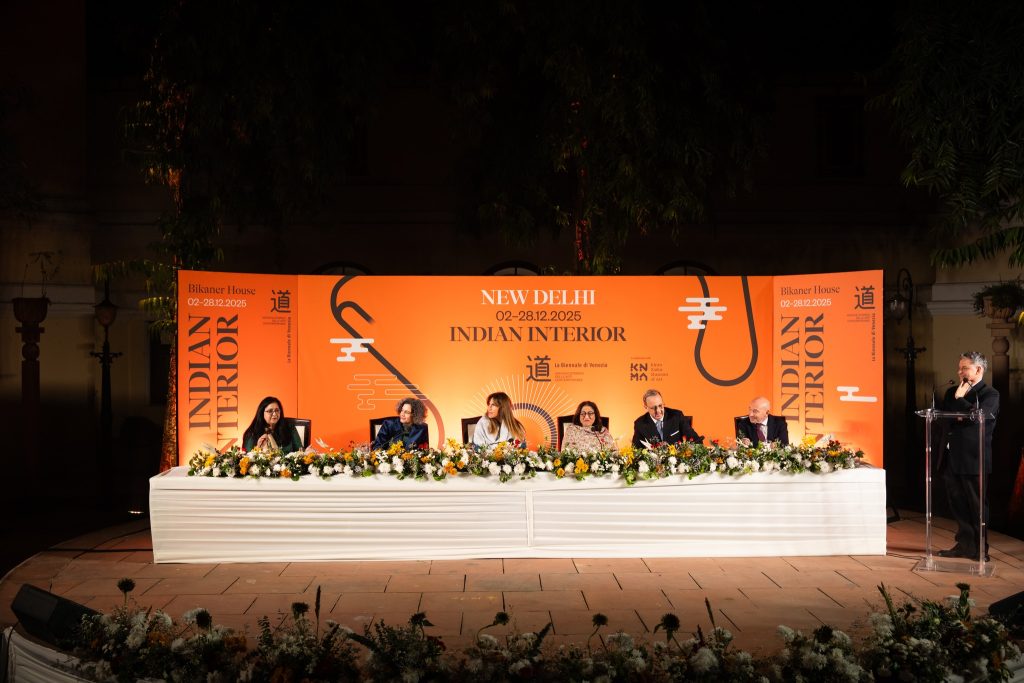
La Biennale President Pietrangelo Buttafuoco emphasizes India’s role as a place of innovation where craftsmanship and visual arts merge in new balances honoring the elevated concept of the artifact. Kiran Nadar, Chairperson of KNMA, highlights India as Marco Polo’s last memory of the East, captivated by its markets and materials, and celebrates the exhibition’s alignment with KNMA’s mission to elevate the dynamic creativity emerging from the subcontinent.
The graphic identity of the Special Project, designed by Headline, Italy, is based on geometric tridimensional elements evoking the Dao symbol, symbolizing the journey’s complexity and forward progress. Supported by the Italian Cultural Institute of New Delhi and other cultural institutions, Indian Interior continues La Biennale’s commitment to fostering renewed dialogue between creative practices and geographic regions, bridging East and West.
This project not only commemorates a historic journey but also spotlights contemporary creative evolution, celebrating India’s shifting landscape where tradition and experimentation coexist, redefining the meaning of design and art today.
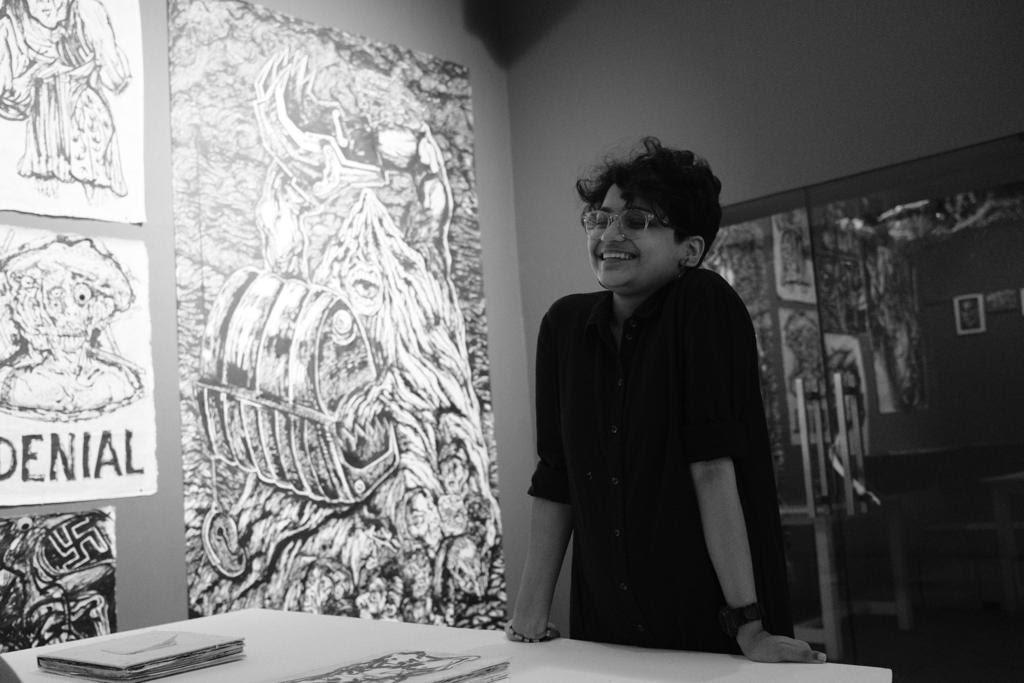
Athmaja Biju is the Editor at Abir Pothi. She is a Translator and Writer working on Visual Culture.