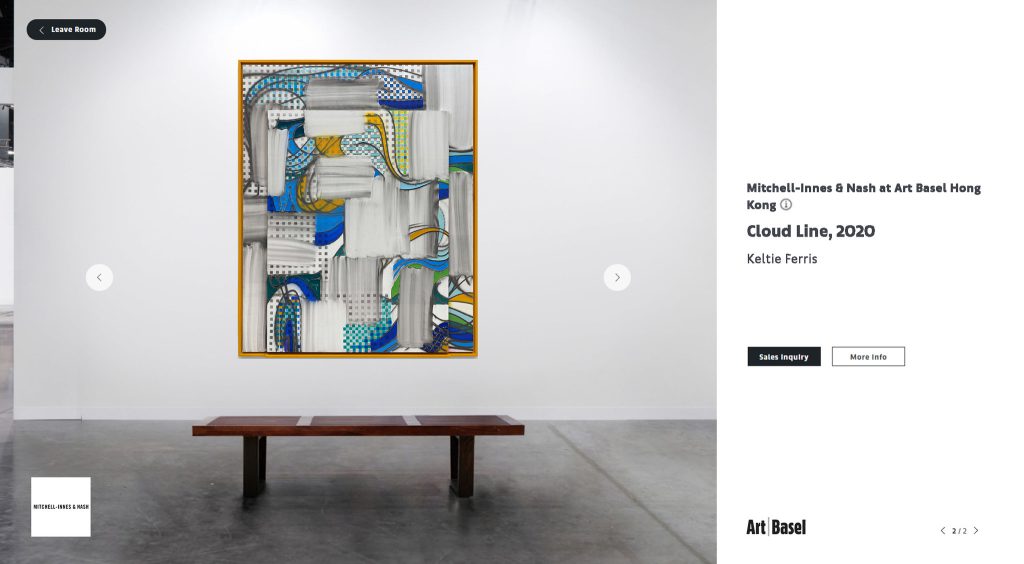
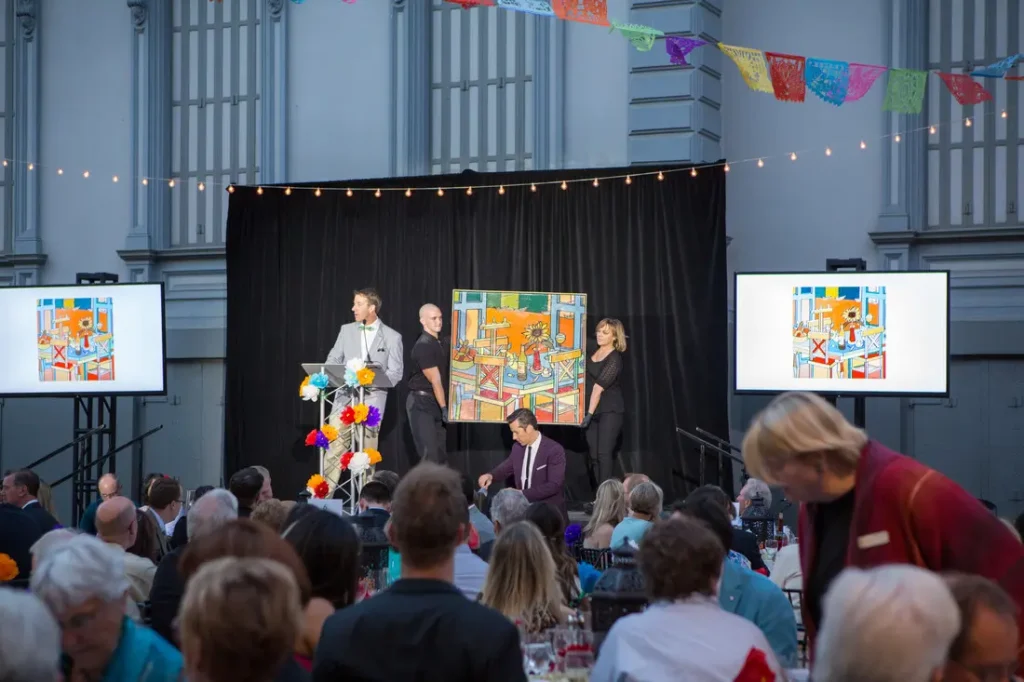
Imagine someone standing in front of a painting that is worth more than many houses. The room is quiet, and people look at each other more than at the painting. Why would a ultra-rich choose paintings over real estate, gold, stocks, or crypto? We grow up seeing our grandparents buy land or gold because those things keep their value. But art is a different kind of thing. It is not only an asset; it holds time, feelings, and stories.
Why Art Is More Than Just an Investment
Art can be a safe asset. Its price can rise over time, and rare works become more expensive as they get older. But billionaires do not always buy art only to make money. Sometimes they buy it for reasons unrelated to profit. They buy art because it moves them, because it is rare, and because it carries the artist’s time and effort.
When you buy art, you buy someone’s efforts, time, consistency, struggle, and patience. An artist may work for months or years to finish a piece, and that time is part of the value. Buying art is also about status —collecting luxury artworks broadcasts taste, wealth, and social status, and the more prestigious pieces someone owns, the stronger that signal becomes.
For example, Raja Ravi Varma’s painting of Yashoda and Krishna was auctioned at Saffronart in Mumbai for an unprecedented price of ₹167.2 crore. Saffronart did not buy the painting; it hosted the auction where Dr Cyrus Poonawalla, the founder and managing director of the Serum Institute of India, purchased it. The buyer said his motivation was to preserve the painting as a “National Treasure” and to make it available for public viewing periodically. Raja Ravi Varma is famous for blending European realism with Indian myth and culture. Buying such art often feels like protecting a part of national history and celebrating Indian identity. It shows pride and care for cultural heritage.
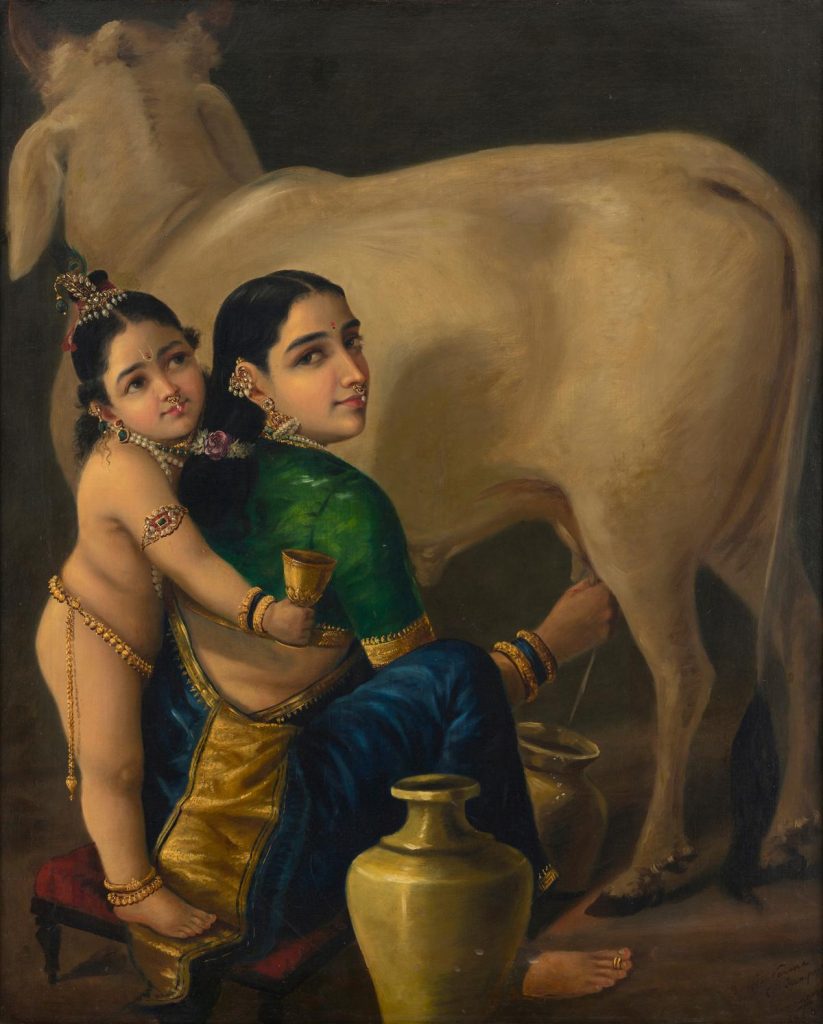
Yashoda and Krishna’ sold for Rs 167.2 crore, setting new Indian art auction record.
Art as legacy
Art is a mirror of the soul, quietly shaping the atmosphere of a room and the memory of a moment. According to Abir Pothi’s Founder, Ruby Jagrut, “Art is an extension of your personality. You choose art that soothes and adds value to your surroundings. Art is another way to acquire beauty. Surreal art will create a paradox of life, and abstract art will touch you in an amusing way. It’s like buying a piece of someone’s time and emotion”. For many billionaires, art is not just about money; it is about legacy. They collect works that reflect their taste, intellect, and worldview. These collections can become part of a family story or a public legacy that lasts for generations, she added.
Art also decorates homes and offices. Like jewellery that enhances a person’s beauty, art enhances a space. People collect for pleasure, for beauty, and for satisfaction. Some families pass artworks from one generation to the next, like stamps or coins. Collecting art can be a private joy, not just a public announcement.
The art world has risks. Buyers and dealers worry about fakes, wrong attributions, and deliberate deception. Sometimes, a work is falsely claimed to be by a famous artist to raise its price. This kind of fraud harms the market and misleads buyers. So experts, historians, and buyers spend time verifying works before big purchases.
Auctions become a display of wealth
When billionaires bid hundreds of millions for a Jackson Pollock or a Rothko at Christie’s, the art world often celebrates the auction frenzy. But some critics see a darker side. Jerry Saltz, a Pulitzer Prize-winning critic, argues that these high-stakes auctions turn art into a show for the ultra-rich. He says auctions can strip art of meaning and turn artworks into “casino chips” or trophies.
According to Saltz, buyers sometimes join these events to be part of a display of wealth rather than to truly look at and understand the work. He feels grief because the auction spectacle can transform art from something that expands our view of the world into a contest for the wealthy.
Final Thought
Buying art is not always about making money. Often, it is about becoming a custodian of creativity and preserving a piece of human history. It connects to emotions, identity, and memory. For billionaires, purchasing art can mean protecting culture, building a legacy, or simply enjoying beauty. Whether you buy art for profit, pride, or pleasure, you are also buying a piece of someone’s life and time.
Cover Image: Crocker Art Museum
Akanksha is an Associate Editor at Abir Pothi, writing on contemporary art and creating engaging videos that highlight artists and make art accessible to wider audiences.