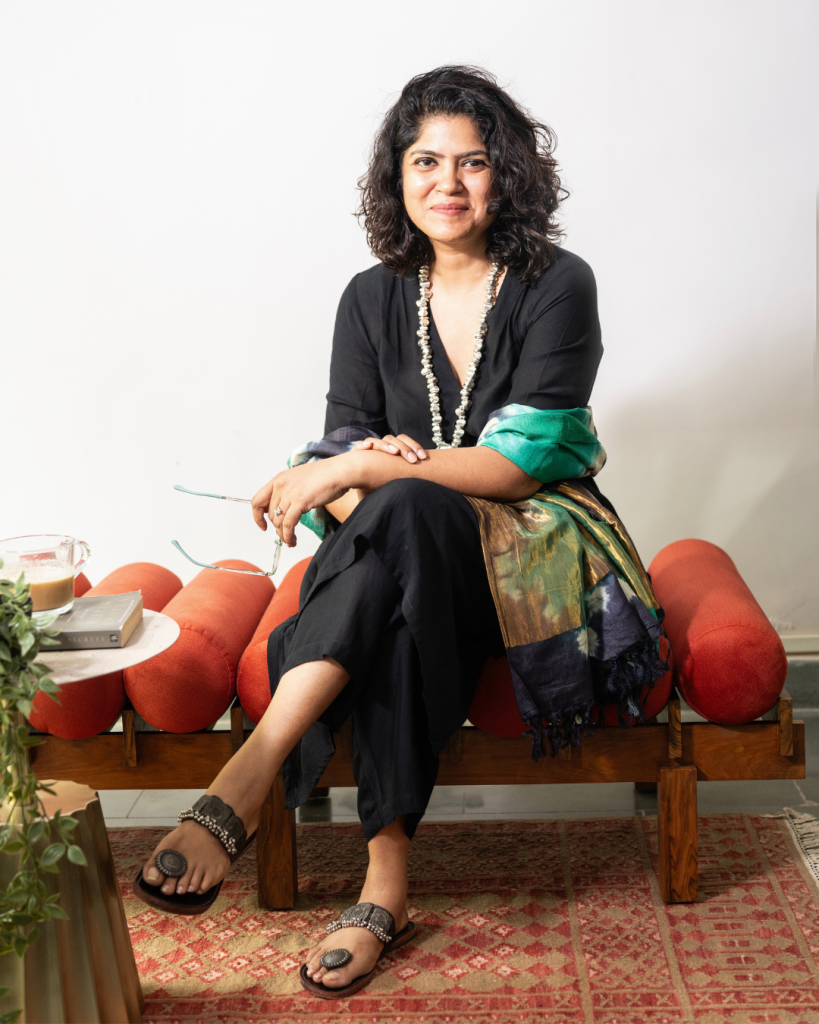
Swati Gupta is the founder and principal designer of Bluedot Design, bringing over two decades of experience across interiors and furniture. Trained at APIED, Gujarat, she practices a minimalist, warm aesthetic focused on functionality, material honesty, and careful detailing. Her work balances global influences with Indian context, collaborating with artisans to create handcrafted pieces and spaces that simplify daily life and age gracefully. Bluedot’s thoughtful designs prioritize craftsmanship, longevity, and personal relevance for those who inhabit them.
As part of Abir Pothi’s DTalks series, Swati Gupta open up about her creative process, projects and design philosophy.
Q1. How did your education at APIED and your personal background influence Bluedot Design’s focus on honest, functional, and timeless interiors and furniture?
Swati Gupta: I am Swati Gupta, founder and principal designer of Bluedot Design. With over two decades of experience in design, my work spans both interior and furniture design. My practice is built on the belief that good design should simplify life, create clarity, and age gracefully.
My design journey began at APIED, Gujarat, where I studied Interior Design, completing a five-year professional program, which gave me a strong grounding in design principles, spatial planning, technical detailing, and material understanding, which have remained central to my work over the last two decades. Coming from a modest background, I have always been drawn to honest, functional objects rather than decorative excess. This perspective continues to influence my work today. At Bluedot, we focus on creating spaces and products that are thoughtful, practical, and deeply personal to the people who use them.
Over the years, our studio has worked on residential, commercial, and hospitality projects while also developing handcrafted furniture collections that celebrate craftsmanship, material integrity, and timeless design.
Q2. How would you describe your signature design aesthetic, and how has it evolved while working in India?
Swati Gupta: My design language is minimalist, warm, and rooted in functionality. Whether I am designing a space or a piece of furniture, I am drawn to simplicity, honest materials, and thoughtful detailing. I believe good design should feel effortless—quietly enhancing everyday life rather than demanding attention.
Over the years, my aesthetic has evolved from focusing primarily on form and spatial solutions to a deeper understanding of context. Working in India has taught me that successful design is not about following a particular style, but about responding to how people actually live.
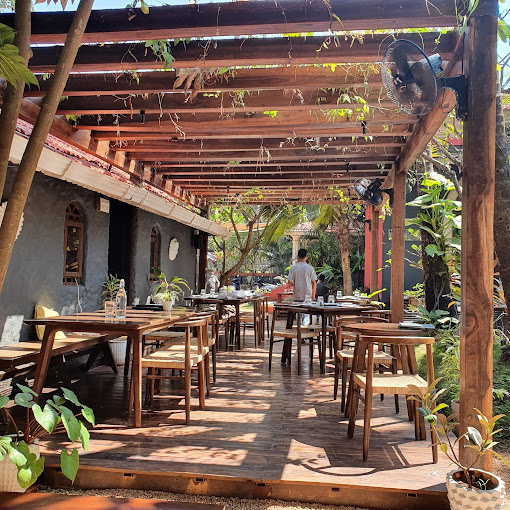
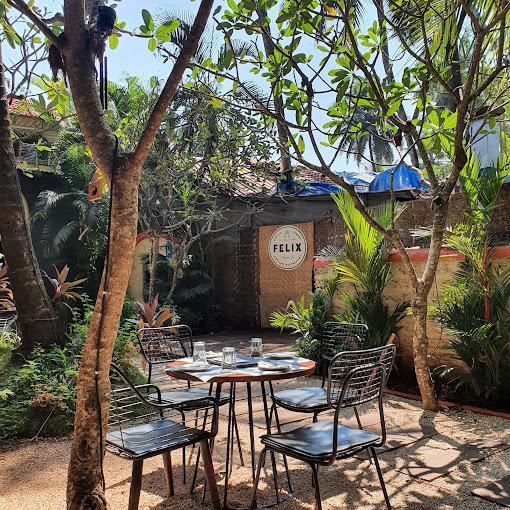
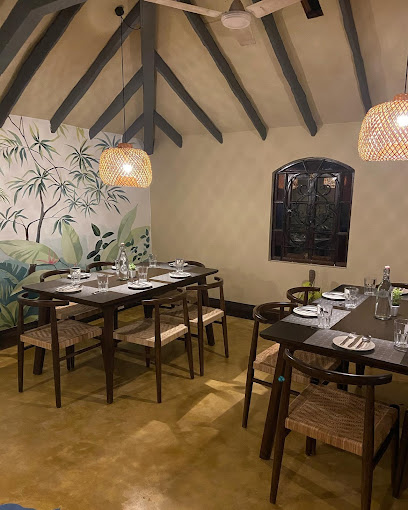
Bluedot | Felix | Goa | Image Credit: Bluedot Design
India’s design landscape today is dynamic, diverse, and globally connected. While I draw inspiration from international design philosophies, I believe they must be interpreted through a local lens. For instance, if a client is inspired by Japanese design, the objective is not to recreate a Japanese home, but to adapt the underlying principles of simplicity, material honesty, and restraint to Indian lifestyles, climate, and culture.
This balance between global perspectives and local relevance has become central to my work. The result is a design approach that is contemporary yet timeless, refined yet approachable, and always rooted in the realities of the people who will use it.
Q3. What influences and inspires your current work? Could you share some movements, designers, or elements of Indian culture that have shaped your practice?
Swati Gupta: Inspiration often comes from observation and everyday life rather than a single source. I am fascinated by objects, spaces, and experiences that are simple, purposeful, and quietly effective.
A significant influence on my practice has been Mid-Century Modern design. I have long admired designers such as Charles and Ray Eames, Hans J. Wegner, and Finn Juhl, whose work demonstrated how functionality, craftsmanship, and beauty can coexist effortlessly. Their emphasis on human-centred design, material honesty, and timeless forms continues to shape my thinking.
In furniture design, I have also been inspired by George Nakashima’s deep respect for natural materials and his ability to celebrate the inherent character of wood. His work reinforced my belief that materials should not be forced into a design language but allowed to express their own qualities.
My visit to Japan was another defining influence. Experiencing Japanese architecture and design firsthand deepened my appreciation for simplicity, restraint, and thoughtful detailing. I have long admired Tadao Ando’s work, particularly his ability to create powerful emotional experiences through light, proportion, and minimal forms.
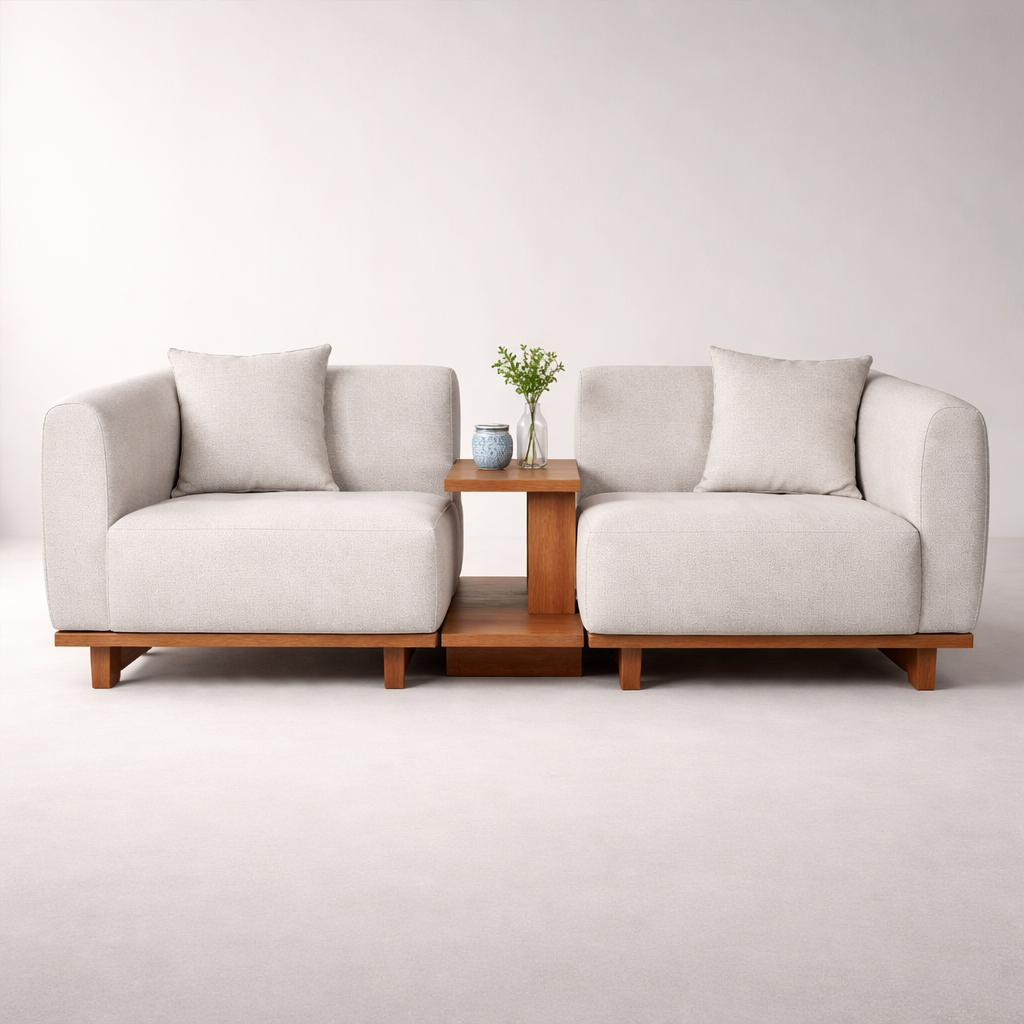
Bluedot Design SereneDuo Sofa hero | Image Credit: Bluedot Design
Over time, however, my focus has shifted from admiring these influences as aesthetic references to understanding the principles behind them. Today, I am more interested in exploring how ideas of simplicity, material honesty, craftsmanship, and functionality can be interpreted within a contemporary Indian context.
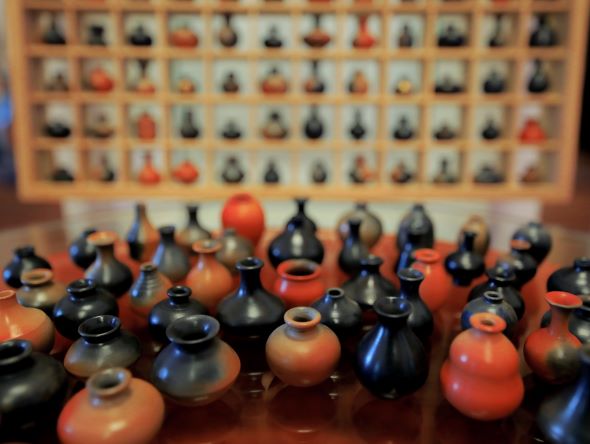
Living and working in India has also made me increasingly aware of the country’s layered cultural history and evolving identity. More recently, I have been exploring these narratives through furniture and product design. Collections such as Mrida emerged from a curiosity about how elements of our past can be reinterpreted in ways that feel contemporary rather than nostalgic.
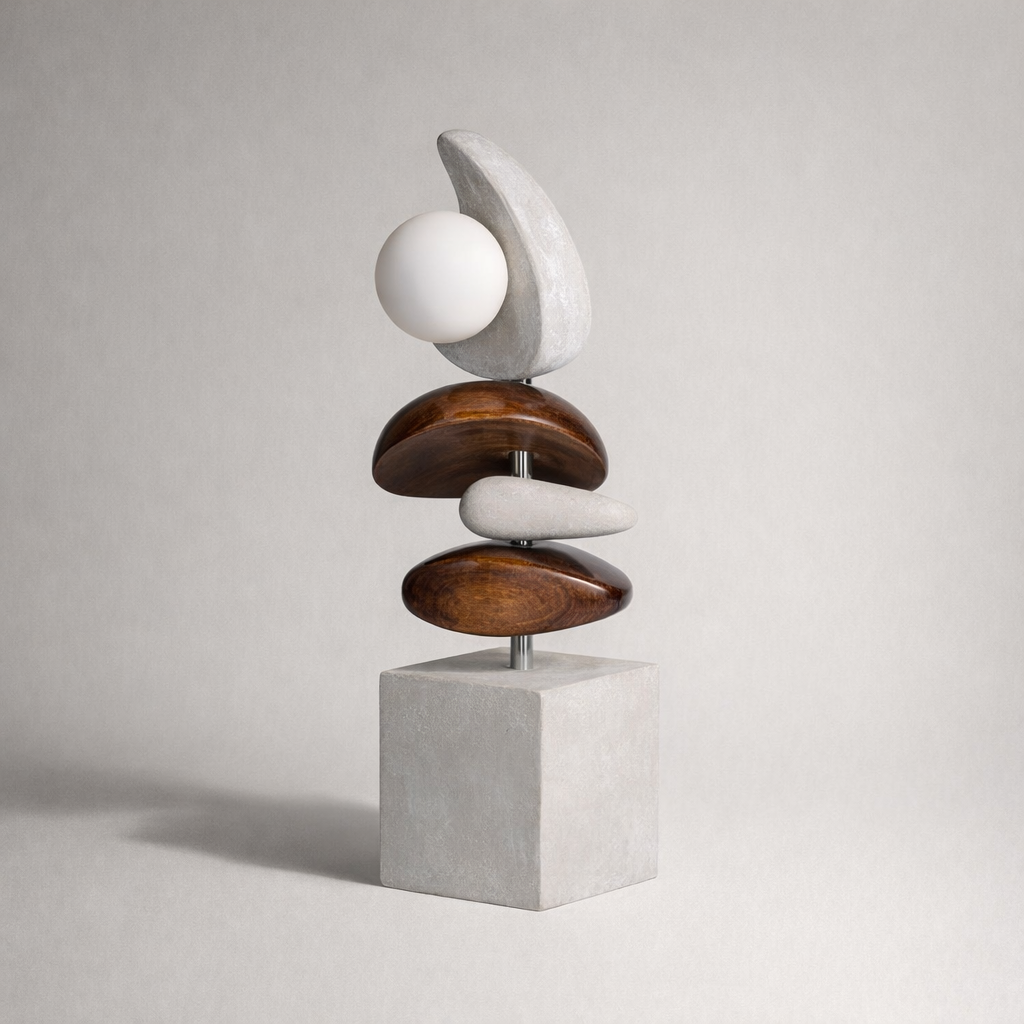
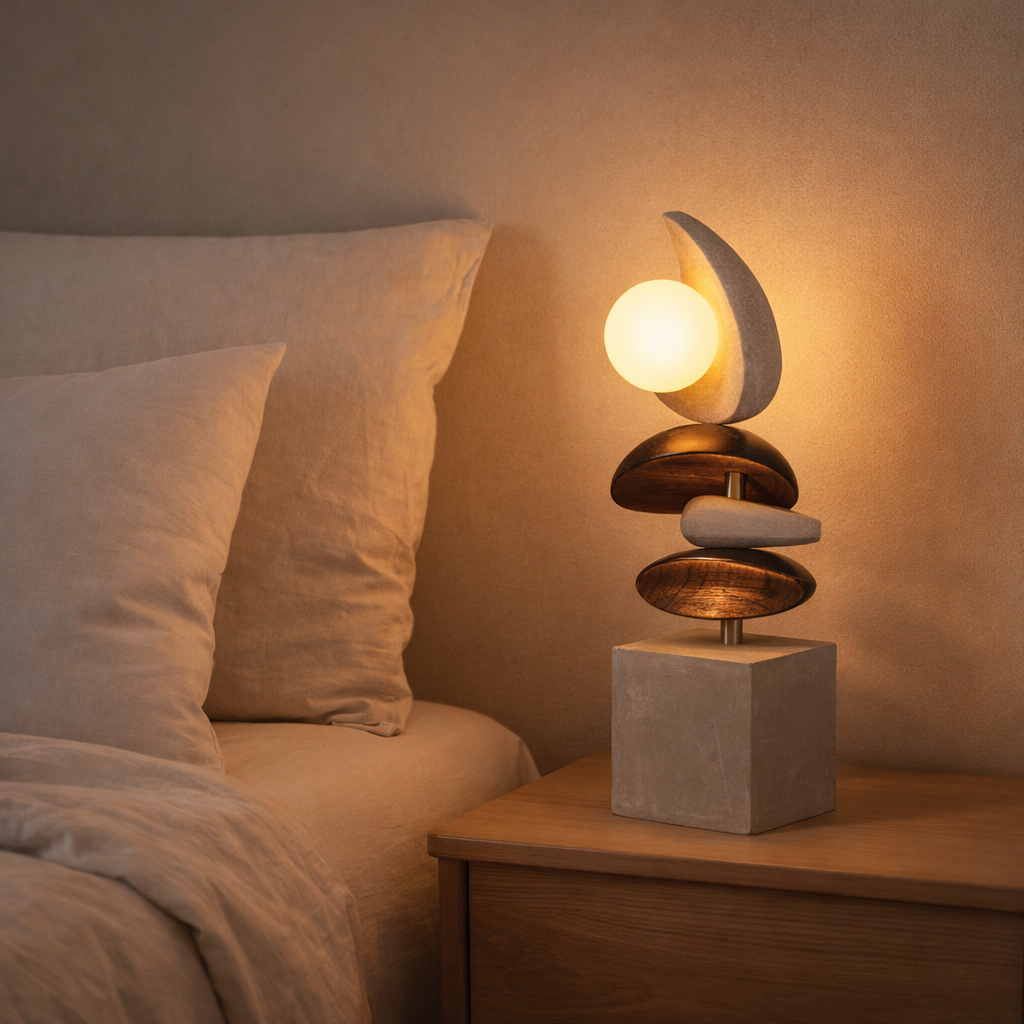
Bluedot Design Talam Lamp hero | Bluedot Design Talam Lamp Lifestyle | Image Credit: Bluedot Design
Ultimately, what inspires me most is the dialogue between global ideas and local identity—creating designs that are timeless in spirit yet deeply rooted in their context.
Q4. Could you walk us through your creative process? How do you move from initial concept to final execution?
Swati Gupta: My creative process varies slightly between interiors and furniture design, but both are rooted in curiosity, observation, and problem-solving.
When it comes to interiors, every project begins with listening. I spend considerable time understanding the people, context, aspirations, and challenges involved before thinking about solutions. Once the brief is clear, I explore ideas through sketches, layouts, material studies, and detailed discussions with clients and collaborators.
As the concept takes shape, it is translated into detailed drawings, specifications, and material palettes. I work closely with consultants, contractors, craftsmen, and vendors throughout the execution process to ensure that the original design intent is maintained while responding to practical site realities. For me, design does not end at the drawing board—some of the most important decisions are made during execution, where details are refined and brought to life.
Furniture design often begins more intuitively. Sometimes an idea emerges from a material, a form, a cultural reference, a detail observed during travel, or simply a moment of inspiration. I allow myself the freedom to explore these ideas before evaluating them through the lens of functionality, ergonomics, material behaviour, structural integrity, and manufacturability.
The concept then evolves through sketches, technical development, prototyping, and discussions with craftsmen and fabricators. Multiple iterations are often required before arriving at the right proportions, construction methods, and finish details. Only when a piece successfully balances aesthetics, functionality, and feasibility does it move into production.
Whether designing a residence, a workspace, or a piece of furniture, my objective remains the same: to create something meaningful, functional, and enduring.
Q5. Your work often involves collaborations with artisans and other creatives. What draws you to these partnerships, and how do these collaborations enrich your design practice?
Swati Gupta: Collaboration has always been an integral part of my practice because I believe good design rarely happens in isolation. Whether I am working on an interior project or developing a furniture collection, I value the exchange of ideas and expertise that comes from working with artisans, craftsmen, fabricators, artists, and other creative professionals.
Many of our furniture pieces are possible only because of the deep material knowledge and technical skill that artisans bring to the process. Their understanding of wood, metal, stone, and traditional techniques often reveals possibilities that cannot be fully anticipated on paper. Some of the most rewarding design discoveries have emerged through these conversations and hands-on experimentation.
At the same time, collaborations challenge assumptions and bring fresh perspectives. They push a design beyond its initial concept, often leading to solutions that are richer, more refined, and more meaningful.
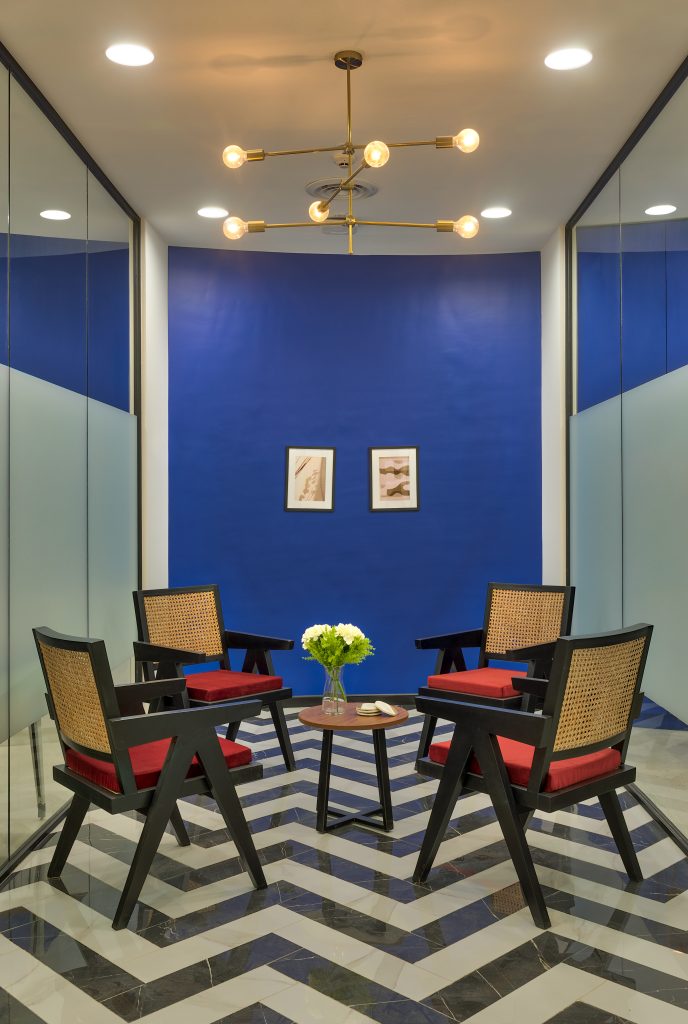
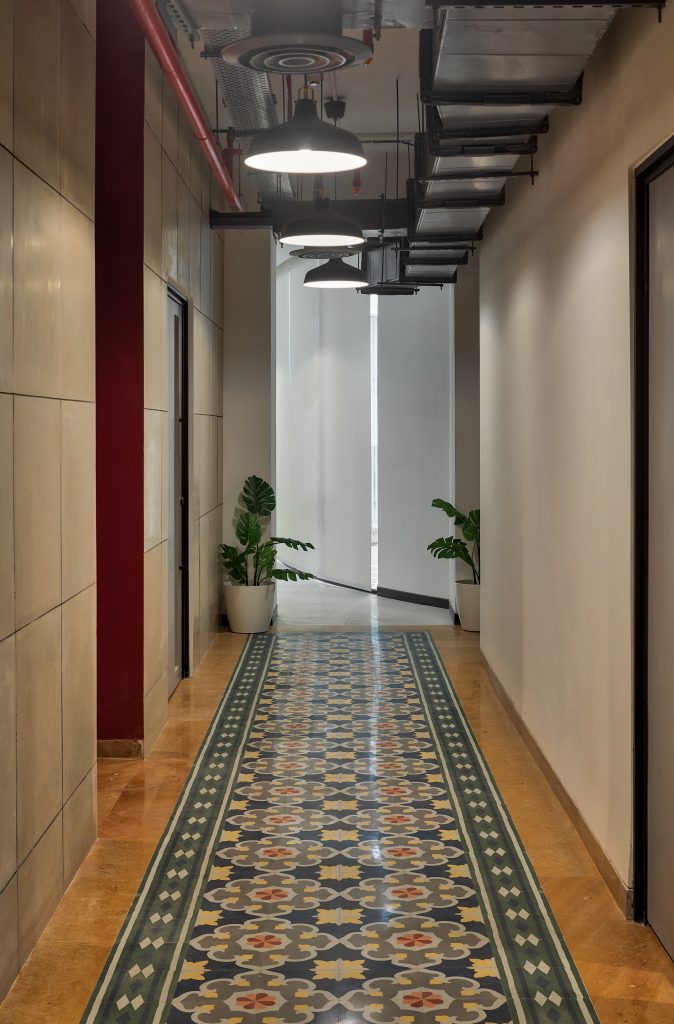
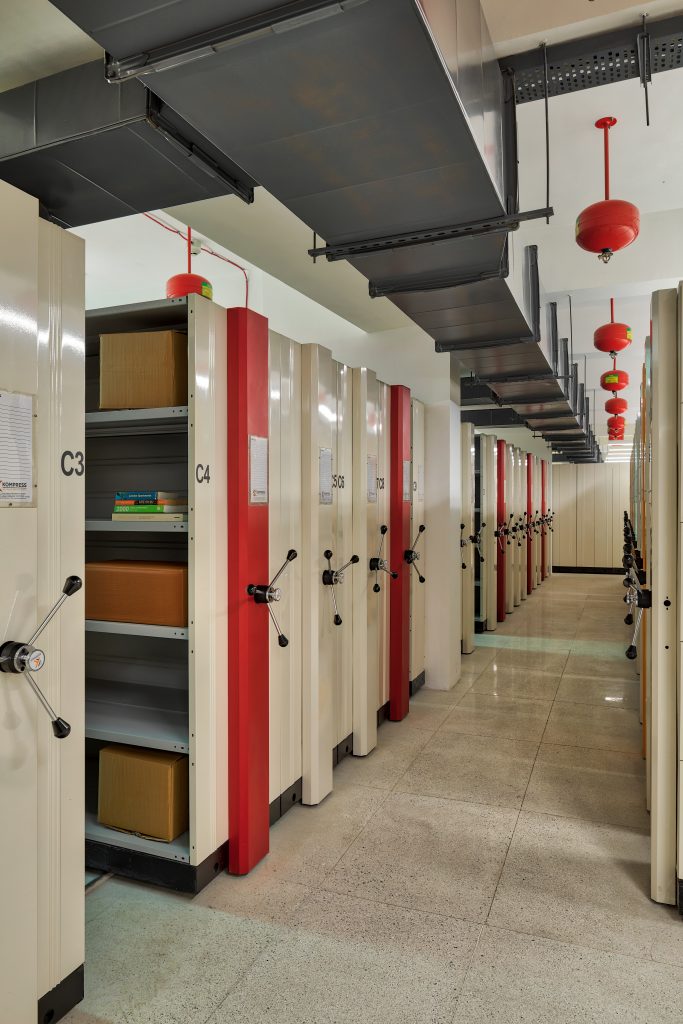
Bluedot ABCAR Discussion Lounge | Bluedot ABCAR Archival Corridor | Bluedot ABCAR Archive Repository | Image Credit: Bluedot Design
What I value most is the mutual respect that develops through these partnerships. Design provides the vision, but craftsmanship gives it life. When both come together as equal partners, the result is work that carries depth, authenticity, and a sense of human connection.
Q6. Looking back at your portfolio, which project represents a significant turning point in your career, and among your recent works, which project are you most proud of and why?
Swati Gupta: A significant turning point in my career was the decision to move beyond interior design and establish Bluedot Design as a furniture brand in 2017. After years of designing custom furniture for interior projects, it felt like a natural evolution to create a platform dedicated to product design. It allowed me to express my design philosophy at a more intimate scale and develop a deeper relationship with materials, craftsmanship, and manufacturing processes.
Among our recent works, I am particularly proud of the Mrida collection. The collection combines wood and microcement with motifs inspired by the Indus Valley Civilisation. It reflects our ongoing interest in creating contemporary pieces that draw from India’s cultural memory without becoming literal or nostalgic.
What excites me most about Mrida is its attempt to bridge heritage and modernity. The collection challenged us to reinterpret historical references through contemporary forms and materials while maintaining functionality and relevance for modern living. It reinforced my belief that meaningful design can emerge from the dialogue between history and the present.
Q7. What unique challenges and opportunities have you encountered as an emerging designer in the Indian design industry, and how are you working to overcome these obstacles?
Swati Gupta: While I would no longer describe myself as an emerging designer, many of the challenges facing designers in India remain relevant regardless of experience.
One of the biggest challenges is balancing originality with commercial realities. The market often rewards speed, trends, and short-term solutions, while thoughtful design requires patience, conviction, and a long-term perspective. Maintaining design integrity while responding to costs, manufacturing constraints, market trends, timelines, and evolving expectations. The pressure to simplify or commercialise an idea is always present, but I believe the challenge lies in finding solutions that remain true to the original design intent without compromising functionality or quality.
At the same time, India presents extraordinary opportunities. We have access to exceptional craftsmanship, a rich material palette, growing manufacturing capabilities, and an increasingly design-aware audience that values authenticity and quality. The Indian design industry today is far more mature and globally connected than it was when I started my practice.
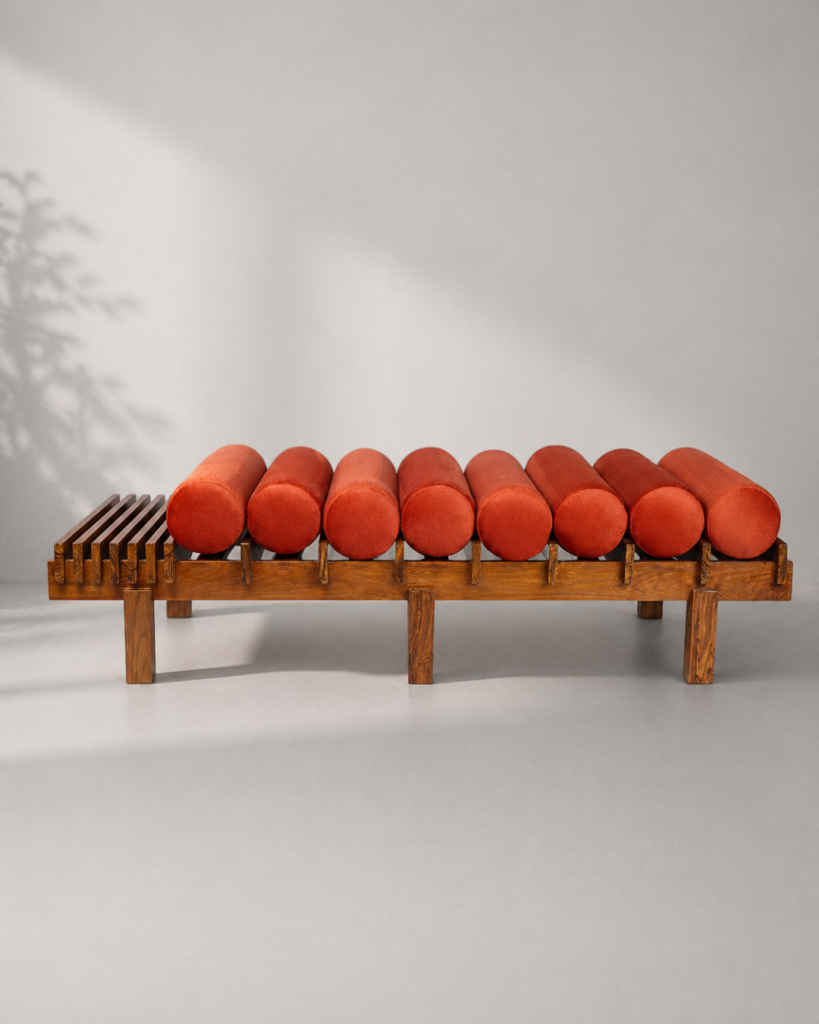
My approach has been to remain consistent with my design philosophy while evolving with changing technologies, lifestyles, and market expectations. I believe the key is to stay curious, keep learning, and embrace change without losing sight of what defines your work.
Q8. How do you approach sustainability and eco-friendly practices in your designs, particularly considering India’s traditional wisdom and contemporary environmental challenges?
Swati Gupta: For me, sustainability begins with longevity. The most sustainable product is one that people continue to use, value, and live with for years rather than replace after a short period of time.
At Bluedot, we focus on creating furniture that is timeless in both design and construction. We work with durable materials, reclaimed or responsibly sourced wood whenever possible, and pay close attention to joinery, detailing, and build quality so that our products age gracefully over time.
We also largely follow a made-to-order approach, which allows us to avoid unnecessary inventory and overproduction. Producing only what is needed helps reduce waste while ensuring that each piece receives the attention and craftsmanship it deserves.
I am also mindful of how materials are used. Good design should respect resources, minimise waste, and make the most of a material’s inherent qualities rather than forcing it into something it is not.
India’s traditional practices offer valuable lessons in resourcefulness, repairability, and material efficiency. At the same time, contemporary environmental challenges require us to think beyond tradition and embrace responsible sourcing, improved manufacturing processes, and conscious consumption.
Ultimately, I believe sustainability is not a feature that can be added to a product. It is a mindset that influences every decision—from material selection and production to how relevant and desirable a piece remains over its lifetime.
Q9. What’s your most exciting recent design or art discovery that’s influencing your current thinking?
Swati Gupta: One of the most exciting discoveries influencing my current thinking has been the visual language of the Indus Valley Civilisation. As one of the world’s oldest urban cultures, it developed systems of design, symbolism, and craft that remain remarkably relevant today.
What fascinates me is the simplicity, abstraction, and timeless quality of many of its forms and motifs. Despite being thousands of years old, they possess a contemporary sensibility that transcends time and geography.
This exploration has encouraged me to think differently about pattern, symbolism, and storytelling in design. It has also inspired me to look more closely at how elements of our cultural history can be reinterpreted in ways that feel meaningful and relevant to contemporary life rather than merely decorative or nostalgic.
Much of this thinking has influenced recent work, such as the Mrida collection, in which I have been exploring the dialogue between heritage and modernity through furniture and material expression.
Q10. How do you build visibility and reach out to potential clients – what platforms and strategies have worked best for you?
Swati Gupta: Over the years, I have found that genuine relationships and consistent work are the most effective ways to build visibility. Many of our projects and opportunities have come through referrals, repeat clients, and professional networks developed over time.
Digital platforms have helped amplify that visibility. Instagram has been particularly valuable for showcasing our work, sharing our design process, and connecting with a wider audience interested in design and furniture. It serves as a visual portfolio and an ongoing conversation about our work.
More recently, LinkedIn has become an important platform for connecting with architects, designers, business leaders, and potential collaborators. It has enabled me to share insights, engage in meaningful industry conversations, and build professional relationships beyond traditional networks.
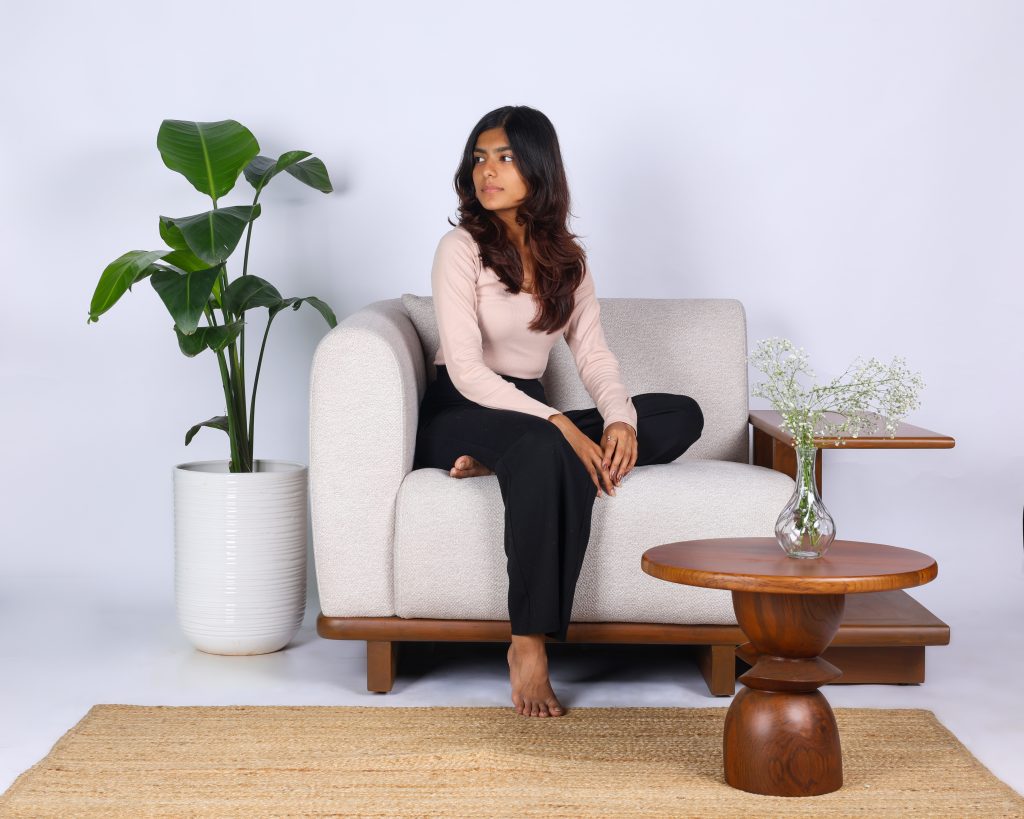
Bluedot Design SereneDuo Sofa lifestyle | Image Credit: Bluedot Design
Ultimately, I believe visibility is built through a combination of strong work, authentic relationships, and consistently sharing your perspective. While platforms evolve, credibility and trust remain the strongest foundations for long-term growth.
Q11. Based on your experience, what are the crucial dos and don’ts for young designers trying to establish themselves in India, and which professional forums or communities would you recommend they join?
Swati Gupta: One of the most important lessons I have learned is that young designers should focus on developing a clear point of view rather than following every trend. Design careers are built over time, and consistency often matters more than quick visibility.
Dos:
- Develop your own design voice and perspective.
- Learn from craftsmen, fabricators, and execution teams.
- Focus on solving real problems rather than creating fashionable solutions.
- Be patient and invest in building a strong foundation.
Don’ts:
- Don’t imitate others.
- Don’t underestimate the importance of detailing and execution.
- Don’t compromise quality for short-term recognition.
- Don’t stop learning and evolving.
As for communities and forums, I don’t belong to any particular design community myself. Much of my learning has come through practice, collaborations, travel, and conversations with people from different disciplines. However, I strongly encourage young designers to participate in exhibitions, workshops, lectures, and industry events where meaningful exchanges can happen.
In fact, one idea I have been exploring recently is creating informal gatherings at my studio where young designers can come together to discuss design, materials, ideas, and the evolving language of contemporary Indian design. I believe some of the most valuable learning happens through open conversations and shared experiences rather than formal networking alone.
Q12. As you look ahead, what kind of projects or directions would you like to explore?
Swati Gupta: Looking ahead, I am particularly interested in exploring the intersection of furniture, culture, materials, and storytelling. Through product design, I see an opportunity to create objects that are not only functional but also carry a sense of identity and narrative.
I would like to continue developing furniture collections inspired by diverse global influences, travel, cultural observations, and historical narratives, while interpreting them through a contemporary lens. Whether drawing inspiration from Japanese design principles, Mid-Century Modernism, or India’s rich cultural heritage, I am interested in understanding the ideas behind these influences and translating them into products that feel relevant to modern living.
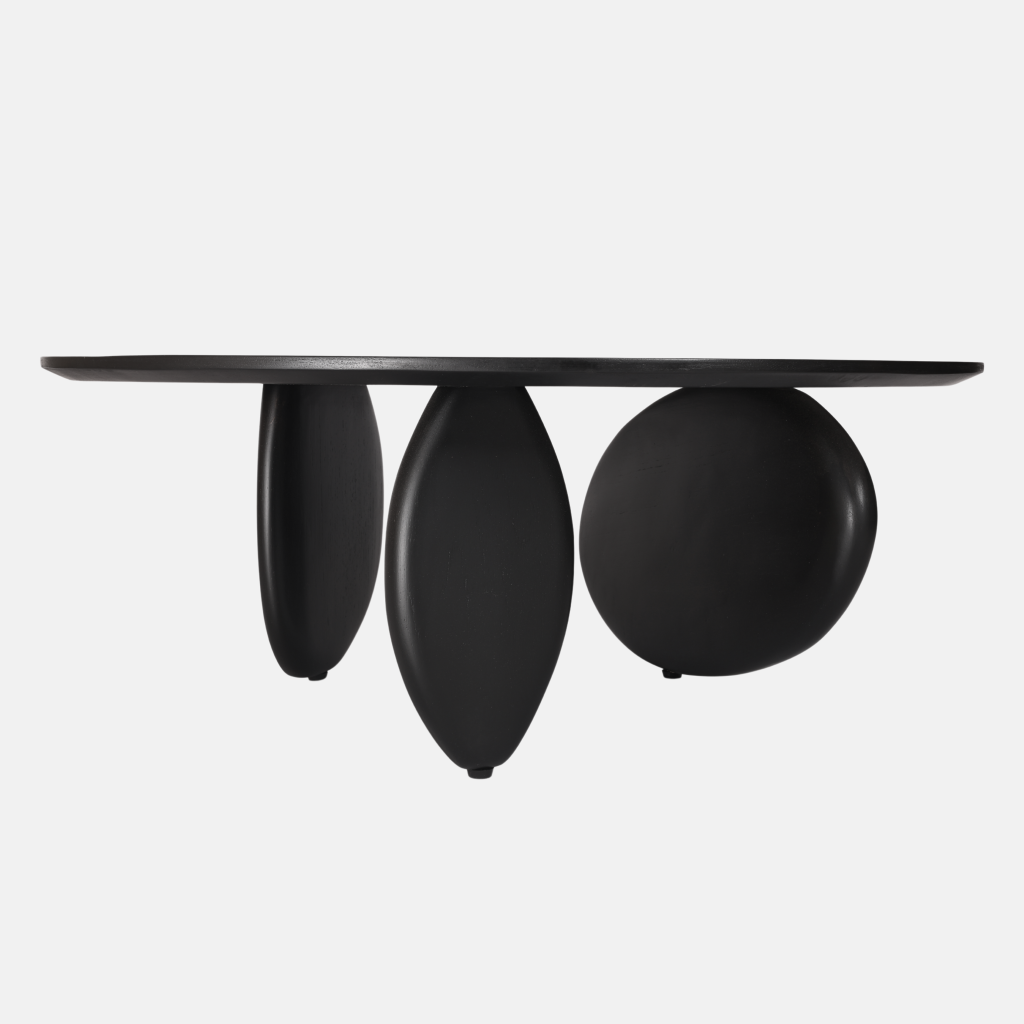

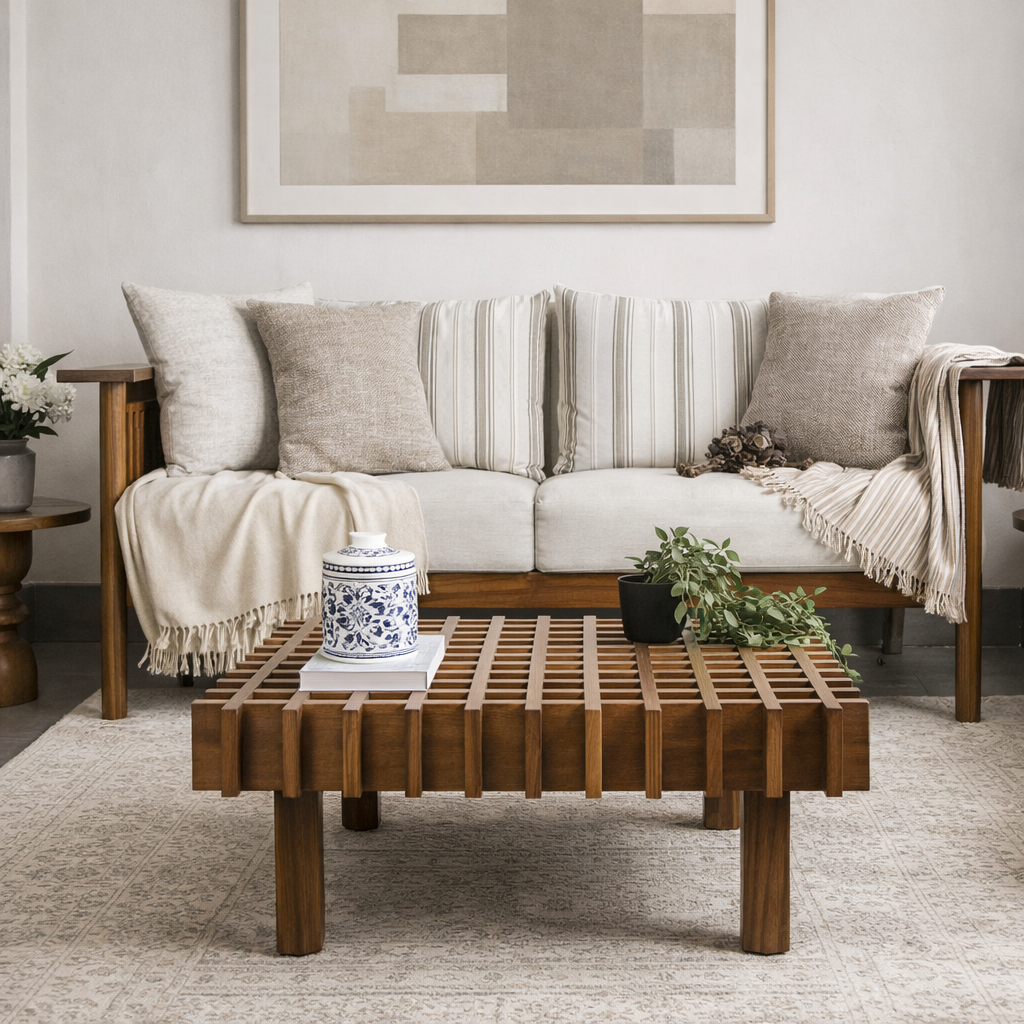
Bluedot Design | Kurotama Coffee Table | Image Credit: Bluedot Design
Beyond furniture, I remain interested in designing commercial environments that support well-being, collaboration, and human connection. As the nature of work continues to evolve, I believe there is tremendous potential to create workplaces that are both highly functional and emotionally engaging.
More broadly, I am excited by the possibility of bringing together global design perspectives, traditional knowledge, contemporary manufacturing, and evolving lifestyles to create thoughtful products and spaces for a rapidly changing world.
Q13. For aspiring designers looking to make their mark in India’s design landscape, what wisdom would you share from your journey?
Swati Gupta: If there is one thing my journey has taught me, it is that design is a long game. We often celebrate overnight success, but meaningful careers are built through years of observation, experimentation, mistakes, and persistence.
My advice to aspiring designers would be to focus less on recognition and more on developing a genuine point of view. Trends will change, technologies will evolve, and markets will shift, but your ability to think critically and solve problems will remain your greatest asset.
Travel, observe, stay curious, and expose yourself to ideas beyond the design world. Some of the most valuable lessons come not from design books but from culture, history, nature, and everyday life.
Most importantly, don’t be afraid to evolve. The designer I am today is very different from the designer I was twenty-five years ago. Growth comes from remaining open to new influences while staying true to the values that define your work.
Cover Image: Bluedot Design Hibiki Sofa lifestyle | Image Credit: Bluedot

Contributor