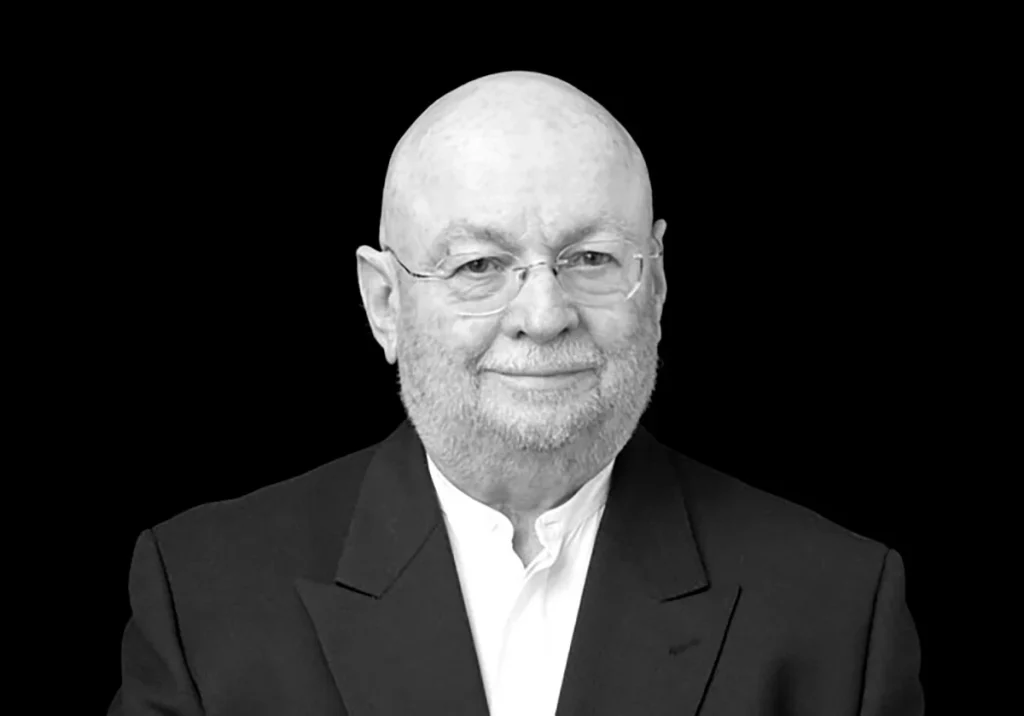
Thomas Hines, the influential historian of modern architecture and professor emeritus at UCLA, died at the age of 89. His research transformed the study of California architecture and inspired generations of architectural historians.

Thomas Hines, a professor emeritus of history and architecture at the University of California, Los Angeles (UCLA), died on July 28 in Santa Monica, California, from pneumonia, according to tributes published by colleagues and architectural media outlets. Colleagues often called him the “dean” of modern Los Angeles architectural historians. He spent more than five decades documenting and interpreting Southern California’s architectural evolution.
Thomas Hines’ Career and Academic Life
Born in Oxford, Mississippi, in 1936, Hines built his academic career on the West Coast. He joined UCLA in 1968 and later held appointments in both the Department of History and the School of the Arts and Architecture. He taught cultural, urban, and architectural history while mentoring generations of students.
Moreover, Hines retired as professor emeritus in 2013. However, he continued to shape architectural discourse through lectures, essays, and archival research.
Thomas Hines’ Major Publications and Contributions
Hines’s best-known book, Richard Neutra and the Search for Modern Architecture (1982), helped cement Neutra’s place in architectural history. It also highlighted Los Angeles as a major centre of modernism.
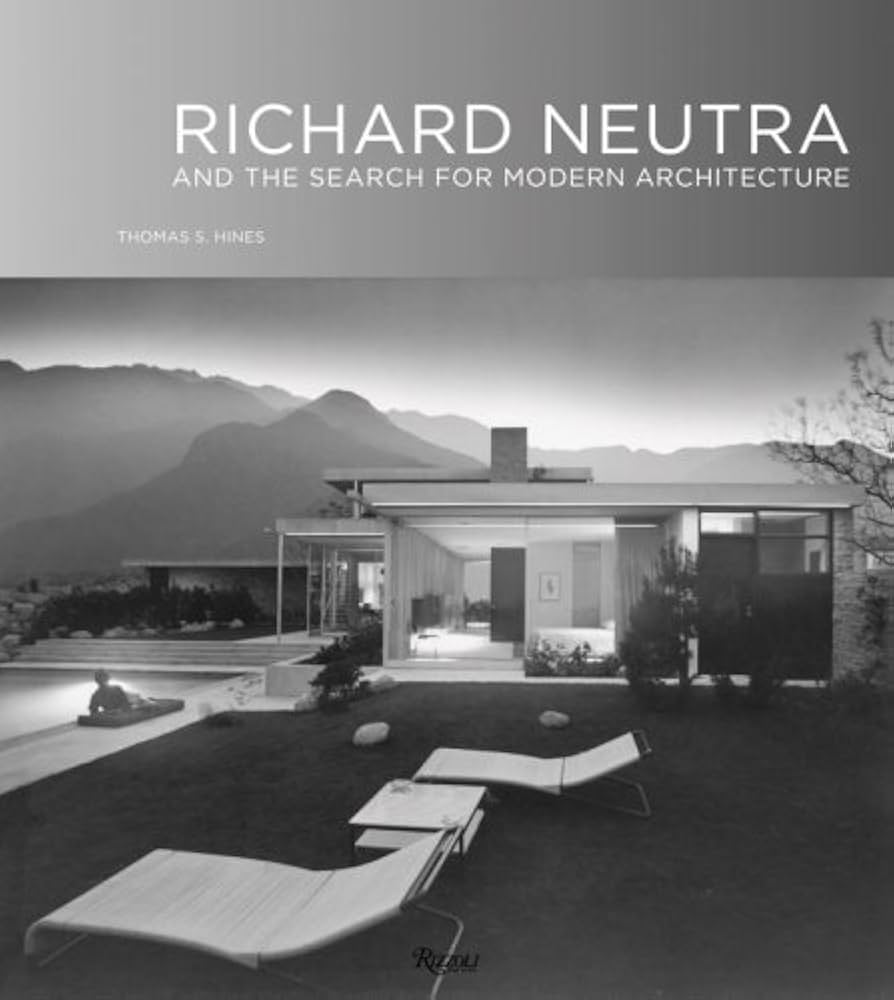
His research explored major figures and movements in American architecture. As a result, it established Southern California as a key centre of modern architectural history. The Getty Research Institute preserves the Thomas S. Hines archive, including his research files, correspondence, site photographs, and publications.
Thomas Hines’ Influence on Modern California Architecture
Hines shifted scholarly and public attention toward California’s modern architecture and encouraged wider recognition of Los Angeles as a centre of modernism . Colleagues and commentators say his work changed the way scholars understand modernism in Southern California. He highlighted the influence of climate, technology, speculative development, and cultural imagination on the region’s architecture.
Beyond his published work, Hines served as a public intellectual, appearing in documentaries, interviews and public programs where his encyclopedic knowledge of Los Angeles’s urban and architectural history helped bridge academic research and wider audiences.
Personal legacy
Tributes from former students and fellow scholars describe Hines as a generous mentor, an exacting researcher and a passionate advocate for seeing architecture within the full spectrum of cultural life. With his death, the field of modern architecture in Southern California loses one of its sharpest and most prolific interpreters—a historian whose work helped ensure that the story of American modernism could not be told without California at its center.
He is survived by his two children.
Read more: https://www.abirpothi.com/reaching-for-the-sky-exploring-the-pinnacles-of-urban-architecture/
Athmaja Biju is the Editor at Abir Pothi. She is a Translator and Writer working on Visual Culture.