GES-2 House of Culture in Moscow will open The World in a Single Nest: Following the Way of Tagore, an Indo-Russian exhibition devoted to Rabindranath Tagore’s artistic, educational and philosophical legacy. The show runs from 25 June to 23 August 2026 at Gallery C2 and brings together Tagore’s own works, archival materials, and new commissions by Indian and Russian artists.
Exhibition focus
The exhibition centres on Tagore’s ideas of holistic education, collective creativity, and dialogue between East and West, with special emphasis on Visva-Bharati University, which he founded in 1921 in Santiniketan, West Bengal. Its title comes from the university’s unofficial motto, “The world in a single nest,” and the exhibition architecture draws on Visva-Bharati’s teaching model and campus layout.
What visitors will see
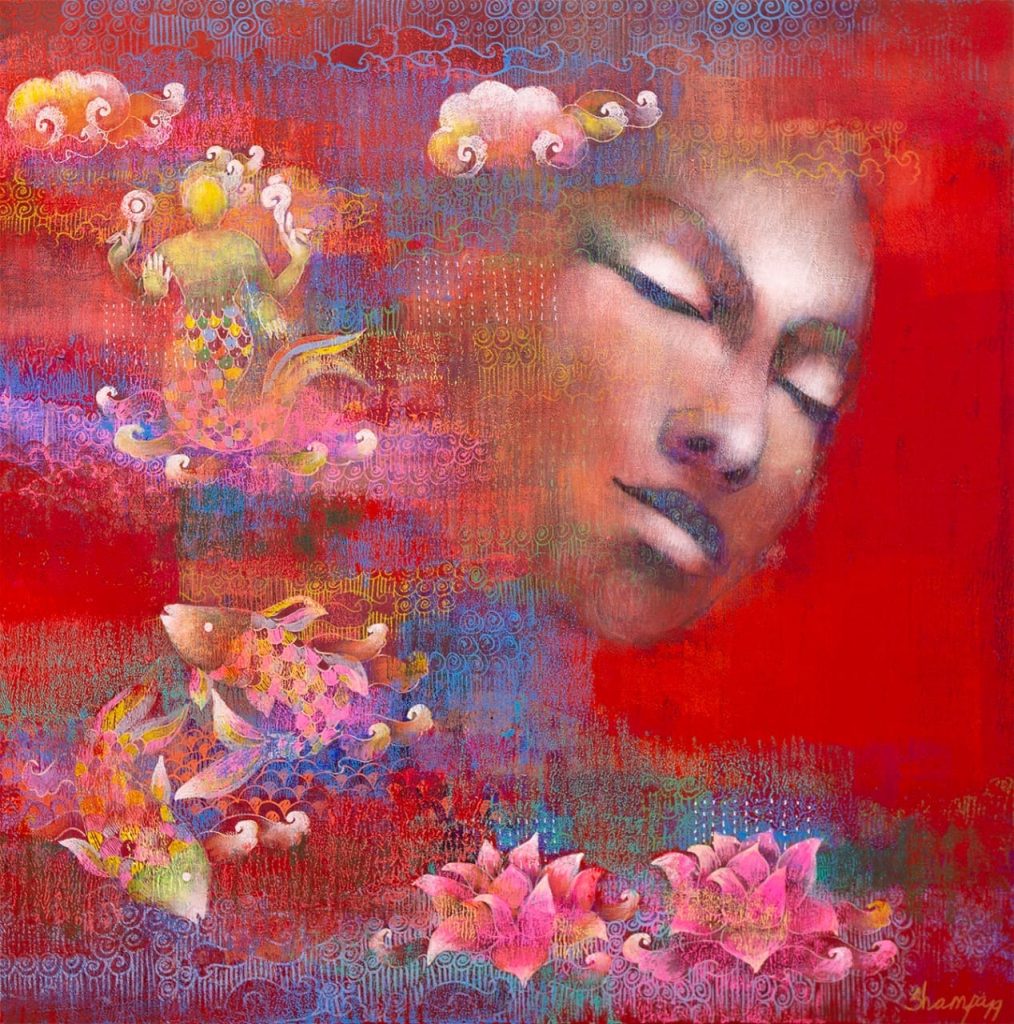
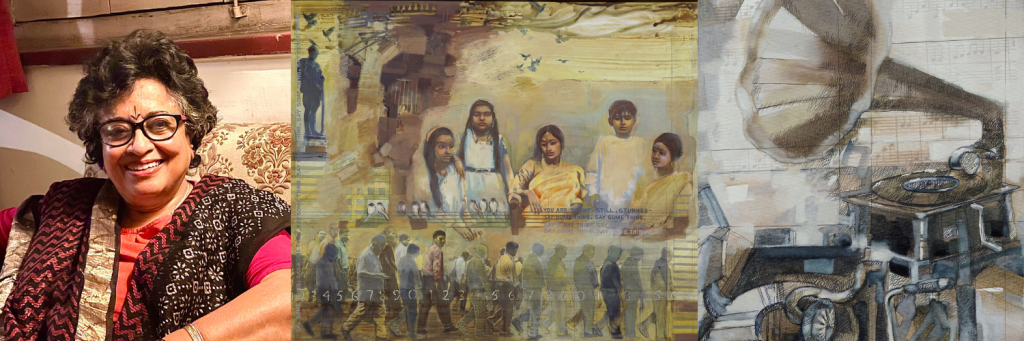
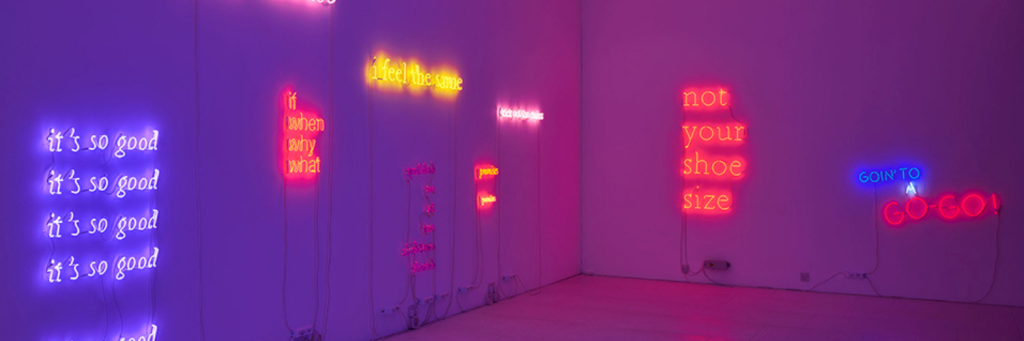
According to the press material, the exhibition presents over 50 works by Tagore, along with archival documents related to his 1930 Moscow exhibition, when he personally visited the Soviet capital. It also includes works by eight contemporary Indian artists and collectives, three works by Russian authors, and a film on Visva-Bharati by The Otolith Group.
Three new works have been created specifically for the exhibition. The accompanying public programme will include guided tours, school workshops, reading groups, meetings with Russian and Indian artists, body practices, and other educational events.
Curatorial context
Curators Artem Timonov and Elena Yaichnikova frame the project as part of GES-2’s broader series on major cultural figures who shaped modern artistic thought. Elena Yaichnikova says the exhibition highlights Tagore’s belief that deep knowledge of one’s own culture should be combined with openness to other cultures.
Tagore’s art was the embodiment of Indian modernism, which, as in Europe and Russia, began with an avant-garde rejection of the canons (for colonial India, these were the canons of Western academicism, as cultivated in Britain through the eighteenth and nineteenth centuries). Tagore’s modernism was simultaneously rooted in the ancient artistic traditions of his home region and open to dialogue with the art of both East and West.
Curatorial text, Artem Timonov and Elena Yaichnikova
Artem Bondarevskiy, General Director of GES-2 House of Culture and V–A–C Foundation, says the exhibition focuses on Visva-Bharati because it embodies Tagore’s view of art, nature, and education as interconnected. He adds that the university’s pedagogical traditions and interdisciplinarity remain relevant today.
Participation and access
The exhibition is organised in collaboration with Visva-Bharati University, Rabindra Bhavana Museum, Birla Academy of Art and Culture, Emami Art Gallery, Pushkin State Museum of Fine Arts, and Shrine Empire Gallery. It is also being developed in cooperation with institutions including the Ministry of Culture of India, the National Gallery of Modern Art in Delhi, and the Embassy of India in the Russian Federation.
Artists featured: Abhishek Chakraborty, Ruma Choudhury, Samit Das, GABAA, Sanchayan Ghosh, Sangita Maity, Liza Neklessa, Ivan Novikov, The Otolith Group, Ulyana Podkorytova, Raqs Media Collective, and Prasanta Sahu
Entry to GES-2 House of Culture is free, but prior registration is required. The venue is located at 15 Bolotnaya Embankment, Moscow.
Tagore and the exhibition
Tagore began painting at the age of 67 and left more than 2,500 artworks after his death 15 years later.Two of his poems were used for the national anthems of India and Bangladesh, underscoring his continuing cultural influence. The exhibition is positioned as the first showing of Tagore’s works in Russia since 1930, making it both a historical return and a contemporary reassessment of his legacy.
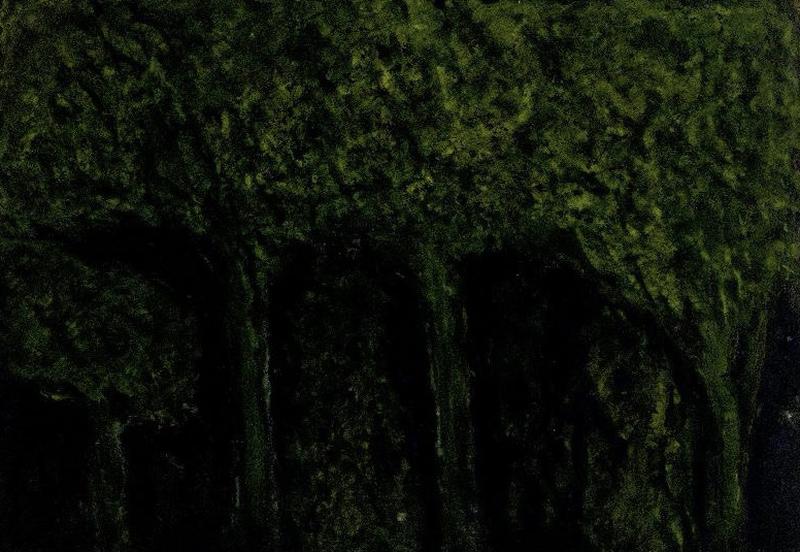
Cover Image: Rabindranath Tagore. Untitled (“Woodland”), 1935

Contributor