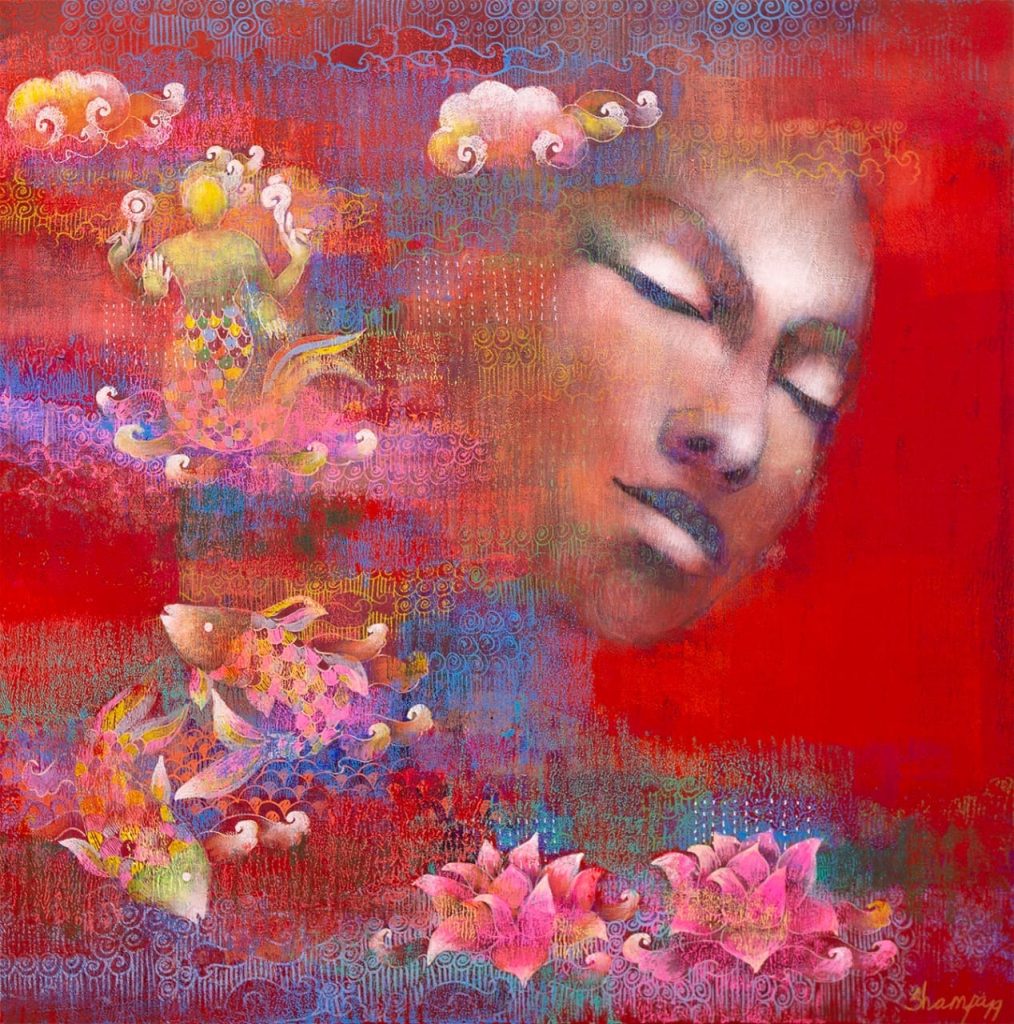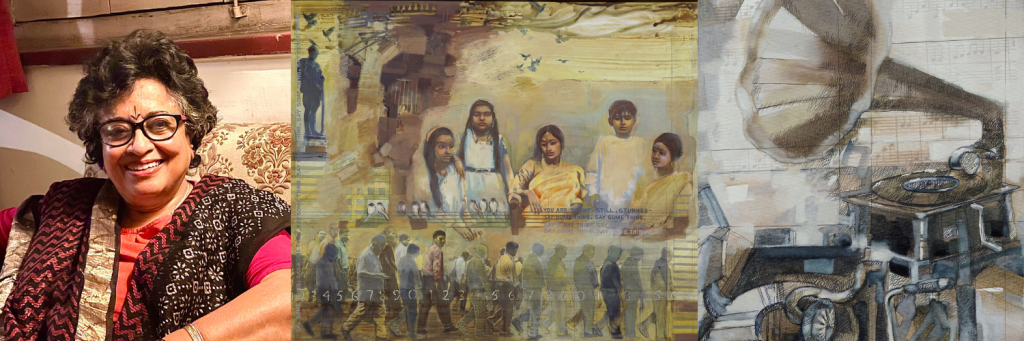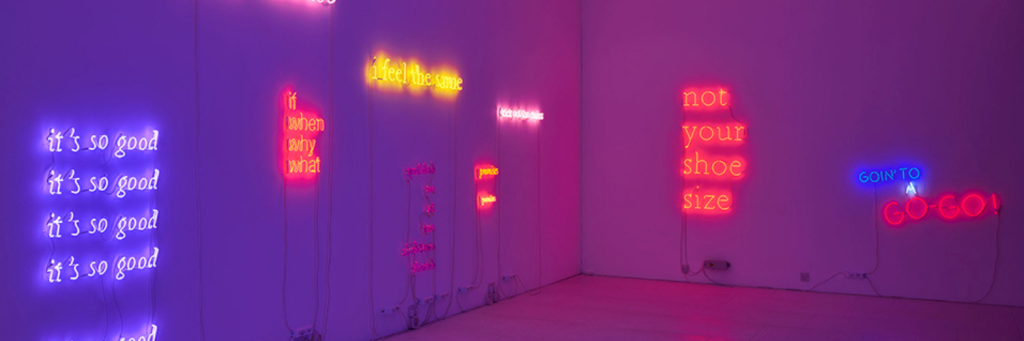
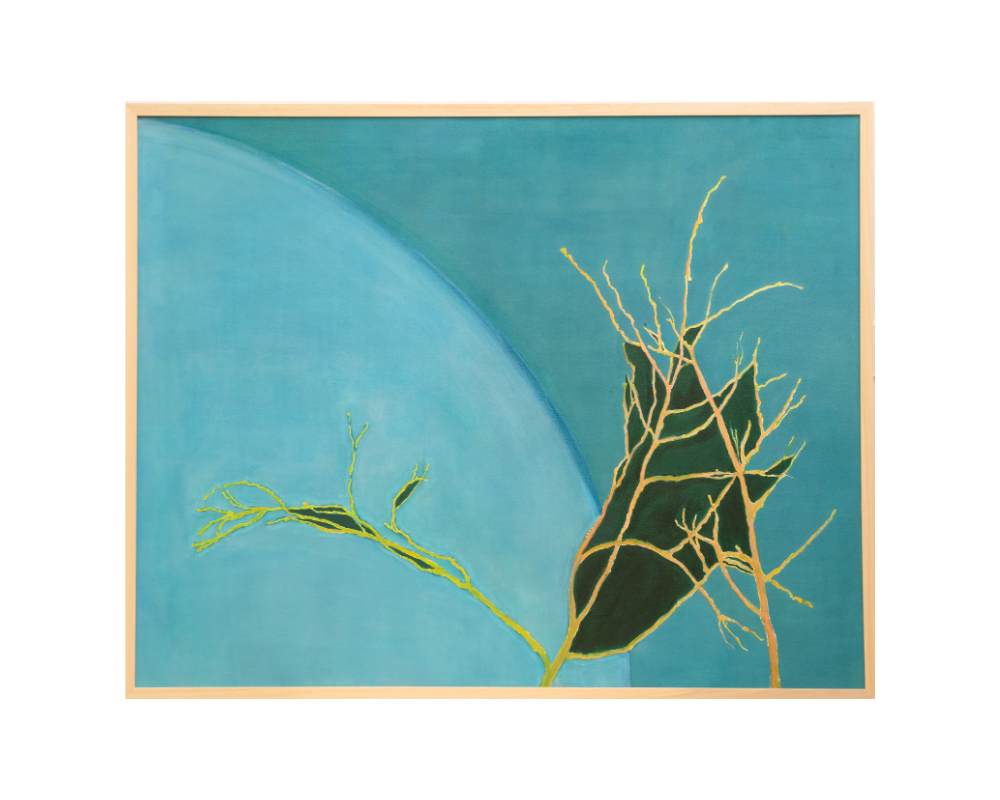
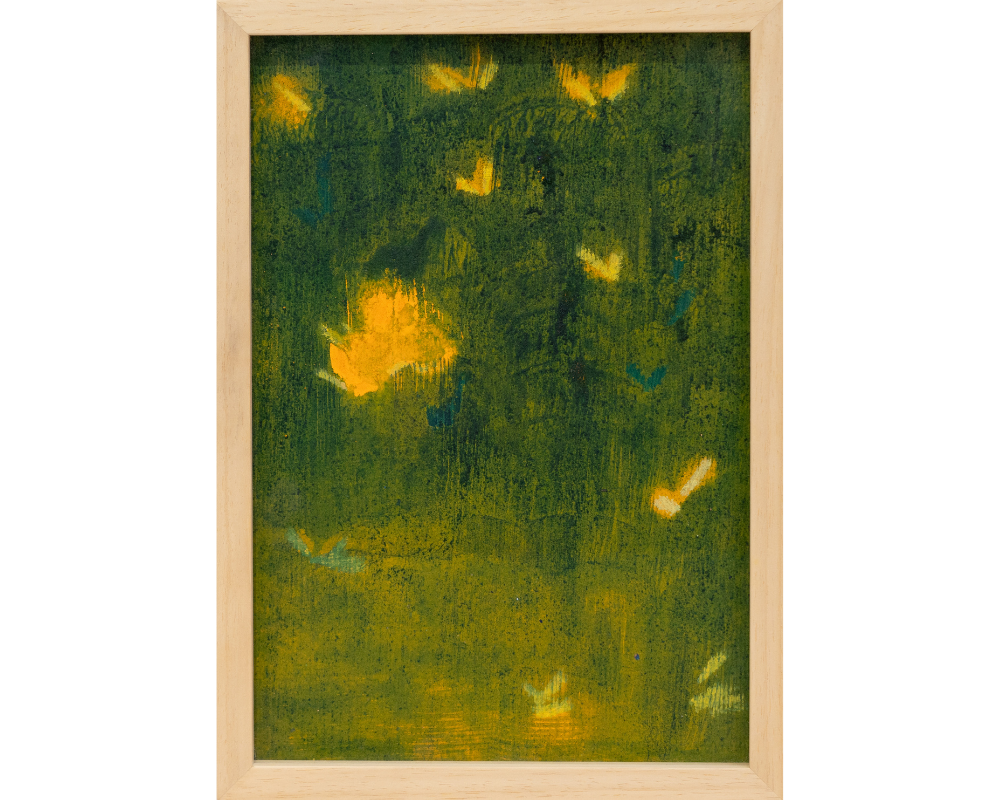
Shrine Empire is currently presenting a solo exhibition of UK-based multidisciplinary artist Ranjana Thapalyal, on view from December 3, 2025, to January 16, 2026. The exhibition brings together works that span several decades of her practice, tracing an artistic journey deeply attuned to questions of time, environment, and metaphysical reflection.
A sculptor, painter, writer, and educator, Thapalyal’s expansive career bridges India and the UK. Her art has taken many forms: ceramics, mixed media assemblages, painting, text, and collaborative performance, each responding to the shifting conditions of life and place. Across these media, she pursues an intuitive inquiry into the nature of being and transformation, grounding material practice in philosophical thought.
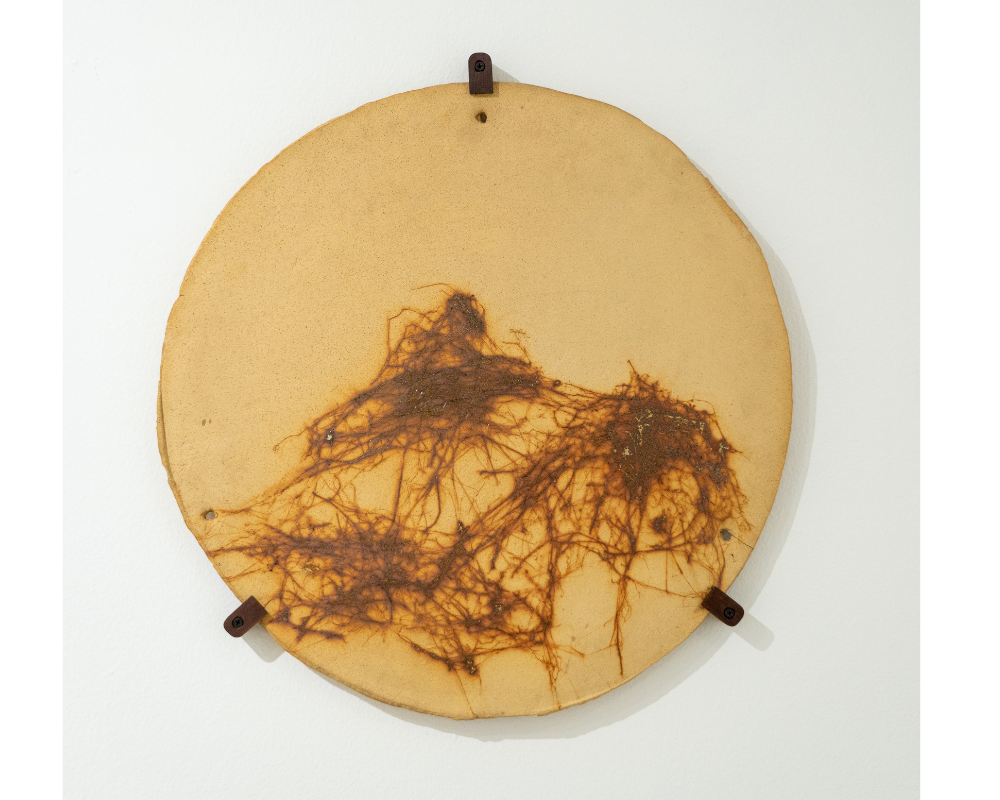
Having spent her early years in India, the U.S., and Switzerland, Thapalyal studied ceramics in England before returning to Delhi for her first solo show at the Lalit Kala Akademi in 1984. A series of important exhibitions followed through the 1980s, including presentations at Art Heritage, Cymroza Gallery, and Sakshi Gallery, alongside inclusion in such landmark platforms as the VIth Triennale-India (1987) and the IInd Biennial of Contemporary Indian Art, Bharat Bhavan (1988). Her work from this formative period was also featured in The Sculpted Image (Nehru Centre, 1987) and Indian Women Sculptors (NGMA, 1987), positioning her among the significant voices redefining form and material in Indian contemporary art.
After relocating to the UK, Thapalyal turned to painting—seeking, as she notes, to “recall the light and saturated colours” of India. Her paintings found recognition in several Whitechapel Opens in London during the 1990s. In 2000, she returned to India with Talacchanda – The Rhythm of the Plan, a body of work first shown at the British Council Gallery, New Delhi, before travelling to Edinburgh and Glasgow. An artist residency at the Burrell Collection, Glasgow in 2005 led to The Potter’s Mirror, a vital project combining her own sculptural explorations with community workshops and historical ceramics from the museum’s archives.
Her more recent projects include Sound-Seed, a continuing series of text-and-performance works delving into the sonic and linguistic dimensions of experience. Earlier iterations were commissioned by the Cooper Gallery, Dundee, and Platform, Glasgow, while the current version expands her longstanding interest in collaboration and cross-cultural dialogue.
Thapalyal’s art remains informed by her critical writing and pedagogical research, most notably her book Education as Mutual Translation: A Yoruba and Ancient Indian Interface for Pedagogy in the Creative Arts (Brill, 2018). Her recent contributions to Third Text Online, Art Monthly, MAP, and Nowness Asia reflect a continued engagement with the politics of learning and making.
Most recently, her ceramic sculpture featured in A Rising Tide: Women Artists in the Alkazi Collection, curated by Nancy Adajania at Art Heritage Gallery in October 2025, reaffirming her enduring presence within discourses of feminist artistic legacy.
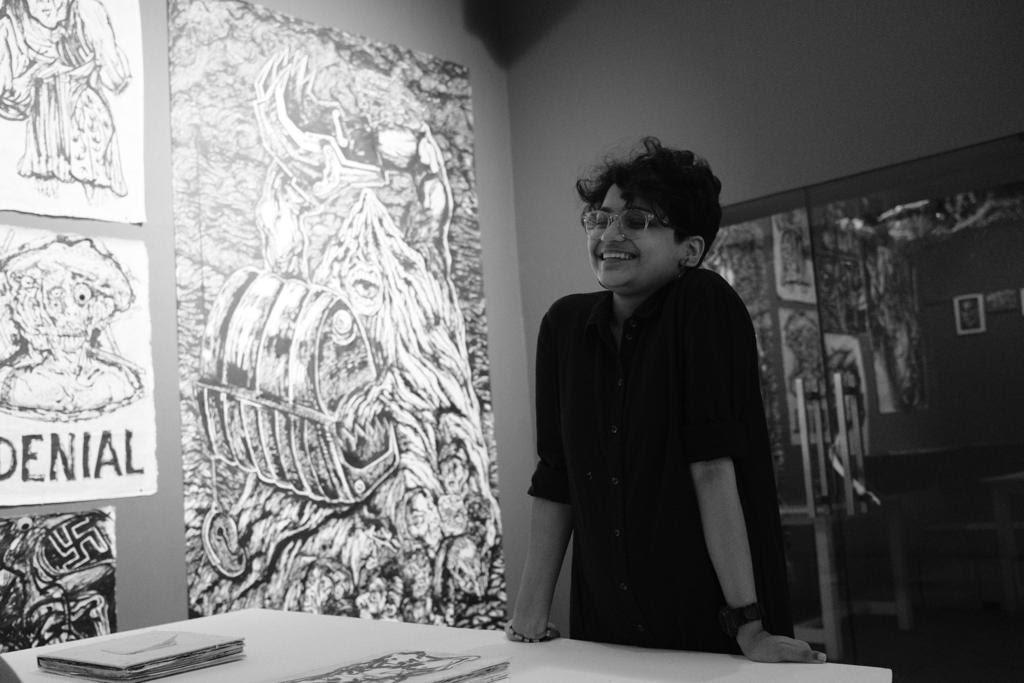
Athmaja Biju is the Editor at Abir Pothi. She is a Translator and Writer working on Visual Culture.