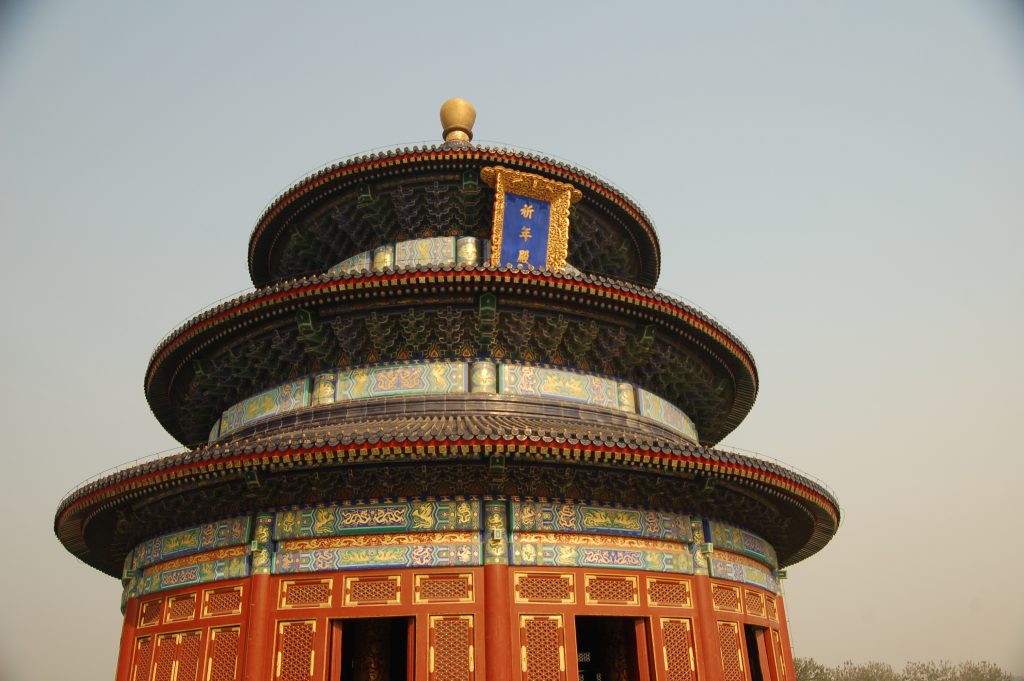
Beijing has been named the UNESCO–UIA World Capital of Architecture 2029, with UNESCO praising the city’s ability to fuse one of the world’s richest architectural heritages with a forward-looking vision for sustainable urban development.

The capital of the People’s Republic of China has been designated as the UNESCO–UIA (International Union of Architects) World Capital of Architecture 2029 by UNESCO Director-General Khaled El-Enany, following a recommendation from the Joint Committee for the World Capital of Architecture chaired by French architect Dominique Perrault. The title, announced in Paris, confirms Beijing as host city of the 30th UIA World Congress of Architects and positions it at the center of global debates on the future of cities.
UNESCO said Beijing was selected for its “exceptional ability to bring together one of the world’s richest architectural heritages with a forward-looking vision of sustainable urban development,” highlighting the city’s historic urban fabric, successful regeneration projects and vibrant architectural culture.
Heritage and innovation under “Back to Balance” theme
Under the theme “Back to Balance,” Beijing 2029 will promote architecture as a bridge between culture, nature and people, placing the relationship between historic preservation and contemporary urban growth at the heart of its year-long program. Exhibitions, conferences, educational programmes and public events will invite architects, planners, scholars and citizens to explore how the built environment can support more inclusive, sustainable and human-centred urban futures.
In a statement, El-Enany said UNESCO is confident that Beijing’s “extraordinary architectural heritage, dynamic urban transformation, and forward-looking vision will inspire new international dialogue on the power of architecture in improving people’s lives and safeguarding shared heritage for future generations.”
A city of layered architectural histories
Beijing’s designation reflects international recognition of its layered urban landscape, where imperial palaces and hutong alleyways coexist with monumental socialist-era boulevards and contemporary high-rise districts. UNESCO and UIA officials pointed to recent urban renewal initiatives and heritage conservation projects as evidence that the city is striving to reconcile historical protection with the demands of a rapidly modernising metropolis.
The year as World Capital of Architecture is expected to focus attention on how Beijing’s shifting skylines, major infrastructure projects and public-space transformations can be aligned with ecological goals and community needs, particularly as Chinese cities grapple with climate resilience, affordable housing and cultural continuity.
Role of the World Capital of Architecture program
Established jointly by UNESCO and the International Union of Architects, the World Capital of Architecture programme recognises cities that demonstrate the transformative role of architecture, urban planning, culture and heritage in advancing sustainable development. Every three years, the host city of the UIA World Congress is designated as the UNESCO–UIA World Capital of Architecture, committing to a broad calendar of cultural, educational and professional activities that engage the wider public in architectural issues.
Beijing follows Rio de Janeiro, which held the inaugural title in 2020, Copenhagen in 2023 and Barcelona in 2026, joining a growing network of cities that use architecture-focused programming to debate and shape urban futures.
Looking ahead to Beijing 2029
Preparations for the 2029 UIA World Congress of Architects are already underway, with preliminary information indicating provisional congress dates in June 2029 and early coordination between Chinese and international architectural institutions. As World Capital of Architecture, Beijing is expected to host dialogues on topics ranging from heritage conservation and adaptive reuse to green building technologies, public participation in planning and new models of culturally sensitive urban growth.
UNESCO and UIA officials say the 2029 programme will aim not only to showcase Beijing’s own architectural evolution but also to position the city as a platform for global collaboration on making cities more resilient, livable and balanced between past and future.

Contributor