Yayoi Kusama, the Japanese avant-garde artist whose obsessive dots, pumpkins and mirror rooms made her one of the most recognisable figures in contemporary art, has died at 97. Her studio announced on 27 August that she passed away on 14 August 2026 at a hospital in Tokyo; no cause of death was disclosed in the initial statement.
Kusama’s company, Yayoi Kusama Studio, said in a statement that until the end, Kusama “never put down her paintbrush”, continuing to explore what she called “eternal love and the soul”. She had lived for decades near the Seiwa Memorial Hospital in Tokyo, where she voluntarily resided and worked from an adjacent studio, maintaining an intense daily practice even as her global fame surged in her later years.
A life shaped by obsession and reinvention
Born in 1929 in Matsumoto, Nagano Prefecture, Kusama grew up in a conservative, middle-class family that opposed her artistic ambitions and pressured her to marry. From childhood she experienced vivid hallucinations of fields of dots and nets, visual phenomena that would become the basis of her signature “infinity nets” and polka-dot aesthetic.
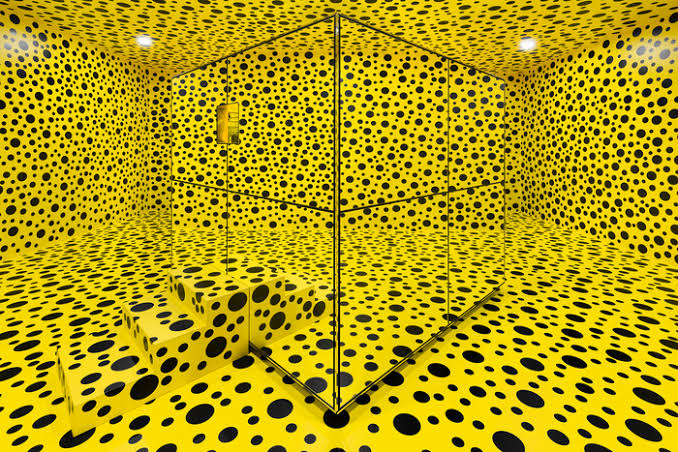
In 1957 she moved to the United States, first to Seattle and then to New York, where she became a central, if often under-credited, figure in the 1960s avant-garde scene. She staged provocative happenings and body-painting performances, produced large-scale dot paintings and soft sculptures, and created early immersive environments that prefigured today’s installation art. Despite her influence, she struggled for recognition and financial stability, and by the early 1970s returned to Japan, eventually checking herself into the psychiatric hospital where she would live and work for the rest of her life.
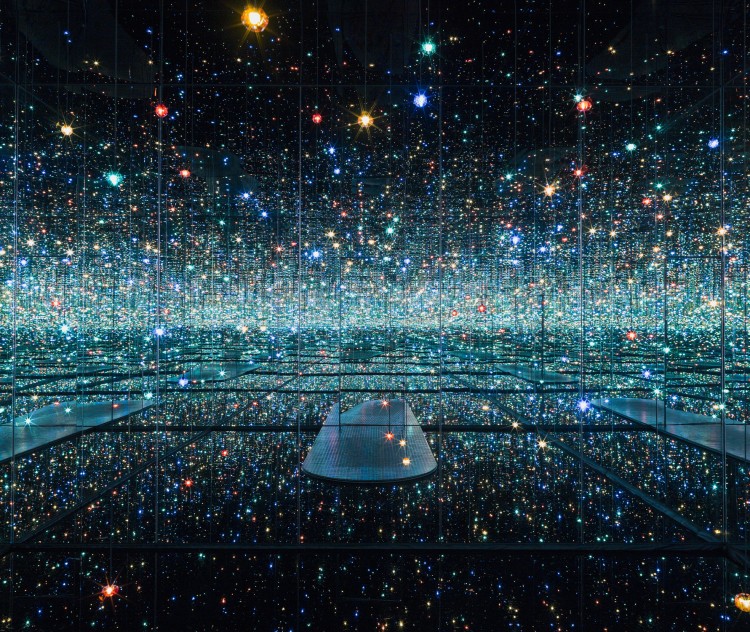
Her international breakthrough came much later, from the 1990s onward, as museums and collectors rediscovered her work and began mounting major retrospectives. The “Infinity Mirror Rooms” – small, mirror-lined chambers filled with lights, pumpkins or dots that create the illusion of endless space became global phenomena, drawing long queues and social-media frenzies wherever they were shown.
Signature motifs and global impact
Kusama’s visual language is instantly identifiable:
- Polka dots and infinity nets: Repetitive patterns that she described as a way to “self-obliterate” into the universe, dissolving the ego into endless fields of marks.
- Pumpkins: Rounded, dotted sculptures and paintings inspired by pumpkins from her childhood, which she saw as humble, comforting forms.
- Infinity Mirror Rooms: Immersive installations that turn viewers into part of an infinite, luminous environment, now among the most photographed artworks in the world.
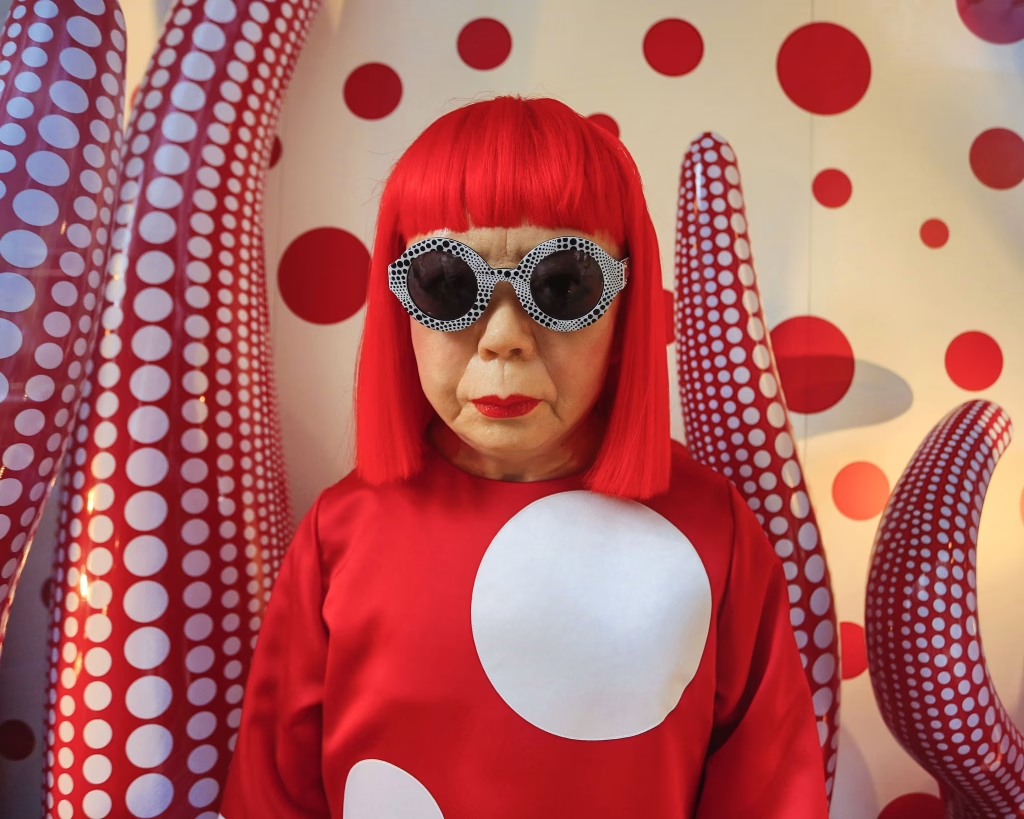
- Bright red wig and polka-dot clothing: A carefully crafted public persona that turned Kusama herself into a living artwork and brand.
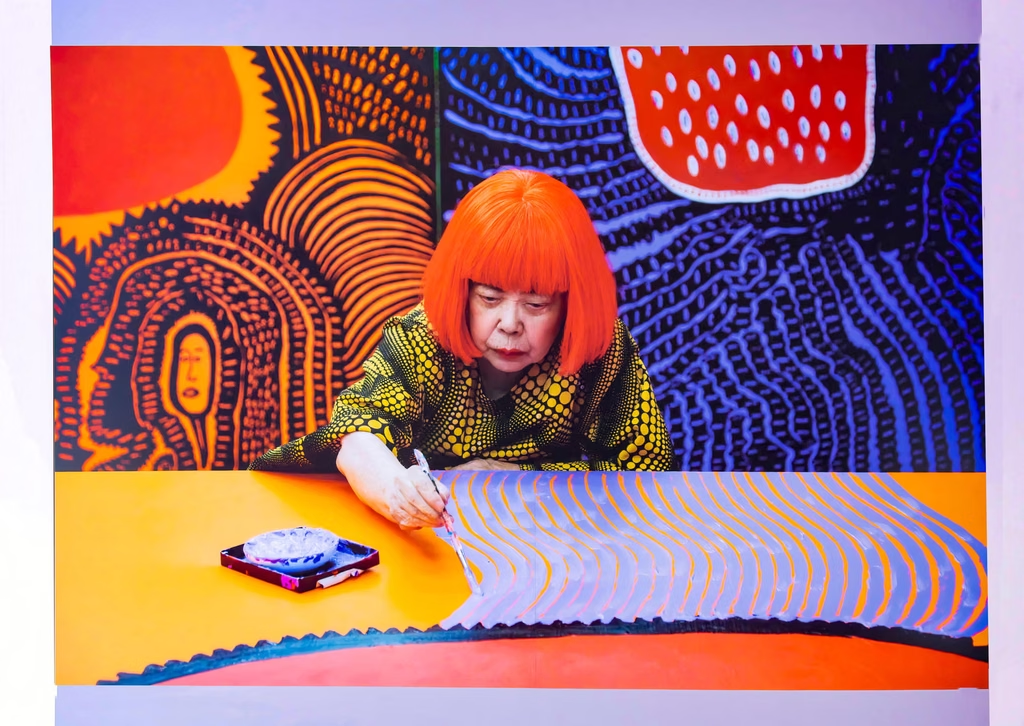
Her work has been shown in major museums across Asia, Europe and the Americas, and dedicated institutions such as the Yayoi Kusama Museum in Tokyo (opened in 2017) have cemented her status as a cultural icon. Commercially, she became one of the world’s best-selling artists, with her works fetching record prices at auction and her imagery appearing on everything from handbags to subway cars.
Athmaja Biju is the Editor at Abir Pothi. She is a Translator and Writer working on Visual Culture.