The Pirelli Calendar has always traded in fantasy, but its 2027 edition has outdone itself. This time, it is about looking more closely through India, via the gaze of Raghu Rai, one of the country’s most enduring image-makers, and his daughter Avani Rai, who steps into the project after his passing to carry forward an idea he had begun with Pirelli.

For the first time in The Cal’s history, the project is shaped by two perspectives at once: the international eye of Norwegian photographer Sølve Sundsbø and the deeply rooted visual inheritance of Raghu Rai, realised by Avani Rai. That duality gives the 2027 calendar its pulse. One lens looks from outside, with all the humility and astonishment of an outsider encountering a country too vast to flatten; the other looks from within, intimate with its streets, contradictions and rhythms.
India is not treated here as backdrop. It is the protagonist. The calendar gathers a cast that moves across cinema, music, poetry, fashion and photography — Freida Pinto, Anoushka Shankar, Padma Lakshmi, Lakshmi Menon, Bhavitha Mandava, Avantika Vandanapu, Rupi Kaur, Aditi Rao Hydari and Avani Rai herself through the lense of Sølve Sundsbø.
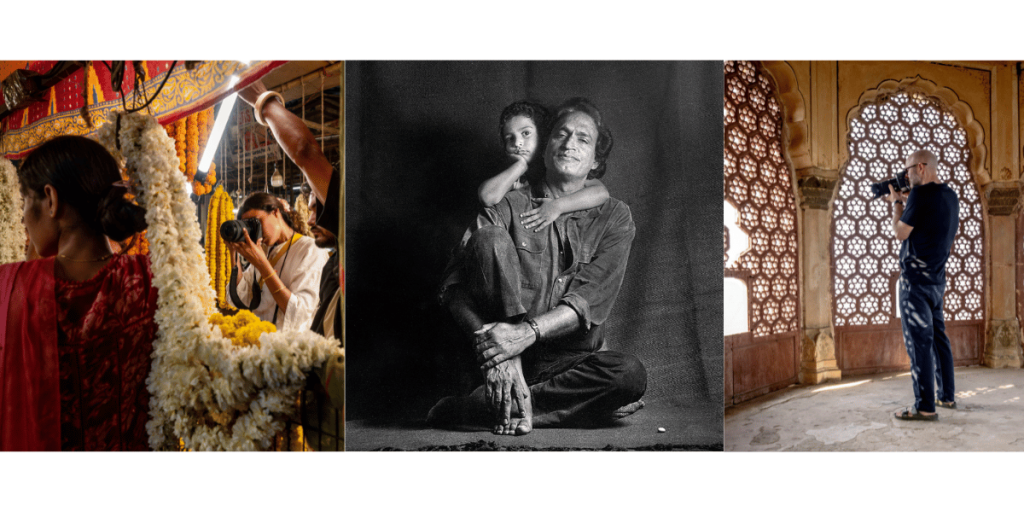
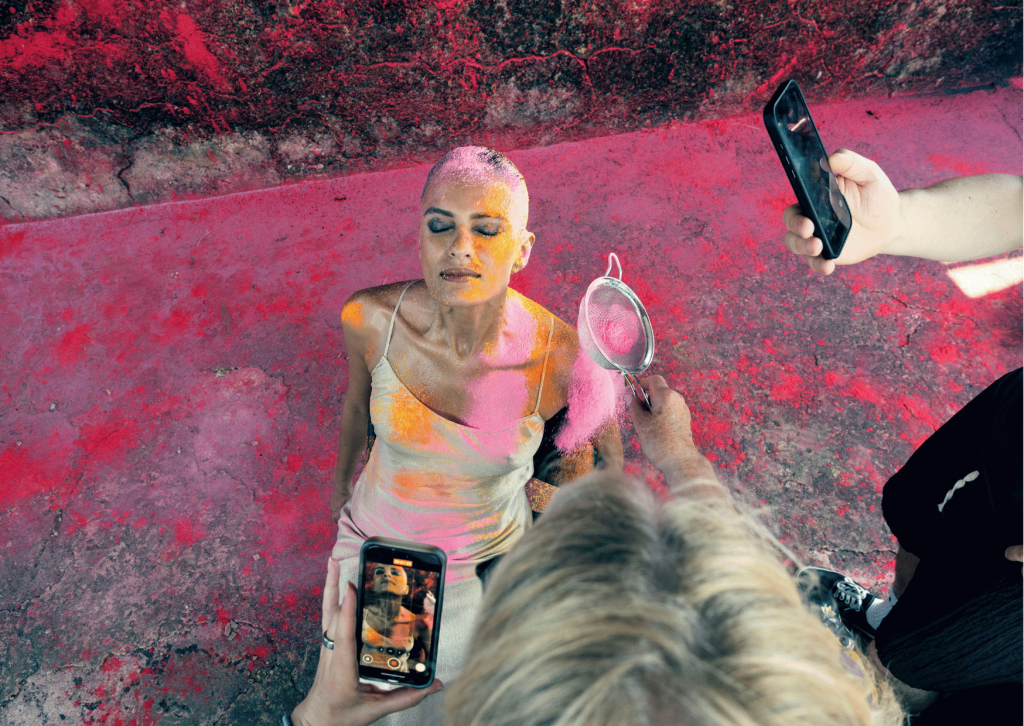
Sundsbø’s images, made in Rajasthan between Jaigarh Fort and Ajabgarh, are portraits shaped by colour, light and visual richness, resisting any simplistic reading of the country. There is a deliberate awareness of the risk of cliché, and yet also a willingness to work with what India offers visually: intensity, ornament, flowers, shadow, scale, contrast.
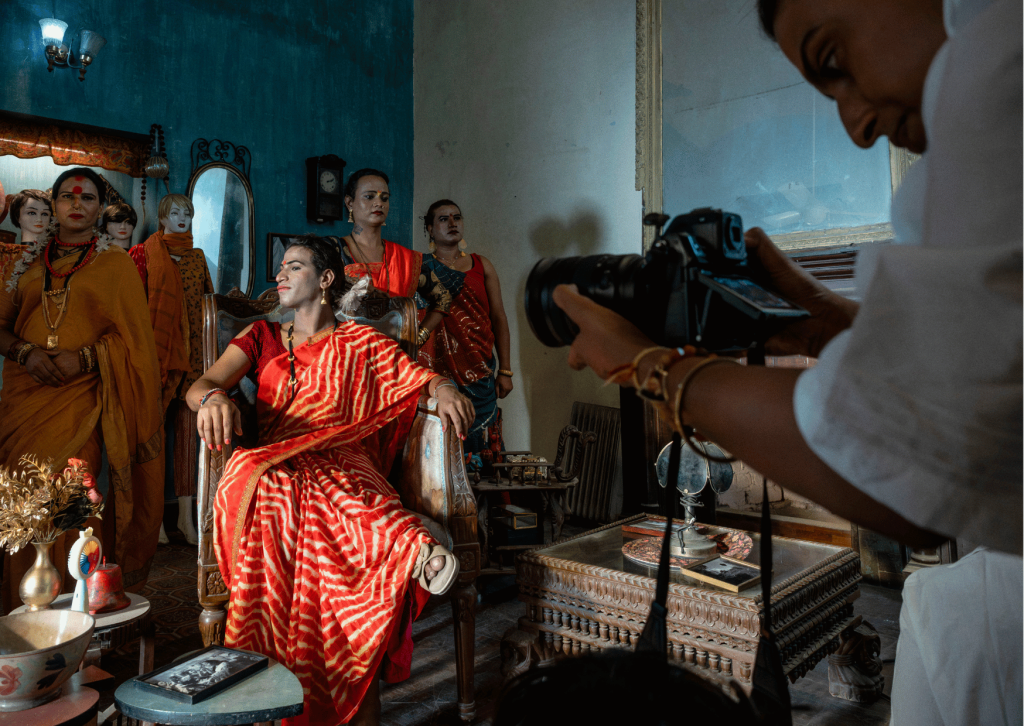
Avani Rai’s contribution shifts the register. She takes her father’s unfinished vision into the streets of Old Delhi, where Raghu Rai spent a lifetime photographing the country as lived reality. His archive becomes backdrop, frame and companion to the present tense of the city.
That emotional undercurrent gives the project its strongest note. Avani Rai describes the experience as standing behind her father’s frame, photographing the world beside him, and allowing the past and present to coexist without being collapsed into one another. In her hands, the calendar becomes a way of staying close to her father while also refusing to freeze his legacy in nostalgia.
This edition understands India as something that cannot be reduced to a single image. It is forts and streets, water and flowers, performers and labour, glamour and density, public life and private inheritance. The calendar does not claim to settle the question of representation. Instead, it lingers inside it, looking again and again until something truer begins to appear.
Cover image credit: Image 1 and 3: Alessandro Scotti
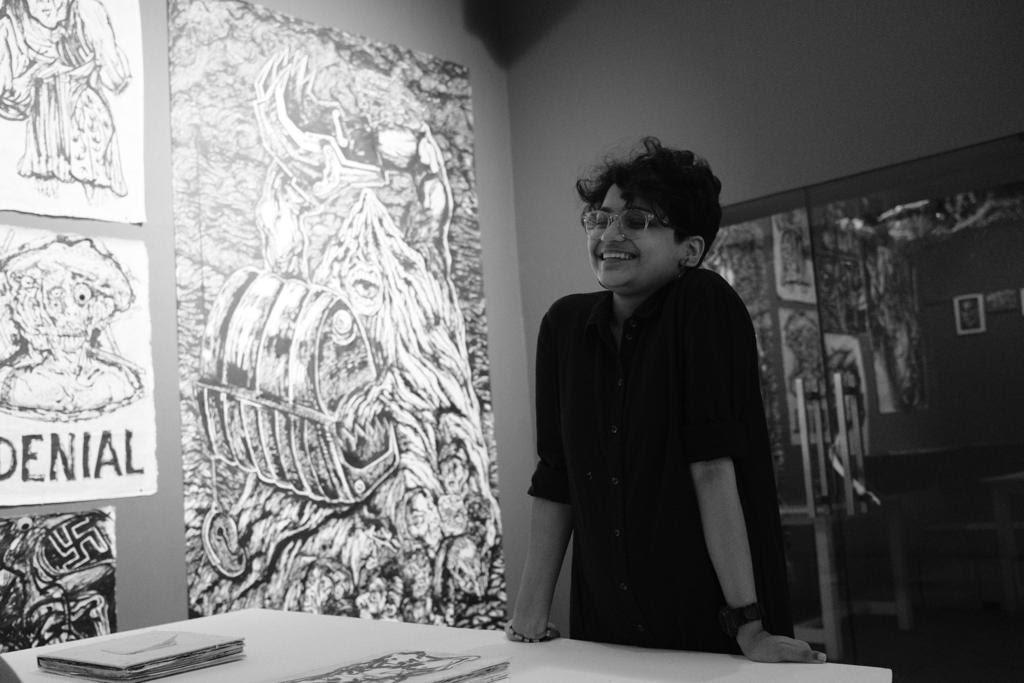
Athmaja Biju is the Editor at Abir Pothi. She is a Translator and Writer working on Visual Culture.