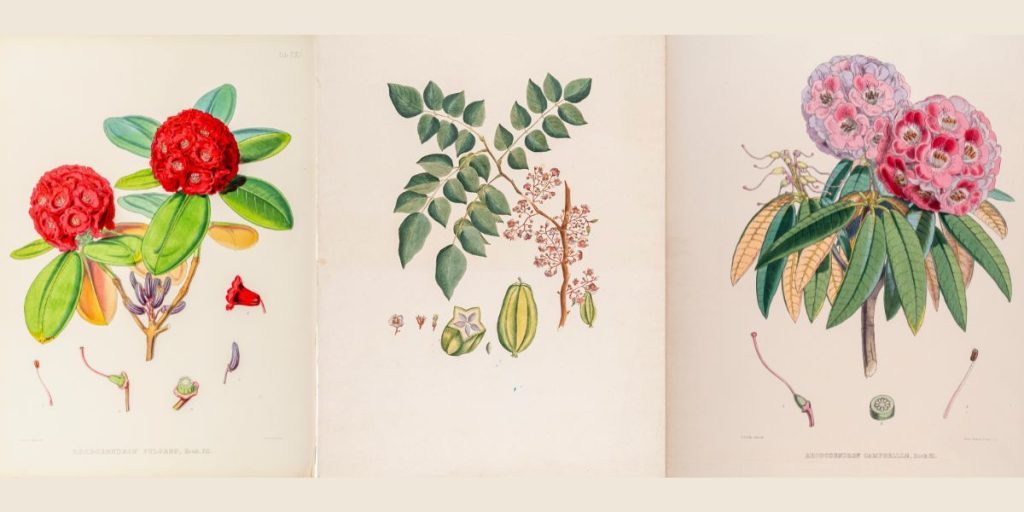
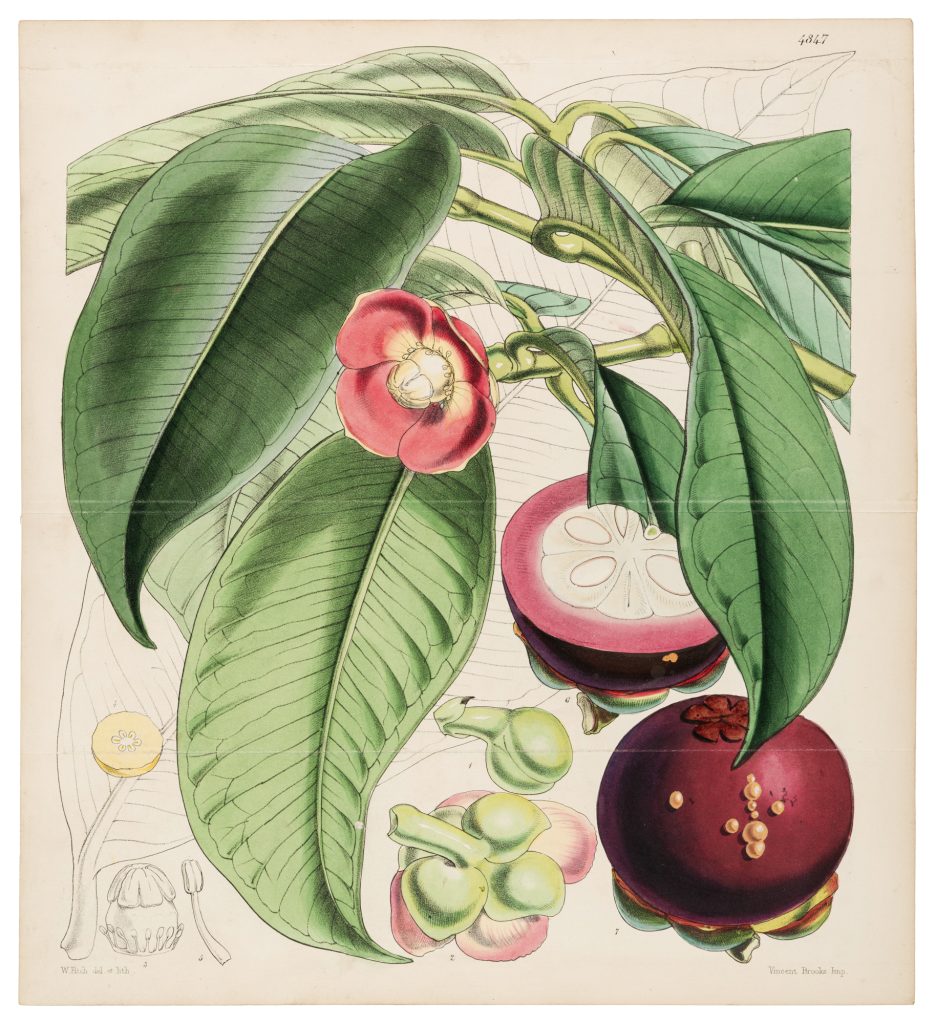
The Museum of Art & Photography (MAP) in Bengaluru is set to unveil Paper Gardens: Art, Botany, and Empire, a major exhibition exploring the intertwined histories of art, science, and empire through botanical illustrations from the 17th to 20th centuries. Opening on March 7, 2026, and running until July 5, 2026, the exhibition presents over 120 rare works that trace how India’s flora was observed, documented, and aestheticized across eras of exploration and colonial expansion.

Curated by Shrey Maurya, Research Director at Impart, Paper Gardens represents the first institutional survey of botanical illustration from the Indian subcontinent at this scale. The show has been developed through a sustained collaboration between MAP and Impart, both under the Art & Photography Foundation, Bengaluru.
The exhibition brings together paintings, textiles, prints, and illustrated volumes from MAP’s own collection, along with loans from major international holdings including the Linnean Society (UK), Wellcome Collection (UK), Oak Spring Garden (USA), and the Missouri Botanical Garden (USA). Central to the display are newly acquired works by Indian artists who once produced precise plant renderings for British East India Company officers and naturalists, figures long omitted from conventional art histories.
“Paper Gardens reexamines the long-obscured contributions of indigenous gardeners, collectors, and artists who made these archives possible,” said Maurya. “It is the beginning of what we hope will be a fruitful research journey into recovering these essential stories.”
The exhibition also situates the narrative in Bengaluru’s own environmental and historical context. Known as India’s “Garden City,” the city’s landscape and its storied Lalbagh Botanical Garden which transformed from a Mughal-inspired garden under Hyder Ali and Tipu Sultan to a key colonial horticultural site, form a natural counterpart to the exhibition’s themes. Visitors will find archival photographs of Lalbagh alongside contemporary works by Bengaluru-based artists engaging with the city’s changing ecology.
Accompanying the exhibition is a publication titled Paper Gardens, featuring essays by art historian Holly Shaffer, botanist and curator Dr. Henry Noltie, and writer Sumana Roy.
Housed in a state-of-the-art building designed by Mathew & Ghosh, MAP continues to expand its interdisciplinary programming focused on accessibility, scholarship, and public engagement. With Paper Gardens, the museum reinforces its mission to connect art and history to contemporary cultural dialogues – cultivating new ways of seeing India’s environmental and artistic past.
Cover image: IMAGE 1 | Rhododendron fulgens, Hook.fil. | The Rhododendrons of Sikkim-Himalaya | Author & Artist: Joseph Dalton Hooker | Lithographer: Walter Hood Fitch | 1849 | Hand-coloured lithograph/ IMAGE 2 | Averrhoa carambola | From a series of watercolours made at the Government School of Art, Calcutta | Late 19th century | Watercolour on paper & IMAGE 3 | Rhododendron campbelliae, Hook.fil. | The Rhododendrons of Sikkim-Himalaya | Author & Artist: Joseph Dalton Hooker | Lithographer: Walter Hood Fitch | 1849 |Hand-coloured lithograph
Athmaja Biju is the Editor at Abir Pothi. She is a Translator and Writer working on Visual Culture.