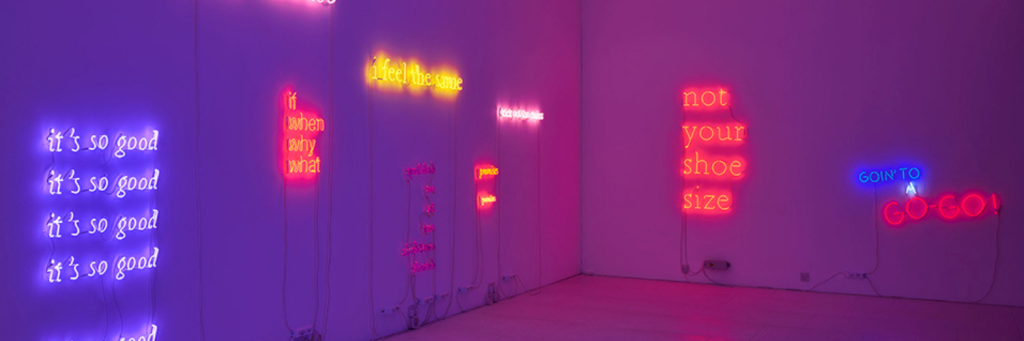
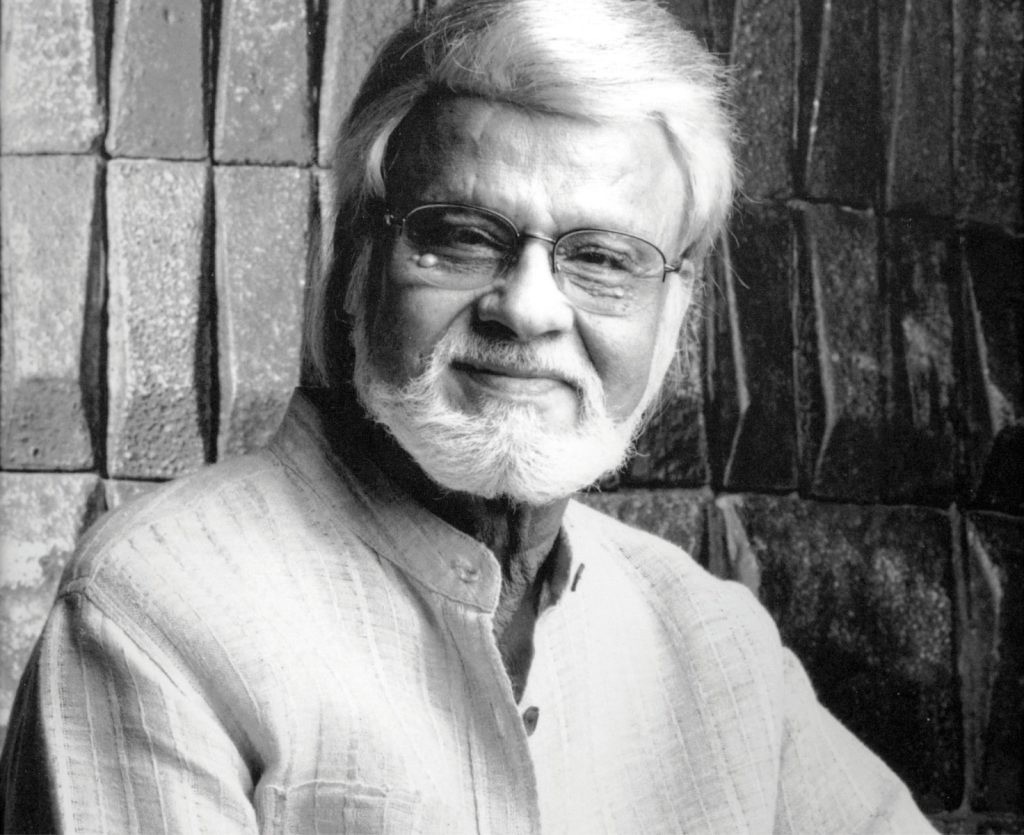
The Gujral House in Lajpat Nagar, long a significant landmark in Delhi’s cultural landscape, opens its doors this weekend with Satish Gujral 100 | World of Architecture, an architectural retrospective that turns the late modernist’s own home into a lens on his built legacy. Curated by New Delhi–based curator and scenographer Reha Sodhi, the exhibition runs from January 31 to March 15, 2026, with a preview on January 30, as part of a wider centenary year programme honouring Satish Gujral’s multi-disciplinary practice in painting, sculpture, murals and architecture.

House as archive
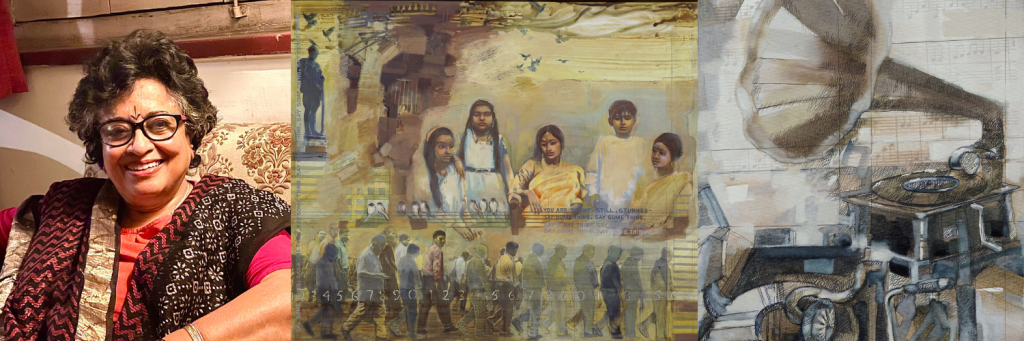
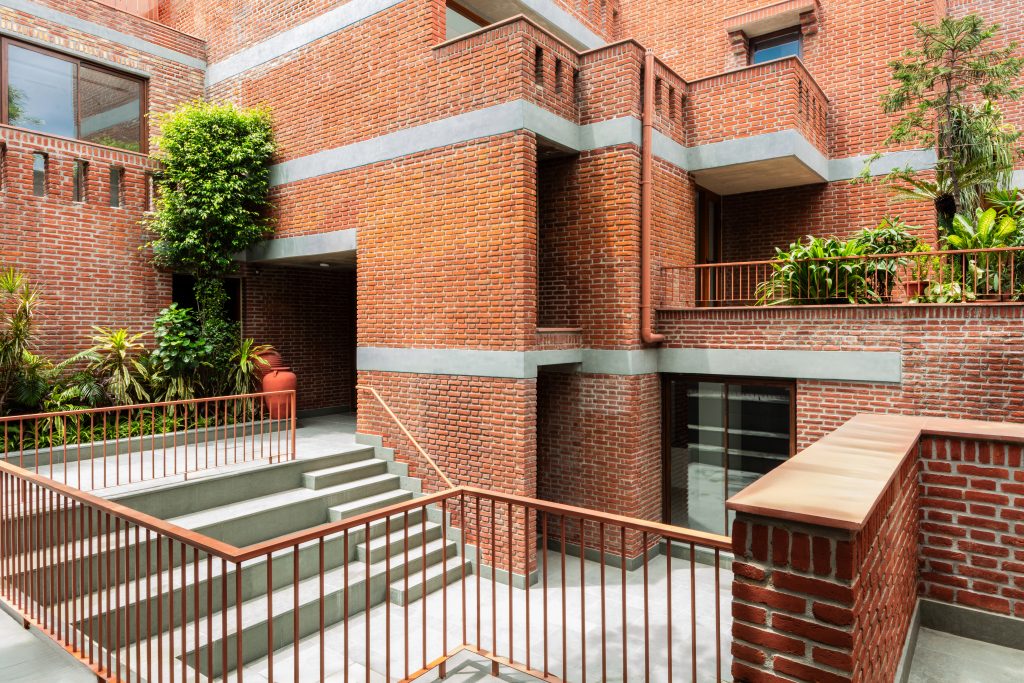
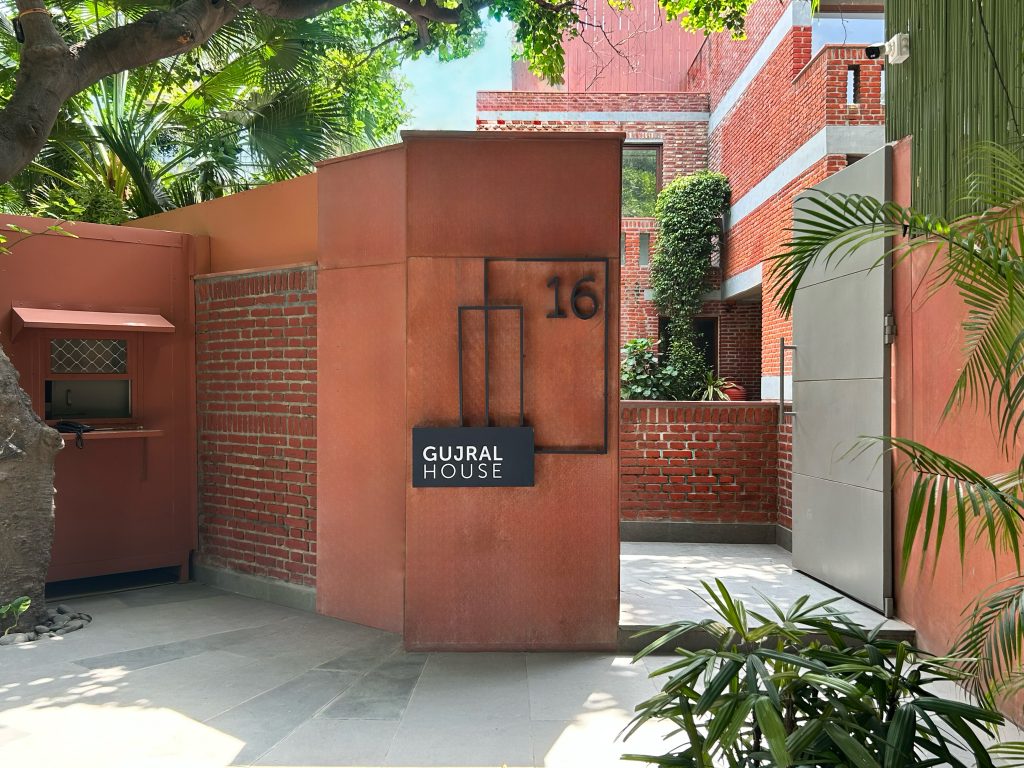
The red-brick Gujral House at 16, Firoze Gandhi Road, designed and constantly reworked by Gujral himself, now doubles as exhibition and exhibit, with each room devoted to a key architectural project, from the Embassy of Belgium in New Delhi to Ambedkar Memorial in Lucknow. Archival drawings, models, photographs and early mixed‑media metal works are placed in dialogue to show how the artist’s sculptural vocabulary migrated into built form.
“For me, this house is not a neutral container,” says curator Reha Sodhi. “It is the first and most intimate sketch of Gujral’s architectural thinking — a place where walls were moved, levels shifted and spaces reimagined in response to life, not just design.” “Using the house as a frame allows visitors to feel how his buildings were conceived as living forms, not static monuments.”
Architecture as living sculpture
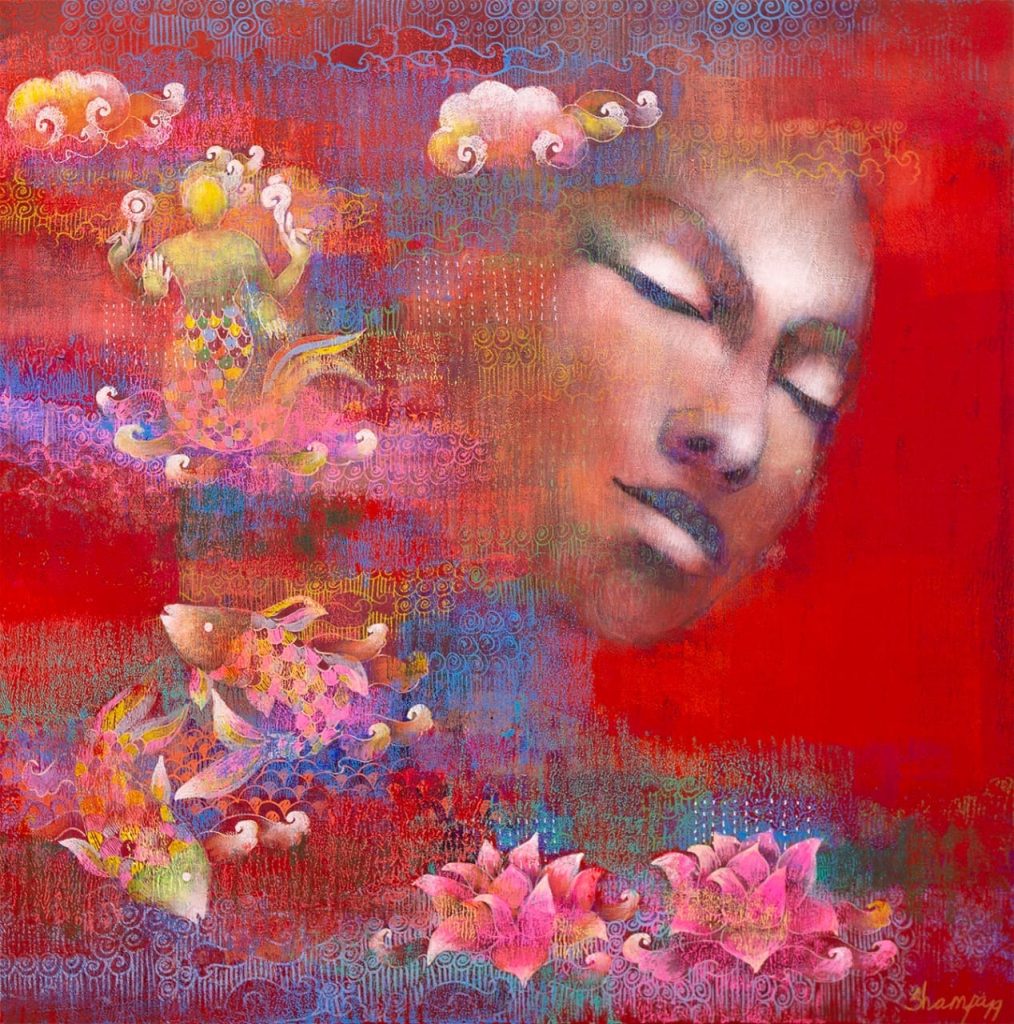
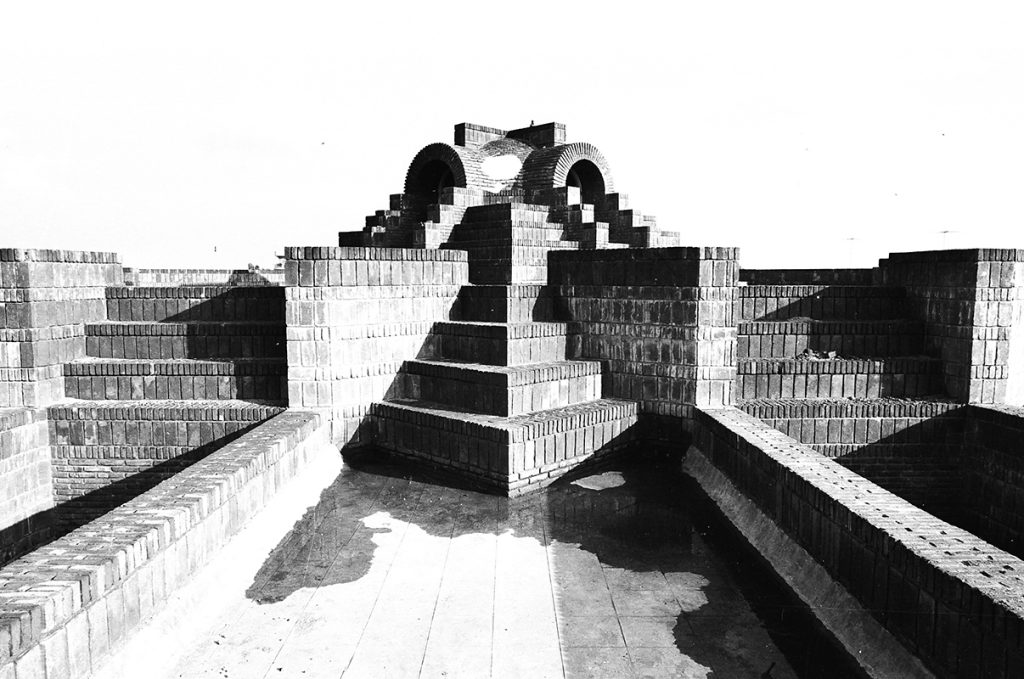
Gujral, who lost his hearing in childhood and later trained at the Mayo School of Art in Lahore and Sir J.J. School of Art in Bombay, carried into architecture a deeply tactile, intuitive approach shaped by his work as a painter and sculptor. His apprenticeship in 1952 at the Palacio Nacional de Bellas Artes in Mexico, under Diego Rivera and David Alfaro Siqueiros, exposed him to architecture emerging from muralism and strengthened his belief that buildings could function as large‑scale, inhabitable sculptures.
“In Gujral’s work, you feel architecture being modelled like clay,” Sodhi notes. “He draws from Hindu, Islamic and Buddhist traditions, from craft, from the raw memory of Partition, and from Mexican muralism, to create spaces that carry rhythm, weight and emotion.” “We wanted the exhibition to foreground this sense of architecture as a kind of sculpture you walk through — where light, brick, stone and ceramic are all part of a choreographed experience.”
A centenary mapped across the city
The show at Gujral House runs parallel to a major centenary retrospective at the National Gallery of Modern Art, New Delhi, which charts the artist’s journey from early Partition paintings to later experiments in sculpture and public art. Together, the two exhibitions mark 2025–26 as a defining moment in how Indian institutions and audiences revisit Gujral’s contribution to shaping a modern visual language for the nation.
“This centenary is not about nostalgia,” Sodhi emphasizes. “It is about asking what it means, today, to think across disciplines the way Gujral did — to imagine cities where art, architecture and everyday life are not separate conversations.” “By opening his home as a public, evolving space, we hope to keep that spirit of experimentation alive for a new generation of artists, architects and citizens.”
All images courtesy of Gujral foundation.
Athmaja Biju is the Editor at Abir Pothi. She is a Translator and Writer working on Visual Culture.