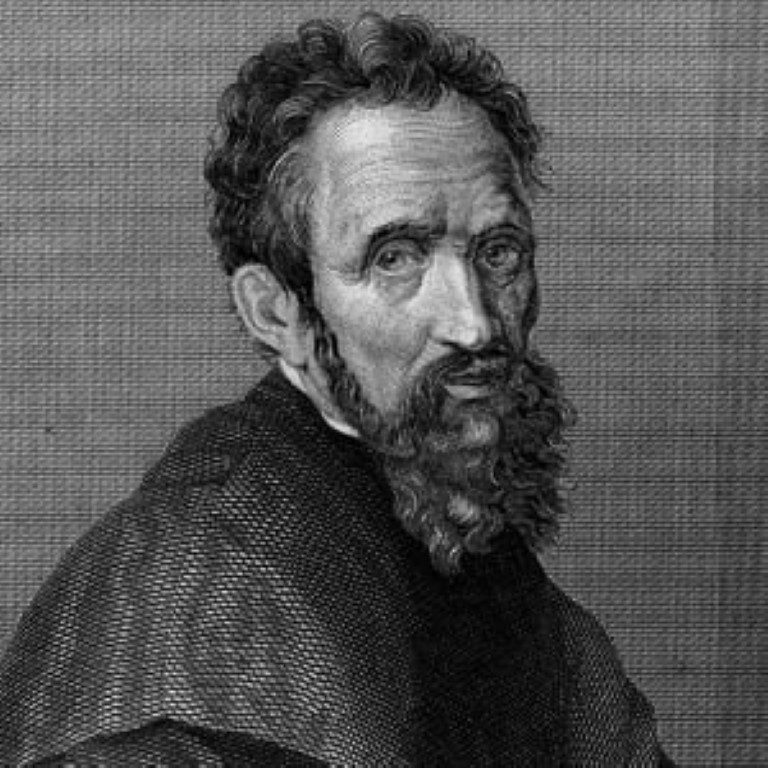
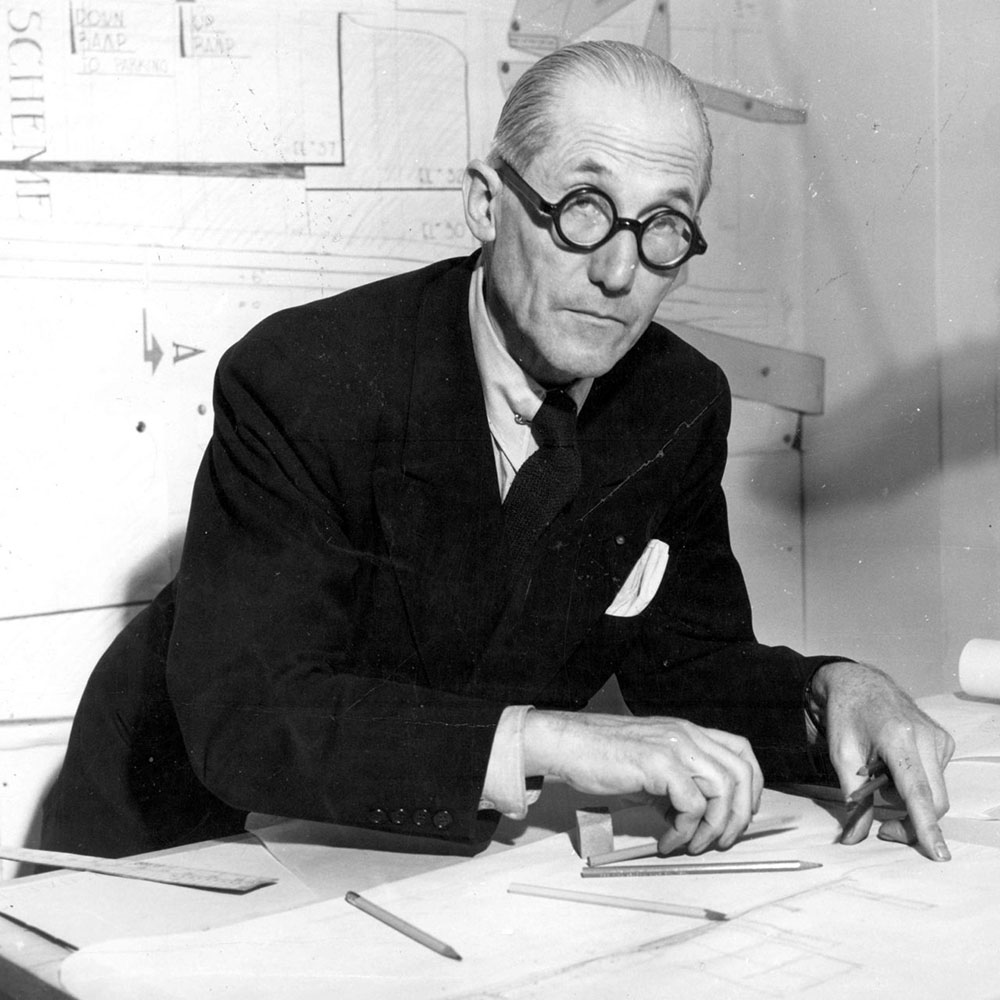
Born on October 6, 1887, Le Corbusier was one of the most influential architects of the 20th century. In India, his most enduring legacy is Chandigarh, a city conceived as a symbol of a new, modern India.
Born Charles-Édouard Jeanneret-Gris in Switzerland, Le Corbusier became a leading figure of modernist architecture, known for his emphasis on functionality, geometry, concrete and open spaces. His ideas extended beyond individual buildings to the planning of entire cities. Following India’s Partition in 1947, Punjab needed a new capital. Chandigarh was envisioned as a modern city that could represent the aspirations of an independent nation. In 1951, Le Corbusier was brought in to develop the city’s master plan, working alongside architects including Pierre Jeanneret, Jane Drew and Maxwell Fry, as well as several Indian architects and planners.
Le Corbusier organised Chandigarh into a grid of self-contained sectors, connected by a hierarchy of roads. Green spaces, markets, residential areas and public institutions were carefully integrated into the plan.
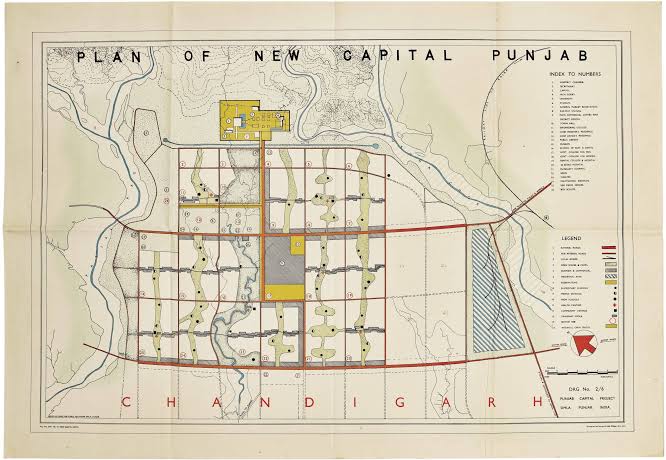
At the heart of the city stands the Capitol Complex, comprising the High Court, Legislative Assembly and Secretariat. Its monumental concrete forms, dramatic shadows and geometric structures became defining examples of Le Corbusier’s modernist vocabulary in India. The complex also includes the iconic Open Hand Monument, symbolising the idea of giving and receiving.
Chandigarh was also an important evolution in Le Corbusier’s practice. His European ideas of modernism were adapted to India’s intense sunlight and climate through deep overhangs, sunshades and brise-soleil, creating architecture that was both monumental and responsive to its environment.
In 2016, the Capitol Complex became part of the UNESCO World Heritage property “The Architectural Work of Le Corbusier, an Outstanding Contribution to the Modern Movement.”
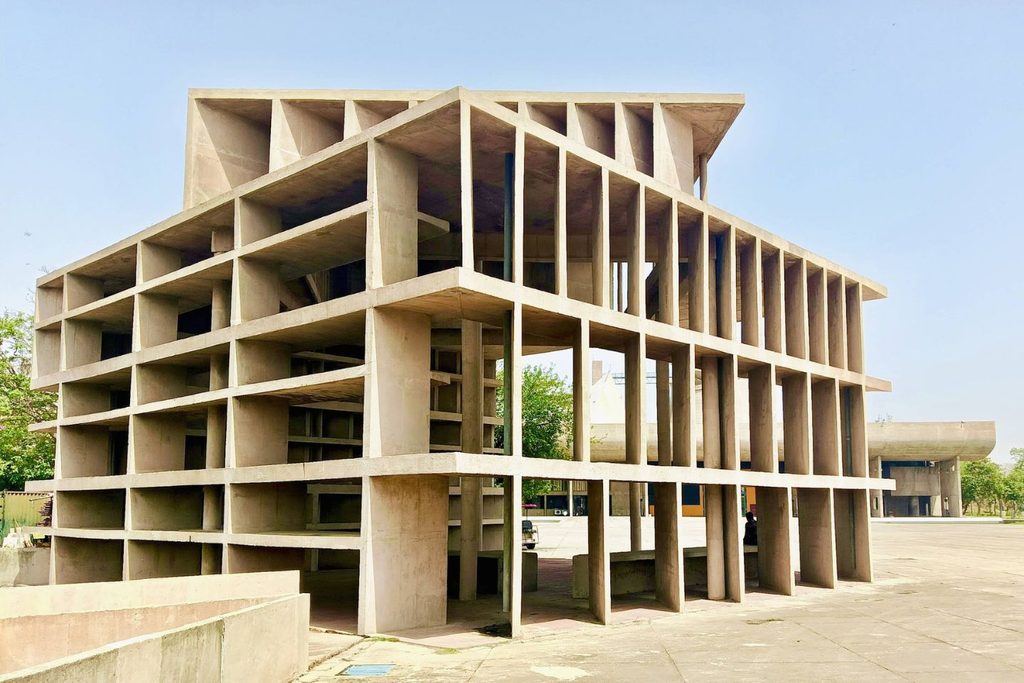
More than seven decades later, Chandigarh remains one of India’s most distinctive planned cities—a lasting experiment in how architecture and urban planning can shape not just buildings, but the identity of an entire city.
Featuring Image Courtesy: Nemo Lighting
Minerva is a visual artist and currently serves as a sub editor at Abir Pothi.