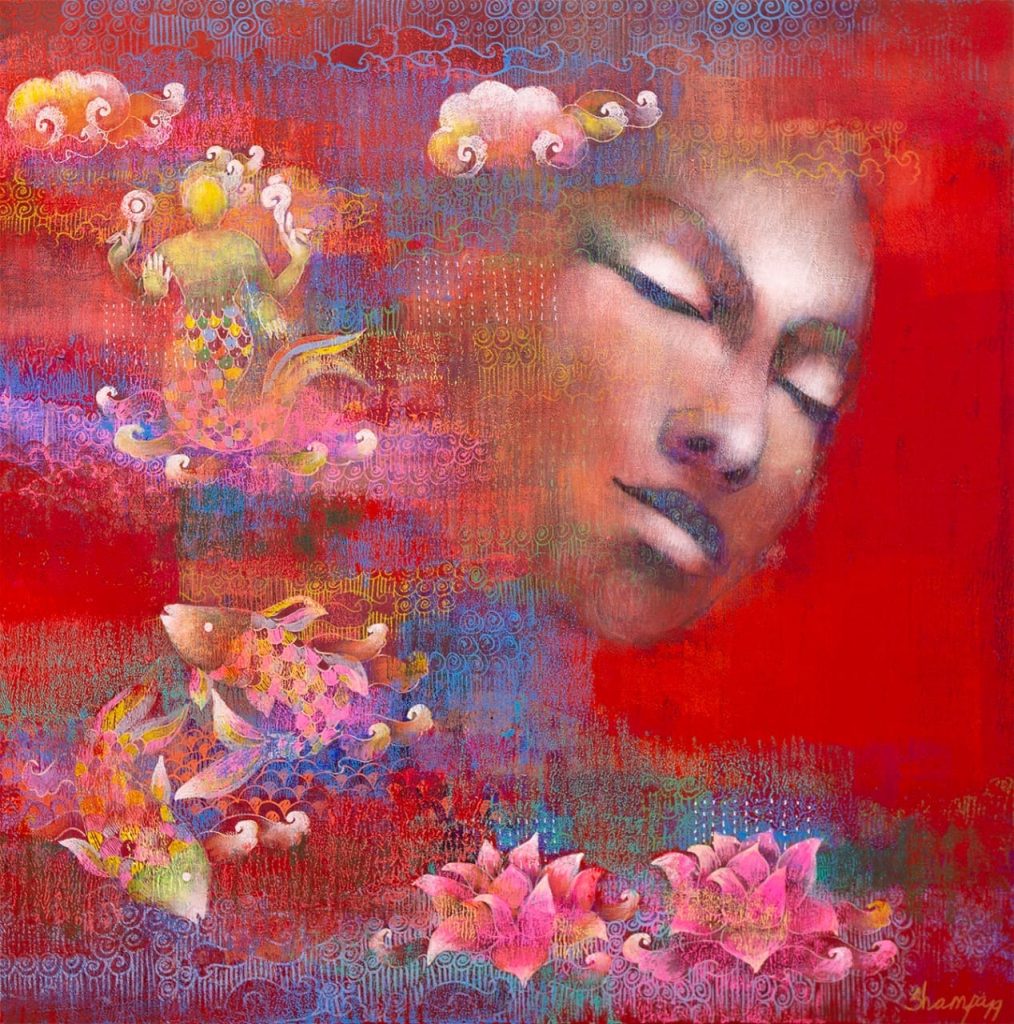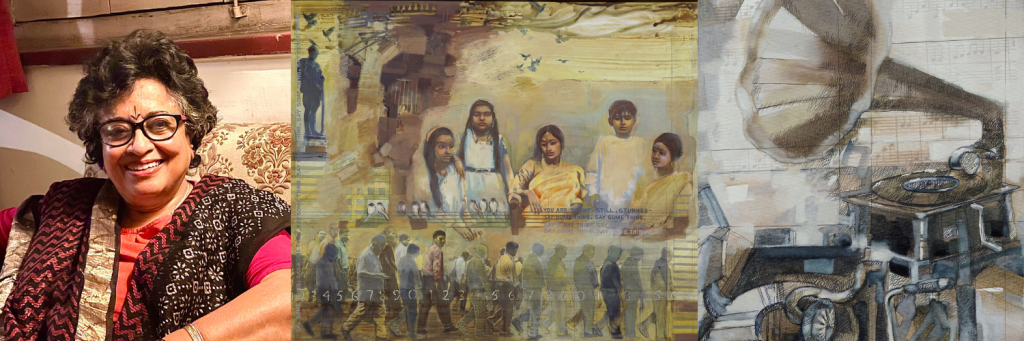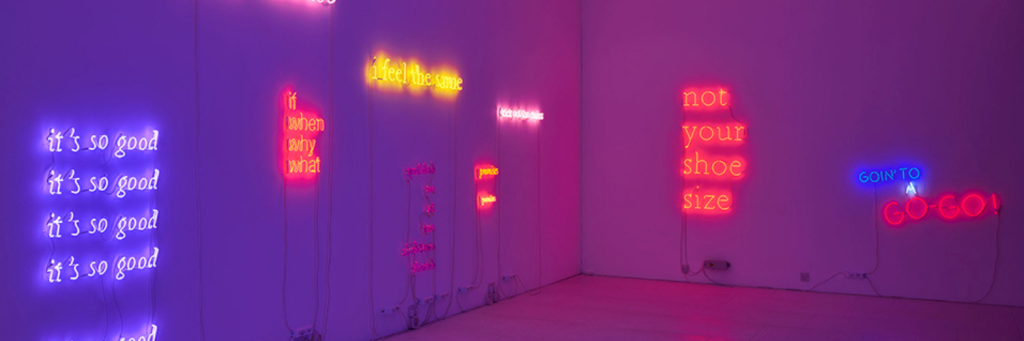
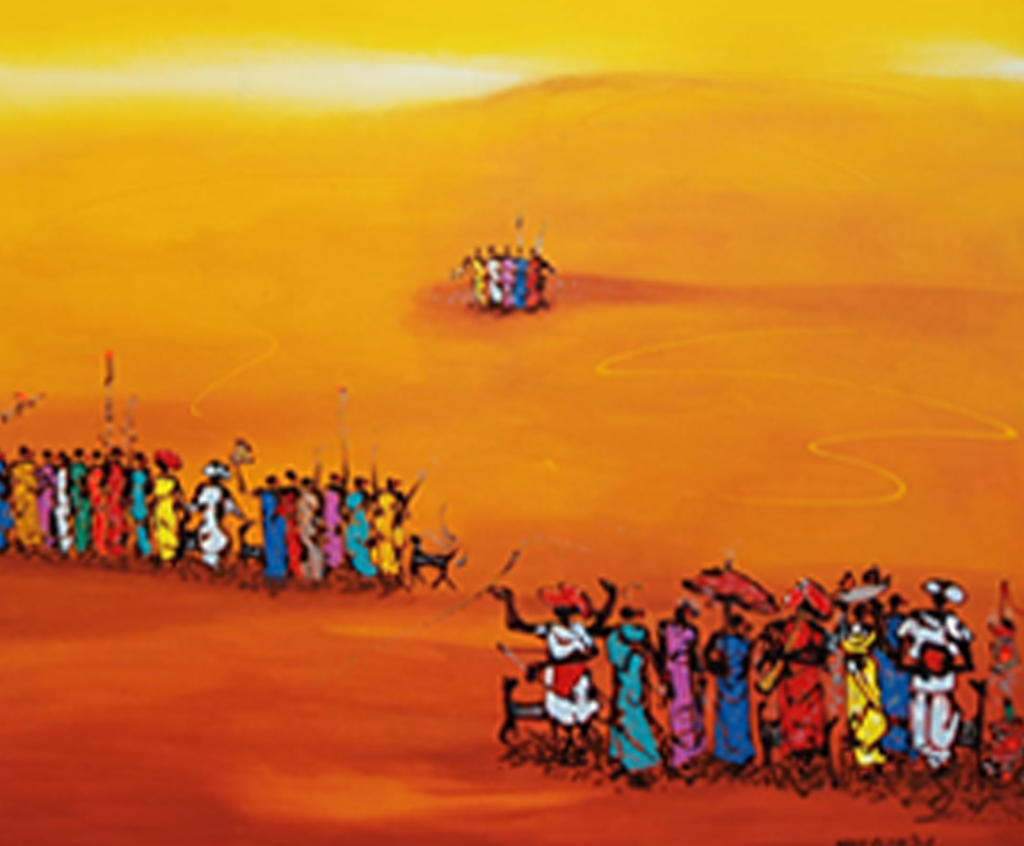
A travelling exhibition that moves like an unfolding story, Kala Setu by Gallery Fankaar, Ujjain, brings together the artistic sensibilities of Telangana and Madhya Pradesh into one evolving showcase. The show Opened at Kalidas Akademi from January 31 to February 4, before travelling to Indore’s Devlalikar Kalavithika (February 13–15) and finally is on it’s way to Hyderabad’s Chitramayee State Art Gallery (March 18–22). The exhibition is an intriguing experiment in shared vision and regional dialogue.

Curated by artist and art historian Koeli Mukherjee Ghose, Kala Setu rejects the idea of art as static. Instead, it imagines a living exhibition that gathers new meanings as it travels. “It isn’t a single exhibition but a movement,” writes Mukherjee Ghose in her curatorial essay. “Each venue becomes a site of translation—what is seen in one city is remembered differently in another.”
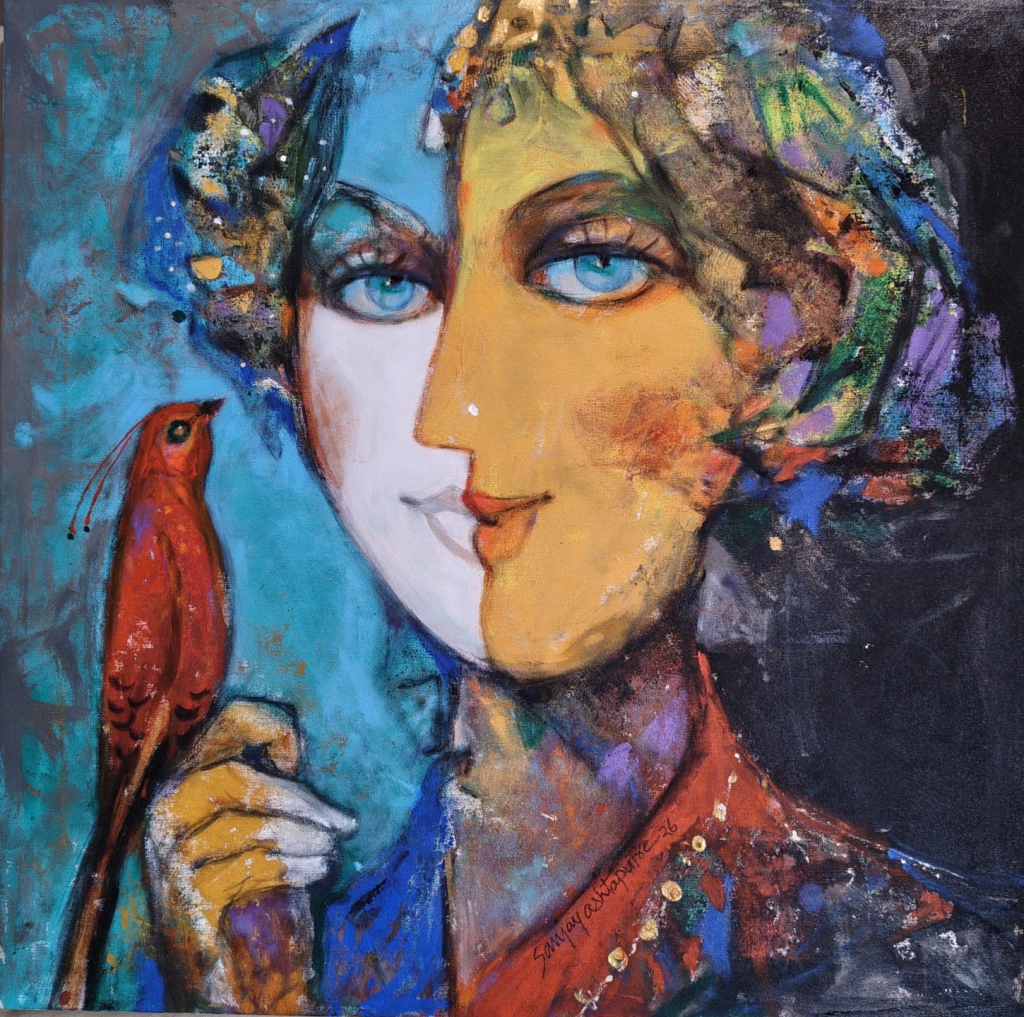
Organised by Gallery Fankaar, an artist-led space in Ujjain known for its emphasis on process and community, Kala Setu brings together 24 artists from Telangana and Madhya Pradesh. Their works spanning painting, mixed media, and layered constructs resist easy classification. The exhibition reflects how contemporary Indian art today thrives in multiplicity: blending abstraction and figuration, emotion and materiality, memory and place.
Among the featured artists are Mahesh Pottabathini (Hyderabad), Mukesh Bijole (Ujjain), Sanjay Ashtaputre (Hyderabad), and Harendra Shah (Indore).
What distinguishes Kala Setu is its mobility. In Ujjain, the show inhabits a city steeped in ritual and philosophy; in Indore, it engages an urban, culturally alert audience; in Hyderabad, it meets a vibrant contemporary art community shaped by pedagogy and exchange. Through each stop, the “bridge” of Kala Setu continues to evolve.
Athmaja Biju is the Editor at Abir Pothi. She is a Translator and Writer working on Visual Culture.