A Summary of the Most Exciting International Art Trends
While we focus on Indian art, we can’t obviously function in a vacuum. It’s a small world and everything is connected, especially on the web. So, let’s explore the latest international art trends, from emerging technologies and traditional techniques to stories shaping the global art world.
When artists outwitted Nazis
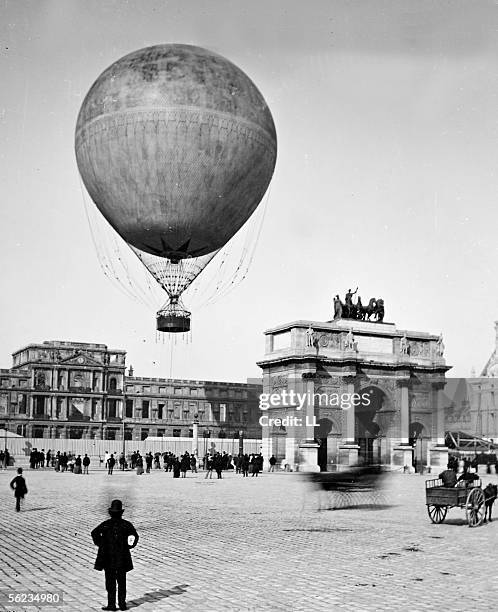
In a little known fact about the two World Wars gone by, misdirection campaigns by Allied forces used artists and their knowledge of visual illusionism to deceive the Axis (in the latter war) forces. Insights and skills on light, shade and perspective of painters and sculptors were weaponised for the first time, Troops were camouflaged from sight, ships and hangars were painted to obfuscate, and fictional armies were also created to trip up the enemy. BBC Culture recounts.
Keeping printmaking alive in HK
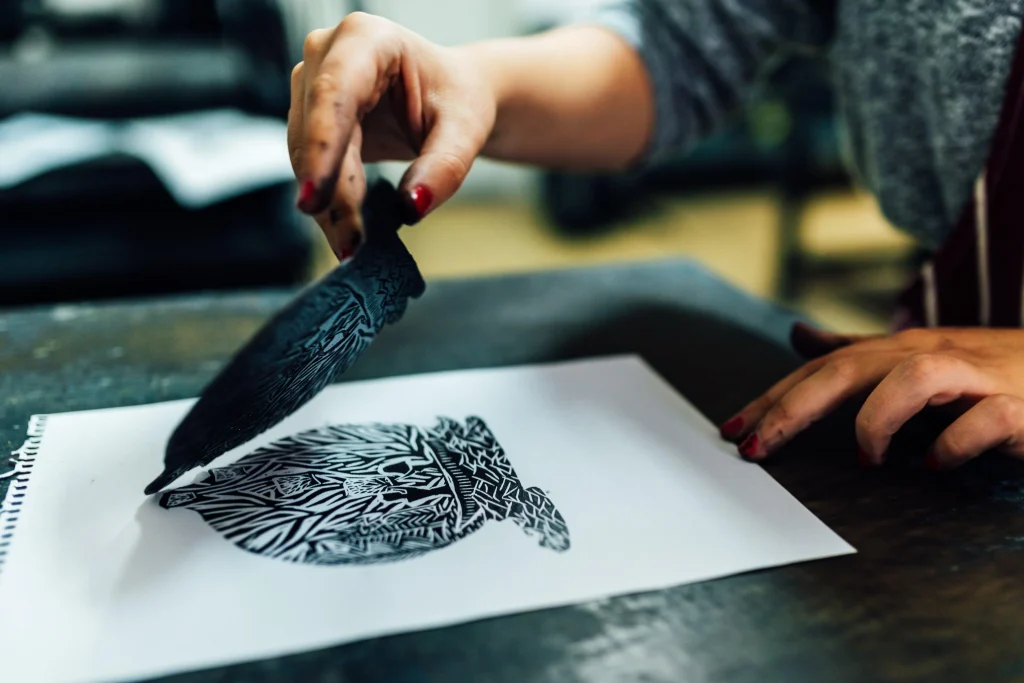
Today, computers have made easy work of typesetting and printing on a mass scale. But, tucked away in Hong Kong, a small community of artists continues to honour intricate, hands-on printmaking methods developed centuries ago. Some are also incorporating technology to help the craft evolve into contemporary art. This includes lithograph artist Yung Sau-mui and artist/art historian David Clarke, who uses a photocopier to create artworks. In partnership with the Hong Kong Heritage Museum, the South China Morning Post elaborates on its YouTube channel.
AI versus humans in art
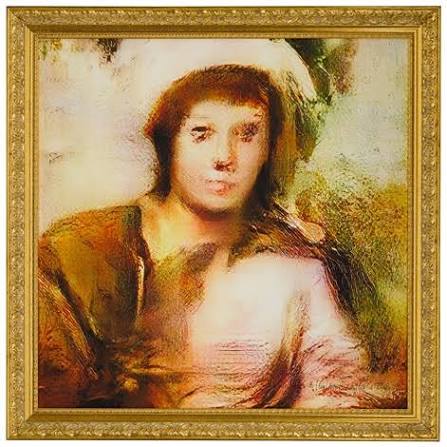
A rather concerning new study says most people can’t tell the difference between art made by humans and by artificial intelligence (AI). Published in journal Empirical Studies in the Arts, it was conducted by researcher Harsha Gangadharbatla, a professor of advertising at the University of Colorado, Boulder. The study was inspired by news of an AI-generated artwork selling at auction for $432,500. So, Gangadharbatla set up an online survey asking people to distinguish between the two genres of artworks. Read more about the results at Artnet News.
Abandoned spaces of the internet

When the internet began, it was somehow perceived as so much vaster. Our experiences were different, and it seemed more contiguous, with countless roads leading to countless destinations. Now, it seems like we all log on to the same five websites. The takeover of tech by major companies also corresponds to shrinking possibilities of digital landscapes. Interestingly, the web series ‘Preserving Worlds’ explores such spaces, which are relics of an internet gone by, once hugely populated and now just arid tech wastelands. Hyperallergic does a deep dive.
Painting pastels with a camera
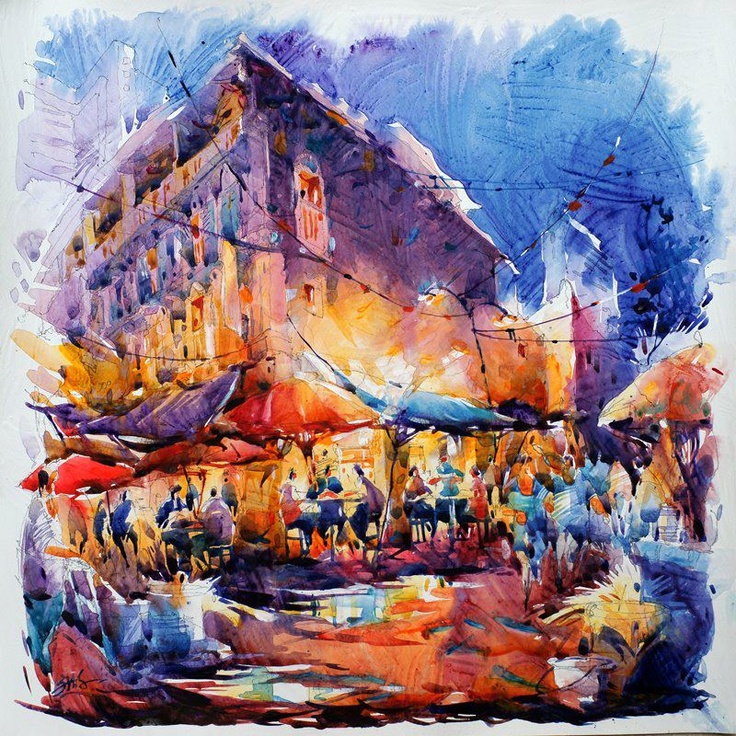
Portugal-based photographer Teresa Freitas (30) started her journey with Instagram on her smartphone. But, as her work started to get noticed, over the years she has worked with brands like Adobe, DKNY, Dior, Fujifilm, HP, Huawei, Issey Miyake, Montblanc, Netflix, Pantone, Polaroid, and more. Her well-composed photographs look more like airy pastel paintings, and she says the tone for her was “like a musician that finds the note that feels right”. PetaPixel captures a glimpse.