Minerva

Minerva is a visual artist and currently serves as a sub editor at Abir Pothi.

Layered Meanings: Alok Bal on Creating Art That Invites Deeper Looking

Alok Bal received his Fine Arts education at the Faculty of Fine Arts, M.S. University in Baroda. Early in his artistic journey, Bal drew inspiration from British Pop Art and its American equivalents, though he has since developed a distinctive personal style. Bal’s artwork explores humanity’s compulsive need to control and reshape the natural world—exemplified […]

Layered Meanings: Alok Bal on Creating Art That Invites Deeper Looking Read More »

 5 Interior Design Mistakes and How to Correct Them

Creating a beautiful, functional home is an art that balances aesthetics with practicality. However, even with the best intentions, many homeowners fall into common design traps that can make their spaces feel uninviting, cluttered, or dysfunctional. Here are five major interior design mistakes and expert-backed solutions to transform your home into a space that’s both

 5 Interior Design Mistakes and How to Correct Them Read More »

Public Spaces in the Digital Age

Seventy-seven years after India’s Independence, the monuments built to honor our freedom struggle still stand tall: statues of Gandhi in public squares, the eternal flame at India Gate, regional memorials to local heroes. Yet the way we engage with these spaces has shifted dramatically. For earlier generations, these sites were places of solemnity—spots where history

Public Spaces in the Digital Age Read More »

The Art of Phulkari

Phulkari, which translates to “flower work” in Hindi and Punjabi, is a centuries-old embroidery tradition rooted in the Punjab region of present-day India and Pakistan. Historically practiced by women within the domestic sphere, phulkari was not simply an art form but a vital expression of lived experience, memory, and personal identity. The earliest material records

The Art of Phulkari Read More »

9 Historic Domes That Define India’s Architectural Legacy

In Indian architectural history, domes have played a significant role, appearing in Buddhist stupas, Jain temples, and the opulence of Mughal buildings. These constructions were not just technical achievements but also symbolic representations of the sacred, whether they were the bulbous, elaborately decorated domes of Islamic architecture or the early domical forms found in stupas.

9 Historic Domes That Define India’s Architectural Legacy Read More »

UNESCO Adds 26 New Sites to World Heritage List, Highlights Africa’s Culture and Natural Riches

During its annual World Heritage Committee meeting in Paris earlier this month, UNESCO announced the addition of 26 new sites to its prestigious World Heritage list. Of these, 21 are cultural sites, four are natural, and one is both cultural and natural. Notably, four of the new sites are located in Africa, and nearly a

UNESCO Adds 26 New Sites to World Heritage List, Highlights Africa’s Culture and Natural Riches Read More »

The Art of Japanese Scrolls

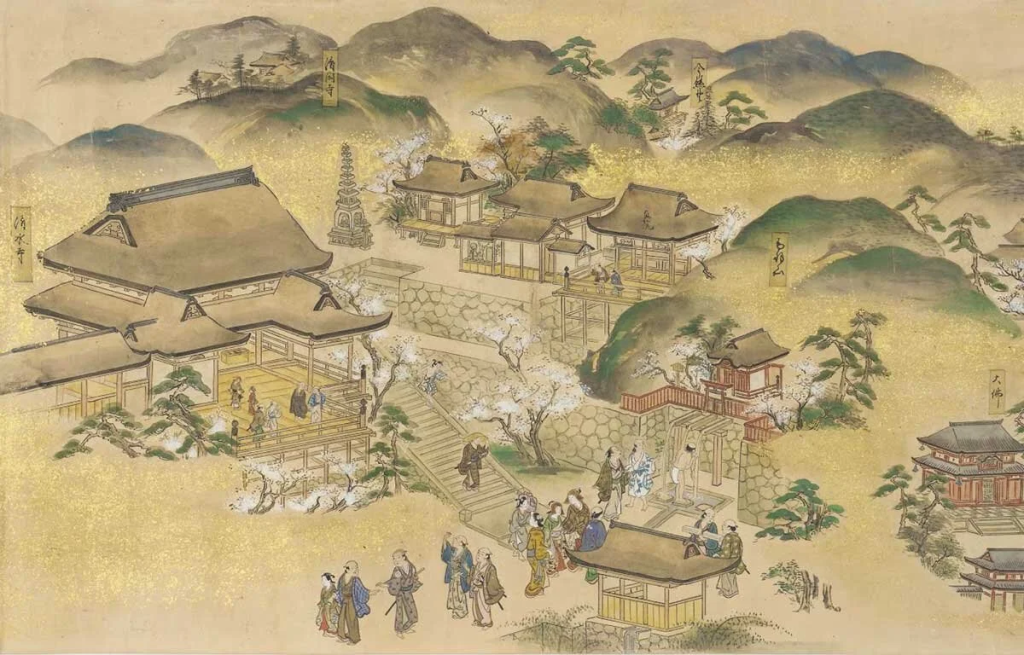
Traditional Japanese scroll paintings, also referred to as kakemono  or kakejiku, represent an ancient tradition of Japanese visual culture that has been in practice for centuries. Painted works, usually on paper or silk, are mounted on scrolls intended for hanging on walls. For both their ornamental and practical functions, scrolls have been highly valued in

The Art of Japanese Scrolls Read More »

The Intersection of Art and Mental Health

Art is inherently subjective, created and interpreted through individual experiences, memories, emotions, and preferences. The aesthetic experience comes from the relationship between the viewer and the artwork. For the artist, creating is an emotional act. An artist must stay connected to their work as it develops; the creative process serves as a space for mutual

The Intersection of Art and Mental Health Read More »

Ad