
Mrinal Das and Contemporary Assamese Art
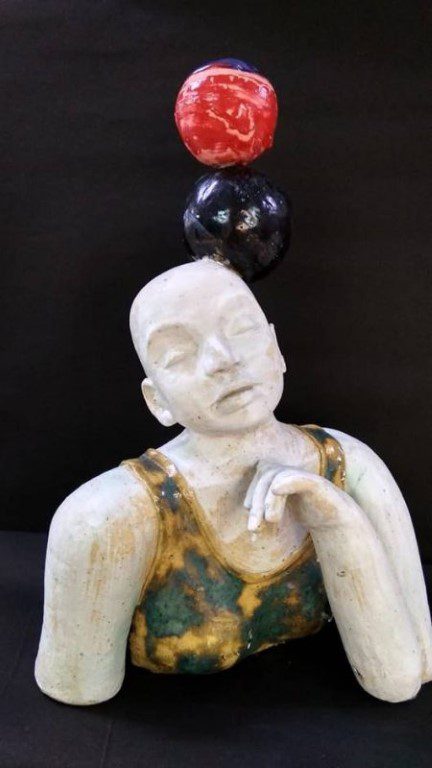
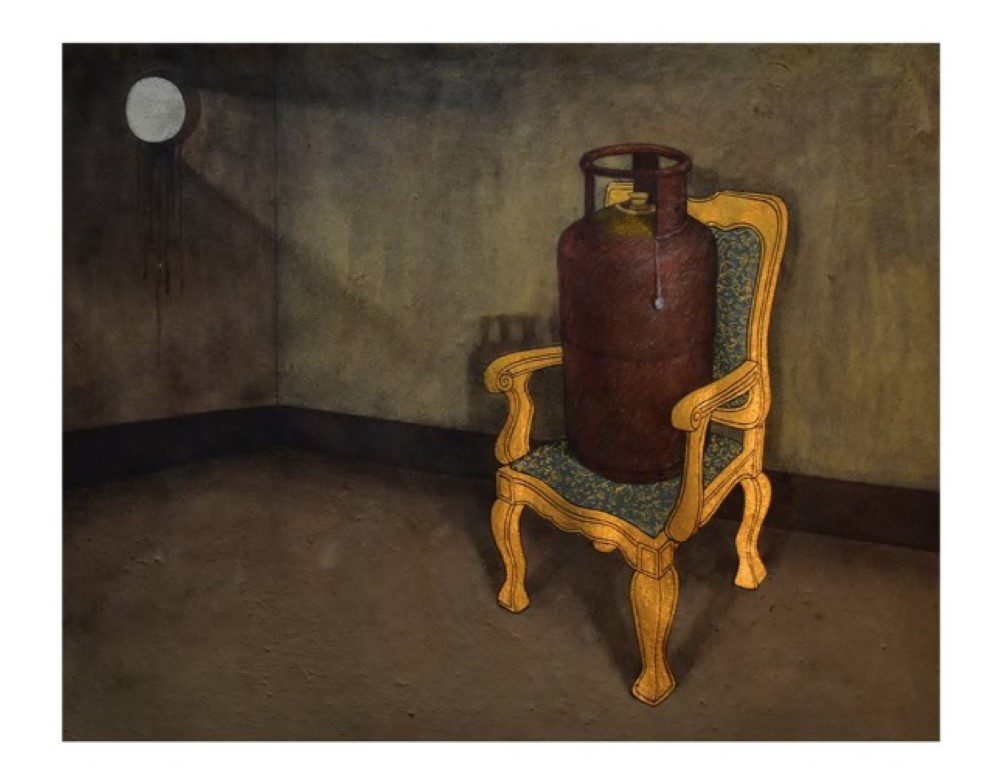
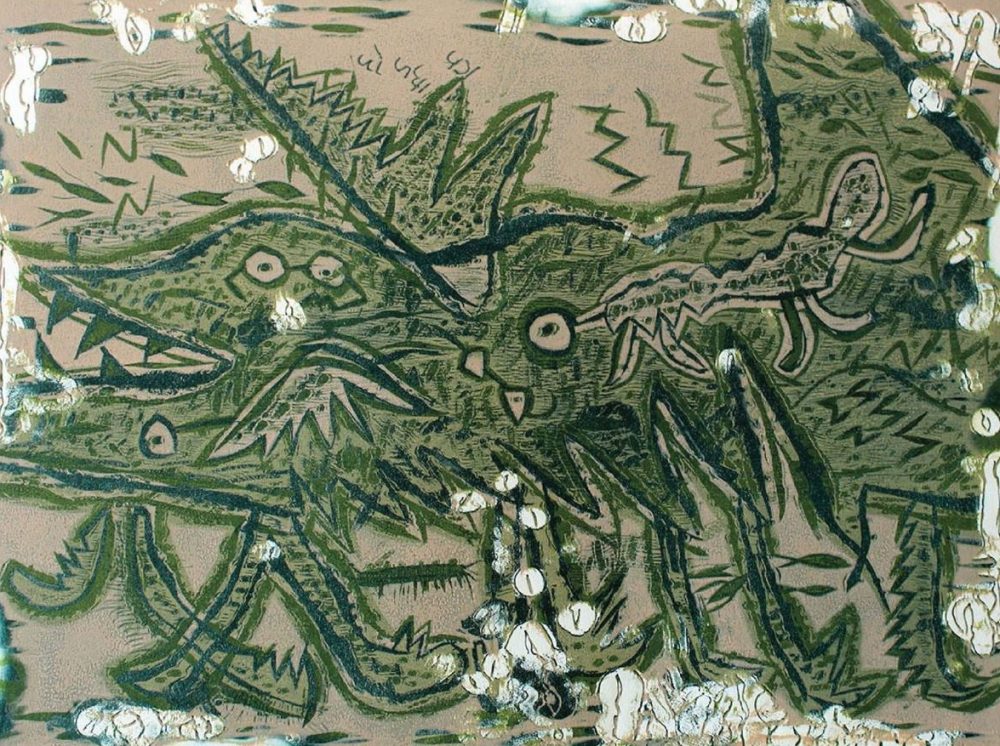
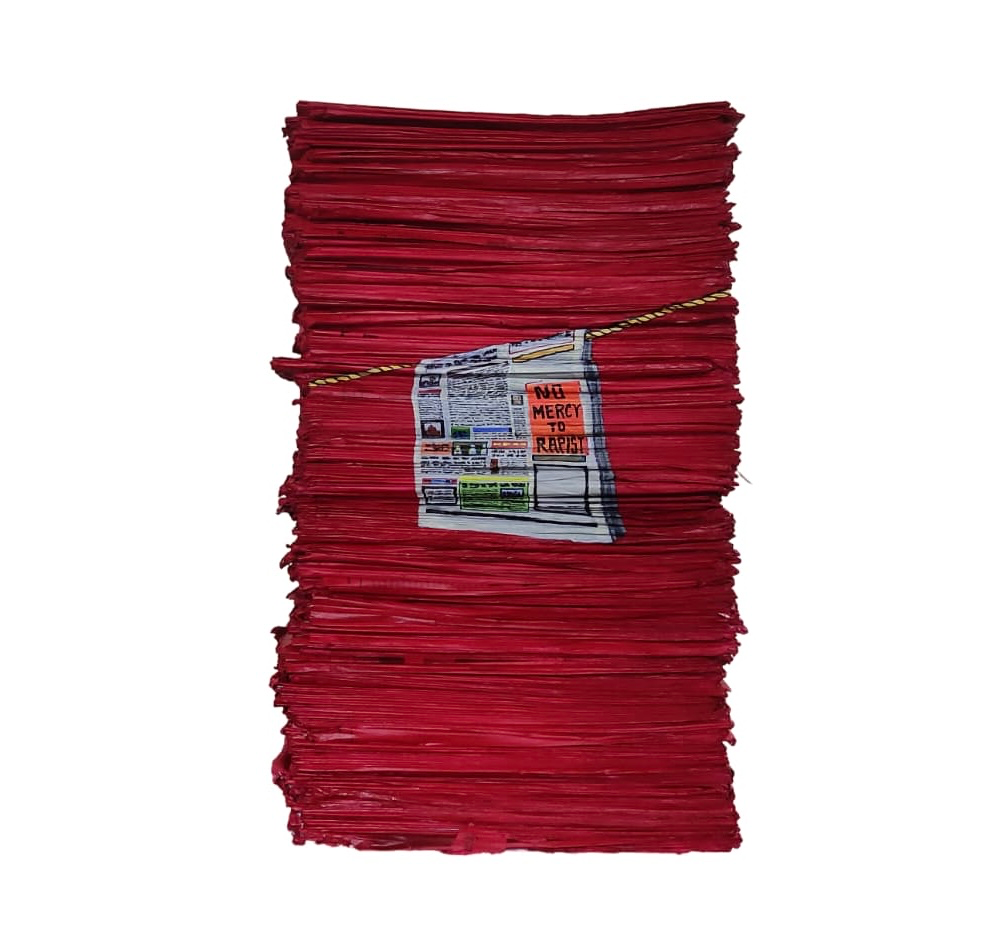
Mrinal Das is an emerging Assamese artist whose work reflects the changing landscapes and everyday life of rural Assam. As one of the emerging Assamese artists, his practice draws from his childhood experiences and surroundings in Bhattapara village. He observes farming communities and documents changes in his village through sketching, drawing, painting, and writing. Moreover, his works capture landscapes, memories, emotions, and significant moments from everyday life. Rather than creating distant representations, Mrinal Das uses art to communicate personal experiences and preserve the visual character of a changing environment. Therefore, his practice offers a contemporary perspective on Assamese art by connecting rural life, nature, memory, and social change.
Assamese Artists: Dipa Moni Patowary and Abstract Art
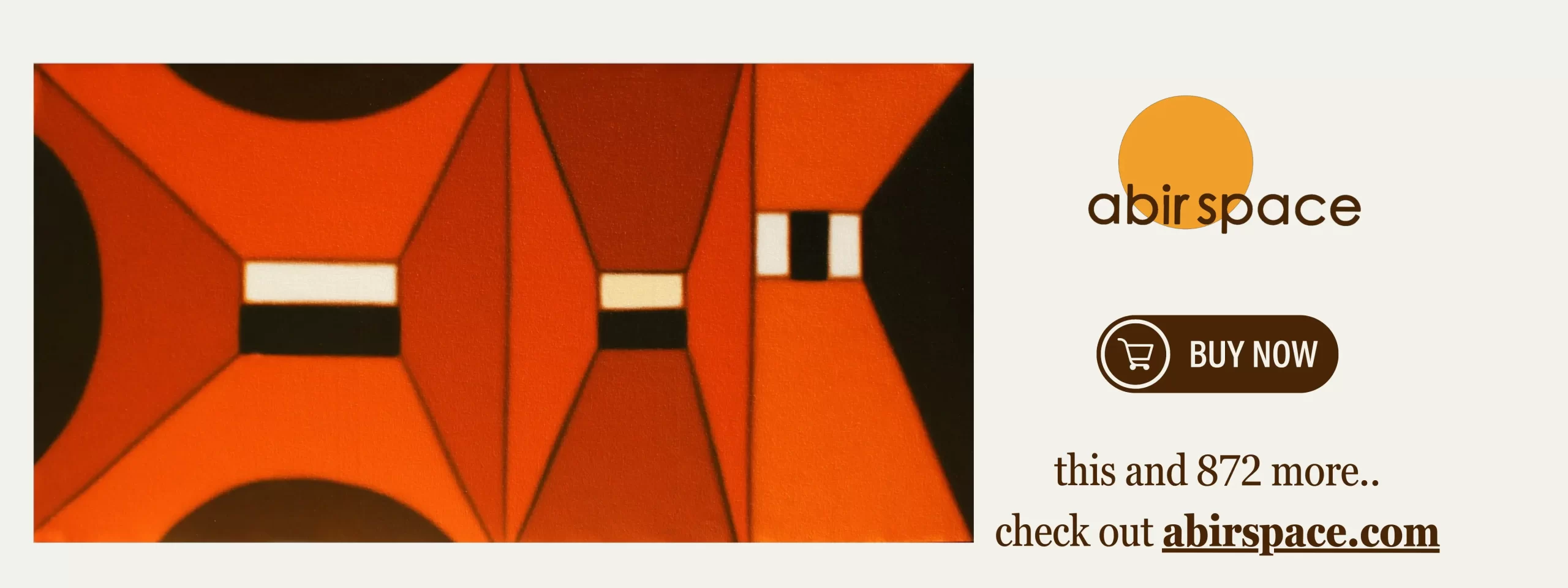
Similarly, Dipa Moni Patowary explores why people are drawn to abstract art, or more precisely, nonrepresentational art. She observes that abstraction engages the brain on several levels. It encourages viewers to analyze style, form associations, and experience different emotions. Drawing from psychology and neuroscience, she believes abstract art frees the mind from the dominance of external reality. As a result, it can activate creativity, imagination, and inner states that are otherwise difficult to access.
In addition, her attraction to threads and lines comes from childhood memories of growing up in Guwahati, Assam. The traditional production of muga silk, a golden yarn spun from silkworm cocoons, remains an important part of the region’s culture. This connection to material influences her layered mixed-media practice. She combines tissue cloth, acrylic, and oil paint, often tearing, pasting, and scratching the surfaces to create depth and texture.
Patterns and abstract forms introduce structure, while fluid gestures create a counterbalance. Together, they produce a dynamic tension between order and chaos. This balance reflects her psychological approach to art and her interest in how the human mind processes visual experiences.
Furthermore, Her practice also reflects a strong connection between regional memory and contemporary abstraction. By combining familiar materials with nonrepresentational forms, Patowary creates works that connect personal experiences with broader questions about perception and identity. As a result, her use of layered surfaces allows each painting to develop gradually, giving viewers space to interpret the textures, lines, and forms in their own way.
Lalit Kala Akademi (Delhi) → Lalit Kala Akademi
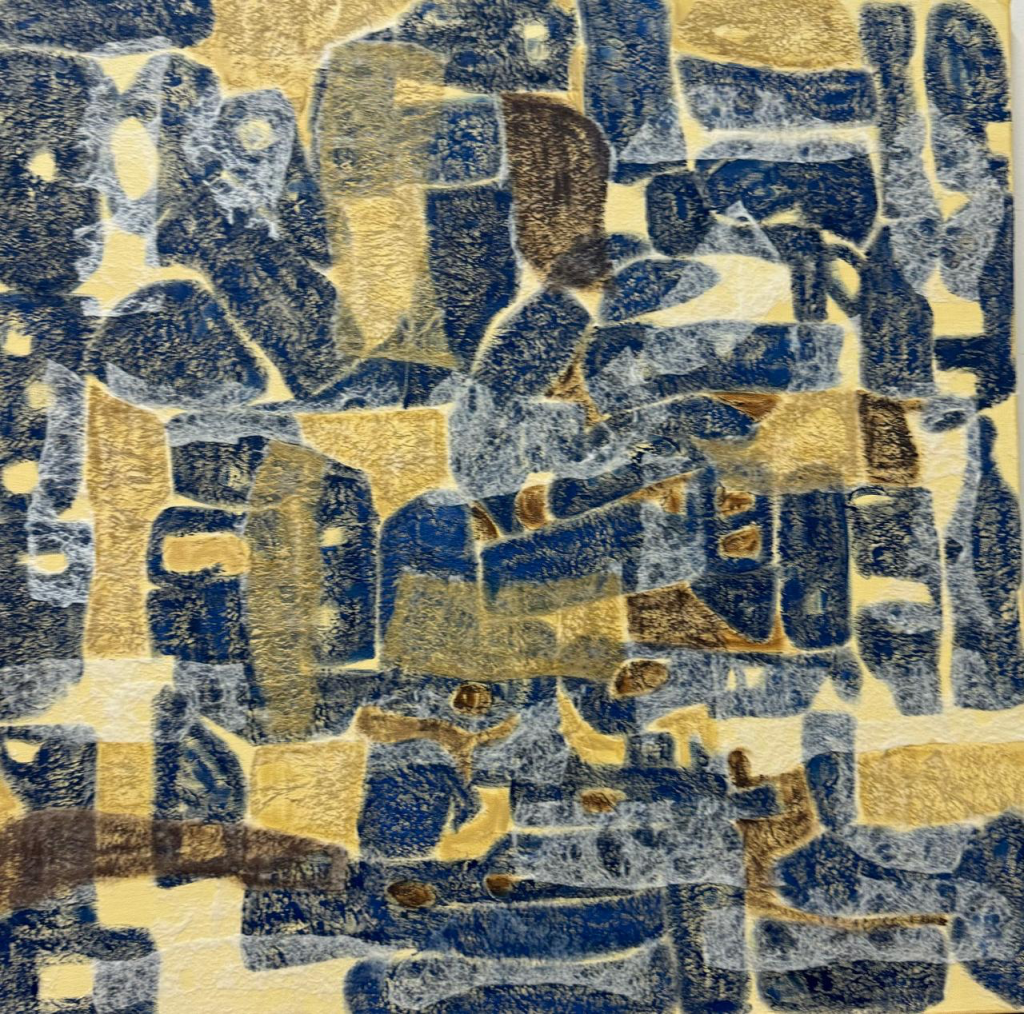
Featuring Image Work by Dipa Moni Potwary

Contributor