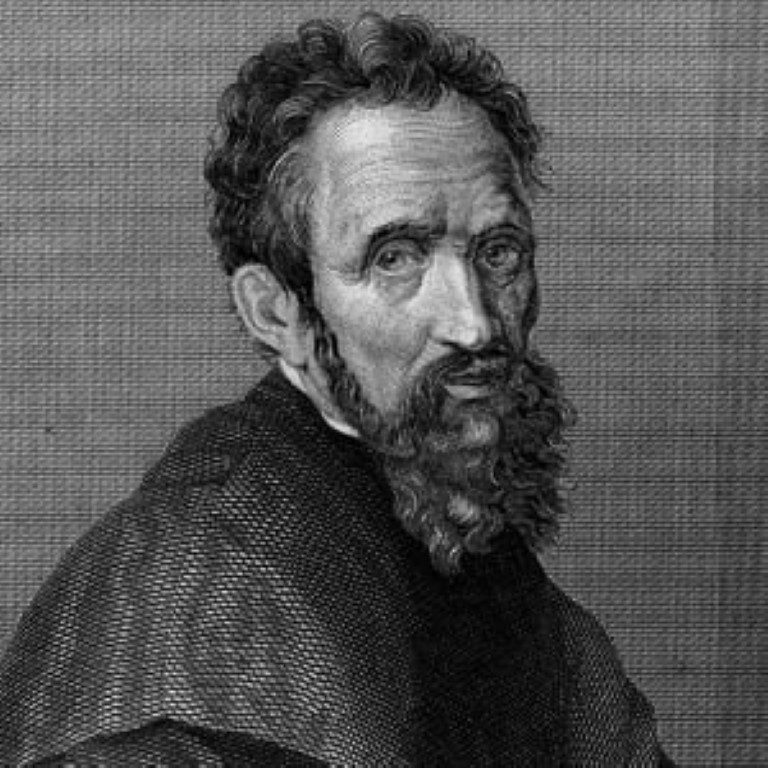
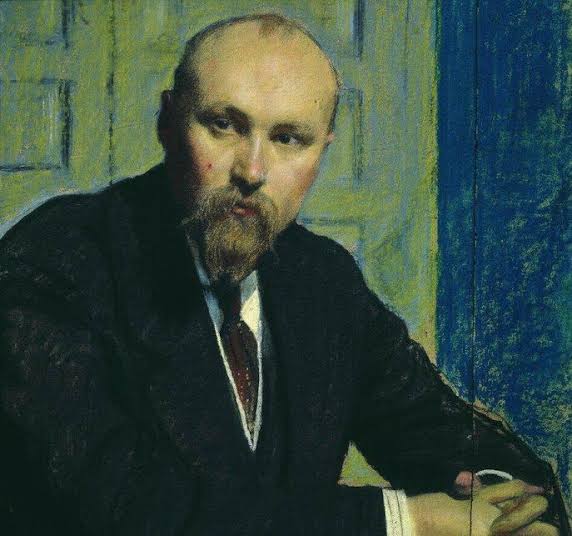
Born on October 9, 1874, Nicholas Roerich was a Russian painter, writer and philosopher whose evocative Himalayan landscapes brought together art, spirituality and the natural world.
Born in St Petersburg, Russia, Nicholas Roerich developed an early interest in art, archaeology and history. Although he studied law alongside his training at the Imperial Academy of Arts, painting became central to his life. His artistic practice eventually expanded beyond canvases to include theatre design, writing and cultural advocacy.
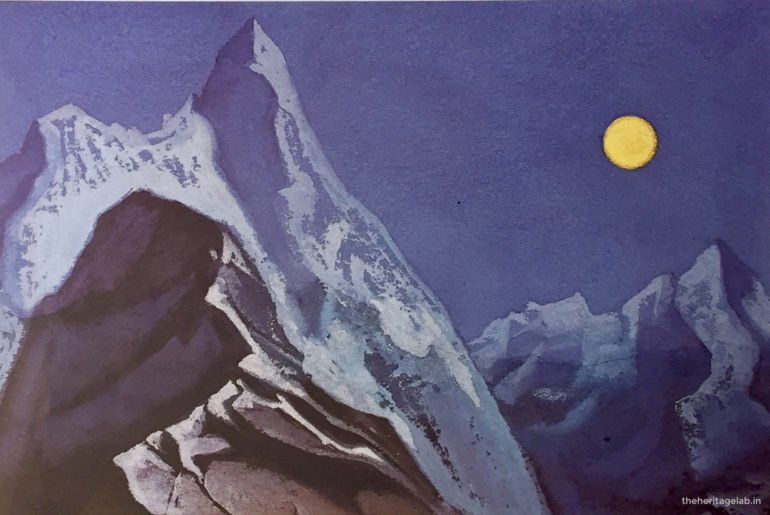
Roerich is best known for his paintings of the Himalayas, where towering peaks, luminous skies and vivid shades of blue, violet and rose transform the landscape into something almost otherworldly. His paintings went beyond documenting nature; they reflected his interest in Eastern philosophy, spirituality and the relationship between humanity and the natural world.
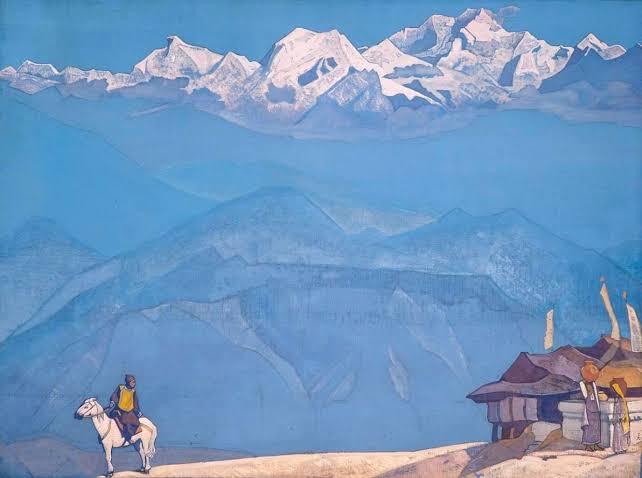
In December 1923, Roerich arrived in India with his family. Drawn to the country’s cultural and spiritual traditions, he travelled through several regions before eventually settling in Naggar, in Himachal Pradesh’s Kullu Valley. The Himalayan landscape became a defining presence in his work, inspiring paintings that captured the mountains as both physical formations and symbols of spiritual aspiration. His artistic legacy remains closely connected to India, where he spent the final decades of his life.
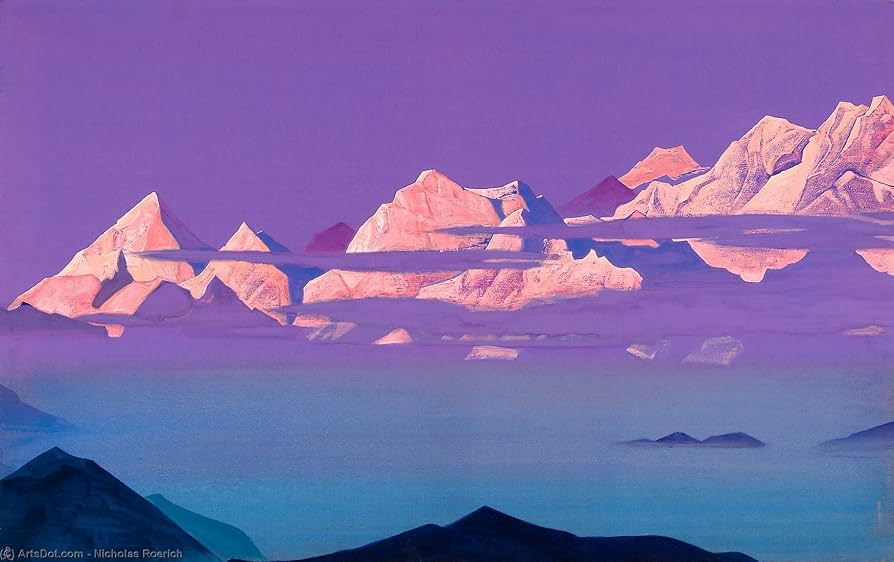
Beyond painting, Roerich was a passionate advocate for the protection of art and cultural heritage. His commitment to safeguarding cultural property during times of conflict contributed to the movement that led to the Roerich Pact, signed in 1935. The agreement promoted the protection of artistic and scientific institutions, monuments and historic sites during war.
Nicholas Roerich died in Naggar on December 13, 1947, leaving behind an extensive body of paintings and writings. Today, his work continues to invite viewers to consider the relationship between art, nature and spirituality. On his birth anniversary, Roerich is remembered not only as the artist who painted the Himalayas in extraordinary colours, but also as a cultural thinker who believed in art’s power to transcend borders and bring people closer to a shared human heritage.
Featuring Image Courtesy: Aurora & Athena

Contributor