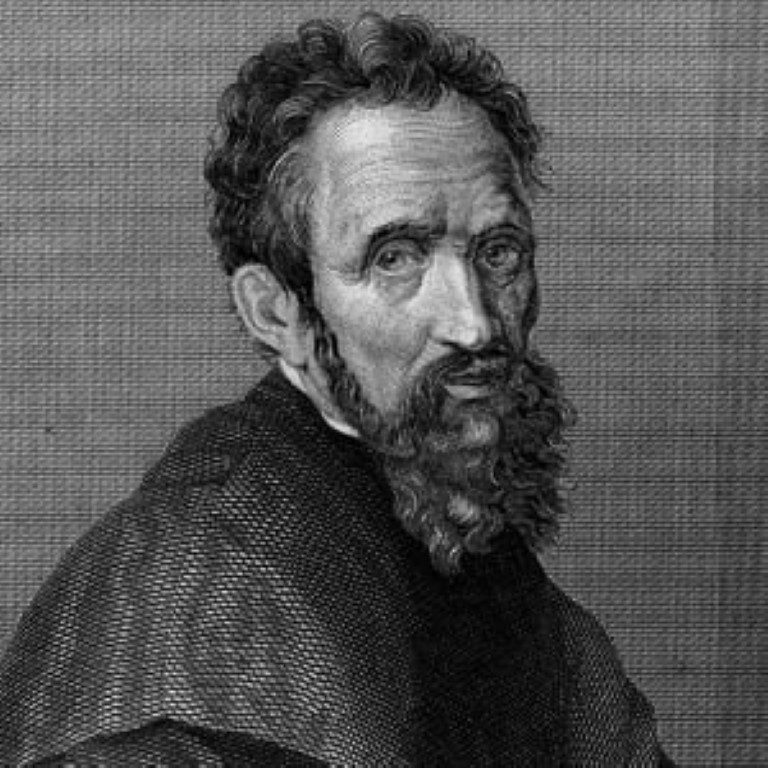
ON THIS DAY: Celebrating the 170th birth anniversary of Louis Henry Sullivan
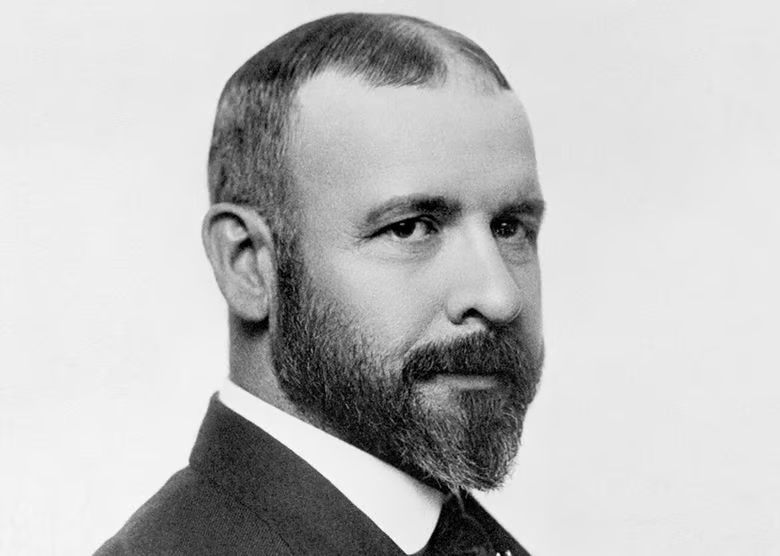
On this day in 1856, in Boston, Massachusetts, a boy was born who would go on to reshape the American skyline and give architecture one of its most enduring ideas. Louis Henry Sullivan, remembered today as the “father of skyscrapers” and, to many historians, the “father of modernism,” still frames how architects think about height, structure, and ornament.
An Impatient Genius
Sullivan’s path into architecture was anything but conventional. Growing up between Boston and his grandparents’ farm in South Reading, he was drawn early to buildings and design. At sixteen, he enrolled at the Massachusetts Institute of Technology, home to the country’s first architecture program. But Sullivan was restless. He left after barely a year, unwilling to sit through what he considered slow, academic instruction. He briefly apprenticed in Philadelphia and Chicago, then spent time studying at the École des Beaux-Arts in Paris, absorbing the classical rigor of French training even as he was already itching to break from tradition. By twenty-four, he had become a full partner in the Chicago firm that would make his name: Adler & Sullivan.
The Partnership That Rebuilt Chicago
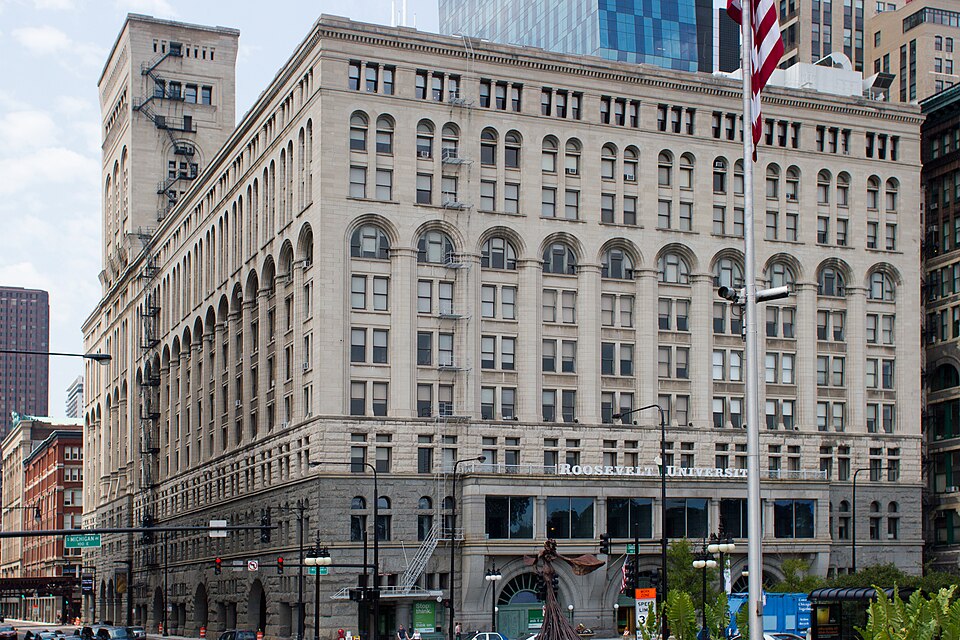
Dankmar Adler was the engineer : meticulous, practical, an expert in acoustics and structural systems. Sullivan was the artist. Together, between 1879 and 1895, the firm produced more than a hundred buildings, many of them in a Chicago still rebuilding after the Great Fire of 1871. Their most celebrated early triumph was the Auditorium Building, completed in 1889: a mixed-use structure housing a hotel, offices, and a theatre so acoustically refined that it remains admired by architects and musicians alike. Its exterior was restrained and heavy-set, echoing the Romanesque work of Sullivan’s early influence, Henry Hobson Richardson, while its interior burst into the ornamental richness that would become Sullivan’s signature.
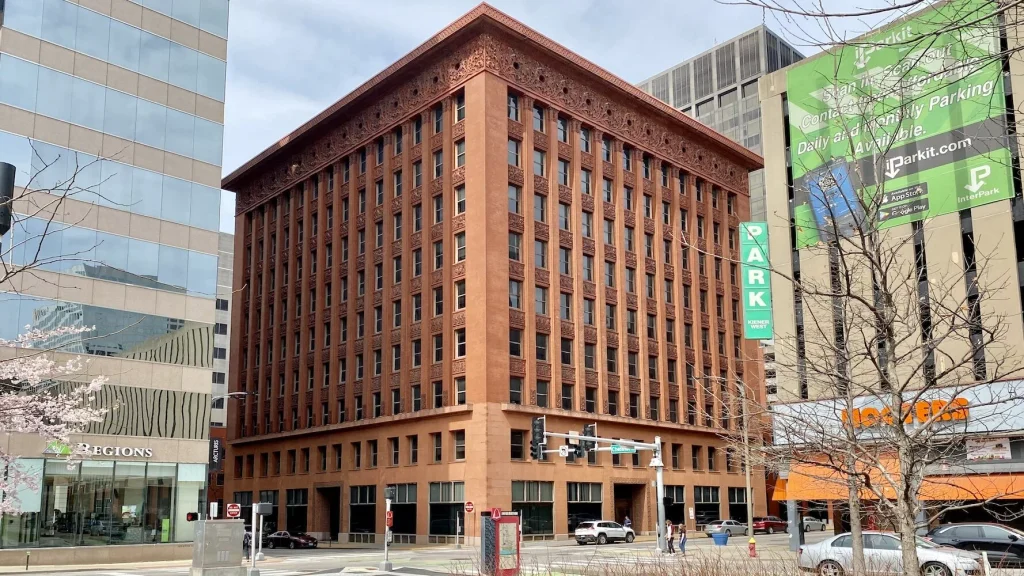
It was the tall office building, however, that became the firm’s defining contribution. The Wainwright Building in St. Louis (1890–91) and the Guaranty Building in Buffalo (1894–95) are now considered among the earliest true expressions of skyscraper design. Rather than disguising a building’s height, Sullivan emphasized it — vertical piers rising uninterrupted from base to cornice, drawing the eye upward, expressing the steel skeleton beneath rather than hiding it behind historical facades. This was a genuinely new idea: that a tall building need not pretend to be a stack of smaller ones, but could express its verticality honestly and proudly.
“Form Follows Function”
Sullivan is remembered above all for a single phrase: form follows function. First articulated in his 1896 essay on the tall office building, the idea held that a structure’s design should emerge from its purpose, not from imitation of the past. The principle would echo through the twentieth century, cited by modernists from Chicago to Europe, even as many later architects stripped away the very thing Sullivan refused to abandon: ornament. Sullivan’s buildings were rarely bare. Terra cotta panels bloomed with intricate, organic patterning — vines, foliage, geometric interlace influenced by his Irish and Celtic heritage — wrapped around otherwise disciplined, functional frames. For Sullivan, function and beauty were never in conflict; his ornament was not decoration applied after the fact but an integral expression of the life and structure within.
Mentor to a Movement
Sullivan’s influence extended well beyond his own drafting table. For six years, a young Frank Lloyd Wright worked under him at Adler & Sullivan, absorbing lessons in organic design that Wright would carry into the Prairie School and beyond. Sullivan referred to Wright as his “pencil in hand,” and Wright, in turn, called Sullivan his “Lieber Meister” (dear master) for the rest of his life. Through Wright and other students such as George Elmslie, Sullivan’s ideas rippled outward into the broader current of American architecture.
A Difficult Later Life, A Lasting Legacy
Sullivan’s independent practice after 1895 produced further landmarks, including the Schlesinger & Mayer Department Store in Chicago (now the Sullivan Center), with its dazzling cast-iron storefront ornament. But changing tastes, economic hardship, and a string of professional setbacks left his later career in decline. He died in 1924 in a modest Chicago hotel room, largely out of fashion, and was buried at Graceland Cemetery. Recognition came posthumously: in 1944, he received the AIA Gold Medal, and today he is ranked, alongside Wright and Richardson, as one of the defining figures of American architecture.
On his birth anniversary, Sullivan’s legacy is visible every time a skyscraper’s design tries to express, rather than conceal, its height and structure — a debt owed to the Chicago architect who first insisted that buildings should look like exactly what they are.
Suggested Reading
- Encyclopaedia Britannica, “Louis Sullivan”
- Wikipedia, “Louis Sullivan”
- New World Encyclopedia, “Louis Sullivan”
- ArchDaily, “Spotlight: Louis Sullivan” by Rory Stott
- Scarano Architect, “Louis Sullivan: Architecture & Modern Skyscrapers”
- Louis H. Sullivan, The Autobiography of an Idea (1924) — Sullivan’s own account of his life and design philosophy
- Robert Twombly, Louis Sullivan: His Life and Work (1986) — a widely cited biography referenced in architectural scholarship on the Wainwright Building

Pari tiwari is a third year english literature student at Delhi University. She is interested in art, Feminism, politics of representation, literature, philosophy, film, and photography.