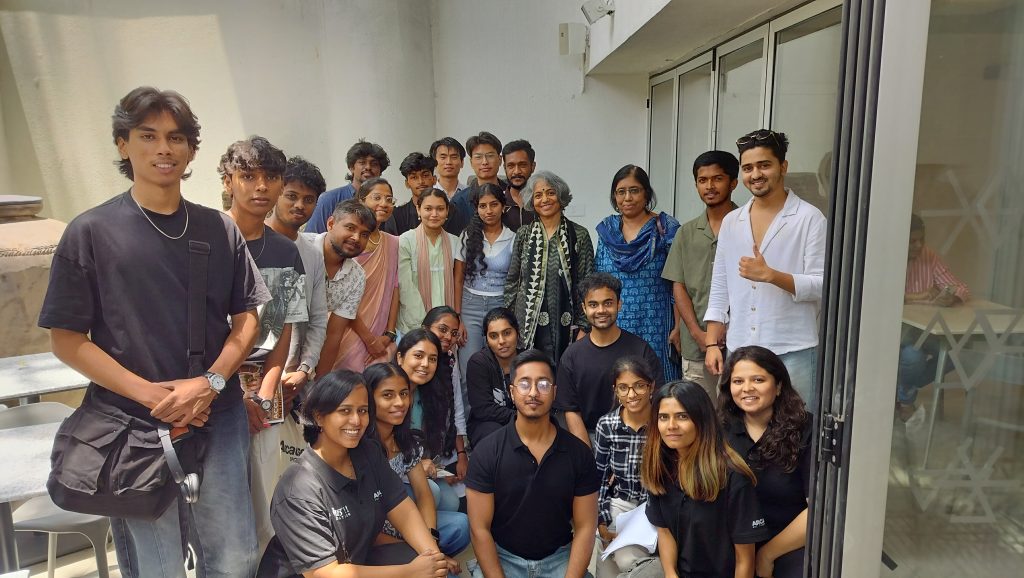
Arcause Spotlight 3.0 (Bengaluru Edition) convened a diverse group of architecture and design students, practitioners, researchers, and professionals for a day-long engagement centred on accessibility, inclusive design, everyday urbanism, and heritage. The event fostered interdisciplinary dialogue through a series of immersive activities across the city, encouraging participants to critically examine how urban spaces are experienced and shaped.
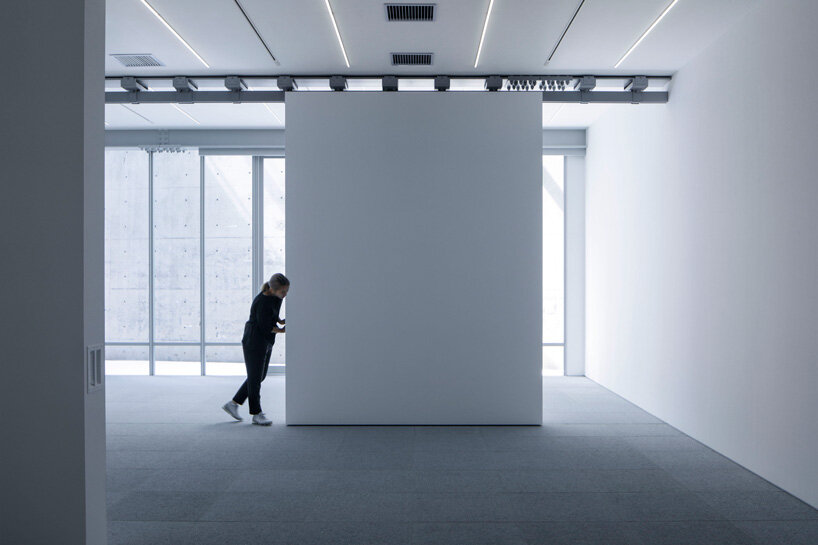
The programme began with an accessibility and inclusive design exercise conducted across key public sites including the Museum of Art & Photography (MAP), Cubbon Park, and Cubbon Park Metro Station. Participants, working in groups, used structured observation tools developed by Team Ethos to assess spatial accessibility.
The exercise went beyond technical checklists, prompting participants to reflect on lived experiences of space. Observations included entry points, circulation systems, seating, tactile pathways, signage, and sensory comfort. A reflection session at MAP, facilitated by Rama Krishnamachari of the Diversity and Equal Opportunity Centre (DEOC), opened up conversations on the gap between compliance-driven accessibility and genuine inclusivity, emphasising empathy and user diversity in design thinking.
The second session, Walkable Malleswaram, focused on neighbourhood-scale urbanism and pedestrian experiences. Participants were introduced to the evolution of Malleswaram and ongoing citizen-led initiatives advocating for safer, more accessible streets. A key highlight was the transformation of former conservancy service lanes into pedestrian-friendly pathways.
Through a guided walk and stakeholder roleplay exercise, participants examined how different users like vendors, elderly residents, children, and workers navigate shared urban spaces. The session culminated in participants presenting insights through memory maps, narratives, and design proposals, underscoring the importance of participatory approaches in urban design.
The final activity, a Heritage, Memory and Urban Continuity walk led by INTACH Bengaluru, explored the layered history of K R Market. Participants observed the coexistence of colonial-era structures, a largely underutilised 1980s building, and the thriving informal market ecosystem that continues to define the space.
The walk raised critical questions about the role of formal design in evolving cities and the challenges of integrating heritage into contemporary urban life. The session concluded at a historic armoury site, now lying unused, where participants engaged in discussions on adaptive reuse. The site’s complex intersections of history, community use, and cultural identity highlighted the need for sensitive and context-driven interventions.
Across all three activities, Arcause Spotlight 3.0 emphasised experiential learning, critical observation, and dialogue. By situating discussions within real urban contexts, the event encouraged participants to rethink accessibility, heritage, and public space as dynamic, lived conditions rather than static design problems.

Contributor