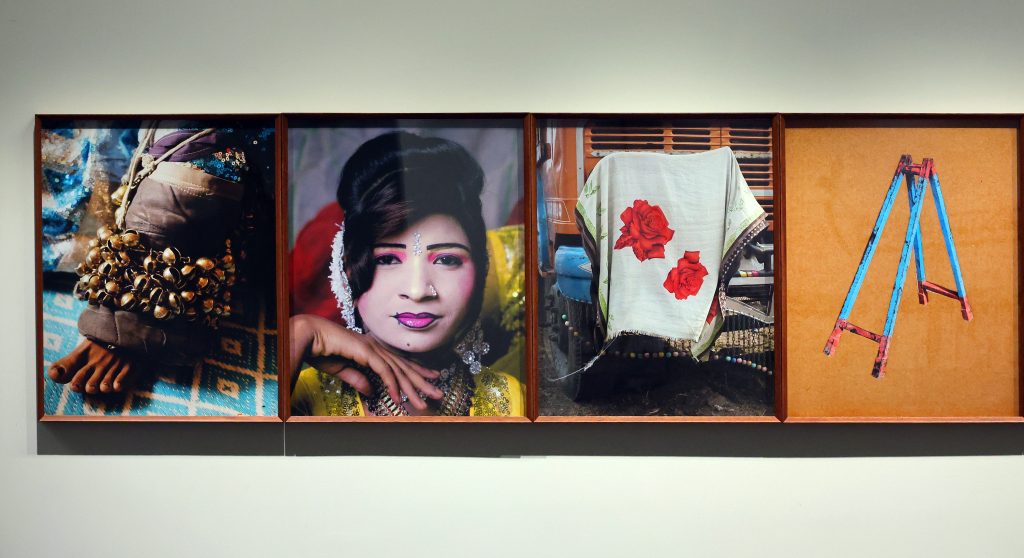
At the Dilip Piramal Art Gallery (DPAG), NCPA, a compelling new exhibition titled Tamasha by photographer Abhishek Khedekar brings into focus the lived realities of Maharashtra’s itinerant folk performers, challenging romanticised perceptions of the art form. Running from May 8 to June 14, the show presents a layered docufiction narrative that moves beyond spectacle to examine the socio-economic and cultural conditions of the communities sustaining this tradition.
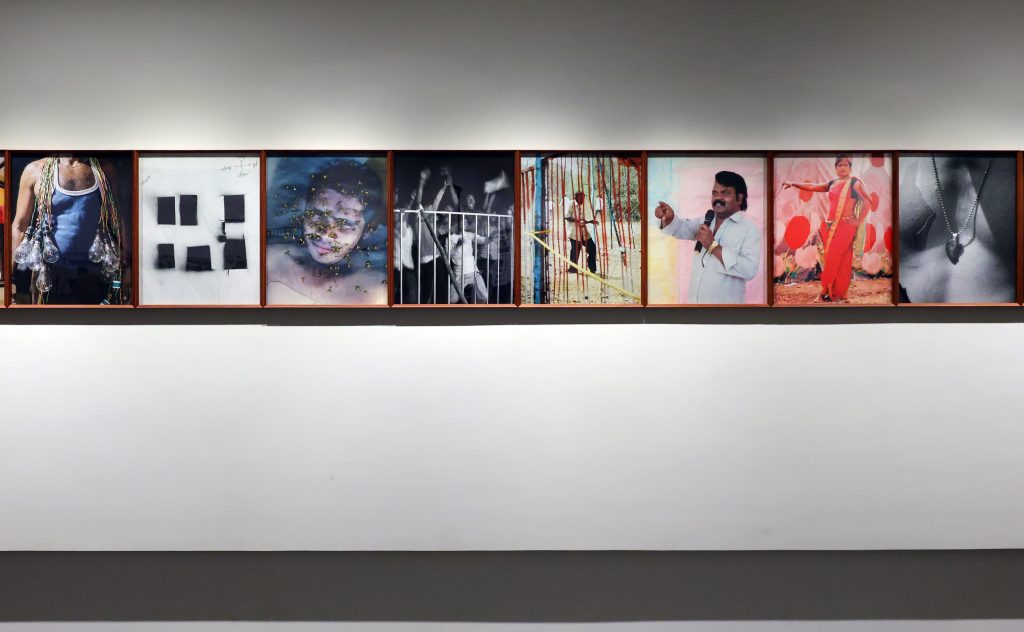
Centred on a Tamasha troupe collectively known as Lokkalawant, Khedekar’s project stems from an immersive engagement that began in 2016, when he spent six months travelling with the family as part of an academic inquiry. The work evolved further through subsequent visits between 2022 and 2023, allowing the artist to revisit the troupe with greater sensitivity and depth. The resulting body of work blends documentary photography with constructed imagery, offering a nuanced visual language that oscillates between realism and interpretation.
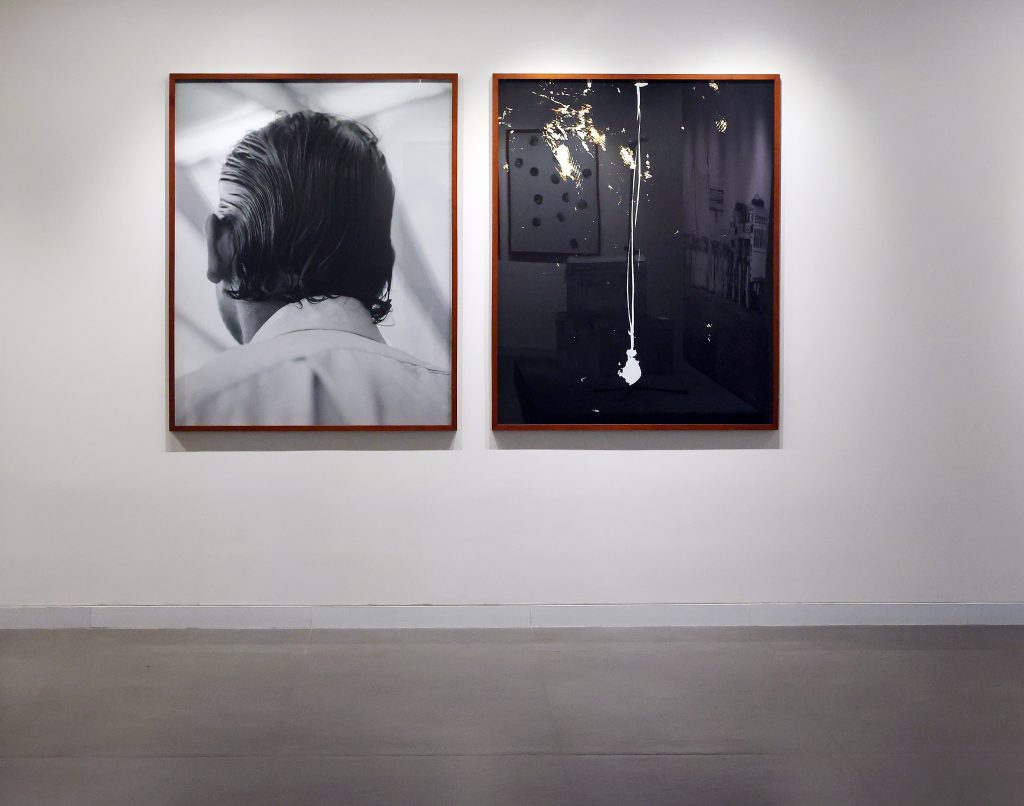
Rather than merely documenting performance, Tamasha positions the tradition as a metaphor for entrenched social hierarchies and systemic marginalisation. The images foreground the paradox at the heart of the practice: while Tamasha is widely celebrated as a vibrant cultural form, the communities that sustain it often endure social stigma, economic precarity, and limited access to basic resources. Khedekar’s work draws attention to these contradictions, revealing how visibility on stage does not necessarily translate into dignity off it.
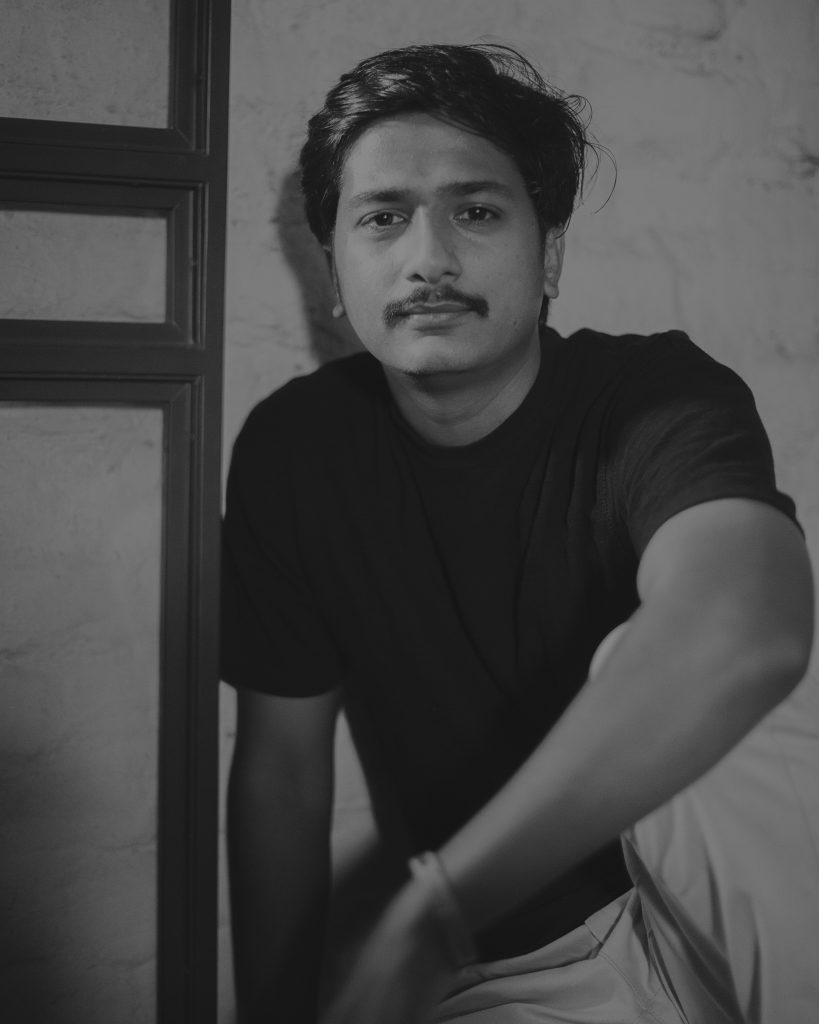

Abhishek Khedekar & Bharat Sikka
The exhibition is curated by photographer Bharat Sikka, whose own practice engages with the intersections of image-making and cultural memory. Under his curatorial direction, the project expands into a broader inquiry into representation, authorship, and the ethics of documenting marginalised communities.
Khedekar, born in 1991 in Dapoli and currently based in New Delhi, is known for a practice that merges documentary approaches with surrealist interventions, including collage and archival layering. His work consistently engages with themes of memory, absence, and overlooked histories.
Hosted at DPAG which is India’s only gallery space dedicated exclusively to photography, the exhibition also aligns with the institution’s renewed programming focus. Established in 1987 by Dr. Jamshed J. Bhabha, the gallery has played a pivotal role in shaping photographic discourse in India.
All image courtesy of the artist and gallery

Contributor