
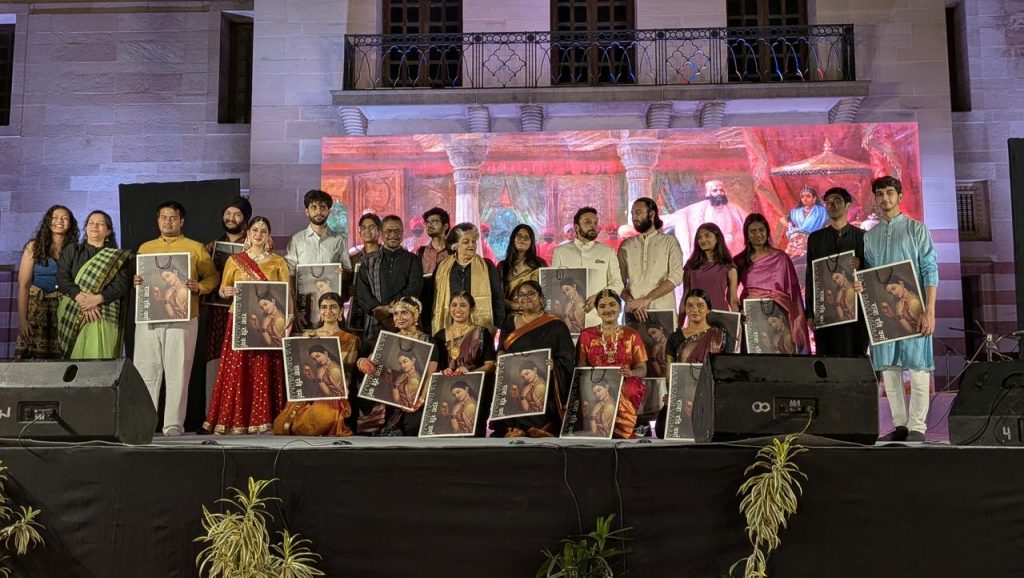
The National Gallery of Modern Art (NGMA), New Delhi, hosted a compelling talk titled “Raja Ravi Varma’s Ravana: Conflict and Controversy” on 29 April 2026 at Jaipur House. The event brought together art history, law, and cultural discourse to revisit one of India’s most discussed artists through a lesser-explored lens—his depiction of Ravana.
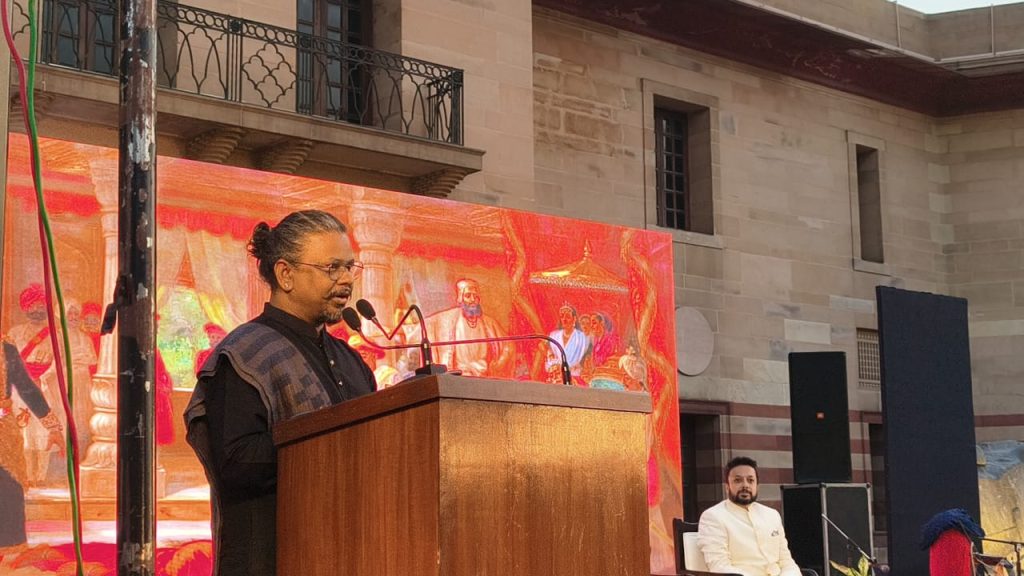
Held under the leadership of Dr Sanjeev Kishor Goutam, Director General of NGMA, the talk reflected the institution’s continued focus on building deeper engagement with India’s artistic legacy. Senior Art Curator Alka Pande attended as the Guest of Honour, while the talk was delivered by Ganesh V. Shivaswamy, a Bengaluru-based lawyer, collector, and author known for his extensive research on Raja Ravi Varma.
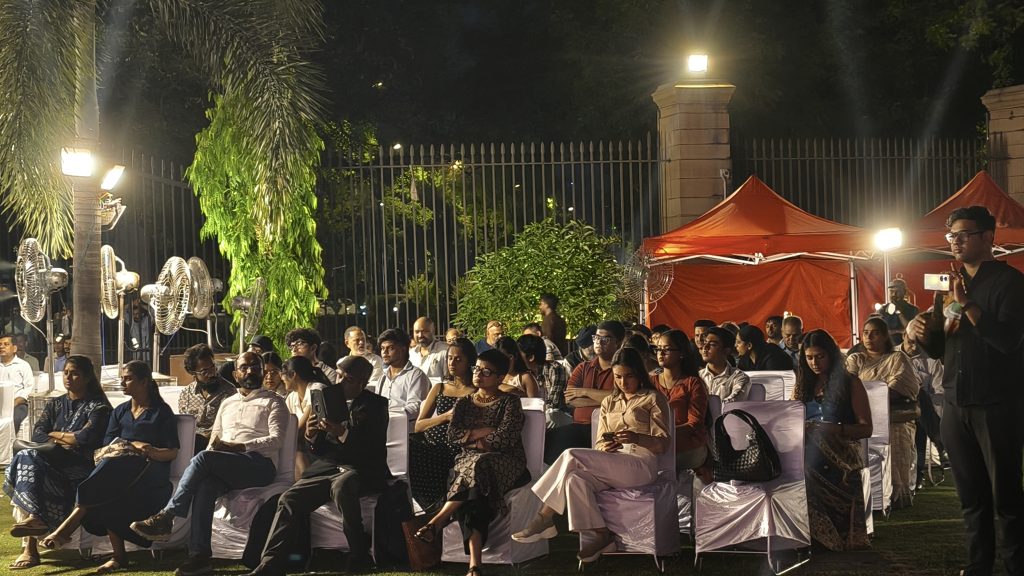
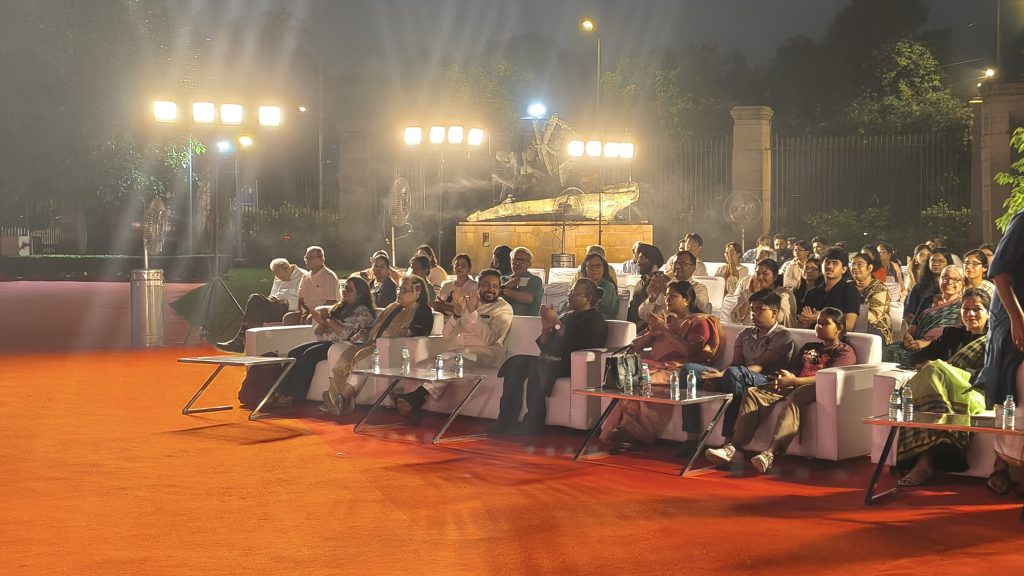
Image Credit: Abir Pothi
Revisiting Raja Ravi Varma’s Legacy
Raja Ravi Varma remains one of the most influential figures in Indian art history. His work shaped how Indian mythological figures are visually understood today. As Dr Sanjeev Kishor Goutam noted during the event, Ravi Varma played a key role in popularising printmaking in India, especially through lithography.
His images of gods and goddesses made spiritual ideas more visible and accessible. These works were not limited to elite spaces but entered everyday life through prints. Even today, his imagery continues to carry strong cultural meaning.
Alka Pande highlighted how Ravi Varma’s practice brought together tradition and technique. His work stood at a point where Indian stories met European academic realism, creating images that were both familiar and visually new.
The Focus: Ravana as Image and Idea
The talk centred on Ravi Varma’s depiction of Ravana, a figure often seen only as a villain in the Ramayana. Ganesh V. Shivaswamy approached these paintings not just as artworks but as evolving narratives.
He explained that Ravi Varma’s Ravana is not fixed. Instead, it changes over time, across contexts, and through interpretation. These shifts reveal how art interacts with society, law, and collective memory.
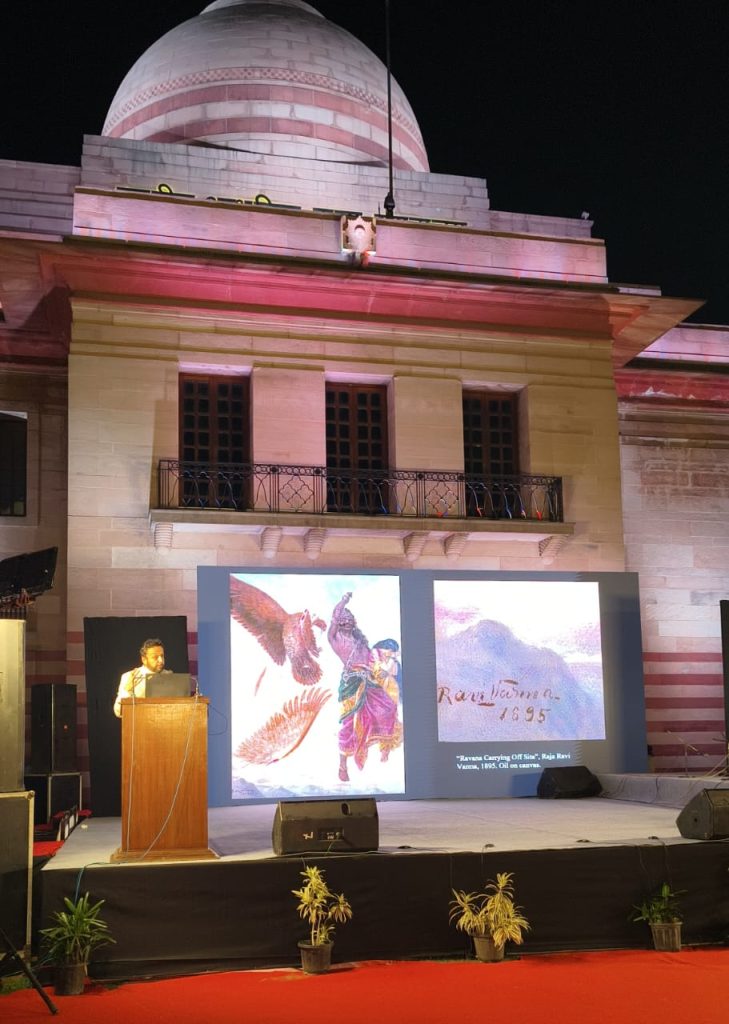
Ganesh V. Shivaswamy | Lawyer, Collector, and Author | Image Credit: Abir Pothi
The renewed attention to Ravi Varma’s work—especially after a recent record-breaking sale of one of his paintings—makes such discussions timely. The Ravana images, in particular, open up debates about representation, authorship, and meaning.
Three Key Paintings of Ravana
Ganesh V. Shivaswamy discussed three important works by Ravi Varma that depict Ravana in different moments:
- Ravana as a mendicant approaching Sita
- The abduction scene opposed by Jatayu (often referred to as Jatayu Vadh)
- Indrajit’s victory
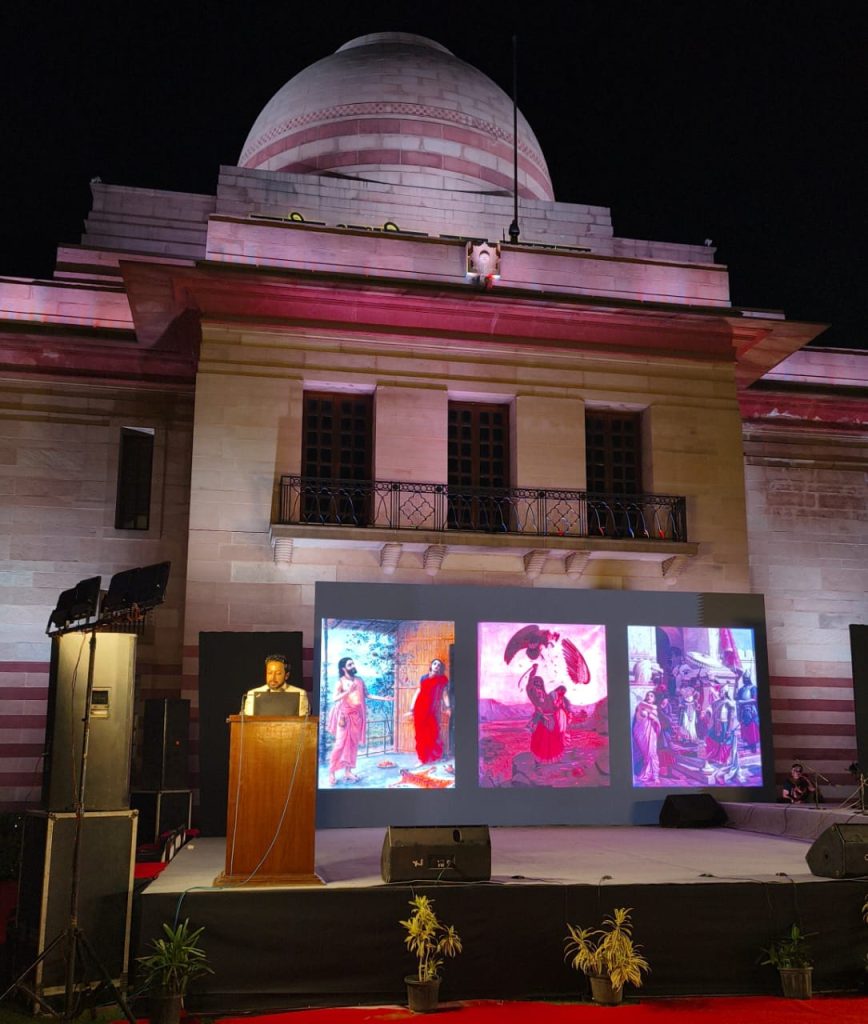
These paintings later became popular as chromolithographs through the Ravi Varma Press. This shift from original paintings to printed images changed how people interacted with them. The works moved from private or elite collections into public and domestic spaces.
As a result, Ravana’s image became widely circulated, leading to multiple interpretations among different audiences.
Chromolithographs and Public Memory
One of the key points in the talk was the role of chromolithography in shaping public imagination. Ravi Varma’s press enabled the mass reproduction of artworks.
Ganesh V. Shivaswamy explained that this process did more than replicate images—it transformed them. Once printed and distributed, the artworks entered homes, rituals, and everyday life.
This widespread circulation blurred the line between original and copy. It also allowed the public to assign new meanings to the images, sometimes different from the artist’s original intent.
The Debate on Artistic Composition
A major part of the discussion focused on how Ravi Varma composed his works. There has been an ongoing debate over whether his imagery originated in oral traditions or in academic sources.
Some narratives suggest that Ravi Varma used local models, particularly in Kilimanoor, to create his characters. However, Ganesh V. Shivaswamy presented evidence from the artist’s own library.
He pointed to gridded illustrations by Gerald Moira from the Royal Academy (1892). These showed how Ravi Varma may have used structured techniques like proportion grids and foreshortening. This suggests a more methodical and academic approach to composition.
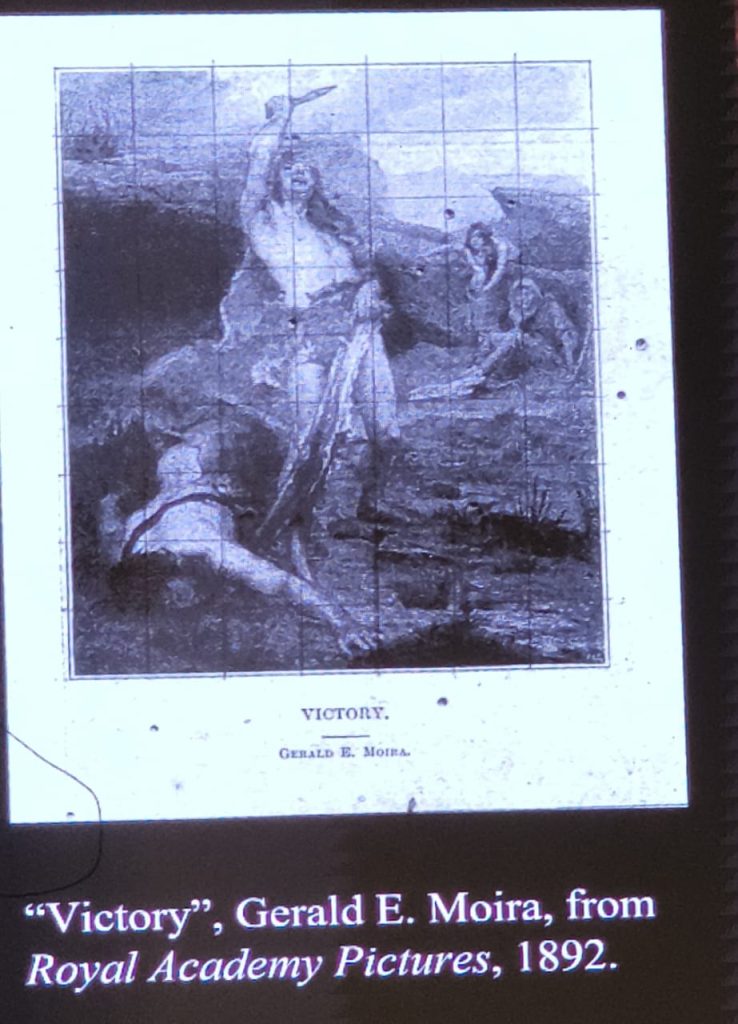
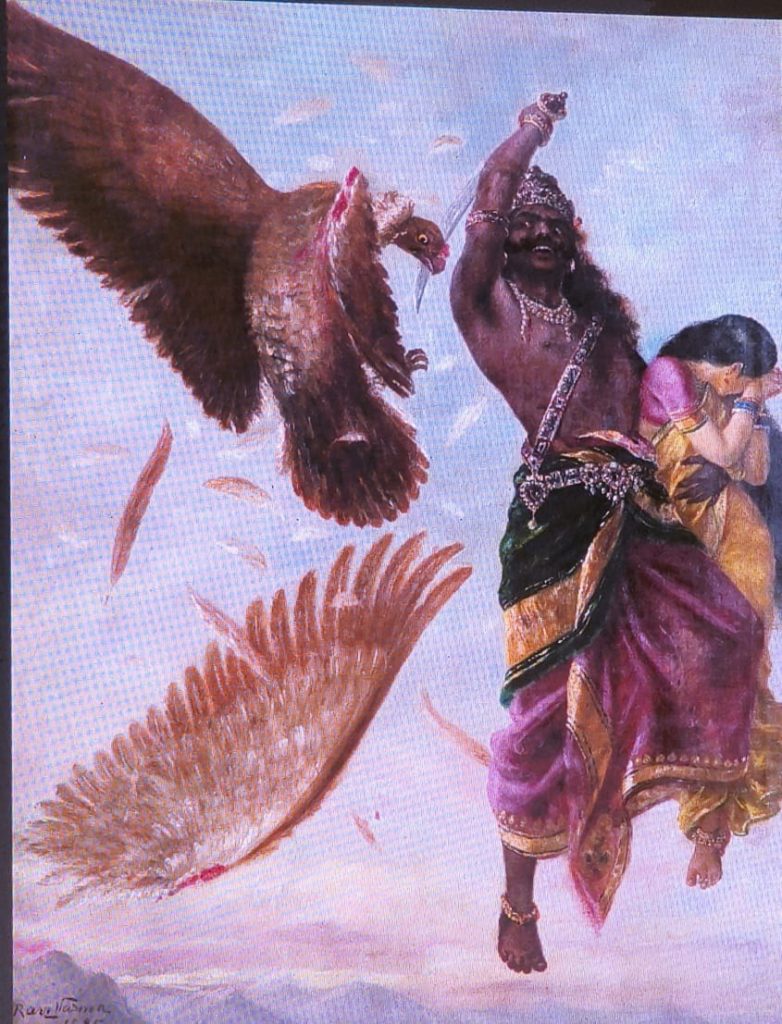
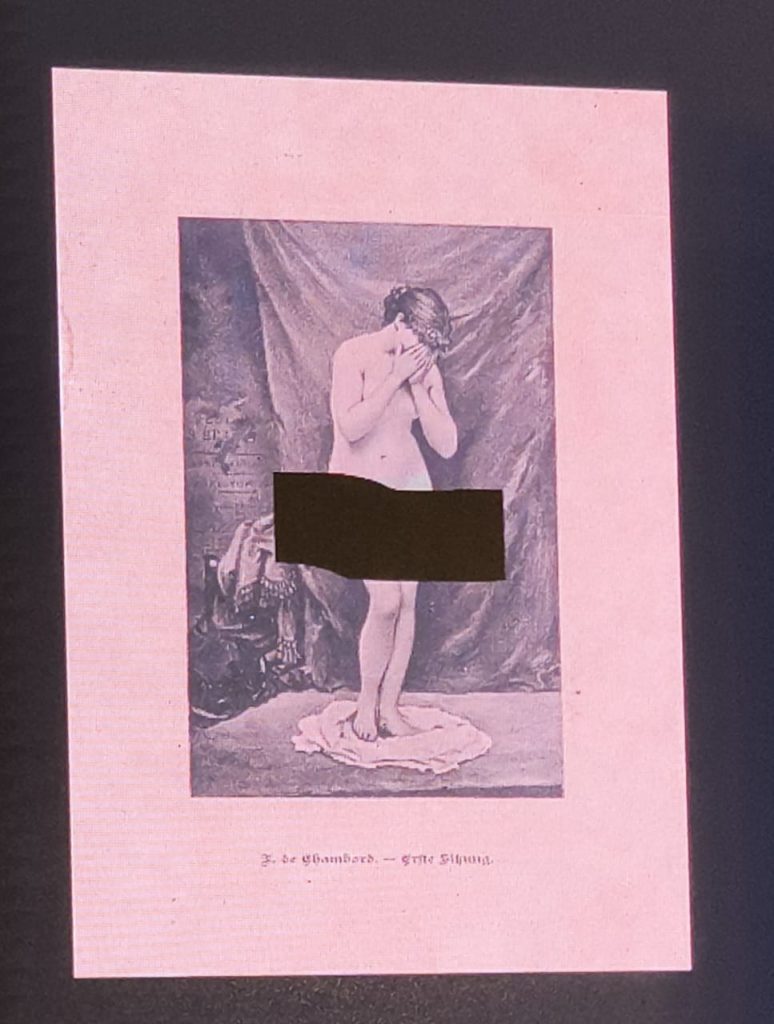
Image Credit: Abir Pothi
The reference to an 1895 version of the work at the Sri Chitra Art Gallery further supported this argument, showing early stages and changes in the artist’s process.
Law Meets Art: A Unique Lens
One of the most striking aspects of the talk was its legal framework. As a lawyer, Ganesh V. Shivaswamy used legal reasoning to examine art history.
He referred to Section 94 of the Indian Evidence Act, which states that when the language of a document is clear, oral evidence cannot contradict it. Applying this to art history, he argued that written records and visual evidence should take precedence over anecdotal or oral accounts.
This approach created a sharp contrast with the way Indian cultural knowledge has traditionally been passed down.
Orality vs Documentation
Alka Pande reflected deeply on this tension between oral and written traditions. She pointed out that India has a strong oral heritage, where knowledge and stories have been passed down through generations without written records.
She noted that much of India’s intangible cultural heritage exists in this oral form. However, systems like law often prioritise written documentation over oral knowledge.
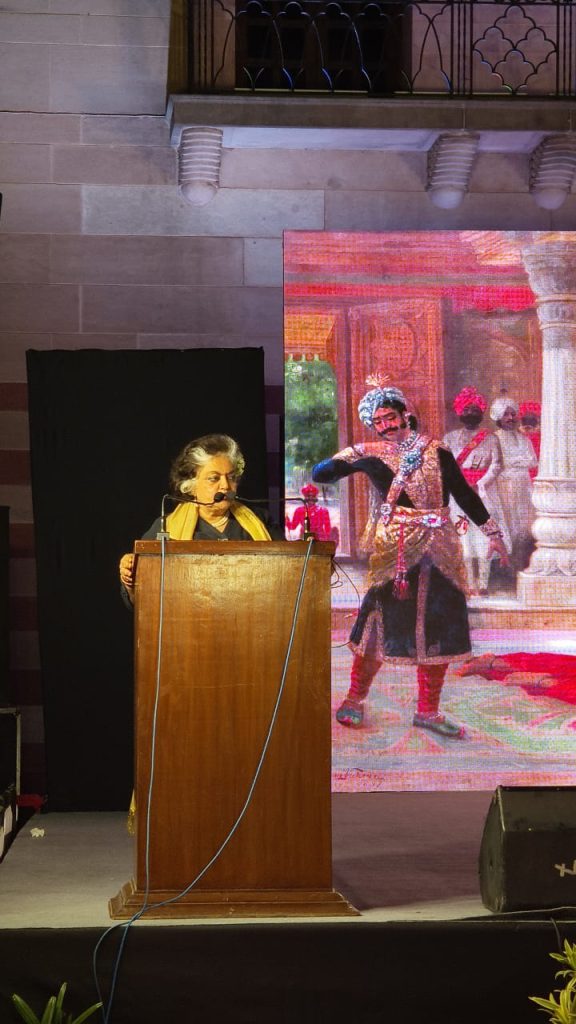
Image Credit: Abir Pothi
This creates a challenge: how do we preserve and respect oral traditions within frameworks that demand written proof?
She emphasised that cultural custodianship must address this gap. As India continues to engage with its past, finding ways to balance these forms of knowledge becomes crucial.
Conflict as a Creative Force
Another key idea that emerged from the talk was the role of conflict in art. According to Alka Pande, some of the most powerful art is created in moments of tension and challenge.
She connected this idea to broader historical and global examples in which conflict has pushed artists to create deeply expressive work. In such moments, art becomes a way to process, question, and respond to change.
Ganesh V. Shivaswamy’s conclusion added an interesting layer to this idea. He suggested that conflict can be positive, while difference can be negative. This statement opened up new ways of thinking about how disagreement and tension function in creative processes.
Alka Pande expanded on this by noting that conflict often leads to deeper thinking and new forms of expression. It challenges artists and, in doing so, produces work with lasting impact.
Historical Contexts and Expanding Narratives
The talk also touched on broader contexts that shaped Ravi Varma’s work. References were made to the Bombay plague and the circulation of a serum from Florence, linking these historical moments to the visual culture of the time.
There was also discussion around how artworks are titled and understood. Sometimes, public interpretations differ from the artist’s original intent or archival records. This creates another layer of conflict between authorship and reception.
Such intersections show that art does not exist in isolation. It is shaped by social, political, and historical forces.
Ālaya Performance Brings Ravi Varma’s Figures to Life
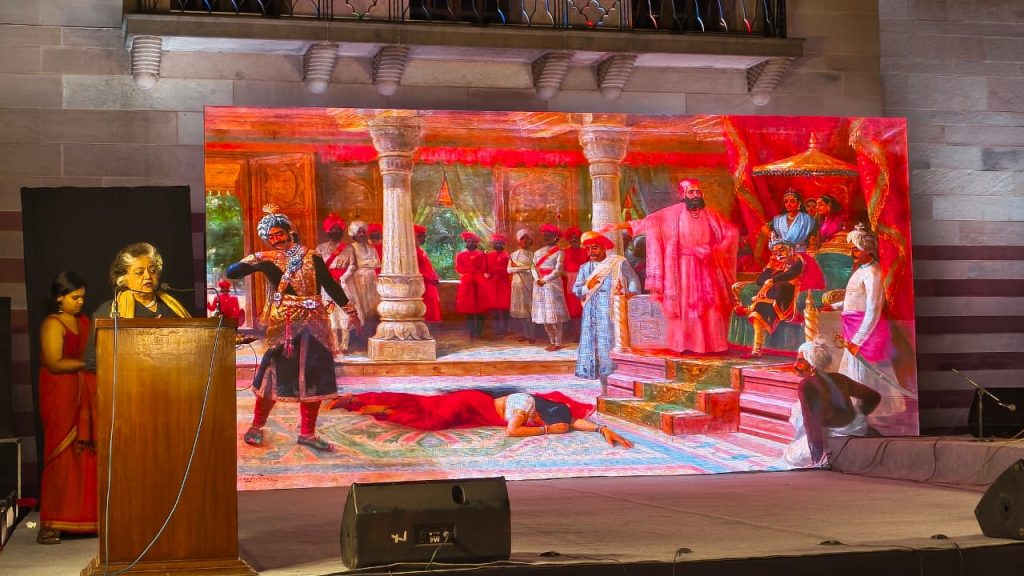
The evening also featured Ālaya, a performance by Thadeem, a musical theatre group known for its evocative use of movement and storytelling. Inspired by Ravi Varma’s paintings, the performance reflected on figures caught in moments of pause and transition, reimagining what might unfold if they stepped out of the canvas and into motion.
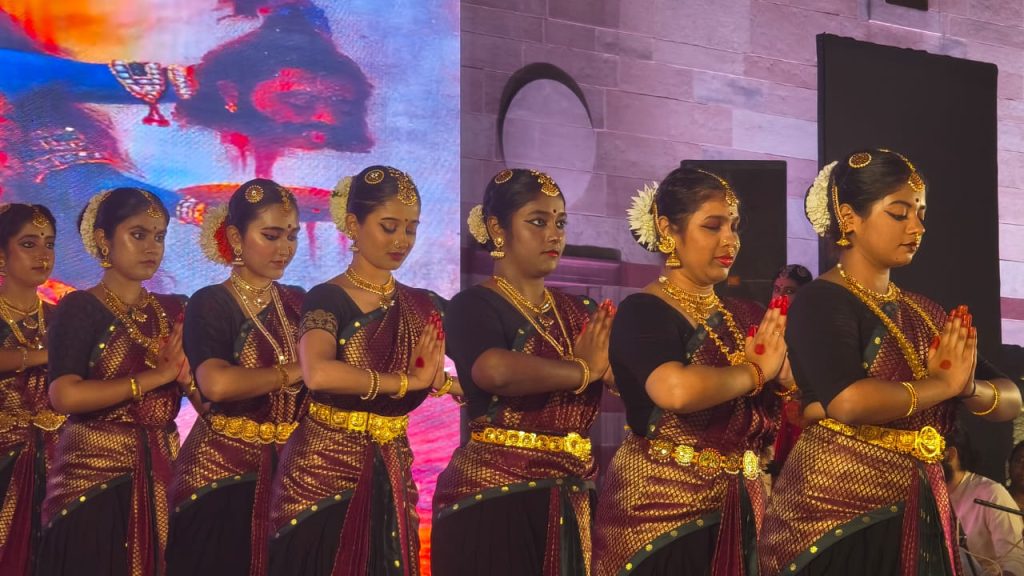
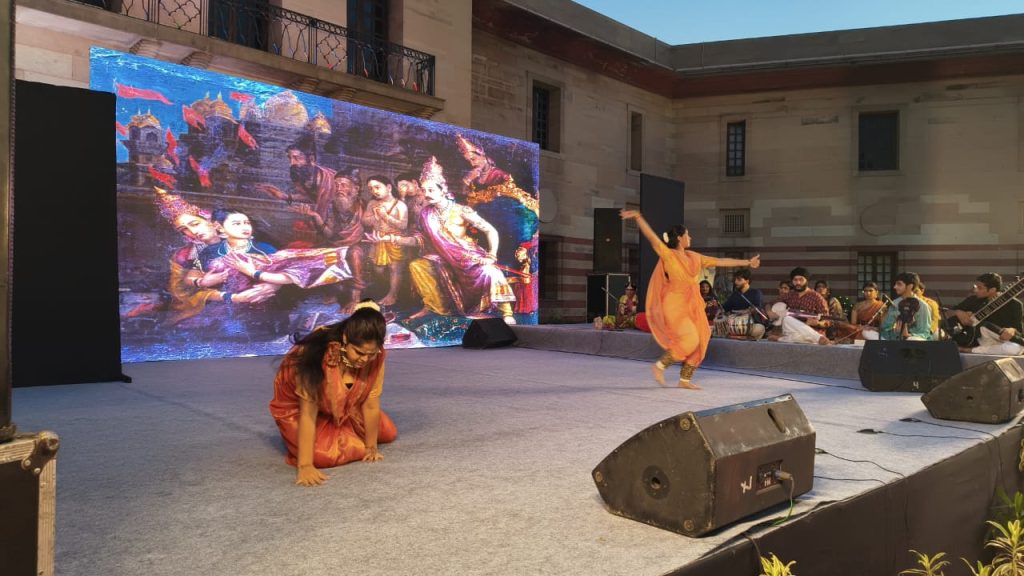
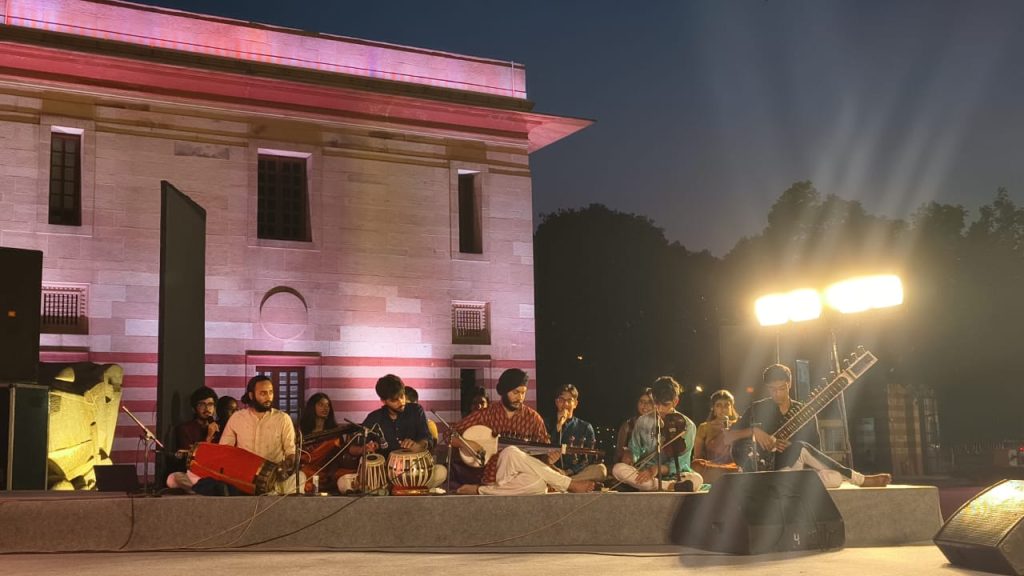
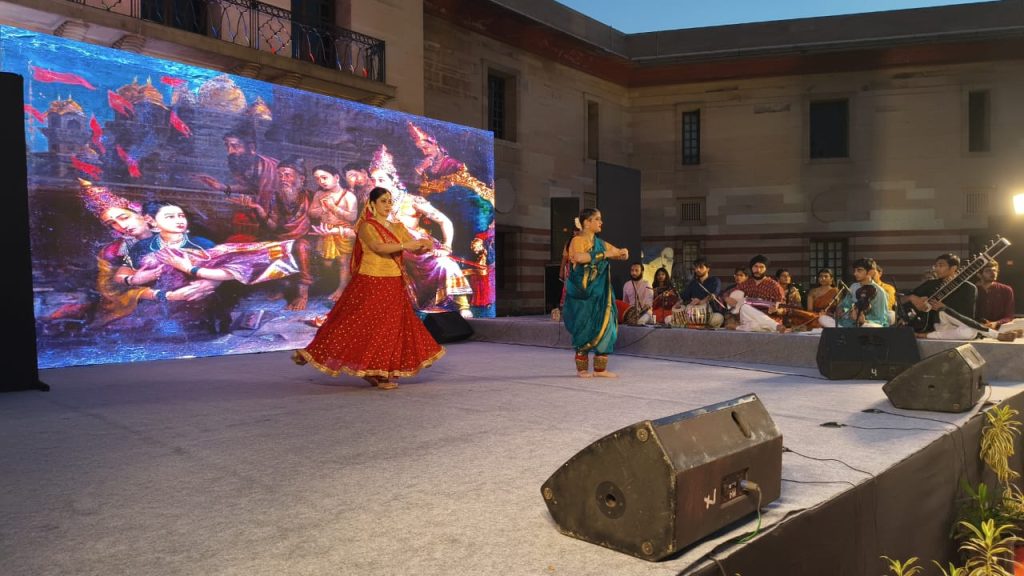
Image Credit: Abir Pothi
A Timely Conversation
The NGMA talk on Raja Ravi Varma’s Ravana brought together multiple disciplines—art history, law, performance, and cultural studies. It highlighted how a single image can hold many meanings and how those meanings continue to evolve.
By examining Ravana not just as a character but as a visual and cultural construct, the discussion opened up new ways of thinking about Ravi Varma’s work.
At a time when his art is once again in public focus, such conversations help deepen our understanding of his legacy. They also remind us that art is never static—it lives, changes, and continues to provoke thought across time.
Cover Image Credit: NGMA Delhi
Akanksha is an Associate Editor at Abir Pothi, writing on contemporary art and creating engaging videos that highlight artists and make art accessible to wider audiences.