Kensington Palace has opened a compelling new exhibition, The Last Princesses of Punjab, spotlighting the extraordinary life of Princess Sophia Duleep Singh—an exiled Punjabi royal who became a leading figure in Britain’s suffragette movement. Marking the 150th anniversary of her birth, the exhibition runs until November 2026 and reframes imperial history through the intertwined lives of six women shaped by colonial power and resistance.
Sophia, the daughter of Maharaja Duleep Singh—the last ruler of the Sikh Empire—was born into displacement. Her father was forced to cede Punjab to the British East India Company in 1849 and surrender the Koh-i-Noor diamond, now embedded in the British Crown Jewels. Raised within British aristocracy and a goddaughter of Queen Victoria, Sophia would later challenge the very establishment that had absorbed her family.
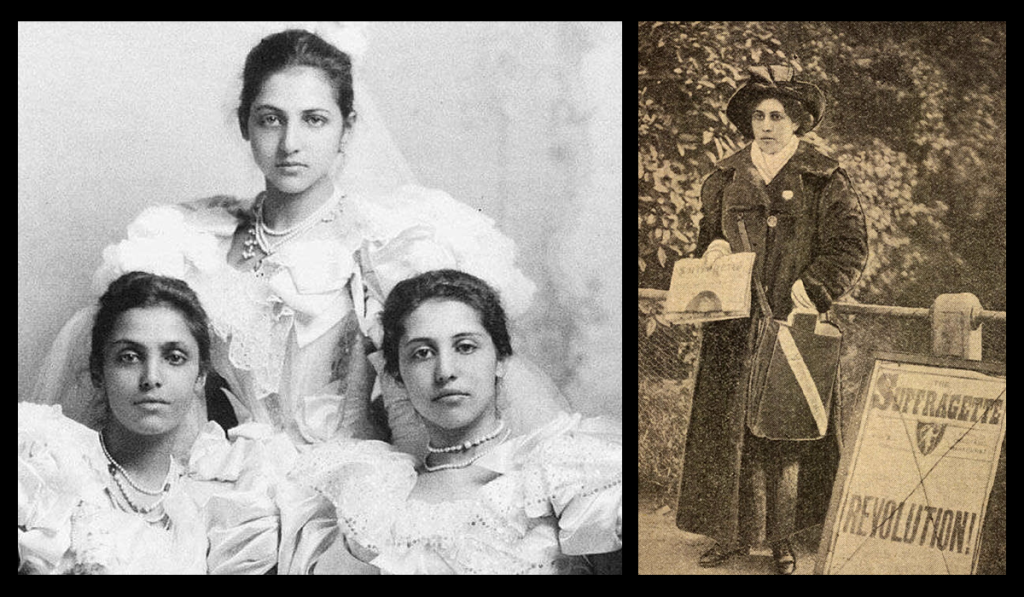
At the heart of the exhibition are rare archival materials that trace her transformation into a militant suffragette. Among the highlights is a bound volume of The Suffragette newspaper featuring Sophia selling copies outside Hampton Court Palace, where she lived. A handwritten letter to Winston Churchill documents her eyewitness account of police brutality during the 1910 Black Friday protests. Her activism extended to tax resistance—she was prosecuted multiple times for refusing to pay taxes under the slogan “No Vote, No Tax.”
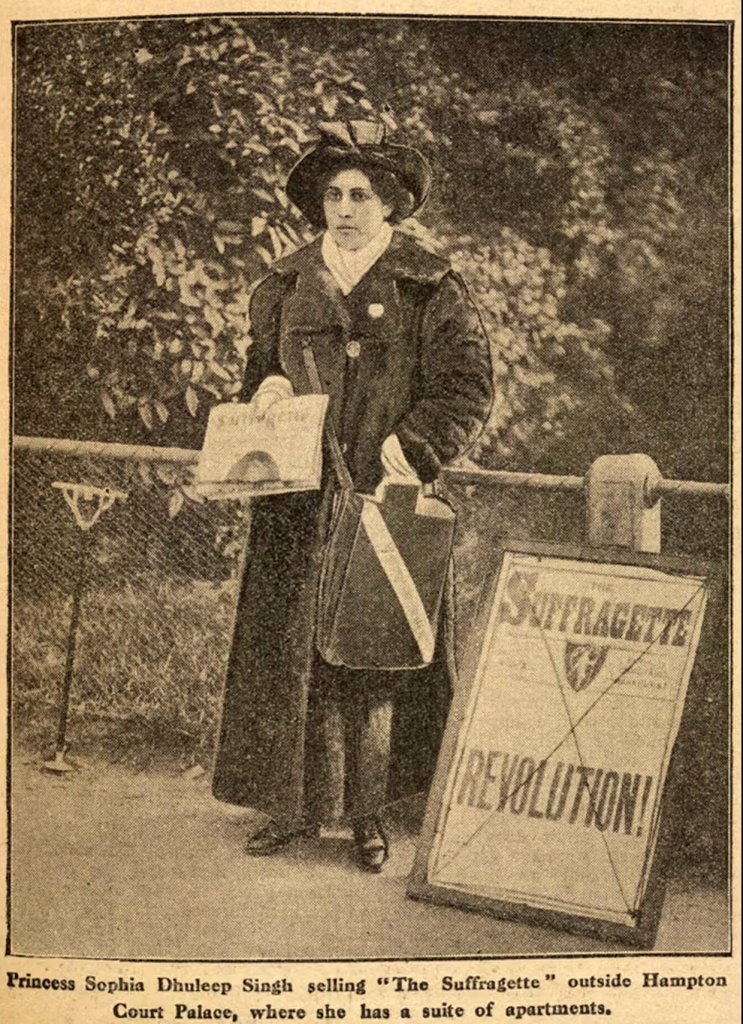
Curated by Historic Royal Palaces, the exhibition situates Sophia’s story alongside those of five influential women: her sisters Catherine and Bamba, her mother Bamba Müller, her grandmother Maharani Jind Kaur, and Queen Victoria. Through personal letters, photographs, and objects—from embroidered childhood garments to heirloom jewellery—the display explores how identity, gender, and empire intersected across generations.
The narrative also foregrounds lesser-known histories. Catherine Duleep Singh’s efforts to support Jewish refugees fleeing Nazi Germany are illustrated through personal artefacts, including a pendant gifted to a young refugee she sponsored. Meanwhile, Maharani Jind Kaur’s resistance against British annexation underscores the origins of the family’s dispossession.
Importantly, the exhibition does not shy away from contradictions. While the sisters benefited from aristocratic privilege, they were also products of imperial violence. Their engagements with women’s rights, education, and humanitarian causes reveal the complexities of navigating identity within—and against—the structures of empire.
Contemporary responses from British South Asian women are woven throughout the exhibition, adding present-day perspectives on heritage, resistance, and representation. This inclusion broadens the narrative beyond historical retelling, positioning it within ongoing conversations about colonial memory and identity.

Contributor