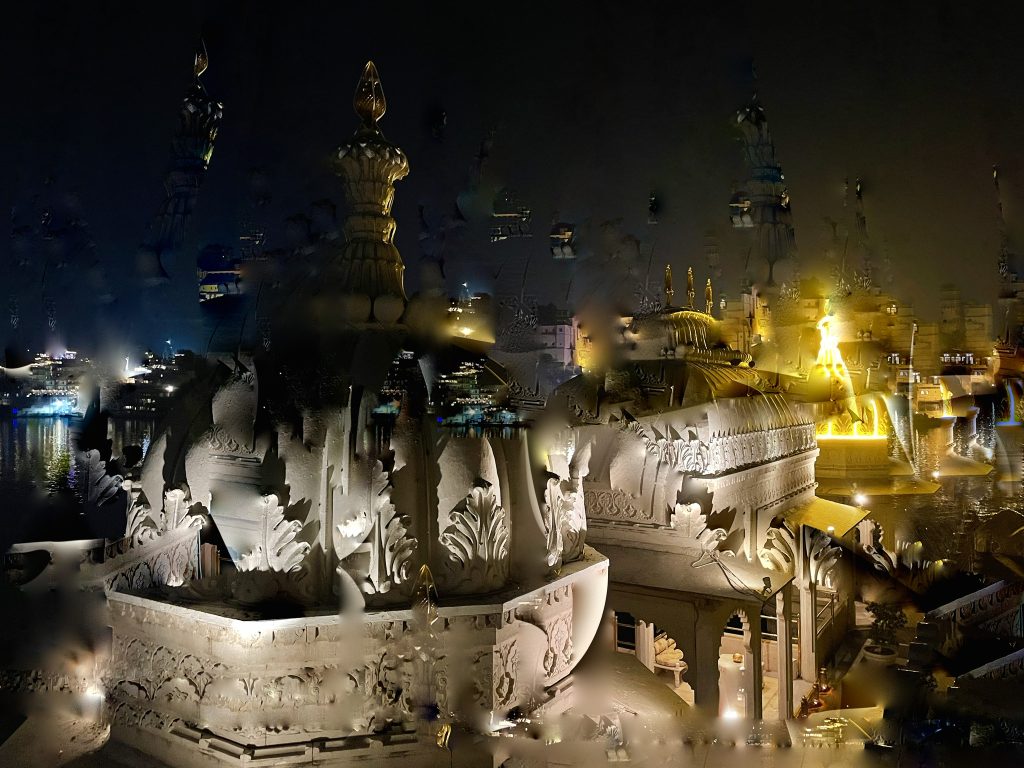
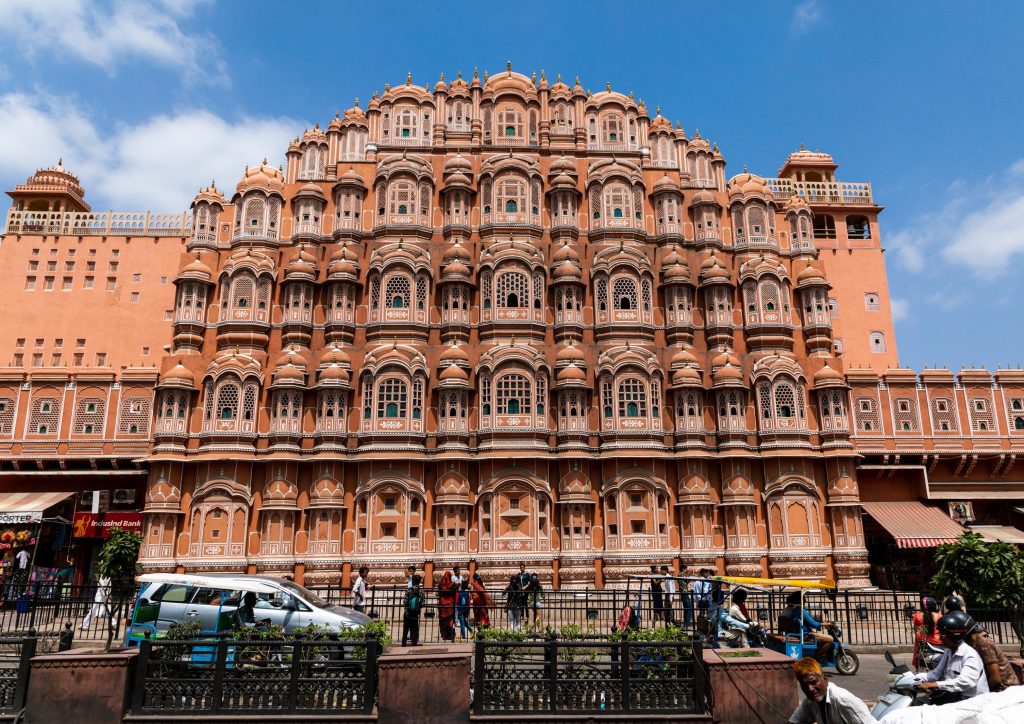
India’s built environment carries the memory of many centuries. From ancient temples and stepwells to Mughal mausoleums and colonial buildings, architectural heritage shapes how people understand history, culture, and place. Conserving this heritage is not just about protecting old structures. It is about preserving knowledge, identity, and the continuity of communities across time.
Architectural heritage helps citizens connect to the past in a physical way. Standing in front of a centuries‑old temple, a colonial railway station, or a traditional courtyard house makes history tangible. This experience is not the same as reading a textbook or watching a documentary. The material form of buildings, their materials, proportions, and ornamentation speak directly of the skills, beliefs, and daily lives of earlier generations. When these structures disappear, that direct link to the past becomes weaker.
Heritage buildings also play a role in shaping local and national identity. In a large and diverse country like India, the built environment offers a common thread that can unite people across regions and communities. A mosque, a temple, a gurdwara, a church, or a colonial courthouse can all be sites where people feel a sense of belonging and shared history. Conserving these places helps maintain a sense of continuity and stability, especially in times of rapid change and urban expansion.
Another important reason to conserve architectural heritage is economic and social value. Well‑maintained historic sites attract tourism, create local jobs, and support small businesses such as guides, artisans, and food vendors. Adaptive reuse projects, where old buildings are carefully converted for new uses, can also reduce the need for new construction and lower environmental costs. By investing in conservation, cities can use existing structures in a sustainable way rather than constantly building new ones.
Environmental considerations also support heritage conservation. Traditional Indian architecture often uses locally available materials, responds to climate, and relies on passive systems like courtyards, jalis, and thick walls for cooling. These features can offer useful lessons for contemporary design. When historic buildings are lost, that accumulated knowledge of climate‑responsive construction is also at risk of being forgotten or ignored.
Finally, conserving architectural heritage is a democratic act. Heritage is not only in famous monuments but also in vernacular houses, marketplaces, and industrial sites that reflect everyday life. Saving these structures means recognizing that the lives, work, and creativity of ordinary people also deserve to be remembered and respected. When conservation respects local communities and their histories, it becomes a tool for social inclusion rather than exclusion.
In a rapidly changing India, where new buildings and infrastructure are constantly rising, the decision to conserve architectural heritage is a choice about what kind of future the country wants. Preserving old buildings does not mean rejecting new development. It means ensuring that progress does not come at the cost of erasing the layers of history that give Indian cities and towns their depth, character, and meaning.

Athmaja Biju is the Editor at Abir Pothi. She is a Translator and Writer working on Visual Culture.