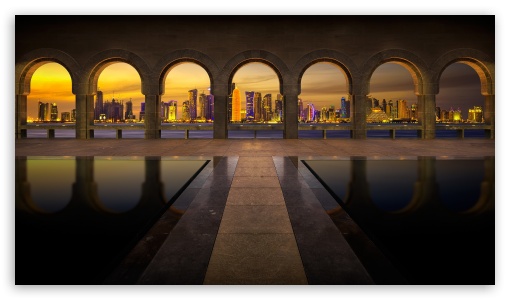
Design surrounds us in everything we use and see, from the chair you sit on to the app you scroll through. It is the silent language that shapes how we interact with the world. Fundamentally, design is a thoughtful process of solving problems through form, function, and emotion. It creates connections between aesthetic intention and practical usefulness. Whether in architecture, visual communication, product development, or digital media, design turns ideas into tangible experiences.
What Is Design?
Design is decision-making guided by purpose. A designer studies human needs and translates them into solutions using materials, technology, and context. Every design discipline relies on basic principles such as balance, contrast, unity, emphasis, and proportion. These principles ensure harmony and guide the viewer’s perception. For instance, balance creates visual stability, contrast adds focus, and proportion maintains scale and composition.
Design combines form and function, a concept famously expressed by modernist architect Louis Sullivan: “Form follows function.” A successful design works beautifully while achieving its goal, whether it is a minimalist poster, a sustainable building, or a seamless user interface.
Why Design Matters
Design deeply influences how societies grow, communicate, and evolve. Good design simplifies complexity and adds emotional meaning to ordinary moments. In the modern era, it drives innovation, as seen in how Apple reshaped technology through user-friendly aesthetics or how IKEA made functional furniture accessible to people everywhere.
Design also reflects social awareness. Sustainable and inclusive design practices show our changing priorities toward ecological balance, equality, and community well-being. In this way, design moves beyond objects and becomes a cultural force that shapes behavior and identity.
Major Figures and Movements
Throughout history, several designers and movements have transformed the understanding of design:
- Bauhaus (Germany, 1919–1933): United art, craft, and technology, promoting clean lines and functional forms.
- Charles and Ray Eames: Innovators of modern furniture design who emphasized simplicity and playfulness in everyday life.
- Dieter Rams: Developed his “Ten Principles for Good Design,” advocating clarity, longevity, and sustainability.
- Paul Rand: Revolutionized graphic design through corporate identity, creating timeless logos for brands like IBM and ABC.
- Zaha Hadid: Pushed architectural boundaries with fluid structures and futuristic vision.
The Relevance Today
In the 21st century, design has grown beyond surface appearance into systems thinking and social impact. UX and UI design shape how we experience digital platforms. Sustainable design drives architecture and manufacturing toward environmental responsibility. Community design focuses on inclusivity, empathy, and public well-being. Today’s designer must balance creativity with ethics, ensuring that solutions serve people and anticipate future needs.
Learning design is learning to see. It teaches observation, rhythm, logic, and empathy. Ultimately, design connects people and ideas to create meaningful change through purposeful creation.
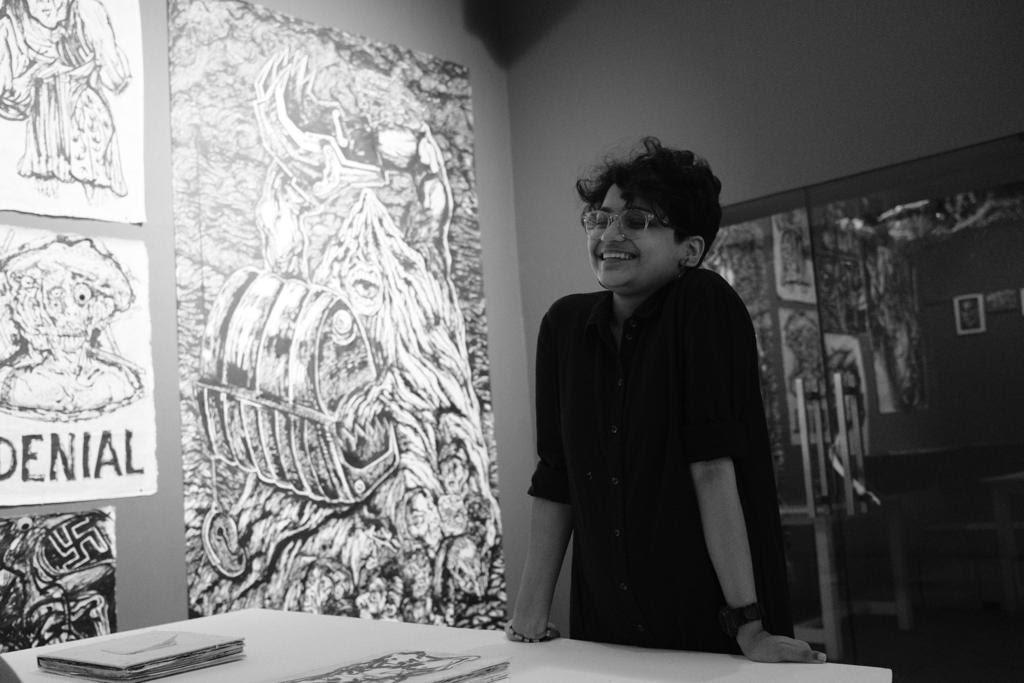
Athmaja Biju is the Editor at Abir Pothi. She is a Translator and Writer working on Visual Culture.