Catharsis Art Gallery x TAK Contemporary presents & curates a new exhibition of South Asian art this month, bringing together modern and contemporary artists under the title Ceci n’est pas un paysage. The group show opens on 9 April 2026 and runs until 25 April 2026 at Galerie l’Aléatoire, 29 rue de Bièvre, 75005 Paris.
Exhibition Focus
The exhibition takes landscape as its central idea, but not in a literal sense. The curatorial statement describes landscape as something shaped by memory, labour, migration, politics, diaspora, and psychological experience. It argues that landscape is never neutral and should be read as a constructed condition rather than a simple view.
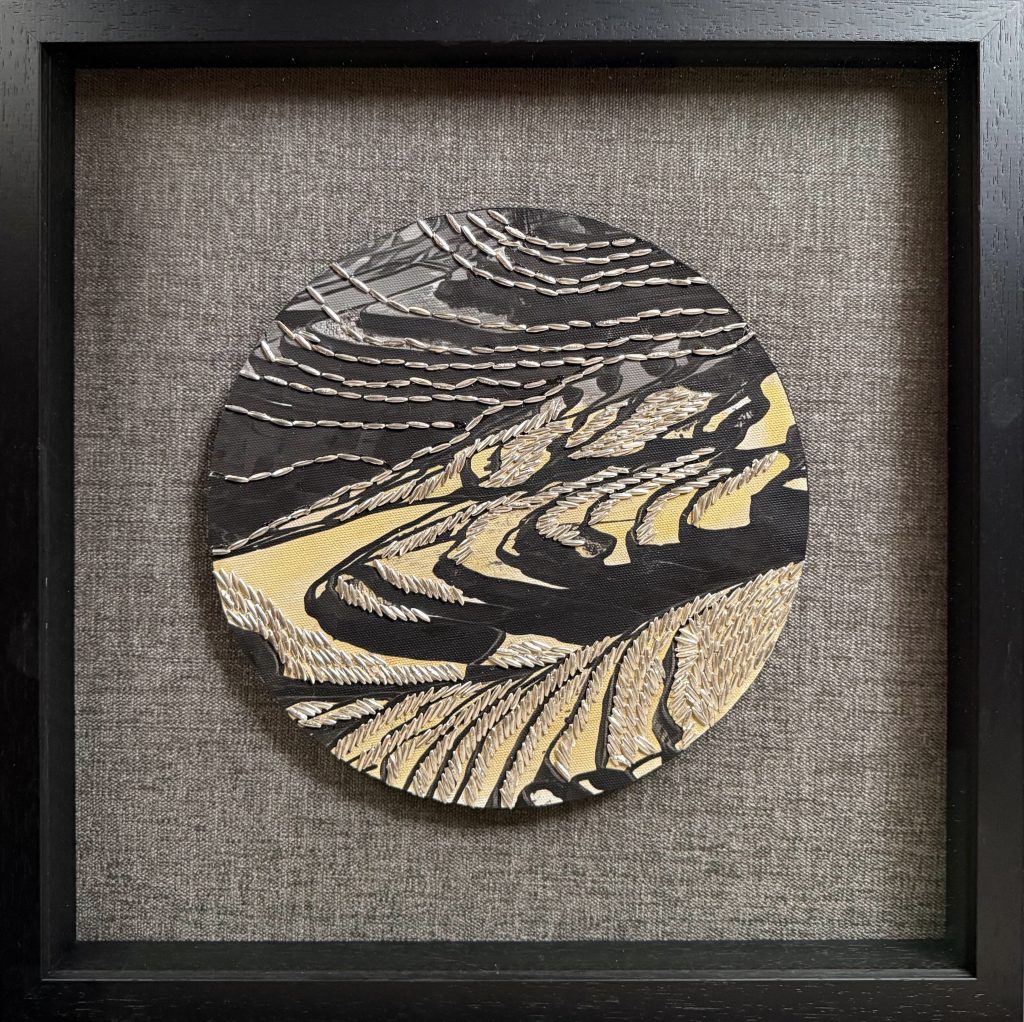
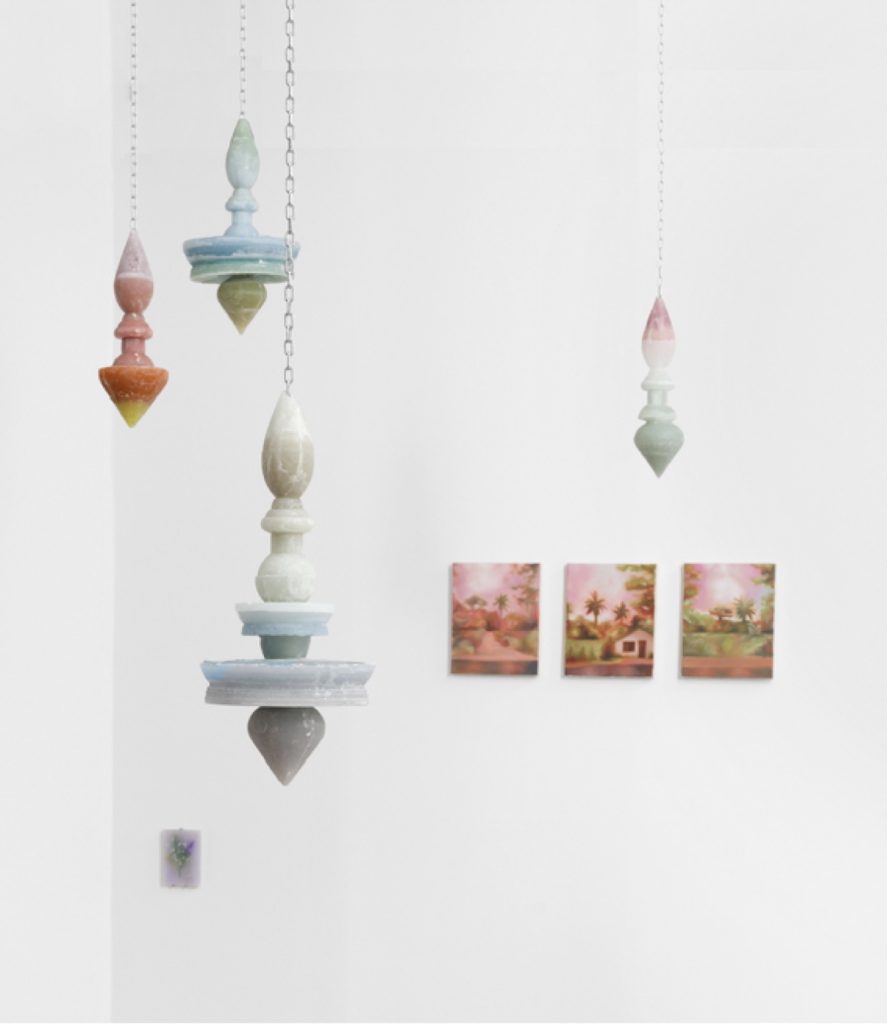
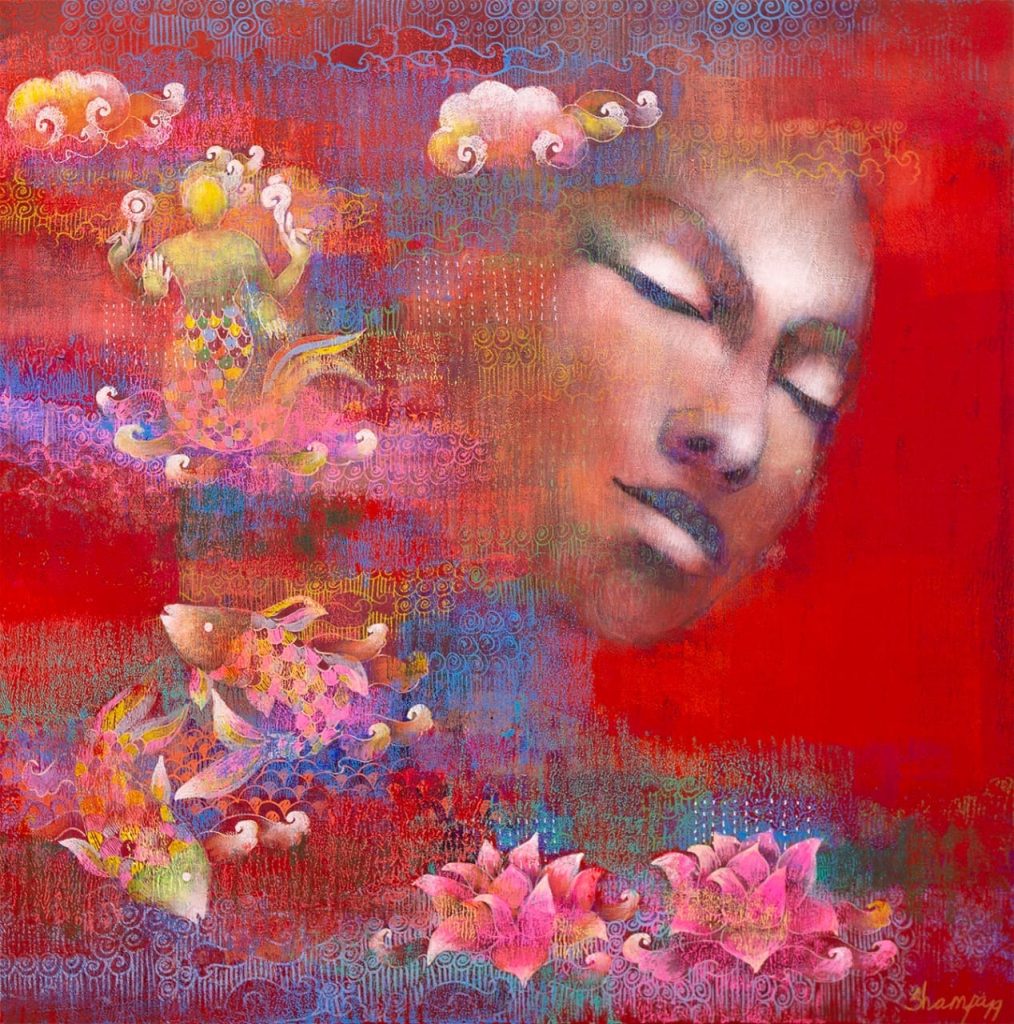
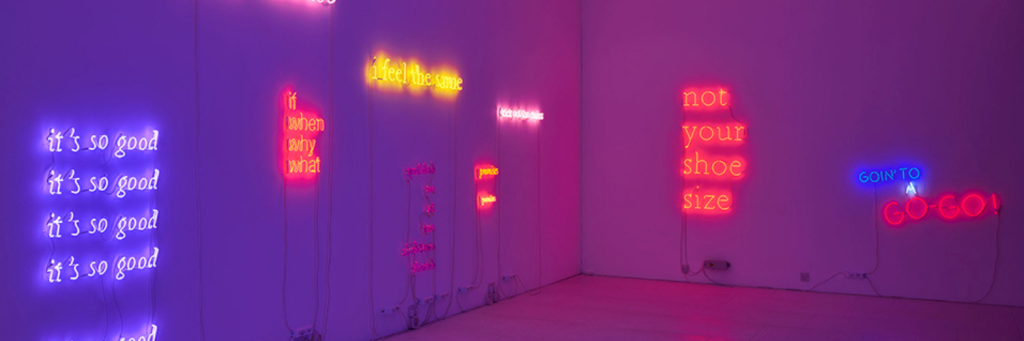
Revati Sharma Singh| Inheritance of Hunger I | 2026 | Sterling silver hand made grains on archival ink on canvas, box frame with museum glass | 40.64 × 40.64 cm &Abirami | Installation view, Salon de | Montrouge, 2026 | Image courtesy: Aurélien Mole
Artists Featured
The show includes thirteen artists from South Asia and its diaspora, spanning several generations. The list brings together modern masters such as M. F. Husain, Ram Kumar, J. Swaminathan, K. S. Kulkarni, Avinash Chandra, Lalitha Lajmi, Paramjit Singh, Achuthan Kudallur, and Anju Chaudhuri, alongside contemporary artists including Abirami, Abul Hisham, Darshan Manjare, Revati Sharma Singh, and Sudhakar Chippa.
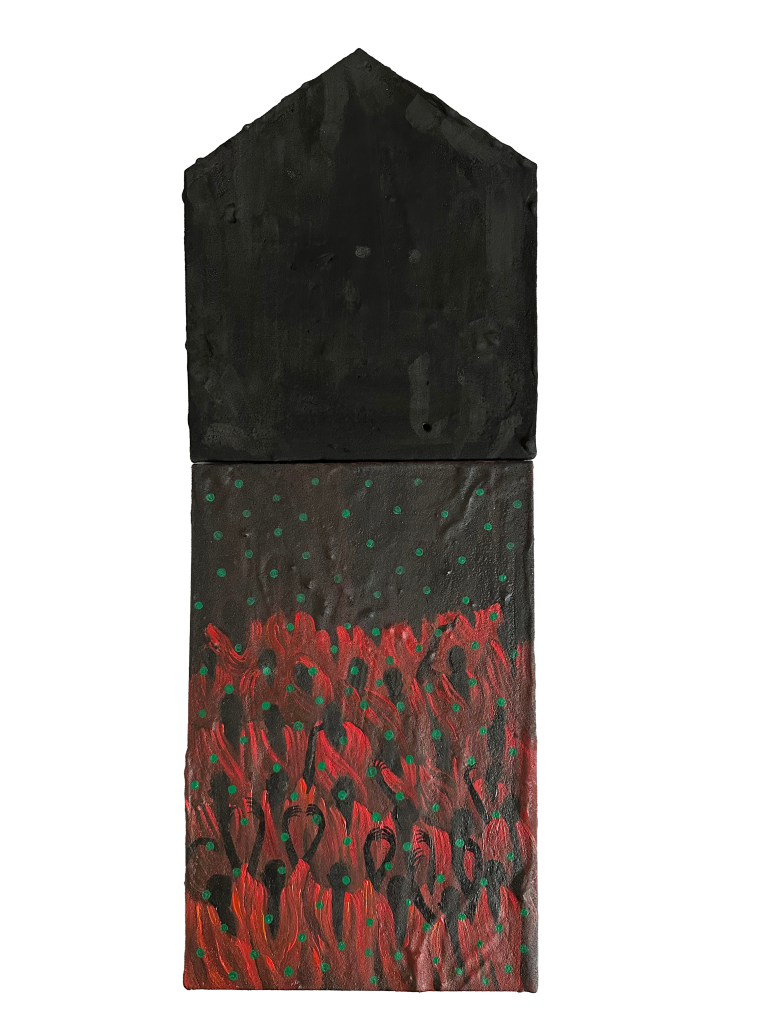
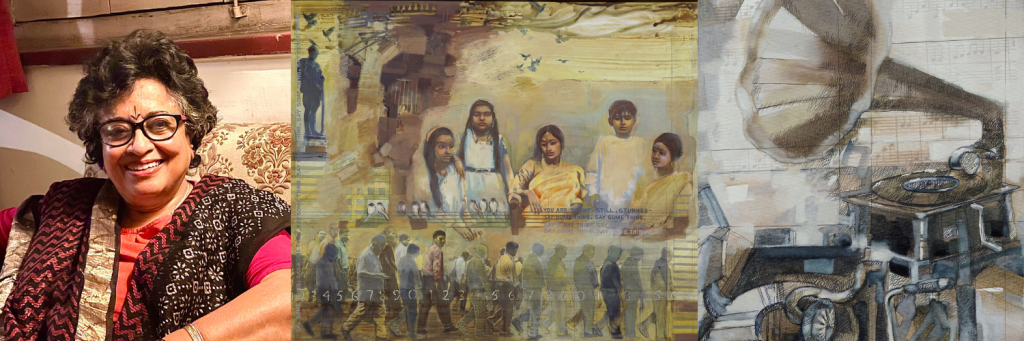
Abul Hisham| Fruit catchers and the flame bearers, 2025 | Acrylic and casting powder on wood and polyurethane foam | 68 x 25 cm &
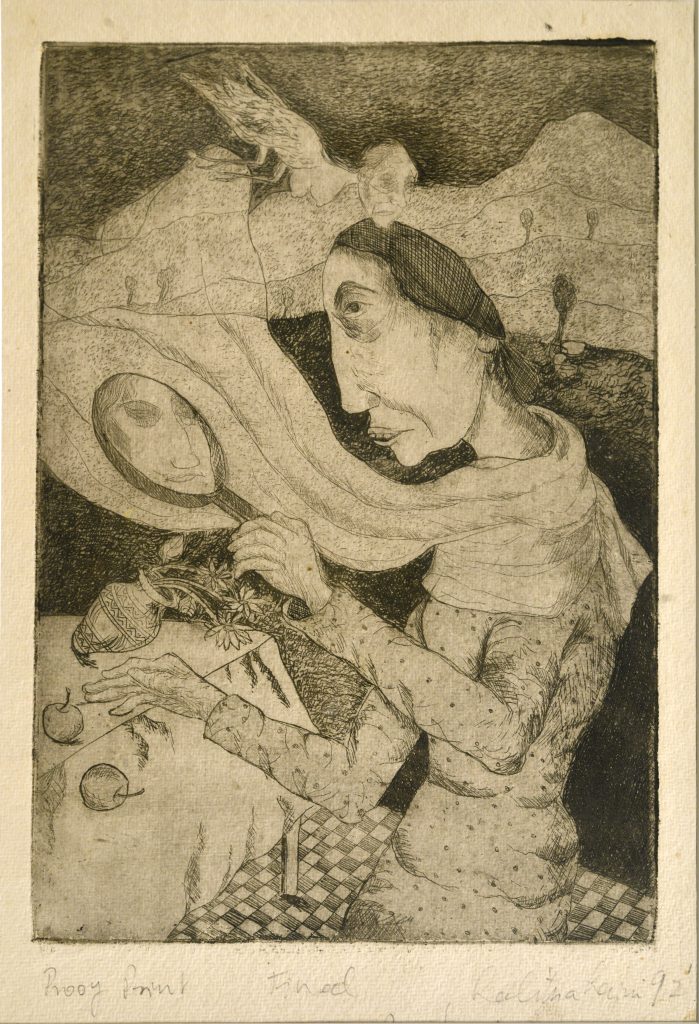
Lalitha Lajmi | The Dreamer, 1992 | Etching (15/20) | 49,6 x 34,9 cm
Curatorial Approach
The works move between external terrains and interior states. Some artists approach land through labour, agriculture, and displacement, while others connect it to ritual, mythology, ecology, or memory. The exhibition also highlights diasporic experience, especially in the work of Abirami, whose practice draws on Tamil identity, exile, and personal remembrance.
“In the works of J. Swaminathan and Sudhakar Chippa, land is articulated through labour, migration, and the tension between rural and urban life. Swaminathan, working in the decades following Indian independence, challenged the dominance of Western modernism by foregrounding rural and indigenous visual languages. Chippa’s material engagement with terracotta and cartographic forms reflects contemporary negotiations of displacement and receding presence of nature”. The curatorial statement reads.
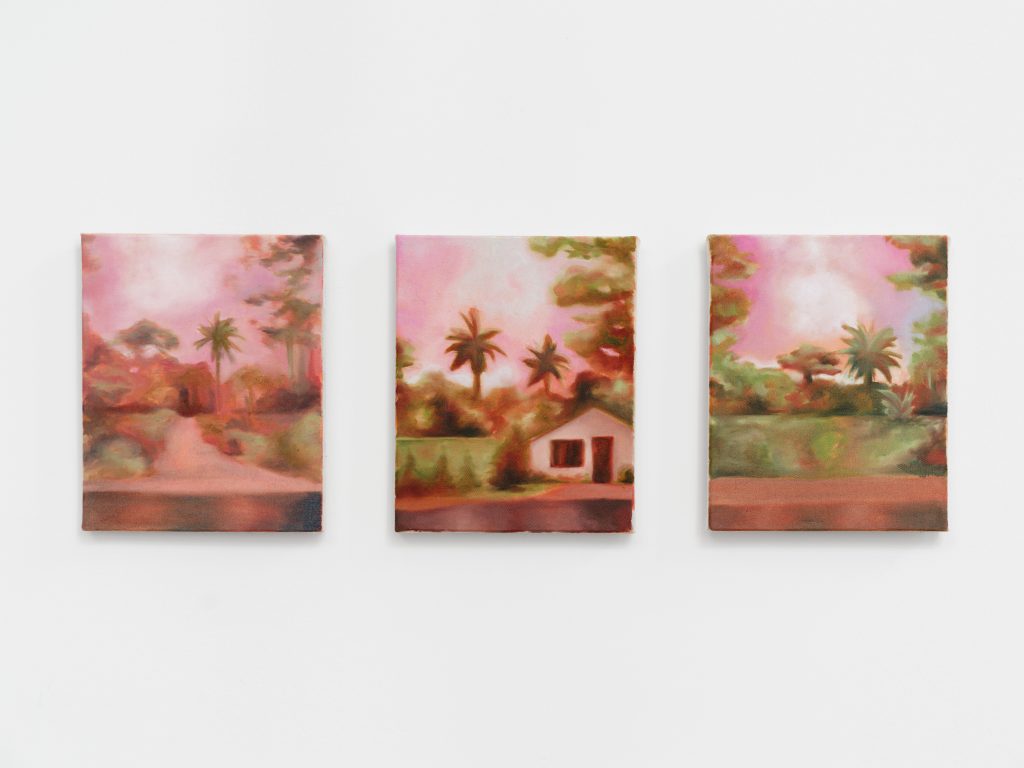
Contemporary and Modern Dialogue
The curators place modern and contemporary practices in direct conversation. Established figures such as Husain, Ram Kumar, and Swaminathan represent key moments in post-independence Indian art, while younger artists bring new materials and concerns into the discussion. This structure gives the exhibition a broad historical range and positions landscape as a shared but evolving theme across South Asian art.
Exhibition Significance
The Paris presentation also reflects the growing visibility of South Asian art in Europe. By combining different generations, media, and artistic languages, the exhibition aims to show how landscape can become a carrier of history, identity, and change. It presents the subject not as scenery, but as a site where culture and memory are continually remade.
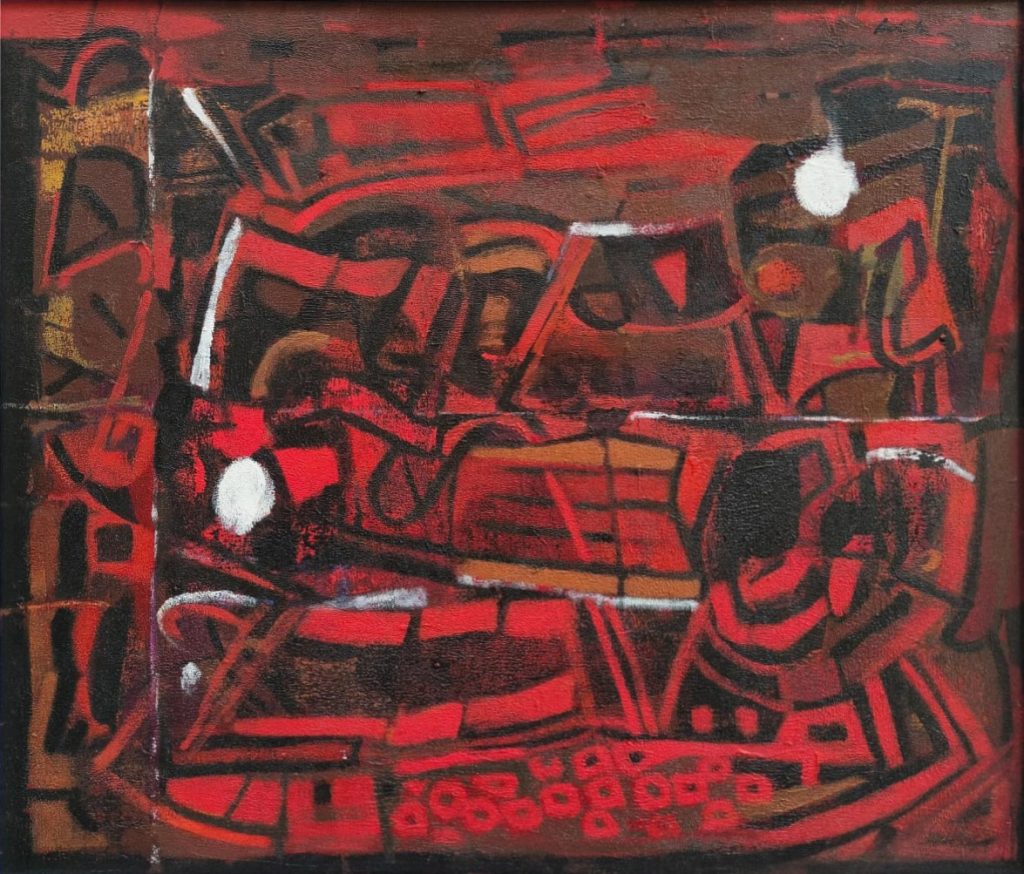
Achuthan Kudallur | Cover Image: Untitled, Circa 2000s | Acrylic on Canvas | 76.20 × 88.90 cm | Image courtesy of the Gallery
Athmaja Biju is the Editor at Abir Pothi. She is a Translator and Writer working on Visual Culture.