Between fairgrounds, collector previews and after-parties, the city’s galleries and institutions are humming with heavyweight retrospectives, tech-inflected experiments and quietly radical solos. Here is a list of exhibitions you should not miss while you are in town.
Atul Dodiya: The Gatecrasher at Vadehra Art Gallery
Details
On View: 3 February – 10 March 2026
D53 Defence Colony, New Delhi
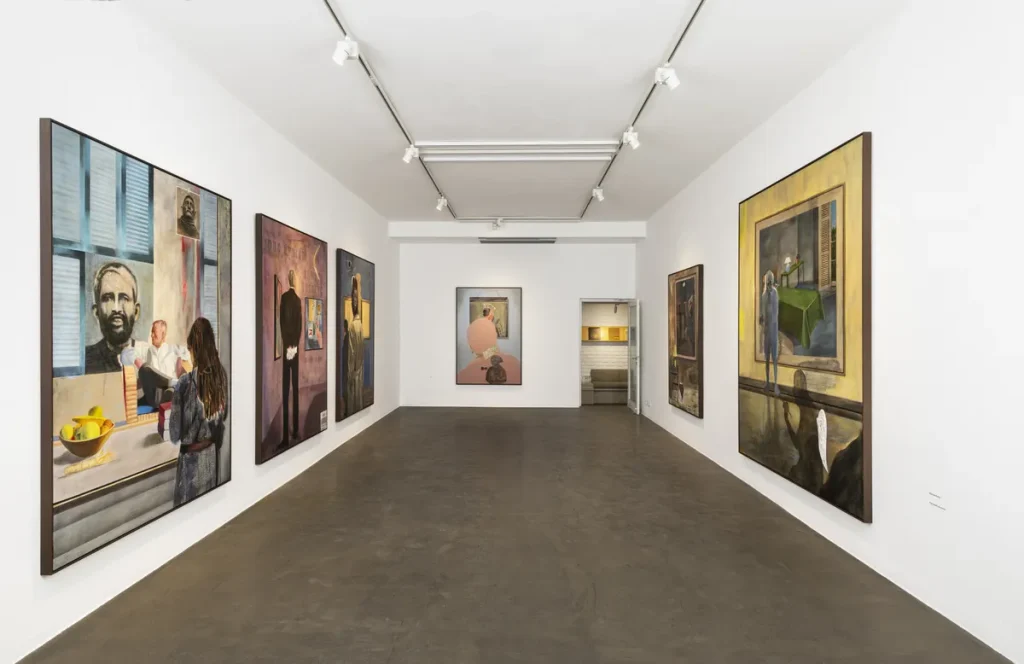
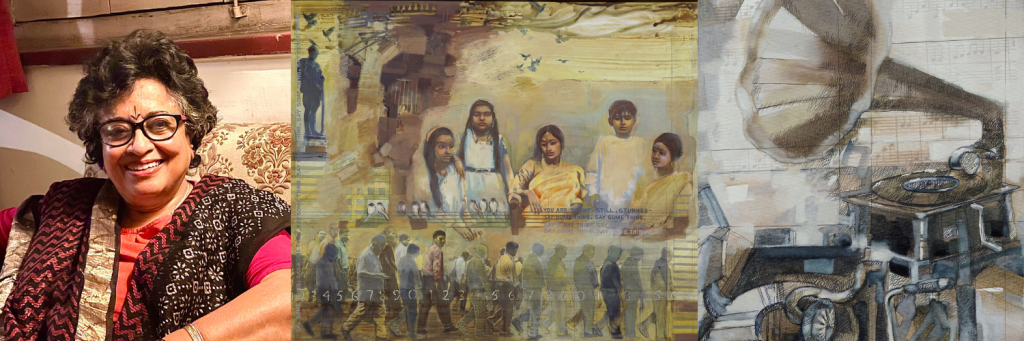
In “The Gatecrasher”, Atul Dodiya once again stages painting as an arena where art history, cinema, memory and spectatorship collide. The exhibition functions like a hall of mirrors: paintings within paintings, viewers watching viewers, domestic interiors, museums and studios all folding into one another. Dodiya’s long-standing engagement with quotation and homage is evident, but here the focus is as much on the act of looking itself—how memory “plays on your mind” when you encounter art. The result is a deliberately complex narrative where nothing remains simple, yet the very density of references becomes a playful, affectionate meditation on being a lifelong viewer and maker.
Print Age, curated by Johny ML at Dhoomimal Gallery, Connaught Place
Details:
Preview: 3 February 2026
On view: 4 February – 15 March 2026 | 11:00 am – 7:00 pm
Venue: Dhoomimal Gallery, G‑42, Block G, Connaught Circle, New Delhi
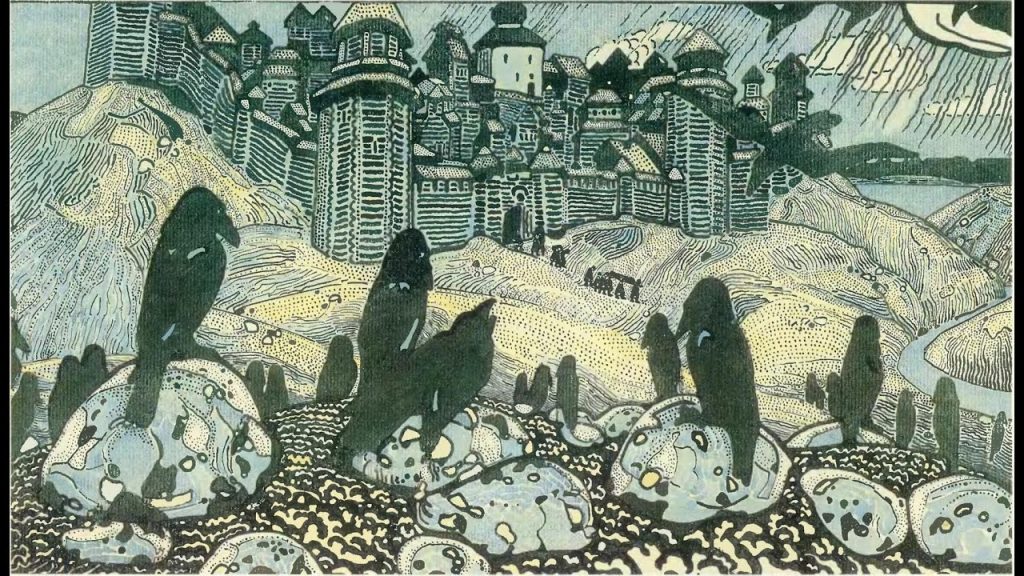
Bringing together 156 works by 80 artists, “Print Age” is an ambitious survey of printmaking’s pasts and futures in the era of AI. From global masters like Pablo Picasso, Marc Chagall and Anish Kapoor to key figures in Indian printmaking such as K. Laxma Goud, Jyoti Bhatt, A. Ramachandran and Anupam Sud, the show tracks how the medium has historically navigated questions of reproduction, authorship and dissemination. Emerging practitioners push this legacy further, folding in digital tools and computational logics, asking what constitutes a “print” when both image and intelligence can now be mechanically copied. For India Art Fair visitors, this is a rare chance to see printmaking positioned not as a minor discipline but as a prism for thinking about image culture in the age of algorithms.
Are You Human? at Khoj Studios and DLF Avenue, Saket
Details:
On view: 30 January – 28 February 2026
Venues: Khoj International Artists’ Association, Khirki Extension, and DLF Avenue Mall, Saket
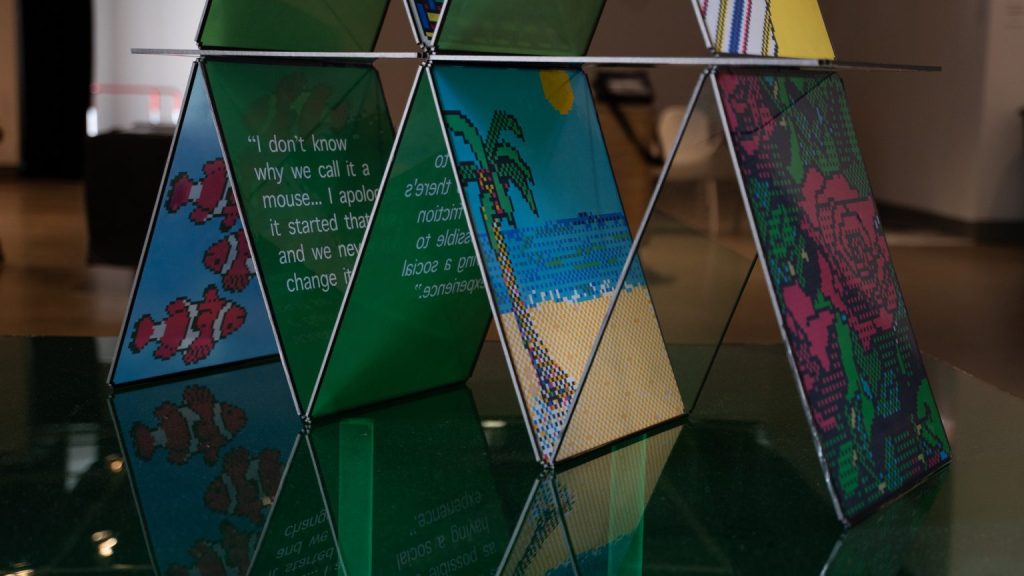
Khoj’s “Are You Human?” is one of the sharpest conversations around art, technology and public life this season. Split between the intimacy of Khoj Studios and the hyper-commercial space of a mall, the exhibition assembles international artists engaging with identity, intimacy, ecology and surveillance amid accelerating automation. The accompanying symposium, conceptualised with researcher and writer Mila T. Samdub, deepens the inquiry into how bodies and machines co-produce contemporary publics. Long invested in performance, digital culture and experimental practices, Khoj here leverages its research-driven approach to question how “humanness” itself is coded, quantified and policed.
Place No Trace / Trace No Place: The Luminous Twilight by Om Soorya at Palette Art Gallery, Golf Links
Details:
On view: 24 January – 21 February 2026
Venue: Palette Art Gallery, 14 Golf Links, New Delhi
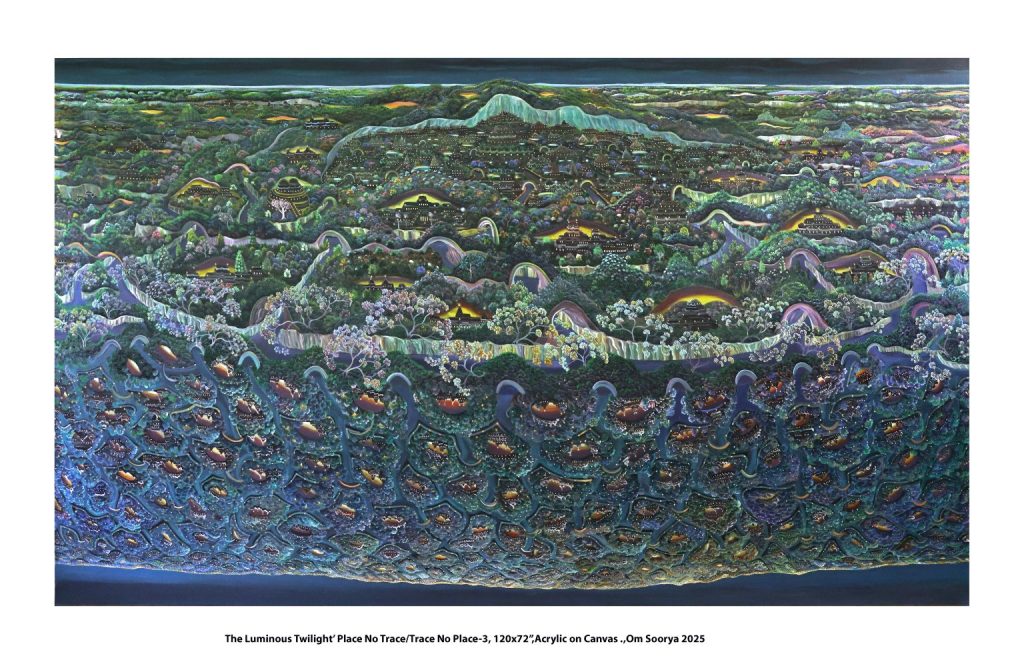
In “Place No Trace / Trace No Place: The Luminous Twilight”, Om Soorya turns landscape into a psychological terrain that slips between architecture, topography and dream. From afar, the paintings read as cohesive, monumental structures; up close, they disintegrate into intricate details that hint at cities, boulevards and mandala-like formations. Soorya works with calibrated colour fields that sit in a state of charged stillness, alive with an undercurrent of temporal movement. Eschewing geographic specificity, his “inscapes” operate as mindscapes where memory, myth and imaginative projection fuse—making this exhibition a contemplative counterpoint to the fair’s visual overload.
With Her Hair Running Wild by Seema Kohli at Gallerie Nvya
Details:
With Her Hair Running Wild
On view: 18 January – 15 March 2026 | 11:00 am – 7:00 pm (Mon–Sat)
Venue: Gallerie Nvya, 205, Triveni Kala Sangam, Tansen Marg, Mandi House
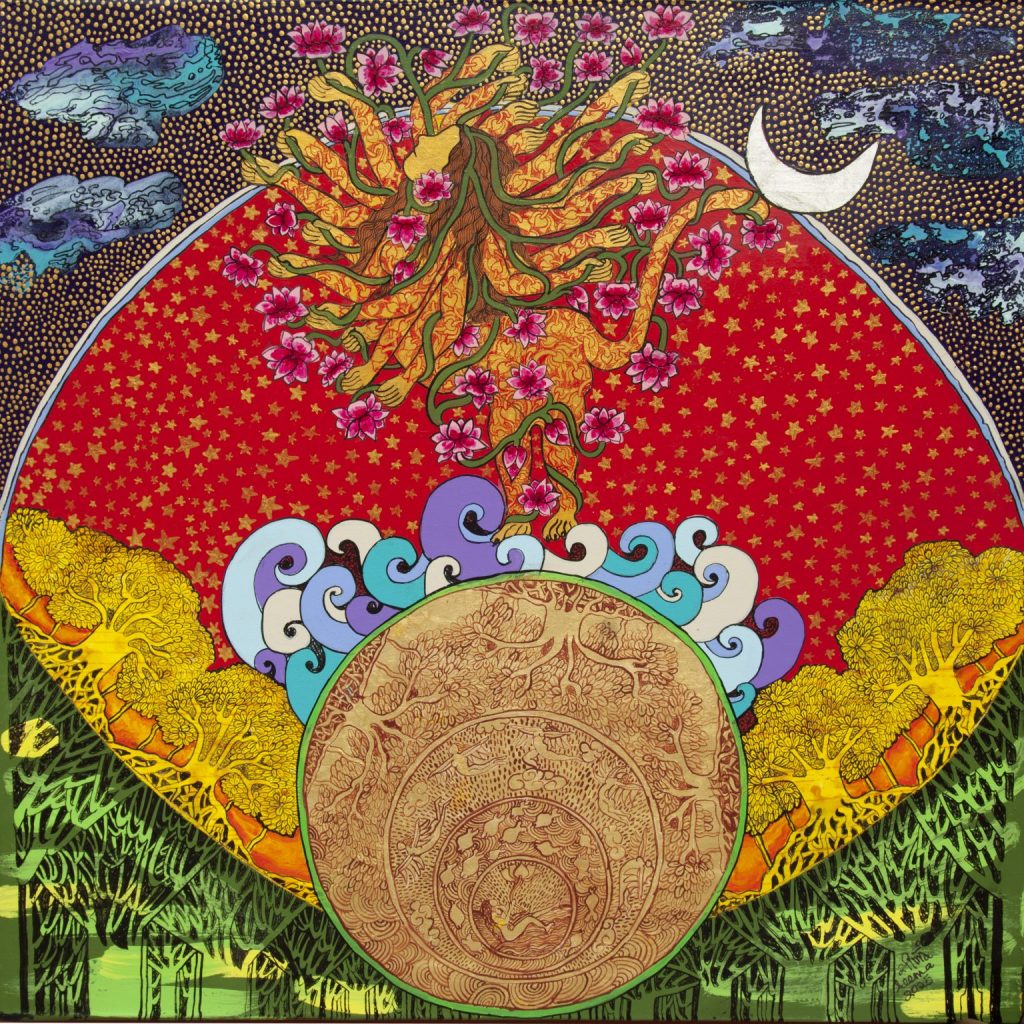
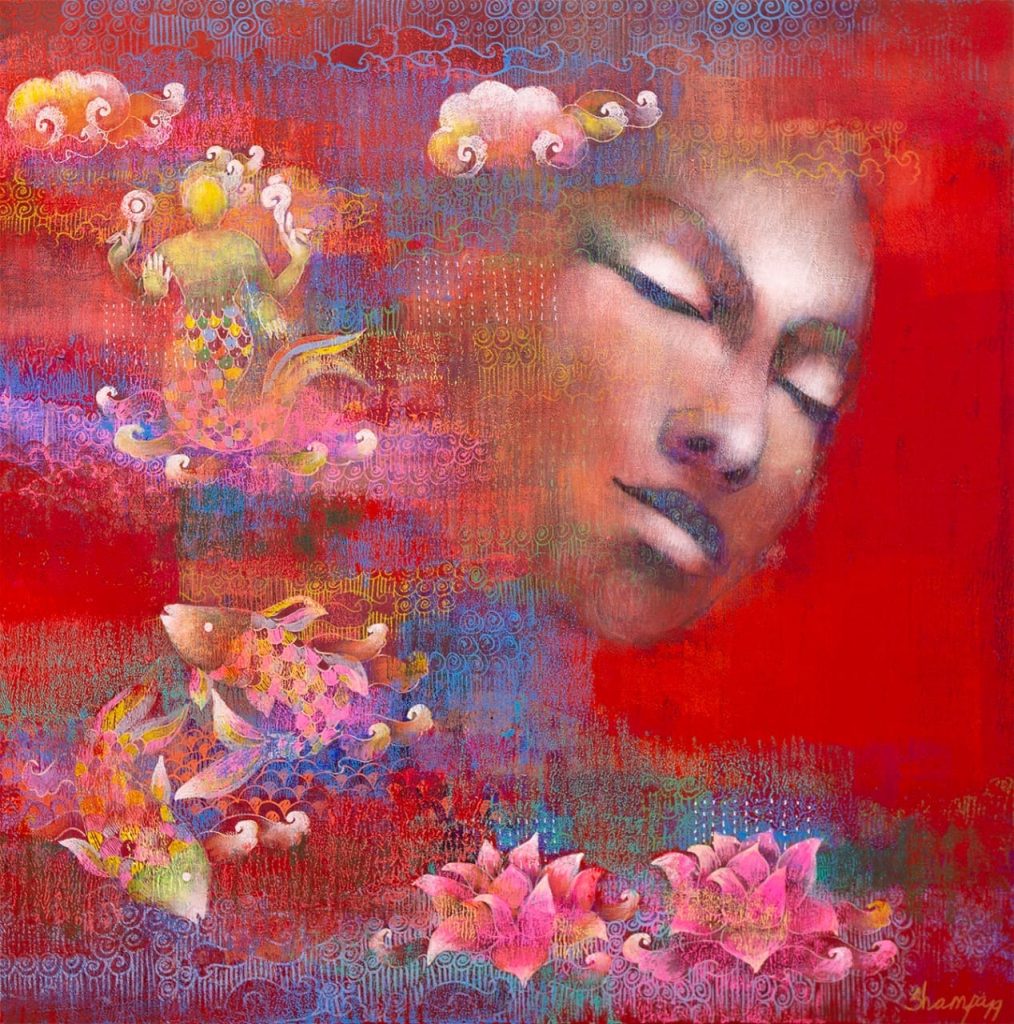
Gallerie Nvya’s presentation of Seema Kohli’s work “With Her Hair Running Wild” extends Kohli’s ongoing engagement with the feminine principle as a force of cosmic and earthly upheaval. Across the show, her practice refuses strict medium hierarchies, instead unfolding as a single, expansive inquiry into what a body can hold, remember and transform.
Satish Gujral: A Century in Form, Fire, and Vision at NGMA & Architectural Retrospective at Gujral House
Details:
On view: 16 January – 31 March 2026
Venue: National Gallery of Modern Art (NGMA), New Delhi, in collaboration with the Gujral Foundation and Ministry of Culture
Parallel: Architectural retrospective and opening of Gujral House, 16 Firoze Gandhi Road, New Delhi
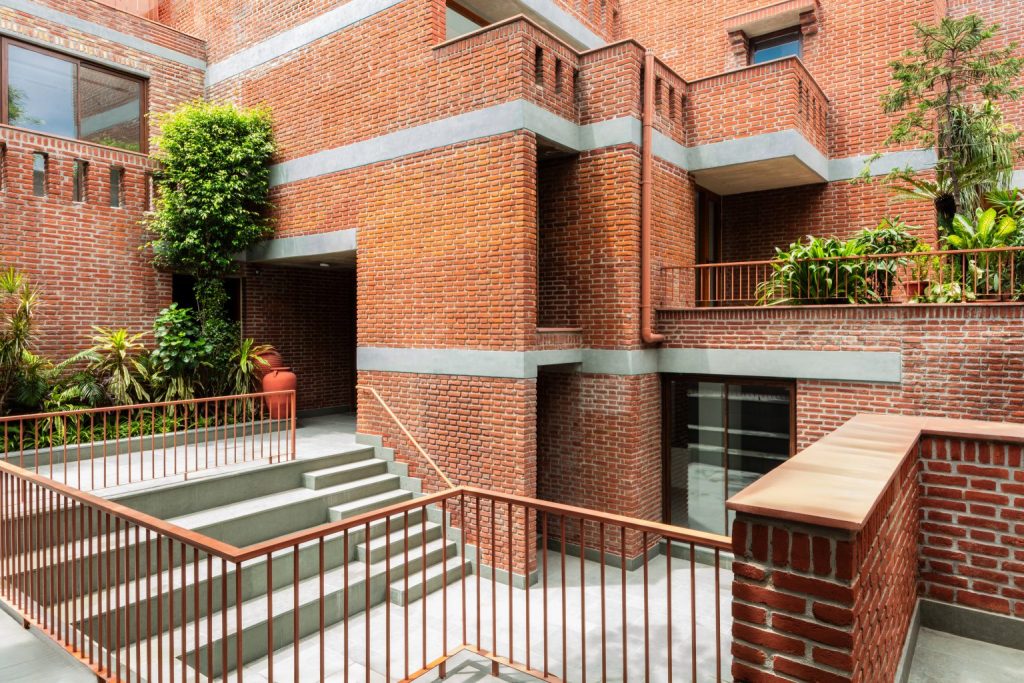
Marking 100 years of Satish Gujral, NGMA’s “A Century in Form, Fire, and Vision”, curated by Kishore Singh, is a sweeping retrospective of one of India’s most protean modernists. Spanning over seven decades, the exhibition moves from his Partition-era paintings—charged with grief and dislocation—to his later experiments in sculpture, murals and public art that shaped the visual imagination of post-Independence India. A parallel architectural retrospective at his restored residence deepens this portrait, foregrounding his belief in architecture as “living sculpture”, exemplified by his celebrated Belgian Embassy building. The twin venues together present Gujral as an artist-architect whose work persistently negotiated trauma, nationhood and the ethics of form.
Bloom at Dusk by Jodhaiya Bai Baiga at Ojas Art, Mehrauli
Details:
On view: 23 January – 11 March 2026 | Closed Mondays
Venue: Ojas Art, New Delhi
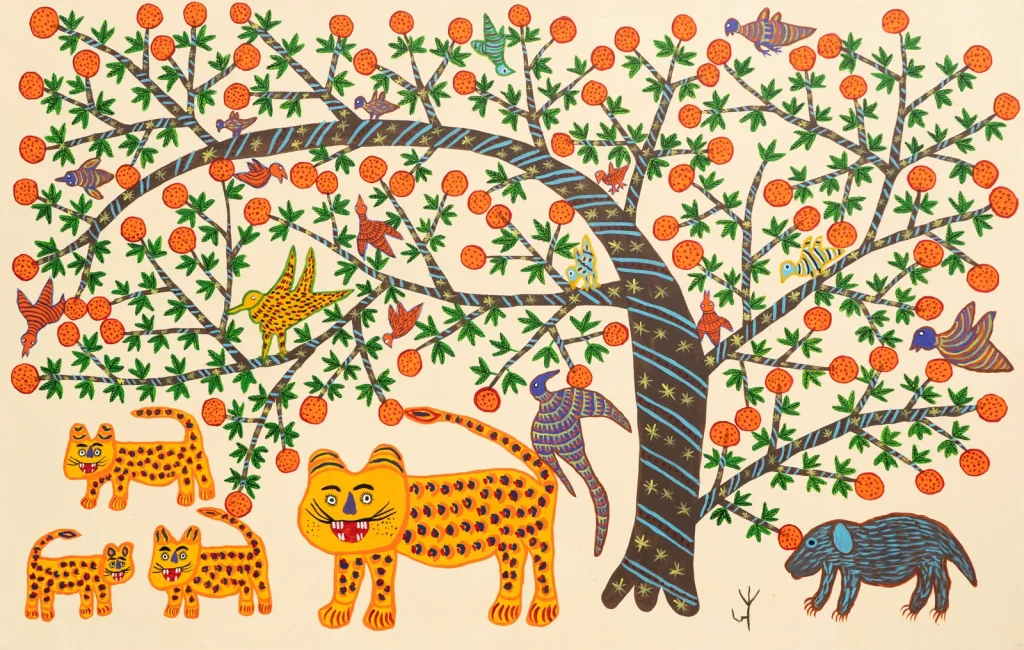
“Bloom at Dusk” is a rare retrospective dedicated to Jodhaiya Bai Baiga (1937–2024), an indigenous artist from the Baiga community who began painting in her sixties after a lifetime of forest and manual labour. Curated by Minhazz Majumdar, the exhibition brings together more than 50 works that trace her journey from clay, gourds and papier mâché to acrylic on paper and canvas, guided early on by artist Ashish Swami. Baiga’s paintings are dense with forest memory, animal presences and cosmological motifs, yet their formal inventiveness signals a sophisticated contemporary vision. The show quietly unsettles hierarchies between “folk”, “tribal” and “modern”, insisting on Baiga’s place within broader conversations on Indian contemporary art.
Avimukta: The Never Forsaken by Tilfi at Triveni Kala Sangam (Young Collectors’ Programme)
Details:
On view: 31 January – 8 February 2026
Venue: Triveni Kala Sangam, Tansen Marg, New Delhi
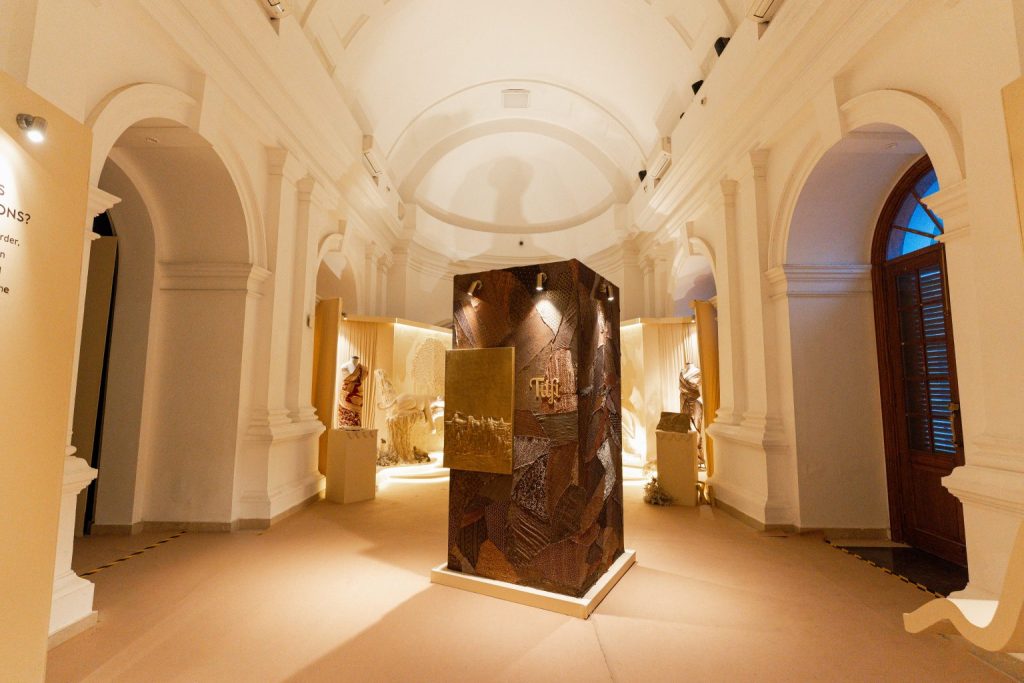
Presented as part of the Young Collectors’ Programme and Triveni’s 75th anniversary, “Avimukta: The Never Forsaken” is a monumental, site-responsive installation by Banaras-based atelier Tilfi. Known for its handwoven silks and metal craft traditions, Tilfi extends its ethos of continuity and craft stewardship into a contemporary art context, transforming Triveni into a sensorial tribute to Varanasi’s layered histories. The work speaks to intergenerational knowledge, ritual and urban change, bridging textile practice with installation language. For young collectors and fair visitors, it offers a compelling model of how craft-based ateliers can inhabit the space of contemporary art without diluting material rigour.
Drifting Through the Quiet Veins at Gallery Dotwalk, Defence Colony
Details:
On view: I31 Jan – 28 Feb, 2026
Venue: Gallery Dotwalk, Defence Colony, New Delhi
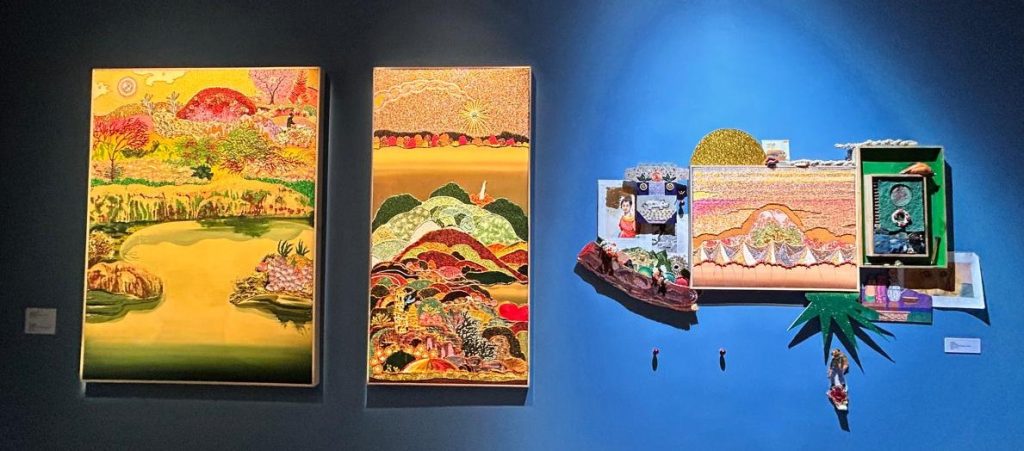
Marking Gallery Dotwalk’s move to a new space in Defence Colony, “Drifting Through the Quiet Veins” inaugurates the gallery’s next chapter with an immersive, multisensory exhibition. Abandoning the conventional “white cube”, the show uses sound, video and installation to create a “sensory landscape” where viewers move through rather than merely look at artworks. The exhibition’s focus on subterranean rhythms and overlooked undercurrents mirrors Dotwalk’s own shift into a historic cultural hub, signalling an ambition to connect current practices with Delhi’s long-standing art publics in a more intimate, embodied way.
A Breath Held Long by Sudarshan Shetty and Flashback by Ketaki Sheth at GALLERYSKE & PHOTOINK, Defence Colony
Details:
On view: 3 February 2026 – 17 March 2026.
Venue: GALLERYSKE & PHOTOINK, new shared space, Defence Colony, New Delhi
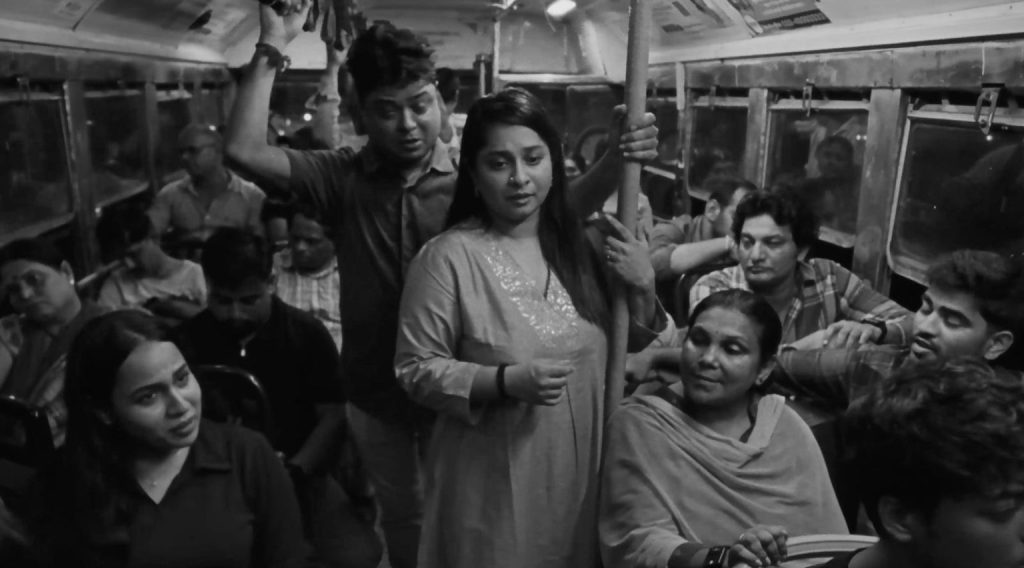
Opening their second shared space in Defence Colony, GALLERYSKE and PHOTOINK continue their unusual collaborative model that pairs contemporary art with photography. Sudarshan Shetty’s “A Breath Held Long” extends his interest in absence, repetition and the poetics of objects, likely staging tableaux where time feels simultaneously suspended and on the verge of collapse. In “Flashback”, Ketaki Sheth’s vintage photographs retrieve urban and social worlds with a quiet, observational intensity, offering a counterpoint to the saturated, digital imagery of the present. Together, the two exhibitions underscore the galleries’ decade-long experiment in viewing photography and contemporary art not as separate disciplines but as interlocking ways of seeing.
Tyeb Mehta: Bearing Weight (With the Lightness of Being) at KNMA, Saket
Details:
Preview: 4 February 2026
On view: 5 February – 30 June 2026 | Tuesday–Sunday, 10:30 am – 6:30 pm
Venue: Kiran Nadar Museum of Art (KNMA), Saket, New Delhi
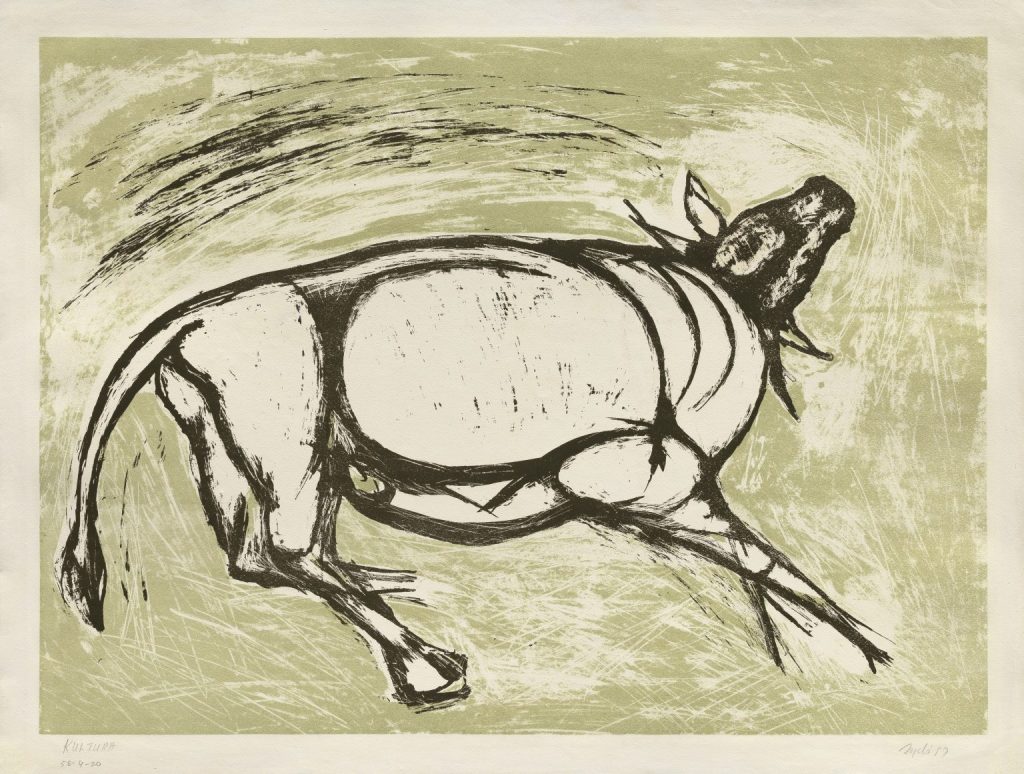
“Tyeb Mehta: Bearing Weight (With the Lightness of Being)” is a landmark retrospective and arguably the season’s major institutional event. Curated by Roobina Karode in collaboration with the Tyeb Mehta Foundation and Saffronart Foundation, the exhibition gathers over 120 works—paintings, drawings, sculpture, film and archival material—offering the most comprehensive view yet of Mehta’s five-decade practice. From the iconic diagonal canvases and falling figures to mythic reworkings of the Mahishasura and Kali, the show tracks his lifelong tension between violence and transcendence. For visitors, it presents Mehta not only as a pillar of Indian modernism but as an artist whose visual language continues to resonate with contemporary crises around rupture, faith and political violence.
Auspice and Abundance: Ritual Paintings from Hazaribagh at Gallery Vayu, Lodhi Road
Details:
Preview: 3 February 2026 | 5:00 – 8:00 pm
On view: 3 – 15 February 2026
Venue: Gallery Vayu, 14 Main Market, Lodhi Road, New Delhi
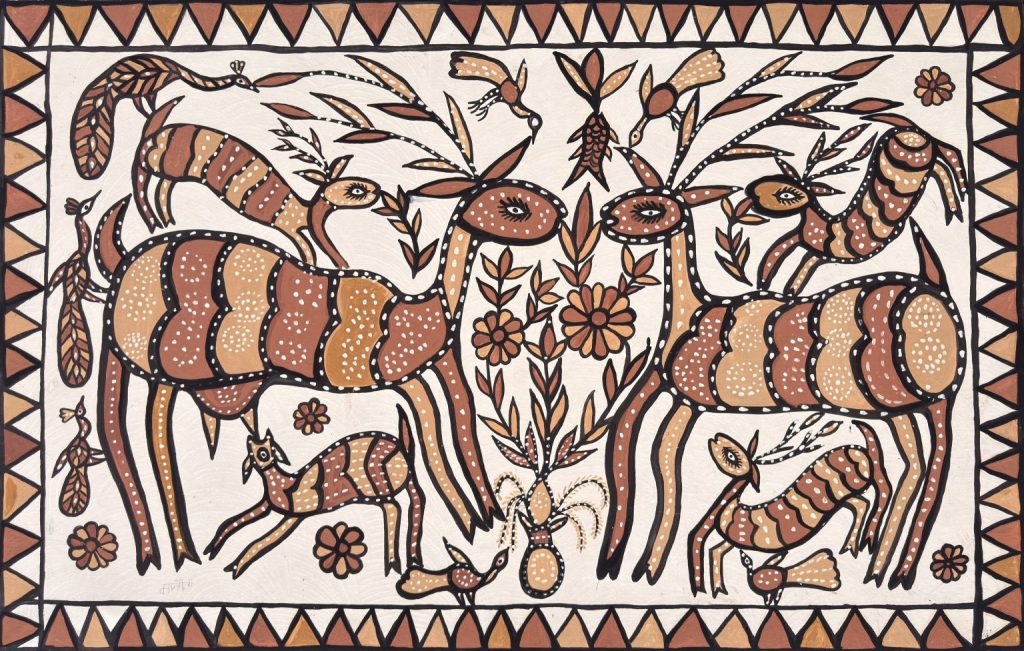
Curated by Pramod KG with OPS Art Gallery, “Auspice and Abundance” foregrounds Sohrai and Khovar ritual paintings by women artists Malo Devi, Putli Ganju, Parvati Devi and Rudhan Devi from Hazaribagh, Jharkhand. Sohrai works, tied to the harvest, use earth-derived pigments to depict animals, vines and flowing fertility motifs, while Khovar paintings traditionally adorn matrimonial chambers with layered and etched patterns of union and prosperity. Transposed from mud walls to gallery surfaces, these paintings retain their tactile, gestural force, asserting ancestral visual languages as living practices rather than ethnographic relics. The exhibition also raises questions about how ritual art circulates within contemporary markets and exhibition systems.
RITES by Alida Sun at Method Delhi, Defence Colony
Details:
On view: 31 January – 15 March 2026
Venue: Method Delhi, D‑59, Basement, D‑Block, Defence Colony, New Delhi 110024
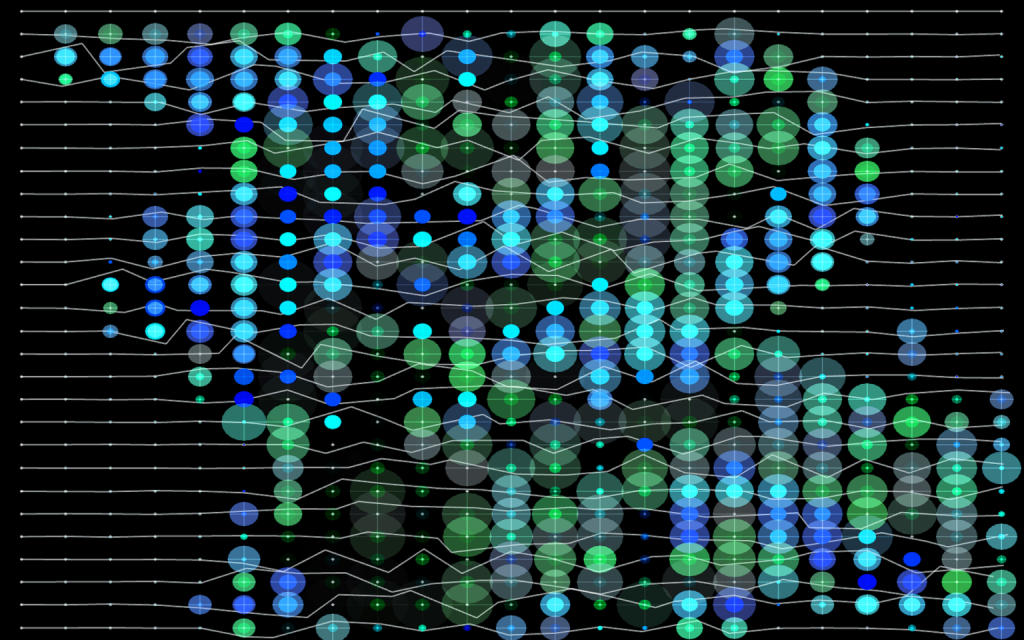
“RITES” introduces Berlin- and New York–based artist-technologist Alida Sun to Delhi audiences in an official Parallel event to India Art Fair. Anchored in her ongoing 2,343‑day (and counting) daily coding practice, the exhibition treats repetition as ritual and computation as a communal act rather than a tool of extraction. Works produced through custom-built software are realised in collaboration with women artisans from SSMI, translating algorithmic patterns into embroidery and mirrorwork that honour women’s historically erased role in computing. Infrared motion-capture data from Sun’s movements generate encrypted “self-portraits”, a kind of dazzle camouflage against algorithmic surveillance. The show deftly braids code, craft and care into a new vocabulary of computational heritage.
Ai Weiwei at Nature Morte, The Dhan Mill, Chhattarpur
Details:
On view: 15 January – 22 February 2026
Venue: Nature Morte, The Dhan Mill, Chhattarpur, New Delhi
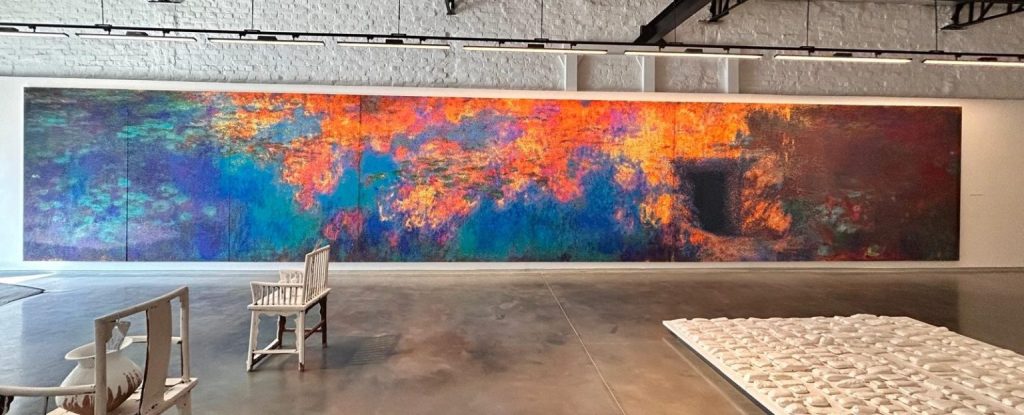
Nature Morte hosts Ai Weiwei’s first solo exhibition in India, a significant moment given the artist’s global status as both cultural icon and political dissident. Spanning over four decades, the untitled show brings together key strands of his practice: from conceptual objects that dissect value and authenticity, to works that critique state violence, censorship and the refugee crisis. Ai’s long-standing engagement with readymades, traditional Chinese craft and digital activism resonates powerfully in Delhi’s own fraught political landscape. For India Art Fair visitors, this exhibition situates local debates on freedom of expression within a wider transnational conversation.
Marching Forward Falling Backwards by Mangesh Rajguru at Art Explore, Panchsheel Park
Details:
On view: 19 January – 22 February 2026
Venue: Art Explore, E‑55, Lower Ground, Panchsheel Park, New Delhi
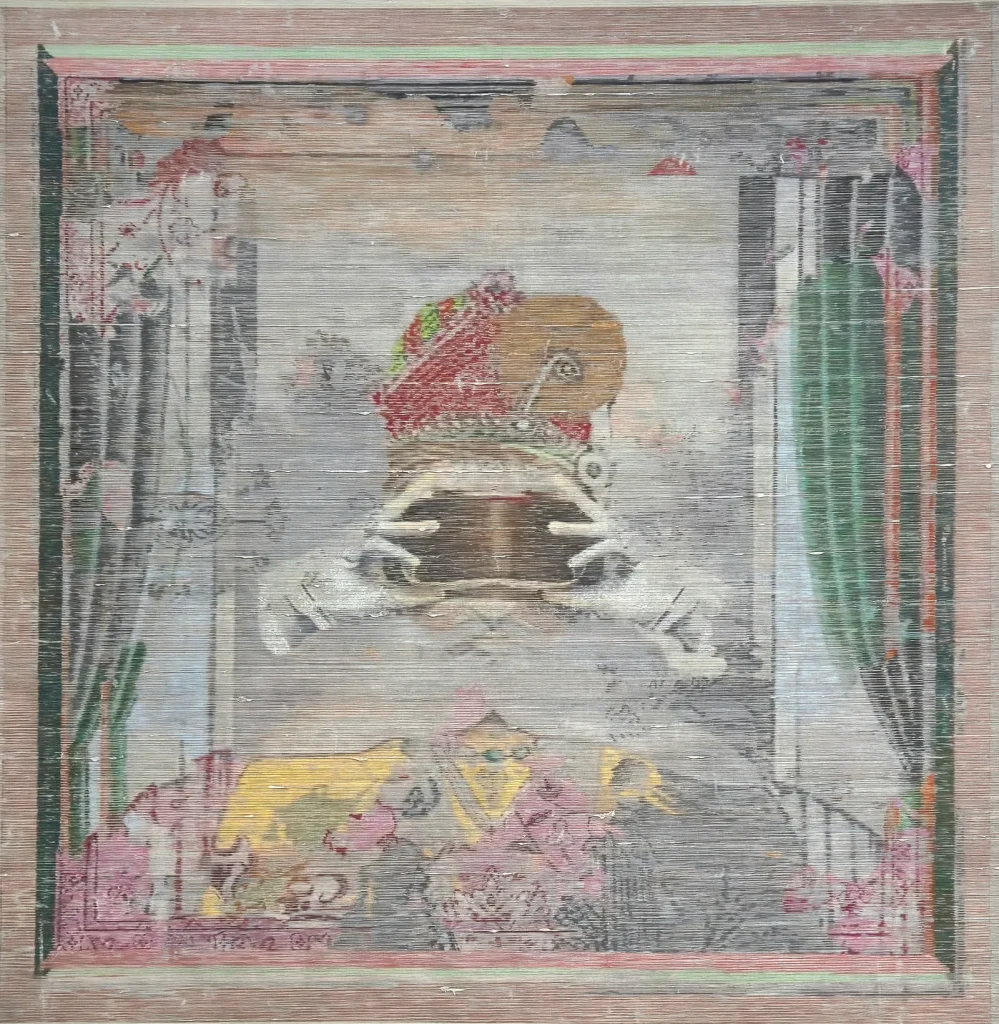
Mangesh Rajguru’s “Marching Forward Falling Backwards” treats time as something pliable rather than linear. Working with mixed media, he weaves together dense, tactile surfaces and more sparse, luminous passages, creating a visual tension between weight and lightness, history and immediacy. Colour drifts through these works as a kind of residue—remnants of events and sensations that refuse to settle. A gentle humour keeps the work from tipping into solemnity, even as it acknowledges the persistence of historical memory. The show rewards slow looking, as multiple temporalities seem to hover at the threshold of perception.Conjectures on a Paper Sky by Jitish Kallat at the CCA Building, Bikaner House
Conjectures on a Paper Sky, Jitish Kallat, CCA Building
Details:
Preview: 4 February 2026 | 1:00 – 4:00 pm
On view: 4 – 10 February 2026 | 11:00 am – 7:00 pm
Venue: CCA Building, New Delhi
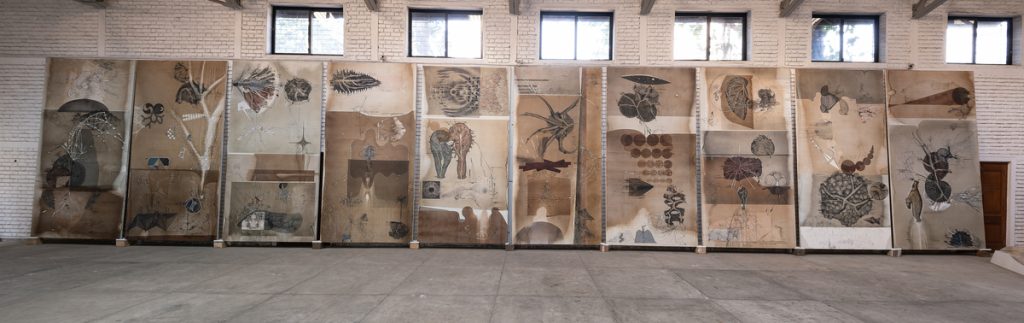
Curated by Alexandra Munroe and supported by Nature Morte and Saat Saat Arts, “Conjectures on a Paper Sky” brings Jitish Kallat’s cosmically inclined practice into dialogue with Delhi’s India Art Fair moment. While details of the works are closely guarded, Kallat’s long-standing preoccupation with astronomy, time, language and the diagrammatic suggests an exhibition where the sky becomes an archival surface. His ability to toggle between the intimate (a breath, a letter) and the planetary (orbits, maps, trajectories) gives his work a speculative urgency. Expect a show that asks visitors to reconsider their coordinates within larger cosmic and political systems.
America Invented Everything by Peter Nagy at Nature Morte, Delhi
Details:
On view: 22 January – 14 February 2026
Venue: Nature Morte, New Delhi
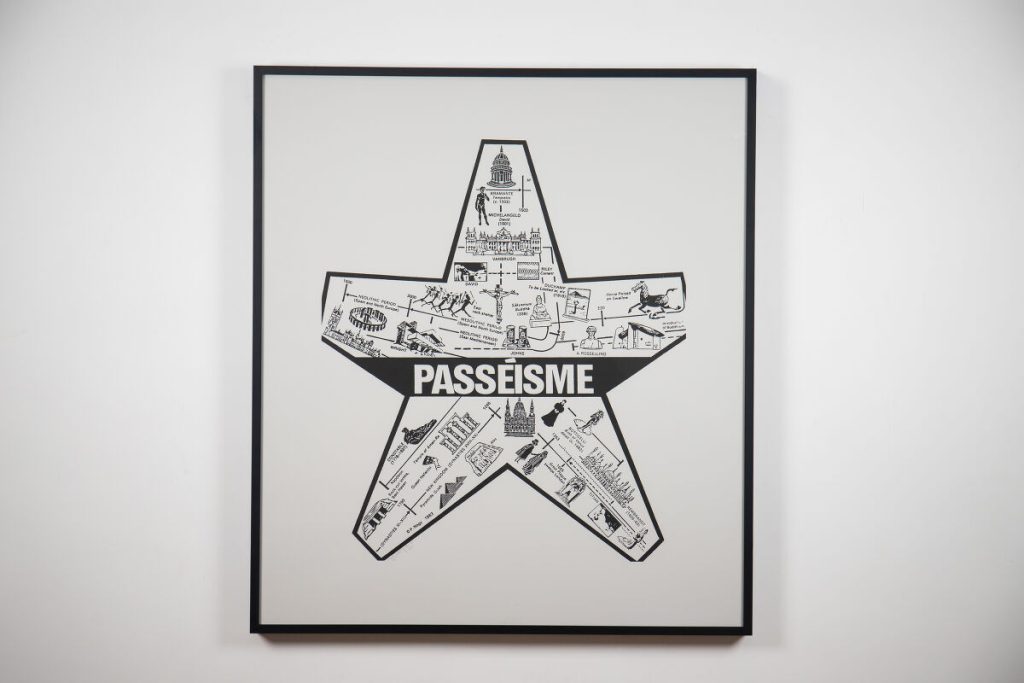
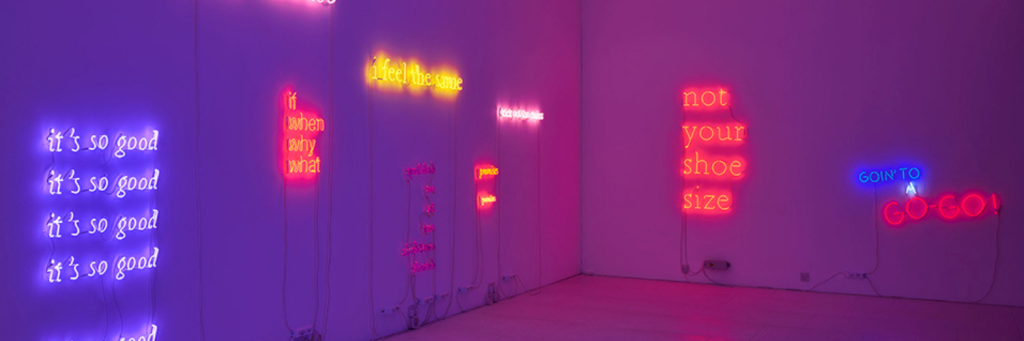
“America Invented Everything” revisits the 1980s graphic strategies of artist and Nature Morte founding director Peter Nagy. On view is a portfolio of new silkscreens, produced in Italy in 2022 in an edition of 40 each, based on works Nagy made between 1983 and 1991 while living in New York. These black-and-white pieces—derived from photocopies, enamel signs and acrylic paintings—deploy appropriation, advertising tropes and seriality to probe the construction of desire and the status of representation itself. Seen from today’s vantage point, they map an early moment when artists were critically sampling mass media, anticipating the image-saturated culture that frames our current digital lives.
Spacescapes by Sujata Bajaj at Galerie Romain Rolland, Alliance Française de Delhi
Details:
On view: 30 January – 14 February 2026 | 11:00 am – 7:00 pm
Venue: Galerie Romain Rolland, Alliance Française de Delhi
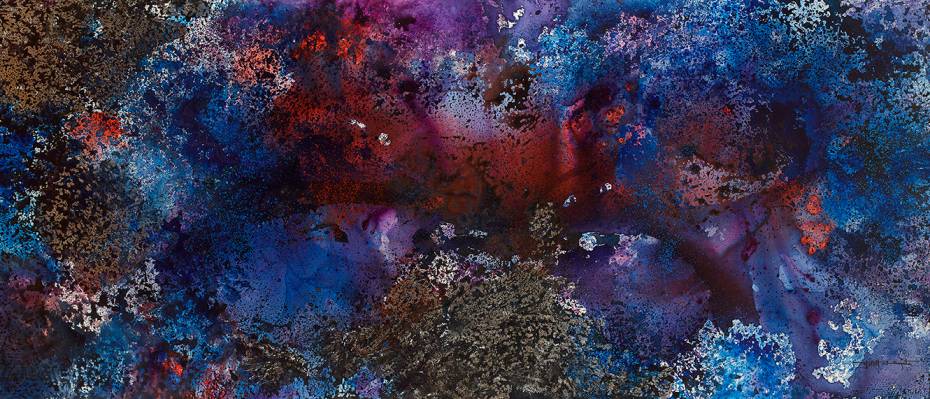
“Spacescapes” marks Sujata Bajaj’s first major abstract presentation in Delhi in fifteen years, and it arrives as a distilled body of work developed over six years. Trained at the École Nationale Supérieure des Beaux-Arts, Paris, Bajaj moves between painting, printmaking and drawing, but here focuses on layered, chromatic fields that suggest both inner and cosmic space. The surfaces are worked, textured and rhythmic, rewarding sustained viewing rather than cursory glances. Anchored in a long-running Indo‑French dialogue, Bajaj’s abstractions read as meditative journeys through colour and light, making this show a quiet yet potent stop amidst the week’s blockbuster spectacles.
Typecasting: DAG Delhi – Photographing the Peoples of India, 1855–1920 at Bikaner House
Details:
On view: 31 January – 15 February 2026 | 11:00 am – 7:00 pm (Mon–Sun)
Venue: Bikaner House, Pandara Road, New Delhi
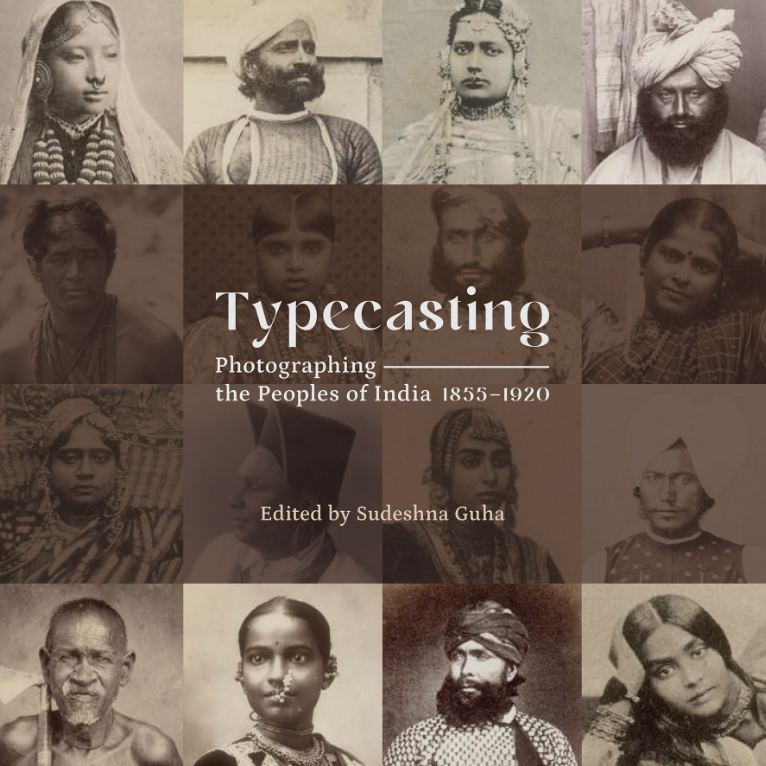
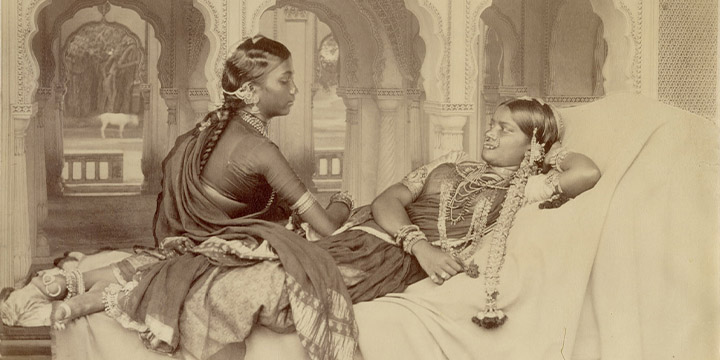
“Typecasting” at Bikaner House is a vital historical counterpoint to the fair’s contemporary programming. Drawing on one of the country’s largest collections of early ethnographic photographs, assembled by DAG over the last decade, the exhibition examines how photography participated in colonial projects of classification. From Lepcha and Bhutia communities in the northeast to Afridis in the northwest, Toda and Vedda groups in the south, and occupational portraits of snake charmers, coolies, barbers and elites, the images reveal the instability of the very categories they sought to fix. By placing cabinet cards, postcards, albums and books under critical scrutiny, the show invites viewers to read these photographs not as transparent documents but as sites where power, fantasy and identity collide—opening up space for new interpretations today.
Aranyani Pavilion, Titled Sacred Nature in Sunder nursery, Delhi
Details:
On view: 4–13 February 2026
Venue: Sunder Nursery, New Delhi
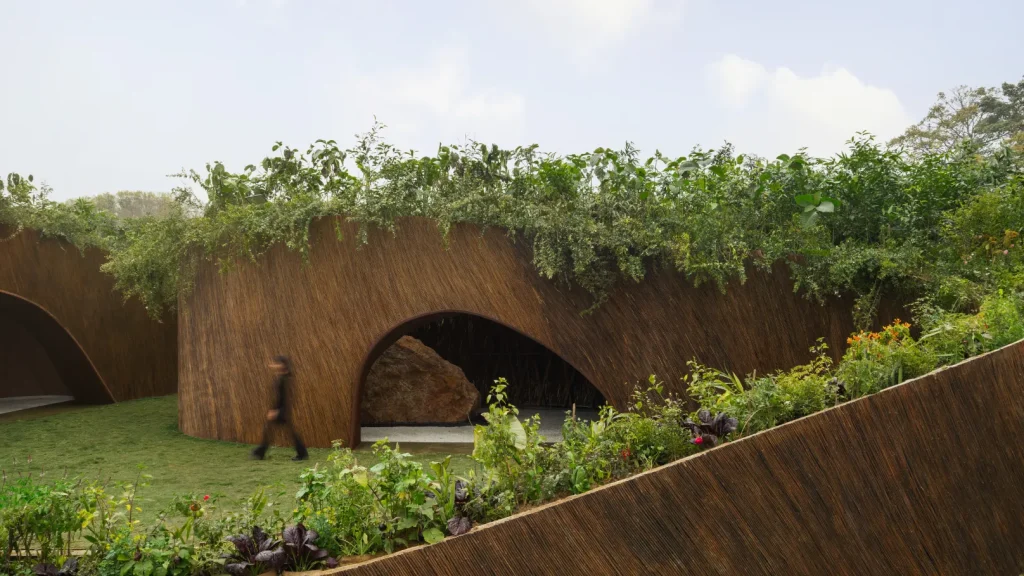
Titled Sacred Nature, it is the organisation’s first annual commission, conceptualised by founder and conservation scientist Tara Lal, and designed in collaboration with T__M.space, an architectural studio established by Tanil Raif and Mario Serrano Puche. Behind the unreal attention to technicalities is The Works, led by Guillaume Lecacheux, and complemented by an immersive soundscape by Gaurav Raina and Komorebi.
Athmaja Biju is the Editor at Abir Pothi. She is a Translator and Writer working on Visual Culture.