Here is Abir Pothi’s list of 5 outstanding art showcases from India Art Fair 2026

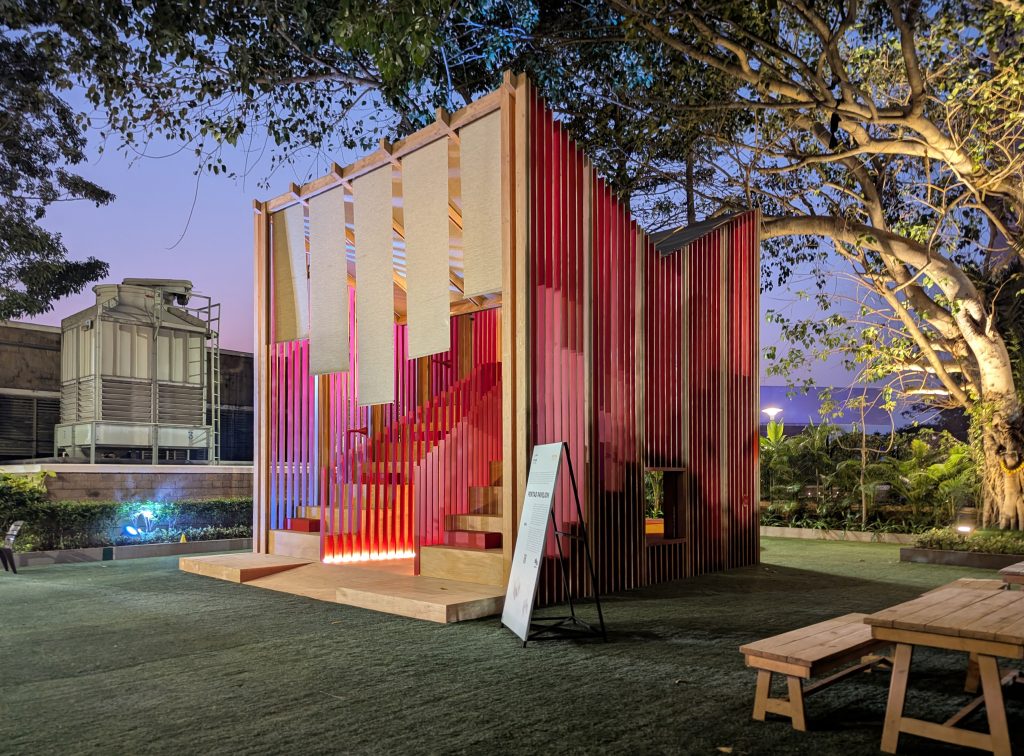
1. KEUMSAN GALLERY × Korean Cultural Centre India: A K-Art Pavilion of Light
(Institutional Section – K-Art Pavilion, NSIC Grounds)
In the Institutional Section, the collaboration between KEUMSAN GALLERY and the Korean Cultural Centre India (KCCI) is a fully fledged pavilion and statement of intent. Established in 1992, Keumsan is one of South Korea’s first-generation contemporary art galleries, with director Hwang Dal-seung having served as President of the Korea Galleries Association from 2021 to 2025.
The presentation, curated under the theme “Resonances of Light”, takes light as both material and metaphor. Works move between traditional Korean mediums such as mother-of-pearl and lacquer and more industrial surfaces like stainless steel and aluminium, turning the pavilion into an immersive spatial experience rather than a conventional, wall-bound display.
Artist Eunjin KIM and SINN particularly stood out.
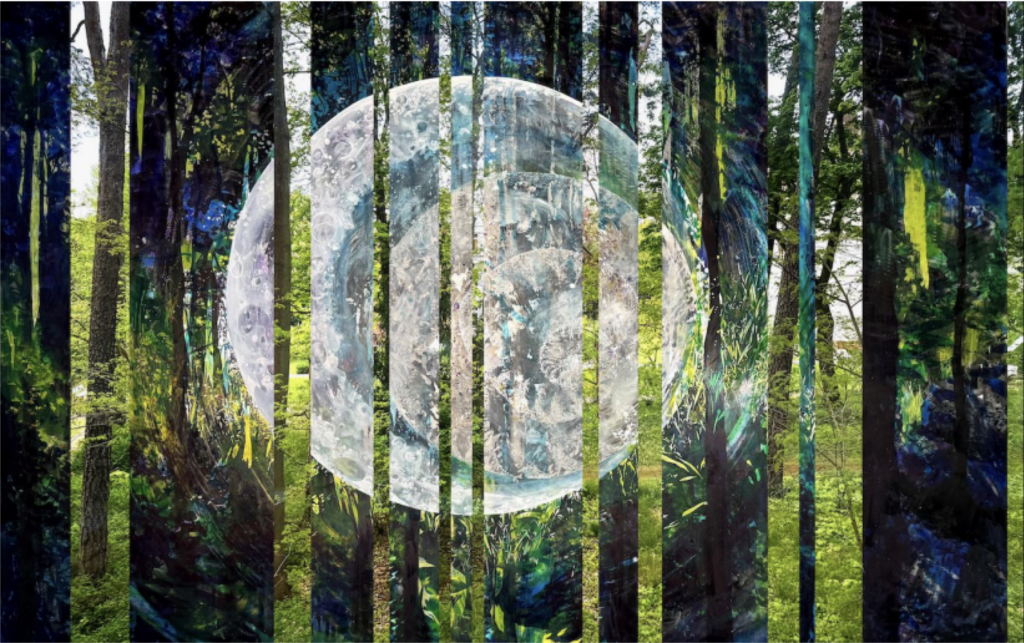
SINN creates luminous cityscapes that recall the transcendence of stained glass, while subverting its material logic. Working with aluminum—an opaque, industrial surface—she applies color and meticulous imagery using a cutter, allowing light to scatter across engraved textures. Through this process, light acquires both visual depth and physical weight, resulting in works where materiality powerfully anchors
illusion.
Her recent work center on dense urban architecture and anonymous crowds, inspired by contemporary megacities such as Seoul and Berlin. Skyscrapers and figures accumulate across modular panels, evoking the coded rhythms of metropolitan life—orderly yet overwhelming, familiar yet disquieting. Angels and dreamlike motifs recur within these scenes, introducing a layer of fantasy that complicates the notion of the city as “paradise.”
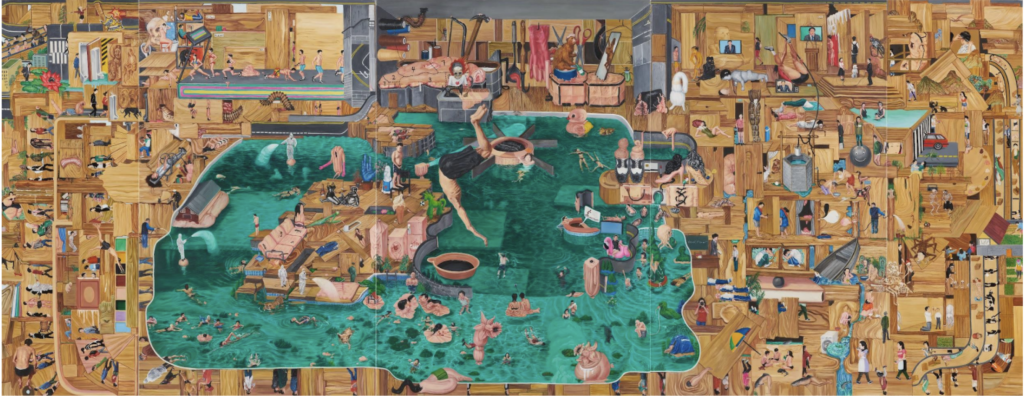
Eunjin KIM has sustained a rigorous artistic practice for over three decades, developing a distinct painterly language through persistent experimentation and an exceptionally labor-intensive practice. Her works guide the audience into the unconscious landscapes of human despair, fear, desire, and the possibility of redemption, rendering these inner states with dense materiality and emotional gravity. Her practice resonates with the tradition of artists who critically observe society through allegory and excess—such as Hieronymus Bosch—recalling the fantastical imagination and moral intensity through a world building process using complexity not as spectacle but as a means to confront the contradictions embedded in human
existence.
2. Emami Art: Intergenerational Material Inquiries
Booth E02
Kolkata-based Emami Art brings a characteristically dense, research-driven presentation to Booth E02, drawing together multiple generations and practices into a single, carefully curated group show. The line-up includes Anjan Modak, Arindam Chatterjee, Arunima Choudhury, Debashish Paul, Manmita Ray, Partha Pratim Deb, Pradip Das, Prasanta Sahu, Raja Boro, Ruma Choudhury, Santanu Debnath, Sayanee Sarkar, Suman Dey, Tapas Biswas, and Vishal Kumar Gupta. Rather than forcing a theme, the booth allows the works to converse around shared concerns: space as a lived condition, material as an active protagonist, and art as an extension of slow, often invisible research.
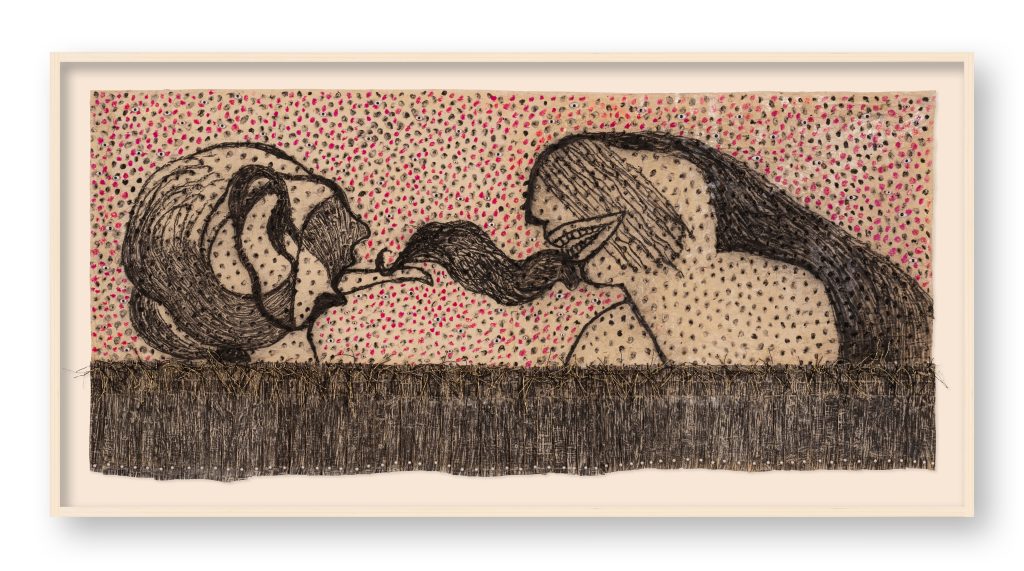
Emami Art’s strength has long been its ability to braid together emerging and established artists, especially from eastern and northeastern India, within an intellectually rigorous framework. At India Art Fair 2026, that ethos is visible in the way different practices sit side by side: the formal tensions between figuration and abstraction; the friction between industrial and organic materials; the oscillation between deeply local narratives and wider geopolitical references. The result is a booth that feels less like a cross-section of a gallery’s roster and more like a cross-section of contemporary South Asian thinking itself—restless, layered, and acutely aware of its histories.
3. 193 Gallery, Paris: Thandiwe Muriu’s Portraits of Textile, Self and Power
Booth F04
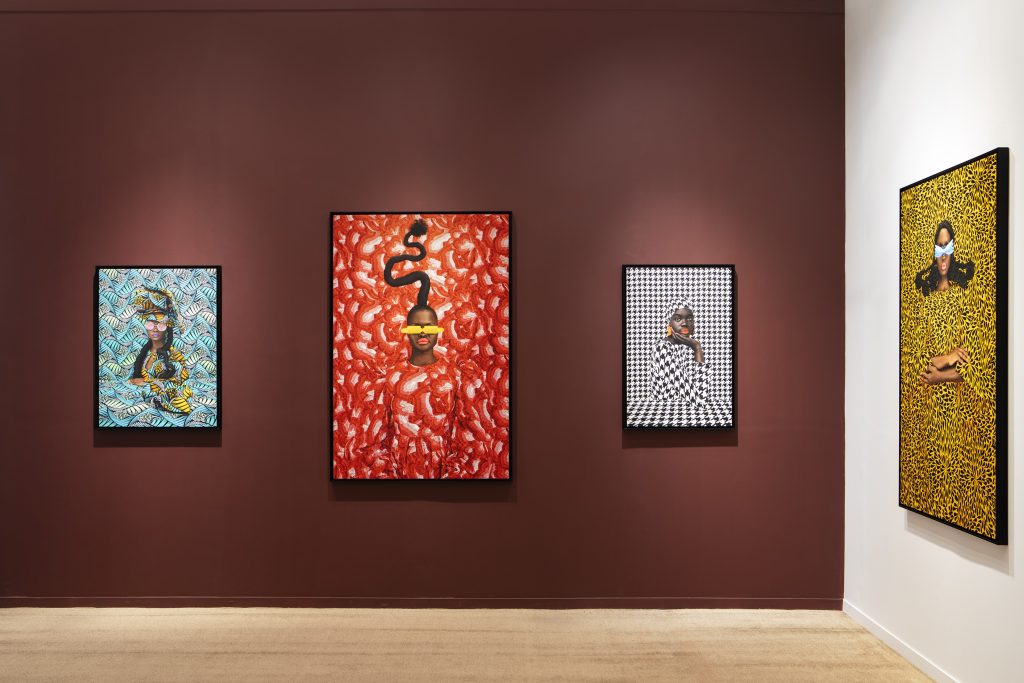
Marking its India Art Fair debut, Paris-based 193 Gallery stages a solo booth by Kenyan artist Thandiwe Muriu at Booth F04. Born in 1990 and trained in commercial photography before transitioning to art, Muriu has quickly become one of the most closely watched voices from East Africa. Recent milestones—her participation in the 60th Venice Biennale collateral event “Passengers in Transit”, inclusion in Pharrell Williams’s FEMMES! exhibition at Perrotin, and acquisitions by the UNESCO collection as well as board members of MoMA, Tate, the V&A and the Pérez Art Museum—underscore the momentum behind her practice.
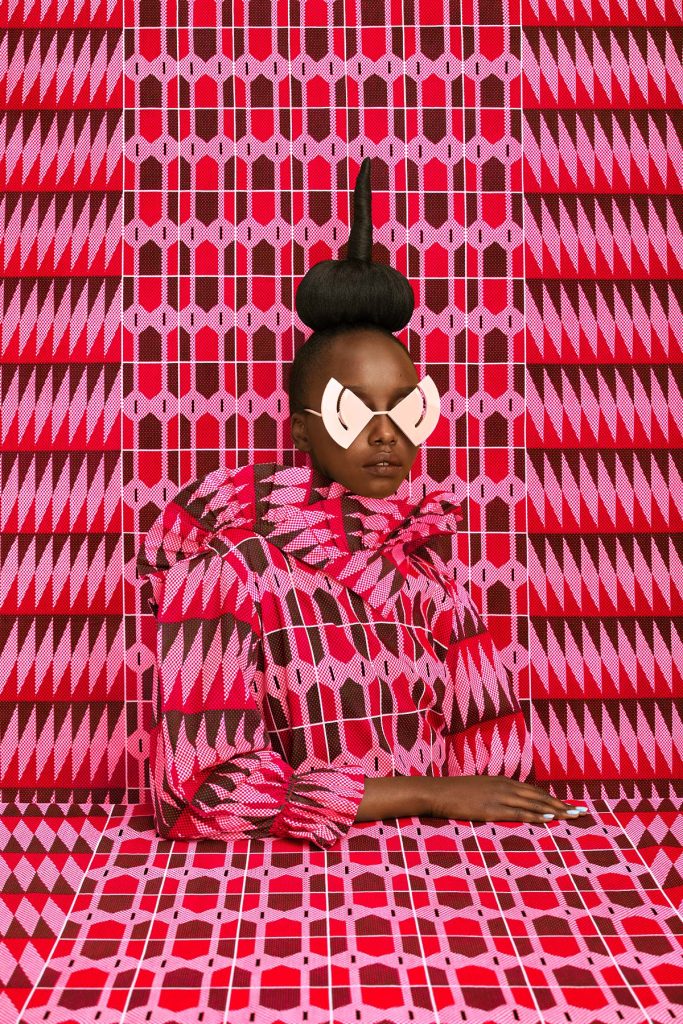
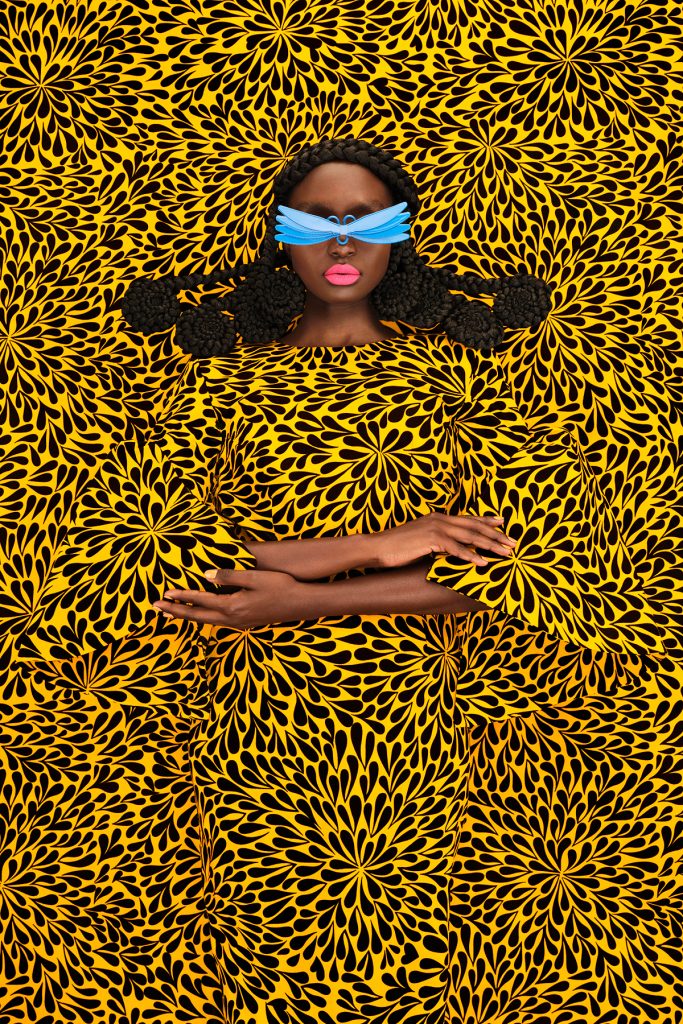
Image courtesy: © Thandiwe Muriu, Courtesy of 193 Gallery
At the fair, Muriu’s photographs erupt in saturated colour: models are styled in Ankara and kanga textiles, their silhouettes dissolving and re-emerging against patterned backdrops, accessorised with everyday objects transformed into surreal adornments. What initially reads as exuberant surface quickly deepens into an inquiry into identity, cultural memory, and female self-fashioning. For New Delhi audiences, the two works created specifically for India Art Fair acquire an additional charge, given the long and complex textile histories that connect the African continent and the Indian subcontinent—from trade routes and dyestuffs to shared vocabularies of pattern. In Muriu’s hands, cloth becomes both camouflage and weapon: a way to disappear into communal codes, and a way to insist on one’s singularity within them.
Booth F04, with its tight focus and high-impact images, exemplifies how an international presentation can avoid spectacle for spectacle’s sake, instead using visual seduction to pull viewers into knotty questions around race, gender, and representation.
4. Dhi Contemporary: Landbound: Love and Labour
Booth L04
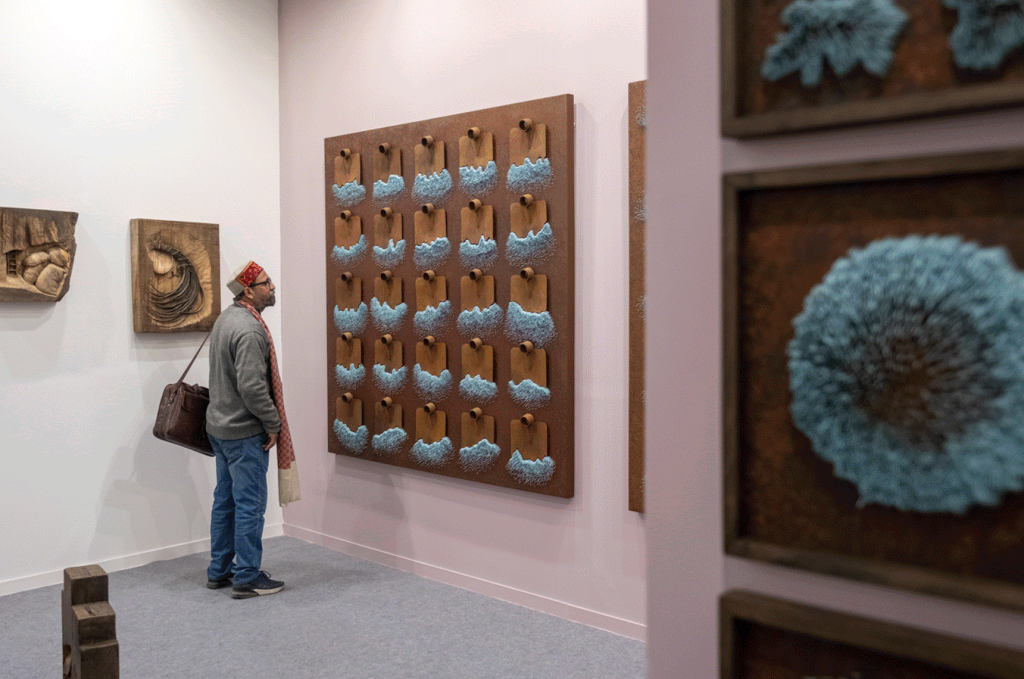
Hyderabad-based Dhi Contemporary arrives at Booth L04 with one of the fair’s most cogent thematic presentations: Landbound: Love and Labour, curated by Manan Shah and featuring Arjun Das, Leena Raj, Poorvesh Patel, and Sumana Som. The curatorial premise is deceptively simple: to think about land not just as property or backdrop, but as architecture for existence—shaping settlement, social order, and the politics of belonging.
Arjun Das’s works are assembled from the detritus of makeshift shelters and urban survival, an autobiographical gesture grounded in his own journey from Jharkhand to the streets of Kolkata as a child labourer. His sculptures read as both archive and accusation, refusing to aestheticise precarity while still granting it form. In contrast, Leena Raj draws on Malayali proverbs and a surreal visual language to unhouse the idea of home itself, prying it away from walls and deeds and into the more slippery terrain of memory, magic, and affect.
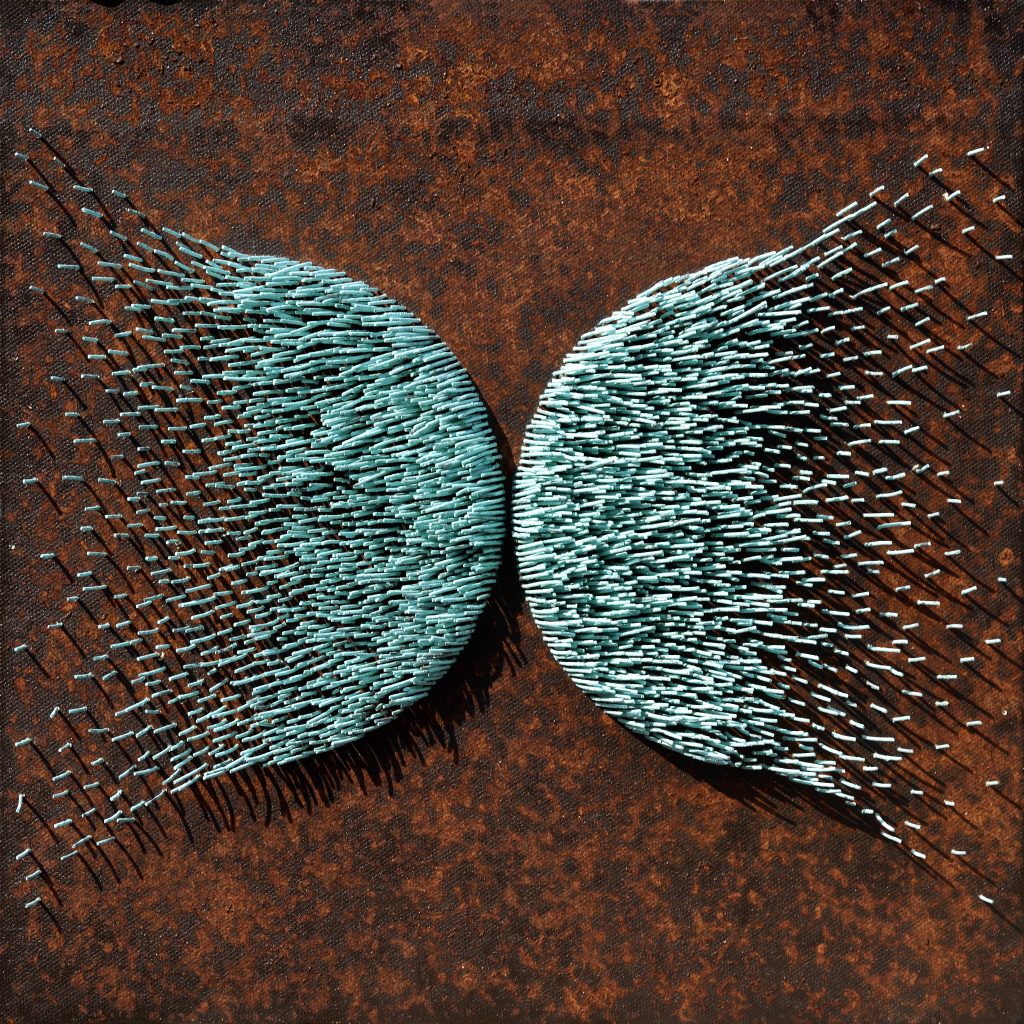
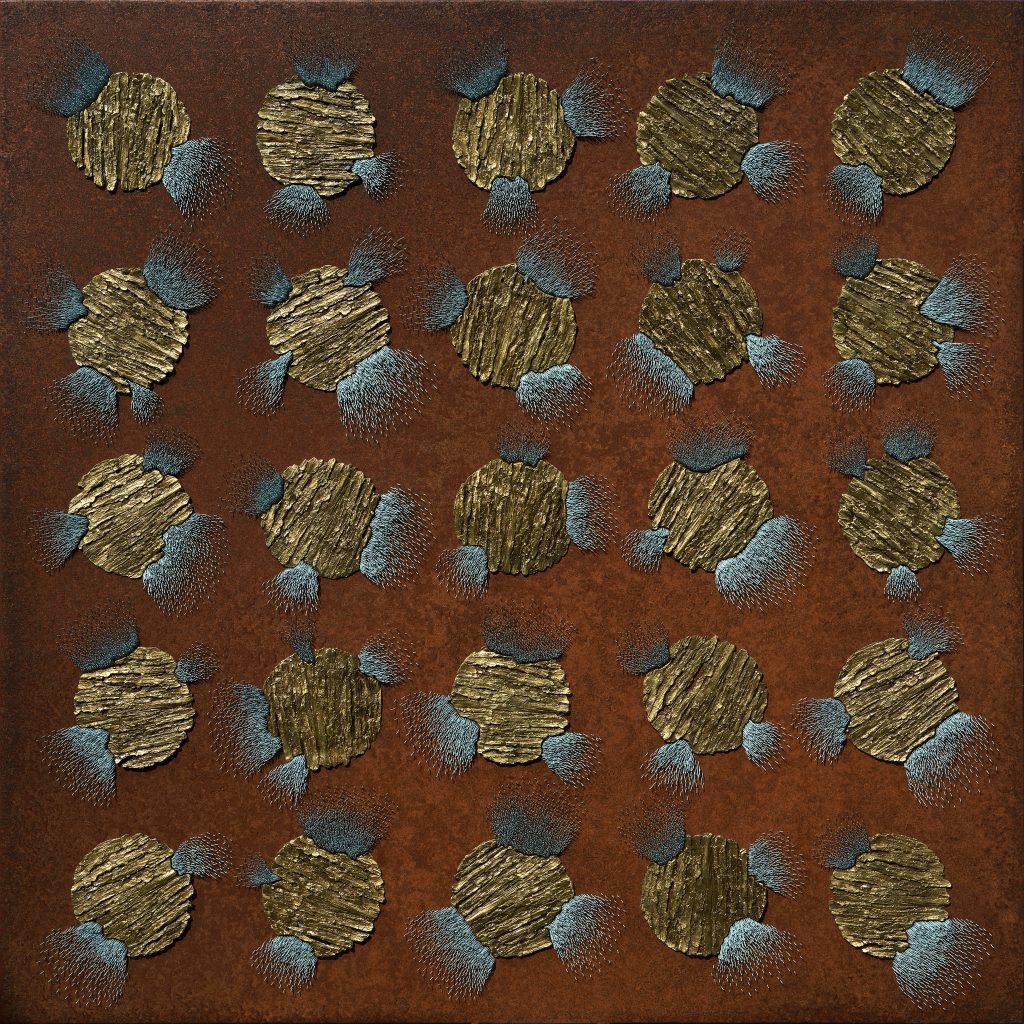
Artworks by Poorvesh Patel
If Patel’s rust and patina-laden surfaces operate as elegies to agrarian lineages—bearing the residue of extraction and use—then Som’s stitched and drawn textiles turn space into a site of quiet confrontation. Emerging from the enforced isolation of the Covid-19 years, her works register space as always already occupied, marked by power, encroachment, and uneasy coexistence between humans, animals, plants and objects. Together, the four practices refuse the comfort of nostalgia. Instead, they insist that any conversation around land today must reckon with labour, dispossession, and the stubborn survival of stories that power would rather erase. Booth L04 is one of the fair’s rare spaces where the aesthetics of contemporary art remain inextricable from the politics of who gets to dwell, and at what cost.
5. CMYK & Roli Books: The Book as Object, Archive, Artwork
Booth J08 – The Art of the Book
At Booth J08, Roli Books and CMYK propose a different kind of exhibition: one in which the “works” are not paintings or sculptures but books, presented unapologetically as art objects and collectibles. Under the title The Art of the Book, the booth assembles rare, limited and collector’s editions—many of them being shown in India for the first time—that together trace the codex as a medium of artistic expression, craftsmanship, and historical record.
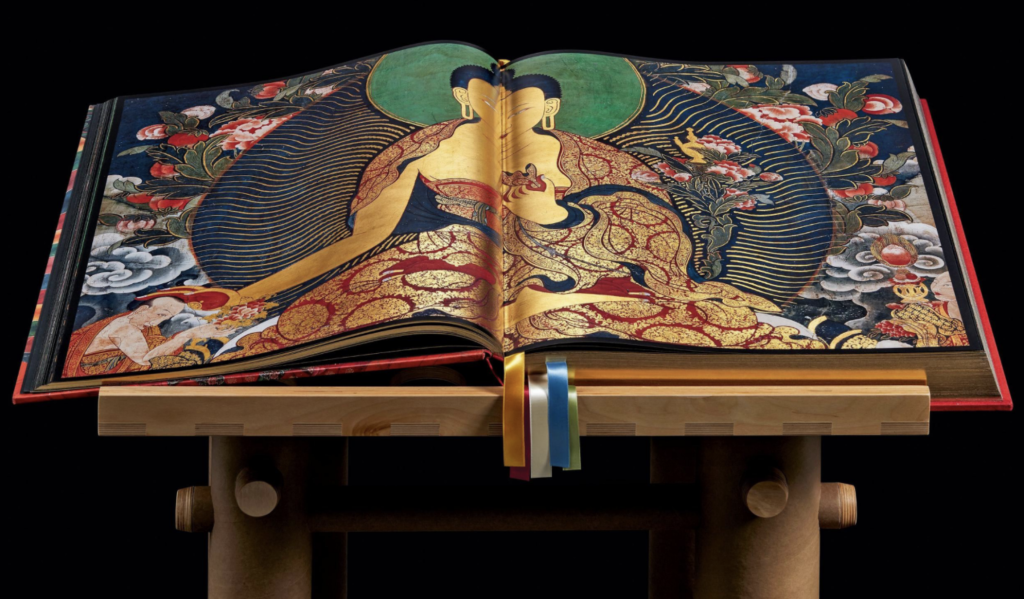
The selection ranges from artist-signed, individually numbered contemporary editions by Damien Hirst, Marina Abramović, Shahzia Sikander and Bharti Kher, to historically significant materials such as Heinrich Harrer’s silver gelatin photographs for Seven Years in Tibet, a landmark visual documentation of a politically charged moment in Tibetan history. A focused array of 150–200-year-old rare books anchors the presentation in a longer history of print and collecting. Names like David Hockney, Fernando Botero, Manolo Valdés, Michelangelo, Dalí, Sebastião Salgado, Steve McCurry, Helmut Newton and Hilma af Klint map out a global atlas of modern and contemporary visual culture, refracted through the book form.
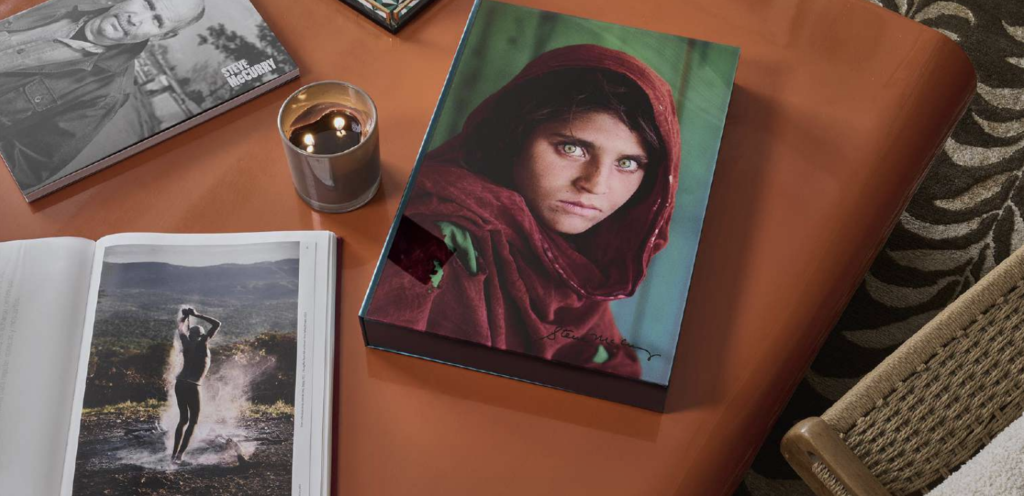
In a fair dominated by wall-based works, installations and moving image, Booth J08 offers a slower, more tactile experience. Here, rarity is not a mere market category but a way of thinking about how knowledge and images are preserved, circulated, and passed down. The booth makes a quiet but persuasive argument: that to collect art books at this level is to collect an entire infrastructure of editing, printing, binding, and design—the often-invisible labour that turns an artist’s idea into an object that can travel across time and geography.
Athmaja Biju is the Editor at Abir Pothi. She is a Translator and Writer working on Visual Culture.