Under the evocative theme “Rooting the Rooted – Revival of Indigenous Kerala Arts and Crafts,” third-year students of the Department of Architecture & Planning at the College of Engineering Trivandrum (CET) organized the 4th edition of AARAM, the annual Architecture and Design Fest, on February 22 and 23.

Carrying the poignant narrative –“One last game of pakida (betting board game), one last chance to reclaim all that has been lost, one last chance to reclaim the identity we hold close” – AARAM 2026 became a powerful platform championing the revival of Kerala’s traditional art, craft, and cultural expressions.
A handcrafted celebration of heritage
One of the festival’s defining features was its commitment to sustainability and craftsmanship. Eschewing plastic and store-bought materials, students envisioned and built a fully handcrafted atmosphere from installations and spatial interventions to illustrated backdrops. Their creativity extended online through their social media presence, where a detailed illustrated feed narrates forgotten Kerala crafts, visually reinforcing the festival’s ethos.
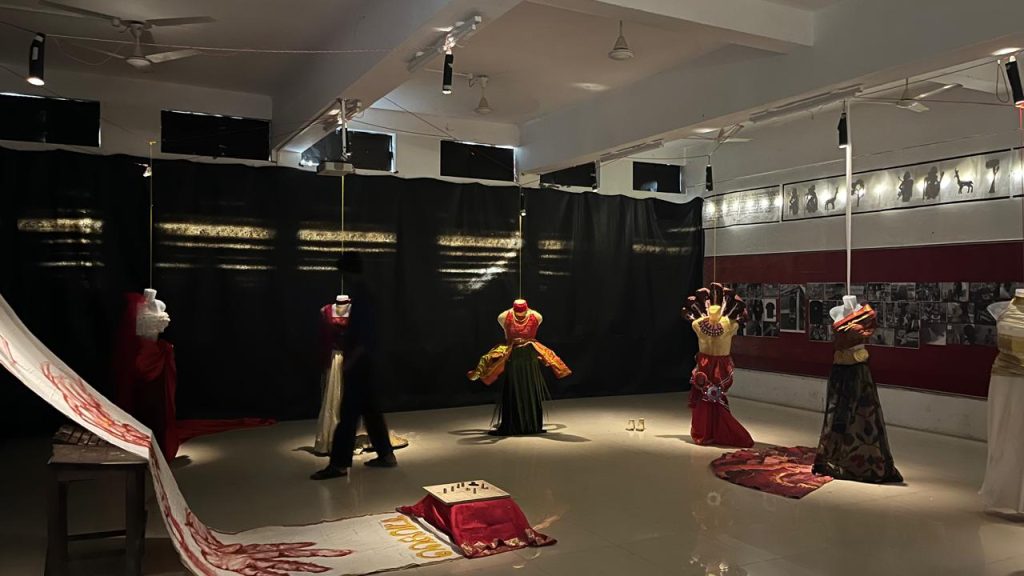
The centrepiece exhibition, titled “Verukal” (Roots), offered fresh reinterpretations of classic Kerala stories such as the Chekutty dolls’ resilience narrative and Balaramapuram’s weaving legacies. The diverse artworks and sculptures echoed both nostalgia and innovation. The exhibition, inaugurated on February 22, remains open for public viewing at the department until February 25.
Dialogues bridging tradition and modernity
The inaugural ceremony featured artist and Kochi Biennale curator Bose Krishnamachari as Chief Guest and architect Eugene Pandala as keynote speaker, both emphasizing the interplay of heritage and sustainability in contemporary design.
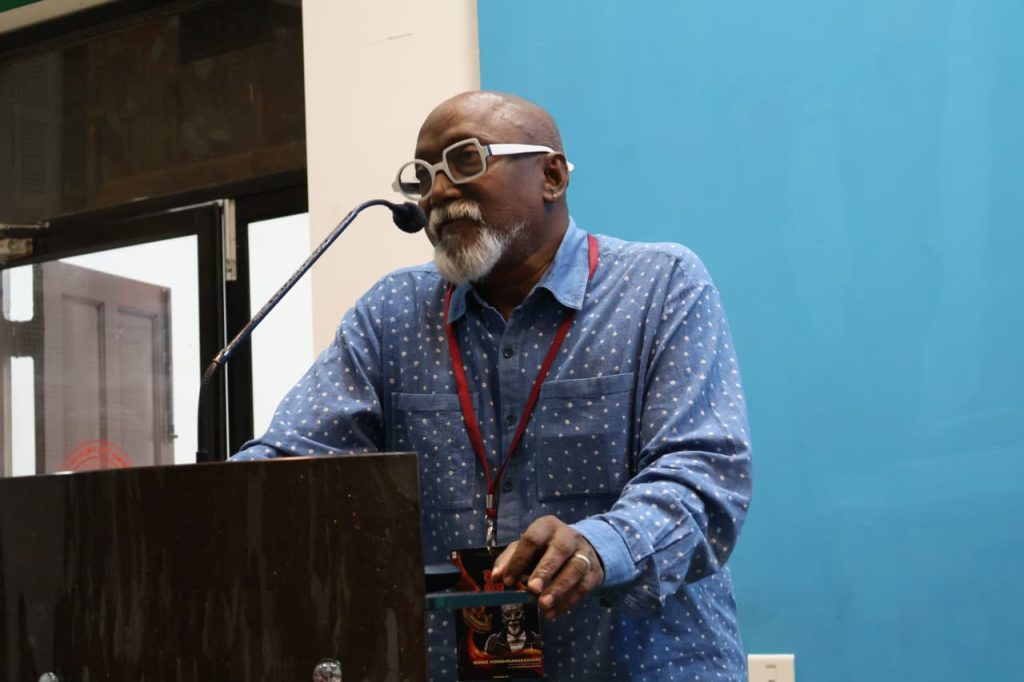
Noted historian Manu S. Pillai’s talk, “Do Buildings Speak?”, along with set designer Ashwanth Lal’s reflections on cinematic design, brought compelling perspectives on storytelling through built forms.
A Film Conclave gathered creative professionals such as editor Abhilash Balachandran, art director Anees Nadodi, director Antony Sony, and Club FM RJ Rahul, who discussed the craft of filmmaking from behind the scenes.
The festival’s second day featured “Kattayam – The Heritage Conclave,” a thought-provoking panel titled “Can Craft Be Contemporary Without Becoming Commodity? When does revival turn into aesthetic extraction?” featuring Architect Vinod Kumar M.M., Shrutin Lal, and Muhammed Shihad, moderated by Babu Ramachandran.
Learning through making
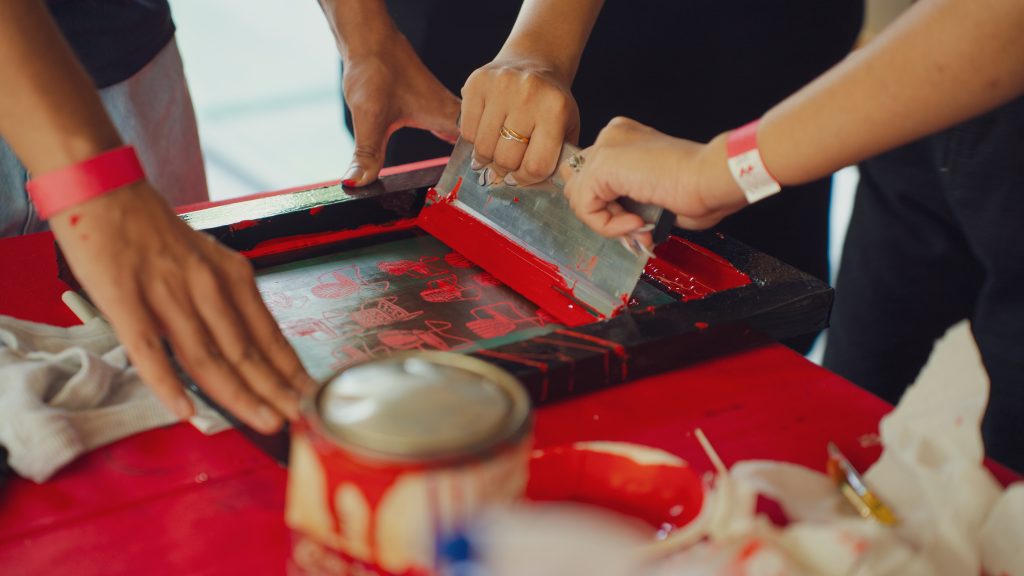
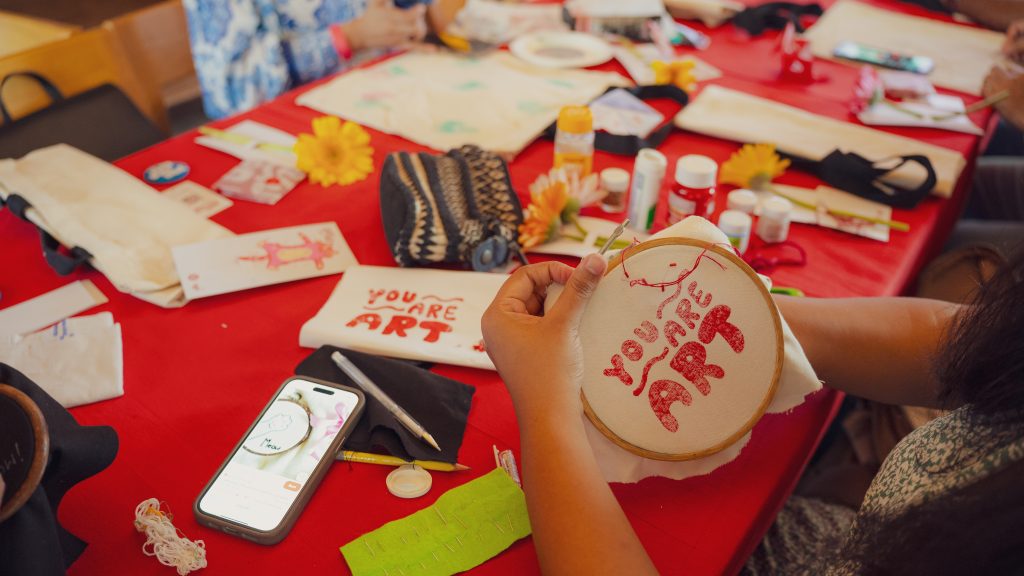
Hands-on workshops deepened participant engagement: from Kuruthola (coconut leaf) weaving by John Baby, to a cement relief workshop by Manikandan Punnakkal, a character design session by Fathima Hakim, and a crochet workshop led by students themselves. These sessions celebrated the tactile intimacy between maker, material, and meaning.
At its heart, AARAM sought to raise an urgent question for the next generation of architects and designers: How can traditional construction techniques and craft practices be meaningfully reinterpreted within today’s design landscape?
Athmaja Biju is the Editor at Abir Pothi. She is a Translator and Writer working on Visual Culture.