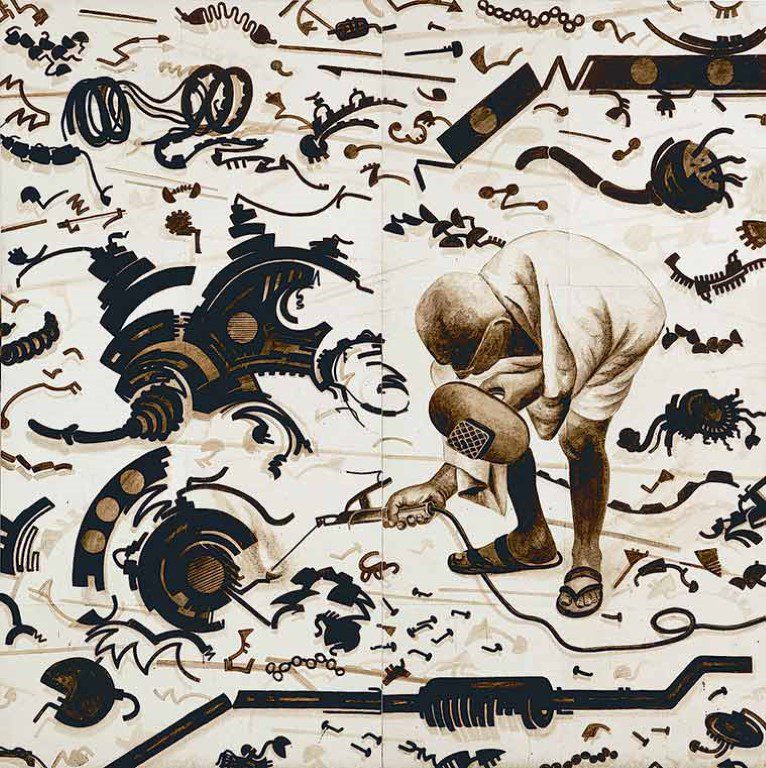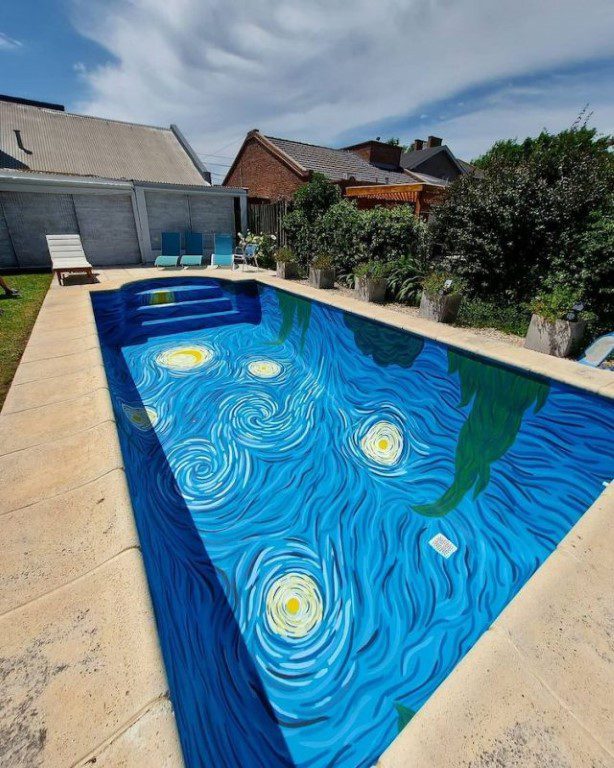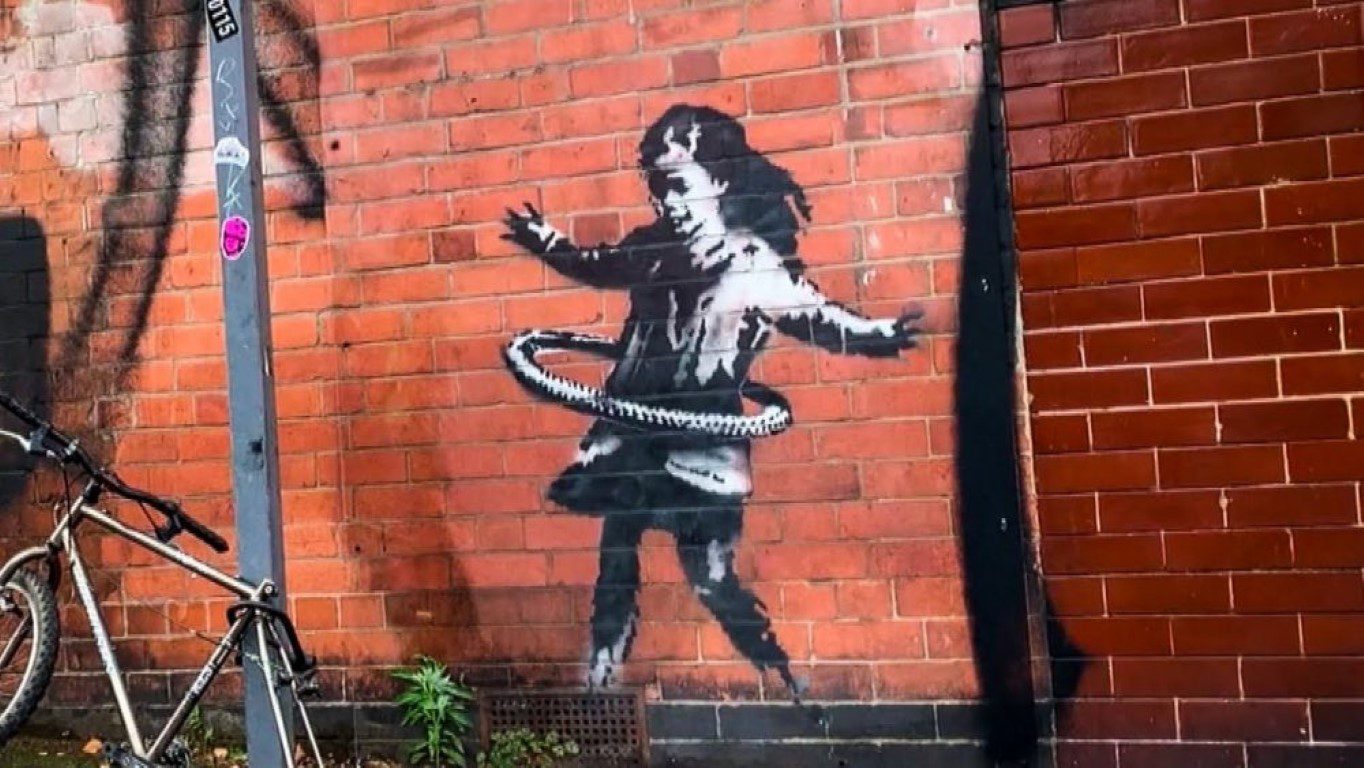
The Metropolitan Museum of Art has announced the dress code for this year’s Met Gala: “Fashion Is Art”, a directive that invites guests to treat their outfits as autonomous artworks while aligning with the Costume Institute’s spring exhibition, “Costume Art.”

What the dress code means
The phrase “Fashion Is Art” is deliberately open‑ended, meant less as a literal aesthetic and more as a conceptual brief. The Costume Institute’s curator Andrew Bolton has framed it as a playful rebuttal to the long‑standing debate about whether fashion belongs in the realm of fine art, suggesting the theme is designed “to put an end to the rather obsolete ‘Is Fashion Art?’ debate once and for all.”
The dress code encourages attendees to view the dressed body as a canvas, drawing inspiration from how designers and artists have historically represented and adorned the human form across 5,000 years of art history. Costume Art, the accompanying exhibition, will pair nearly 400 pieces—paintings, sculptures, historical garments, and contemporary fashion—from across the museum’s departments around the shared motif of the “dressed body.”
Gala date, chairs, and host committee
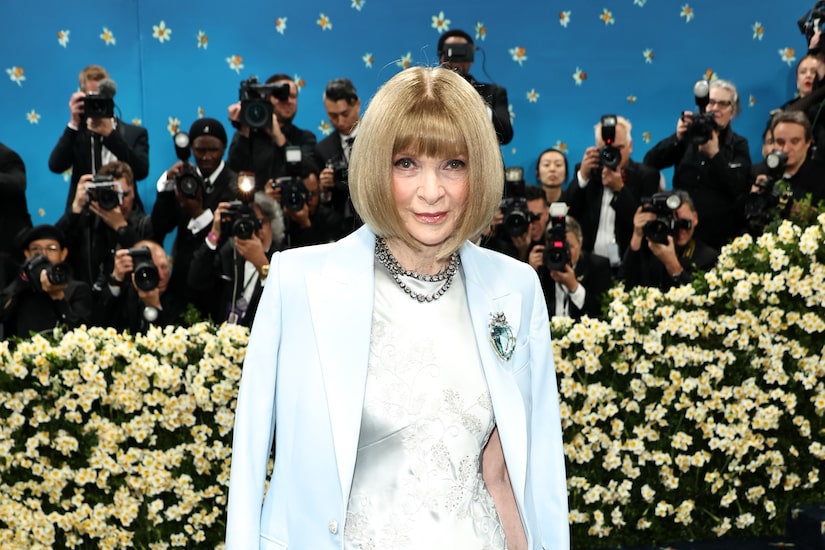
The 2026 Met Gala will take place on Monday, May 4, at the Metropolitan Museum of Art in New York, continuing its tradition as fashion’s most high‑profile charity night and the annual kickoff for the Costume Institute’s spring show. Beyoncé, who will be making her eighth appearance at the gala, is set to co‑chair the event alongside tennis star Venus Williams, Nicole Kidman, and Vogue’s editor‑in‑chief Anna Wintour, with the evening overseen by Wintour as usual.
The host committee includes a mix of fashion, film, and performance figures such as Zoë Kravitz, Lena Dunham, Misty Copeland, Sabrina Carpenter, Teyana Taylor, and designer Anthony Valello, among others. All will be expected to interpret the “Fashion Is Art” brief in highly personal, often avant‑garde ways—ranging from body‑conscious silhouettes to looks that directly reference historical artworks or abstract concepts.
Why “Fashion Is Art” matters
Beyond the red‑carpet spectacle, the theme signals a deeper institutional argument: that fashion is not peripheral to art history but woven through every gallery and curatorial department of the Met. Bolton has described the show as an inversion of past exhibitions, where the lens reverses from “art about fashion” to “art through the lens of fashion,” emphasizing garments and dressed figures as central vehicles of artistic expression.
For the public, the announcement turns the Met Gala into a live, high‑profile conversation about authorship, medium, and aesthetics, with every guest’s outfit operating as a small, performative artwork. As the first Monday in May approaches, designers, stylists, and red‑carpet watchers alike are already parsing references—from ancient statuary to Surrealist painting—to see how the directive “Fashion Is Art” will be translated onto the iconic museum steps.
Athmaja Biju is the Editor at Abir Pothi. She is a Translator and Writer working on Visual Culture.