Olympic art competitions awarded medals alongside athletic events from 1912 to 1948, a unique fusion of culture and sport envisioned by founder Pierre de Coubertin. These events celebrated the ancient Greek ideal of harmony between body and mind, drawing thousands of entries until professionals’ dominance led to their discontinuation.

Historical Origins
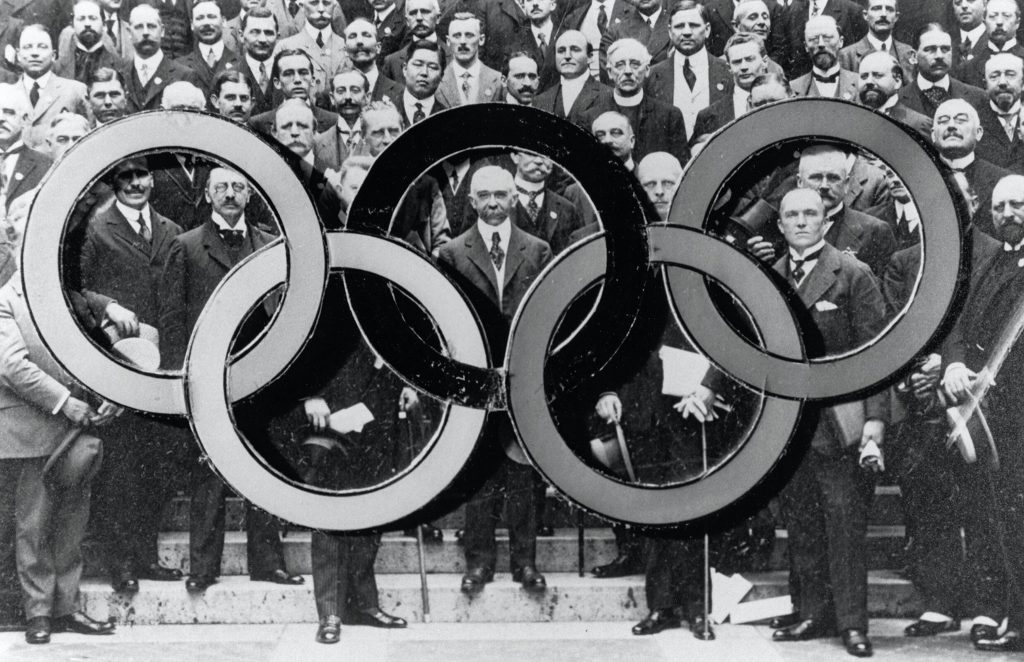
Baron Pierre de Coubertin revived the Olympics in 1896 partly to unite art and athletics, inspired by ancient Greek festivals where poets and sculptors competed with athletes. The first art contests debuted at Stockholm 1912 after his persistence, despite resistance from art critics who dismissed “sporting art” as kitsch. Over four decades, they featured at every Summer Games except 1916 (canceled by war), awarding 151 medals across five disciplines.
Event Categories and Rules
Competitions covered architecture, literature, music, painting, and sculpture, with all entries required to depict sport explicitly—no abstract works allowed. Gold, silver, and bronze medals matched athletic standards, judged anonymously by international panels. Architecture often honored stadium designs, literature short epics or essays, music compositions for sport themes, painting vivid athletic scenes, and sculpture dynamic figures in motion.
| Category | Examples of Themes | Total Medals Awarded |
|---|---|---|
| Architecture | Stadiums, sports facilities | 30 |
| Literature | Poems, essays on athleticism | 30 |
| Music | Orchestral works evoking sport | 30 |
| Painting | Scenes of races, matches | 30 |
| Sculpture | Athlete statues, group dynamics | 31 |
Standout Achievements
Luxembourg’s Jean Jacoby remains the top medalist with two golds and a silver: 1924 painting Étude de Sport, 1928 drawing Rugby, and more. Irish painter Jack B. Yeats claimed silver in 1924 for The Liffey Swim, Ireland’s inaugural Olympic medal. Americans shone too—Walter Winans won golds in shooting and 1912 shooting-themed sculpture An Athlete Pouring Water Over His Head. Other notables include Germany’s Josef Wackerle (sculpture gold, 1932 Berlin) and Italy’s multiple literary victors.
Legacy and Discontinuation
Germany topped the medal table (24), followed by Italy and France (14 each), reflecting Europe’s artistic dominance. The contests ended after London 1948 amid controversy: Olympic amateurism rules conflicted with professional artists submitting works, and low public interest grew evident. Helsinki 1952 pivoted to non-competitive exhibitions, a model continuing today with cultural Olympiads. Today, rediscovered medals fetch high auction prices, reminding us of sport’s artistic roots
Athmaja Biju is the Editor at Abir Pothi. She is a Translator and Writer working on Visual Culture.