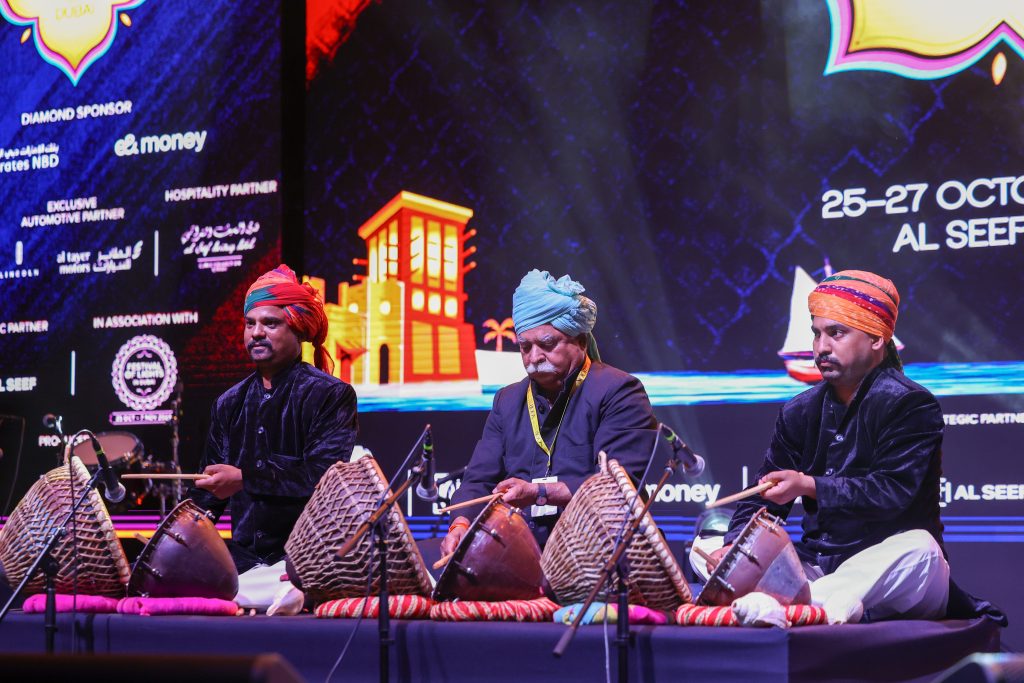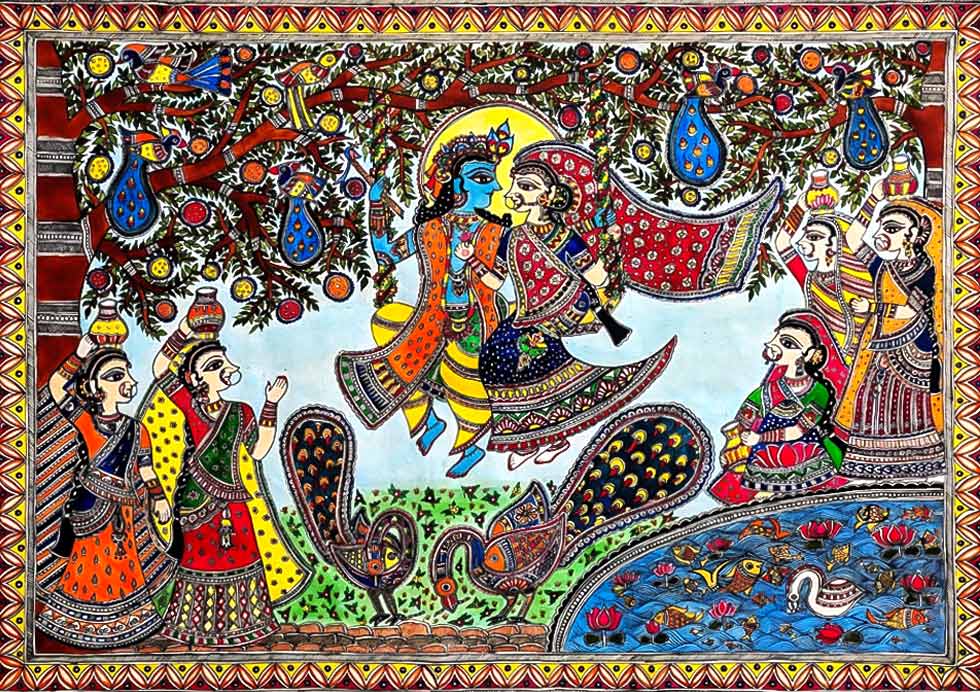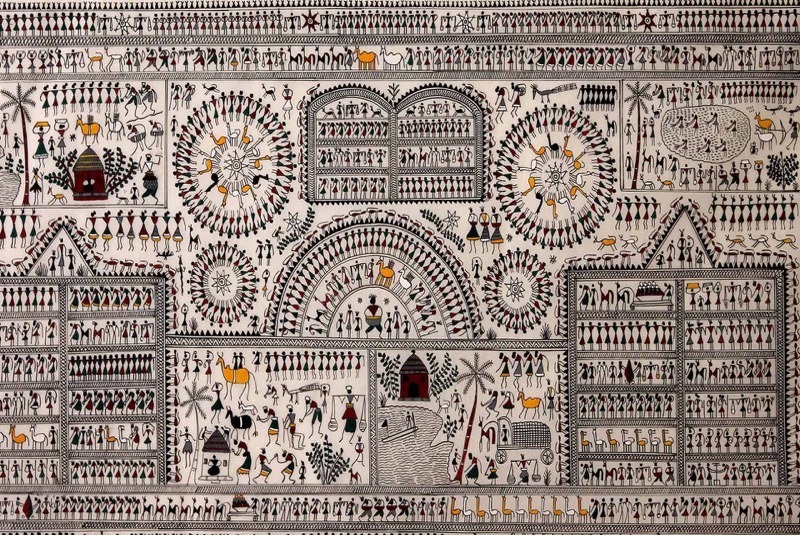
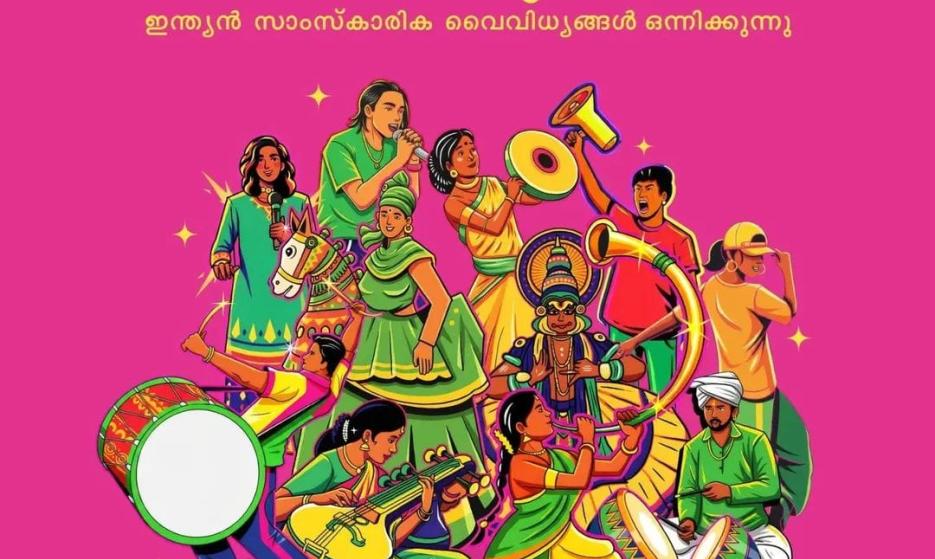
The Indian Cultural Congress 2025 in Kochi was held as a national gathering of artists, writers, scholars and performers, foregrounding pluralism, dialogue and resistance to cultural homogenisation. Over three days from December 20 to 22, the city was turned into a dense network of seminars, performances and exhibitions spread across multiple venues in Ernakulam.
Event overview
The Indian Cultural Congress was conceived as India’s first national-level cultural congress, hosted with the support of the Department of Culture, Government of Kerala, and a consortium of cultural institutions and organisations. Built around the core values of culture, dialogue, fraternity, equality and peace, the congress aimed to position culture as a critical arena of democratic debate rather than mere entertainment.
The three-day event unfolded across several venues in Kochi/Ernakulam, functioning as an umbrella platform for parallel programmes in literature, visual arts, performance, cinema and critical discourse. Public participation was enabled through prior registration, with the city effectively operating as an open cultural campus during the congress days.
Inauguration and political framing
The congress was inaugurated on December 20 by Kerala chief minister Pinarayi Vijayan at a central venue in Ernakulam, with the state’s minister for culture Saji Cherian presiding. In his address, the chief minister framed the congress as a necessary cultural response to communal polarisation and attacks on constitutional values, underlining Kerala’s historical commitment to secularism and resistance to majoritarianism.
Speakers at the opening sessions repeatedly stressed the need to defend India’s plural, multilingual and multi-religious cultural fabric against pressures for homogenisation. The event was presented not as a celebratory festival alone, but as a platform to build long-term cultural resistance through ideas, practice and institutional collaboration.
Programme structure and themes
Across three days, the congress hosted an extensive schedule of panel discussions, plenary lectures, readings, workshops, theatre, music, film screenings and exhibitions. Sessions were curated around themes such as secularism and cultural dissent, languages and translation, media and democracy, folk and tribal performance traditions, and questions of caste, gender and sexuality in contemporary cultural practice.
The organisers placed particular emphasis on marginalised and under-represented voices, including dedicated stages and sessions for transgender artists, linguistic minorities and differently abled performers. Alongside Indian programmes, a painting exhibition by Palestinian artists and an art display on Palestine in a city park underscored the congress’s emphasis on global solidarity and anti-war cultural politics.
Participants and artistic presence
The participant list brought together a wide spectrum of writers, poets, artists, filmmakers, scholars and public intellectuals from different regions of India, alongside selected international voices. Among the named figures were poet and lyricist Javed Akhtar, Hindi poet Ashok Vajpeyi, Malayalam writers K Satchidanandan and M Mukundan, and several other prominent literary and academic personalities.
From cinema and theatre, figures such as filmmaker Saeed Mirza, actor Ratna Pathak Shah and theatre practitioner Sudhanva Deshpande were part of discussions on film culture, performance and politics. The classical arts were represented through artists including mridangam maestro Umayalpuram K Sivaraman, Kathakali legend Kalamandalam Gopi and Bharatanatyam exponent Santha Dhananjayan, signalling an intentional bridging of folk, classical and contemporary practices.
The valedictory ceremony on December 22 was led by actor Mammootty, who also received recognition for his contributions to cinema and culture, marking a high-profile close to the proceedings. In their closing statements, speakers reiterated the need to sustain such platforms beyond a single event and called for similar cultural congresses at state and local levels to carry forward the work initiated in Kochi
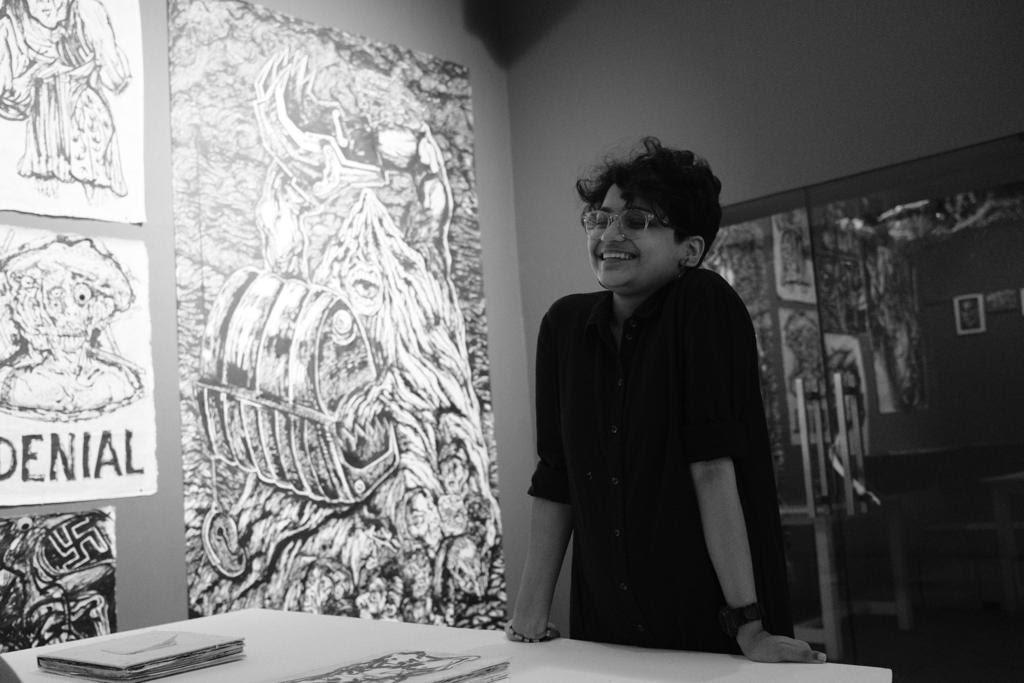
Athmaja Biju is the Editor at Abir Pothi. She is a Translator and Writer working on Visual Culture.