
Dhyey Chag Architects
Architectural Designer
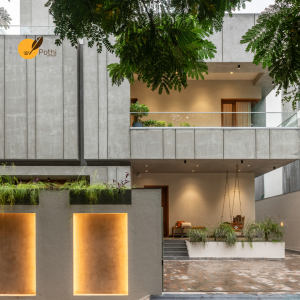
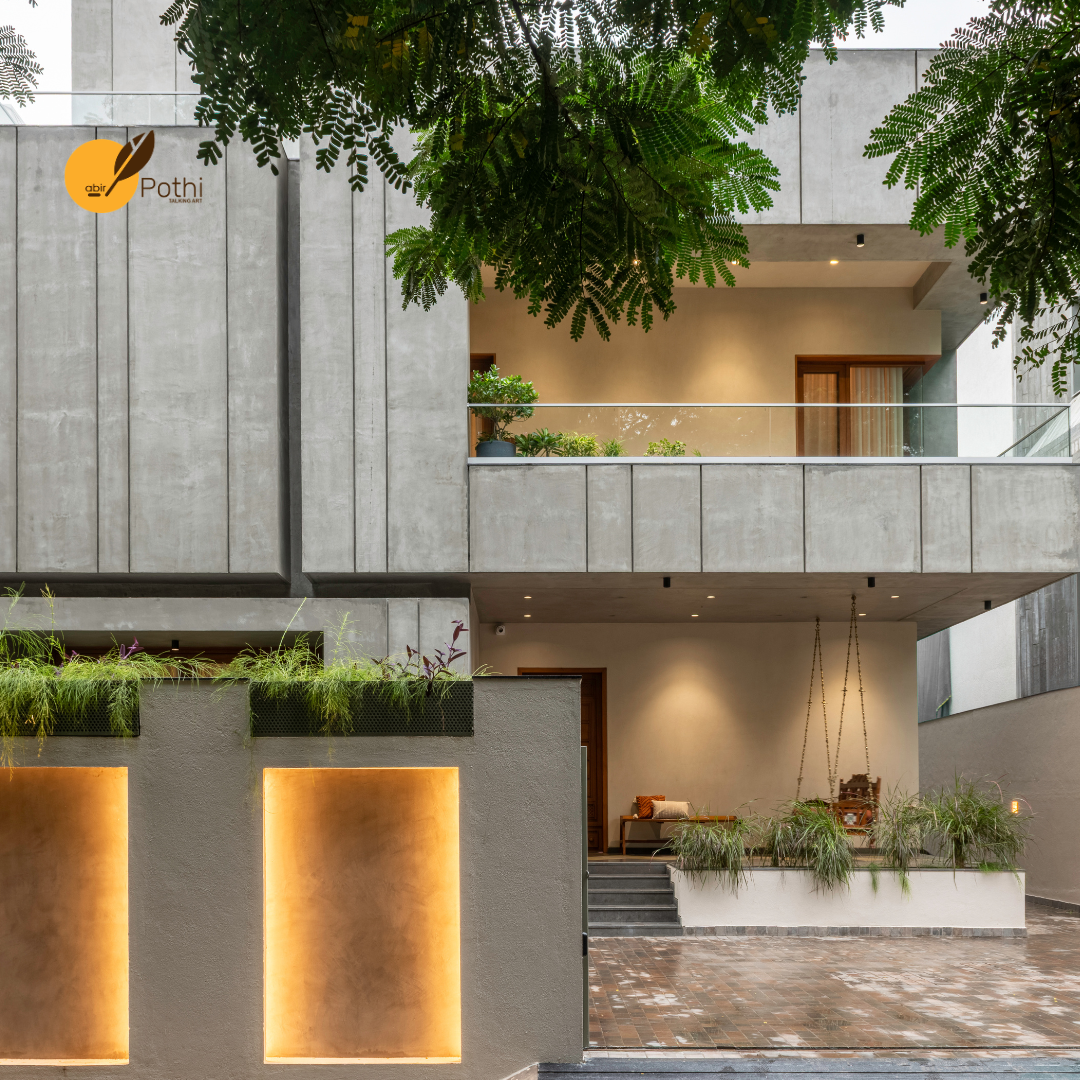
Designed by Dhyey Chag Architects, Mool Residence has been conceived as a contemporary Indian home where tradition and modernity are brought into quiet conversation. The intention has been to create a space that feels rooted without becoming nostalgic, while retaining a contemporary character without compromising warmth and familiarity.
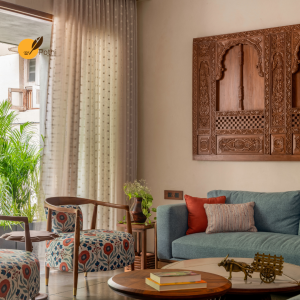
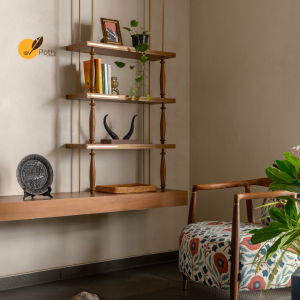
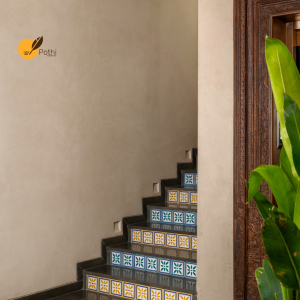
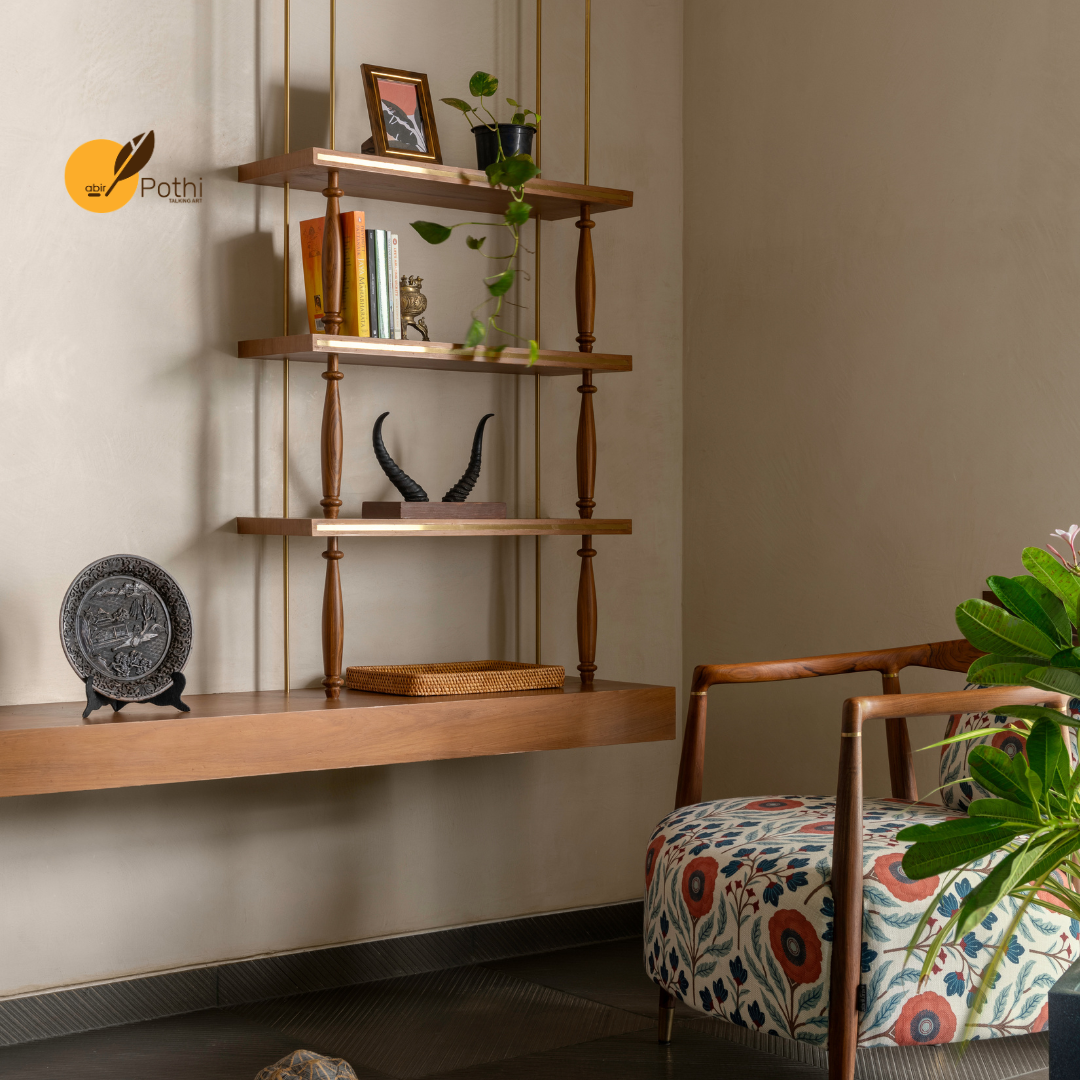
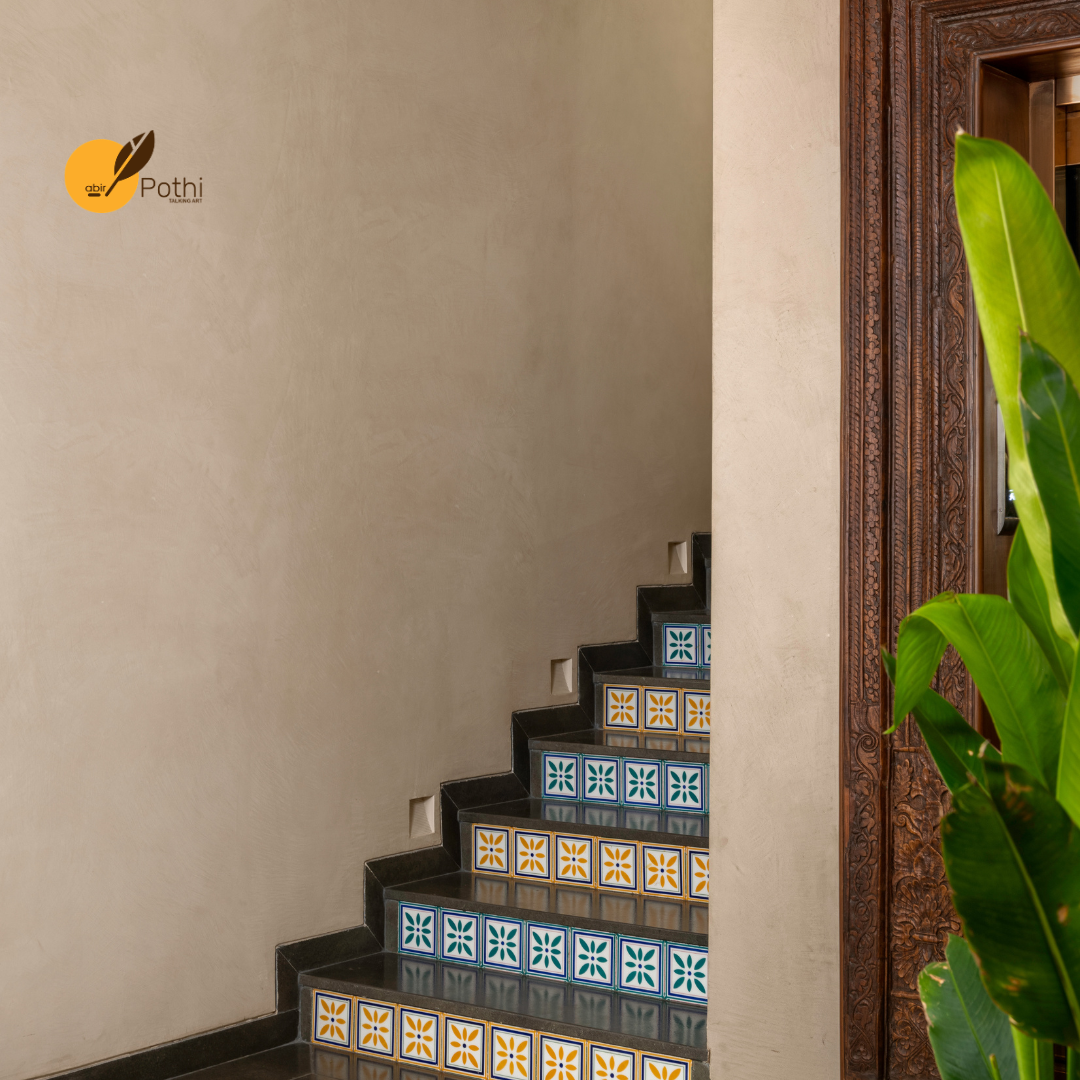
A restrained architectural framework has been established, within which materials, craftsmanship, art, and objects have been used to build the deeper narrative of the home. Stone, timber, lime plaster, woven textiles, and handcrafted details have been brought together not merely as finishes, but as elements that carry memories and cultural identity.
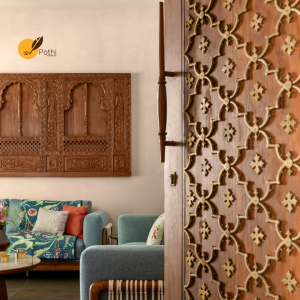
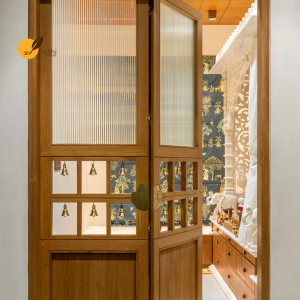
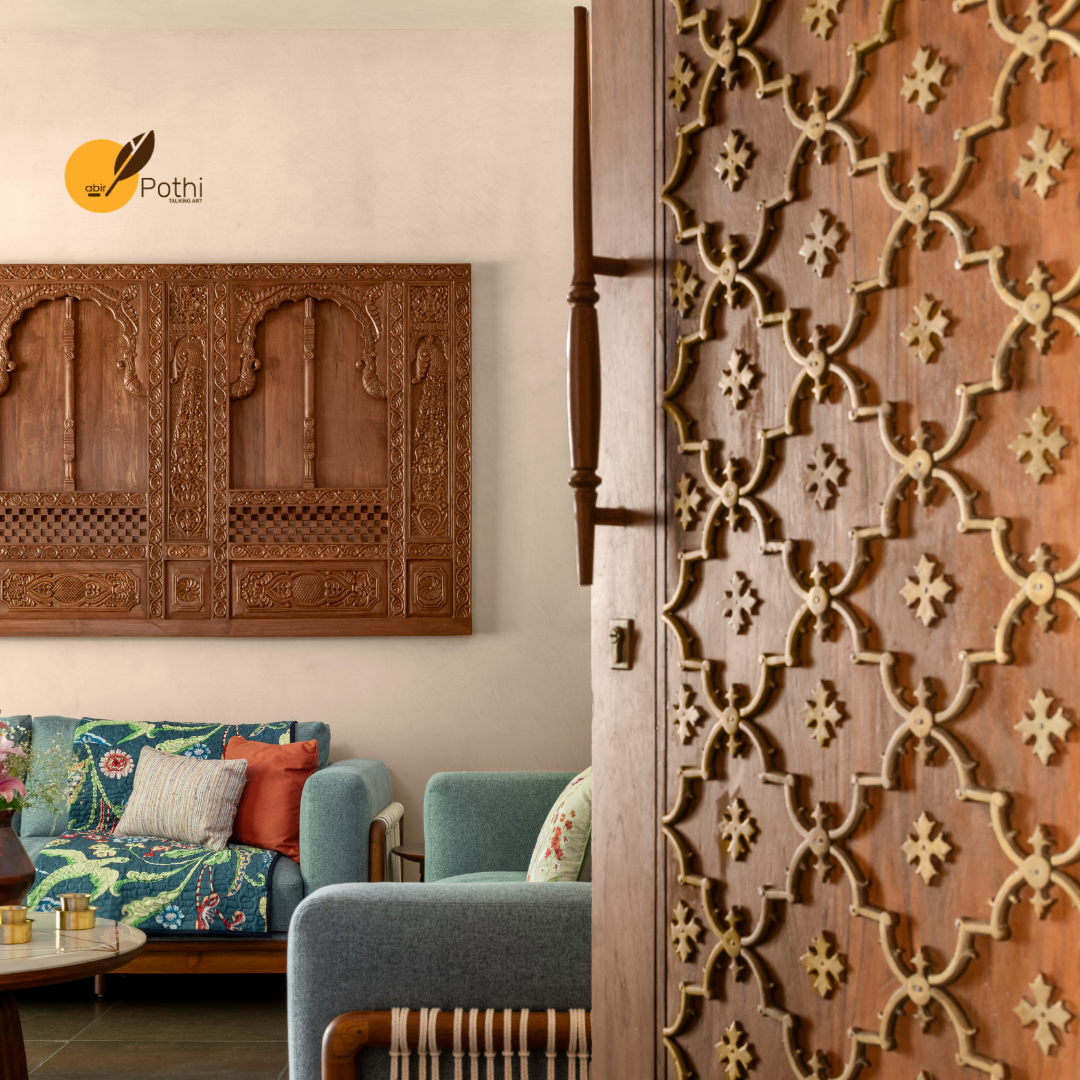
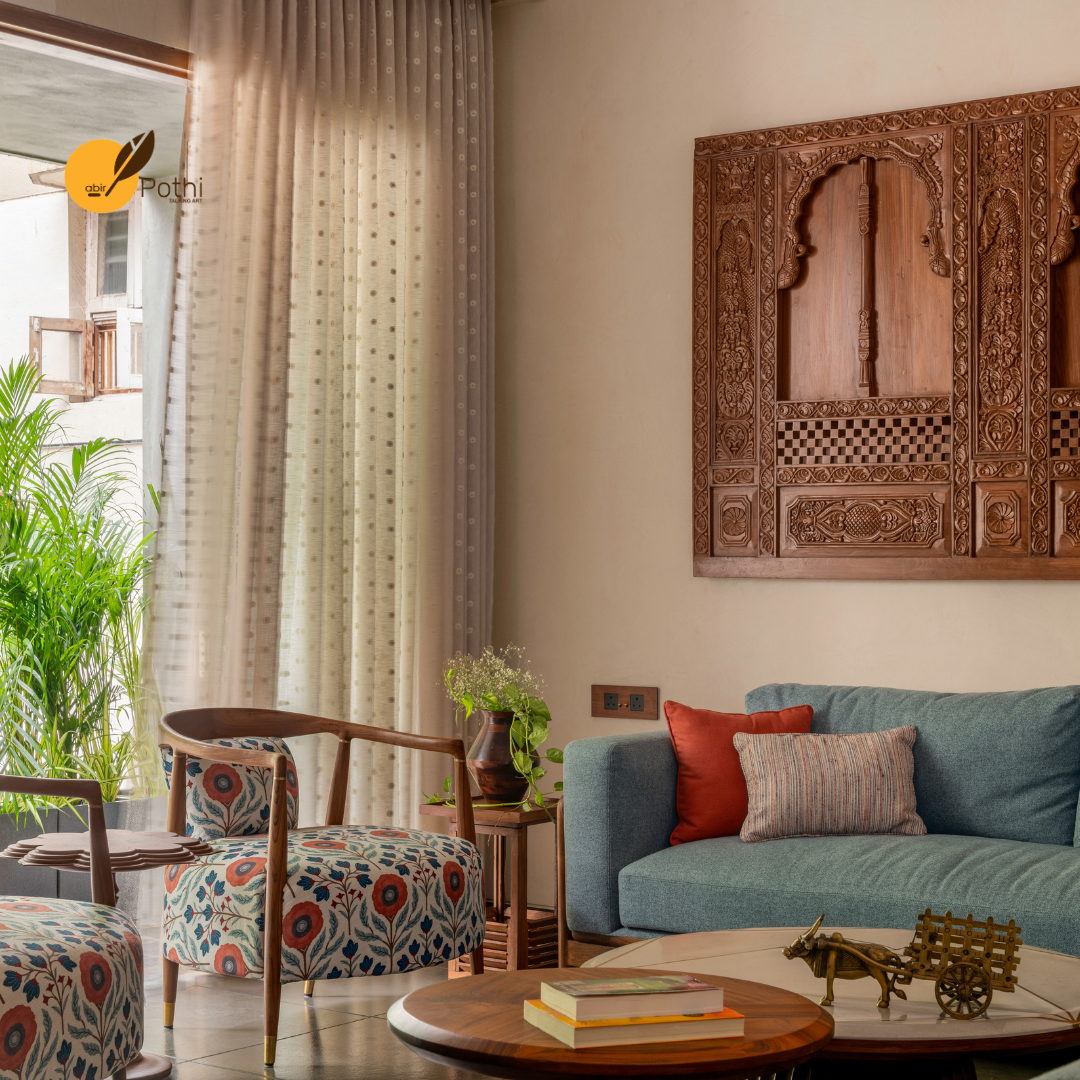
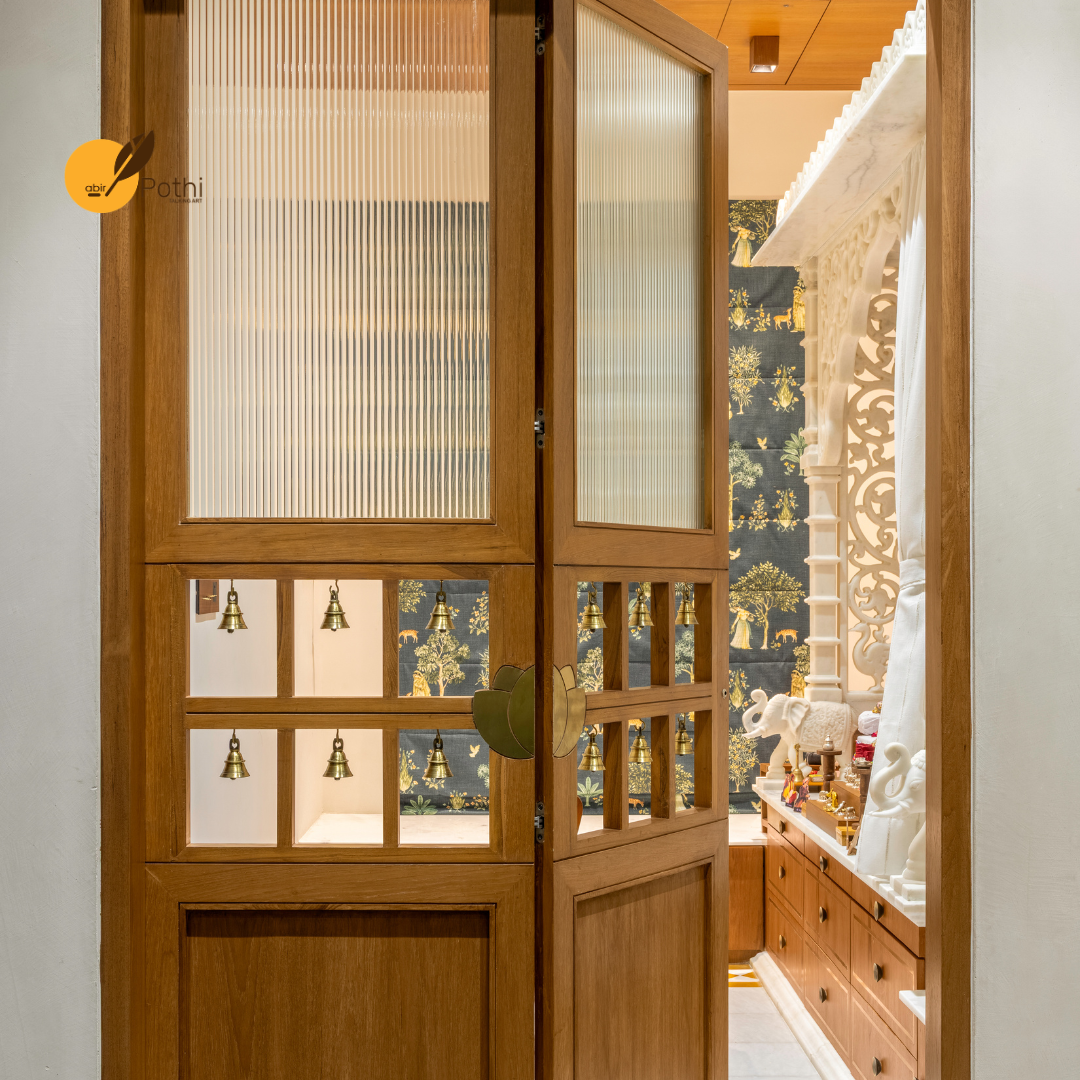
Traditional features such as jharokhas, carved wood, antique portals, and Indian craft have been reinterpreted through a contemporary spatial language. Rather than being treated as decorative elements, they have been integrated naturally into the architecture, allowing them to feel relevant and timeless.
Throughout the residence, moments of transition between light and shadow, openness and intimacy, and the old and new have been carefully created. These contrasts add depth to the spaces while allowing the home to evolve organically with the family.
At its heart, Mool Residence has been shaped as a reflection of its inhabitants and their collected experiences. Tradition has not been recreated, but thoughtfully reinterpreted through contemporary design, craftsmanship, and materiality, resulting in a home where memory, culture, and belonging are woven into everyday living.
Dhyey Chag Architects
Architectural Designer
Designed by Dhyey Chag Architects, Mool Residence has been conceived as a contemporary Indian home where tradition and modernity are brought into quiet conversation. The intention has been to create a space that feels rooted without becoming nostalgic, while retaining a contemporary character without compromising warmth and familiarity.
A restrained architectural framework has been established, within which materials, craftsmanship, art, and objects have been used to build the deeper narrative of the home. Stone, timber, lime plaster, woven textiles, and handcrafted details have been brought together not merely as finishes, but as elements that carry memories and cultural identity.
Traditional features such as jharokhas, carved wood, antique portals, and Indian craft have been reinterpreted through a contemporary spatial language. Rather than being treated as decorative elements, they have been integrated naturally into the architecture, allowing them to feel relevant and timeless.
Throughout the residence, moments of transition between light and shadow, openness and intimacy, and the old and new have been carefully created. These contrasts add depth to the spaces while allowing the home to evolve organically with the family.
At its heart, Mool Residence has been shaped as a reflection of its inhabitants and their collected experiences. Tradition has not been recreated, but thoughtfully reinterpreted through contemporary design, craftsmanship, and materiality, resulting in a home where memory, culture, and belonging are woven into everyday living.