War has always been a powerful and troubling part of human history. It brings destruction, fear, and uncertainty, but it also shapes nations, cultures, and identities. Alongside soldiers and leaders, artists have played an important role in responding to war. Through paintings, drawings, prints, and later photography and installations, artists have tried to capture the meaning of conflict. Their works do not just show battles—they also reflect emotions, ideas, and “truths” about war.
This article explores how artists have portrayed war over time, how their perspectives have been shaped, and why art remains important for understanding conflict.
War as a Source of Artistic Imagination
In many cases, artists who created images of war were not present on the battlefield. They relied on stories, reports, and imagination to construct their works. Because of this, war art often reflects interpretation rather than direct observation. Artists combined facts with imagination to create dramatic and meaningful scenes.
For example, early artworks often focused on heroic moments—kings leading armies, soldiers charging bravely, or victories being celebrated. These images were often commissioned by rulers or wealthy patrons who wanted to highlight power and success. As a result, such artworks sometimes ignored the suffering and chaos of war.
At the same time, these works helped shape how people understood conflicts. Since most viewers had never seen a battlefield, art became their main source of visual knowledge about war.
Depicting Battles on Land and Sea
Traditional war art often followed a thematic approach. Some artworks focused on land battles, depicting armies clashing, soldiers marching, and leaders issuing commands. Others depicted naval warfare, highlighting ships, sea battles, and strategic movements across oceans.
For instance, paintings of 18th-century naval battles often depicted ships, coastlines, and formations in great detail. Artists carefully showed flags, uniforms, and landscapes to make their works appear accurate. These paintings were not only artistic creations but also historical records of maritime power.
Similarly, land battles were depicted in dramatic compositions—dust rising, soldiers in motion, and leaders prominently placed. Even when the artist had not witnessed the event, these images created a sense of realism and importance.
War Beyond the Battlefield
Not all war-related artworks show fighting. Some focus on moments of tension, negotiation, or aftermath. For example, depictions of peace talks during civil conflicts reveal another side of war—uncertainty, fear, and fragile hope.
An etching of negotiations between opposing religious groups in 16th-century France shows how even peaceful moments are filled with tension. Both sides appear cautious and ready for conflict, highlighting how fragile peace can be during war.
Similarly, some artists used historical or mythical scenes to comment on their own times. A painting of an ancient Roman conflict might actually reflect a more recent political struggle. In such cases, art becomes a metaphor, using the past to speak about the present.
Emotion and Symbolism in War Art
Artists often use colour, light, and composition to express the emotional impact of war. For example, dark tones can suggest loss and despair, while bright colours may symbolise hope or victory.
A painting of a wounded military leader might focus not only on the event but also on the emotions surrounding it. The suffering of soldiers, the grief of followers, and the chaos of battle are all conveyed through artistic choices.
These emotional elements help viewers connect with the human side of war. Instead of seeing only strategy and outcomes, they experience fear, pain, courage, and loss.
War as “Truth” and Interpretation
War has been described as both a “destroyer and maker of truths.” This idea is important in understanding war art. There is no single truth about war—different people experience it in different ways. Artists interpret these experiences and present their own versions of truth.
Some artworks celebrate victory and national pride, while others criticise violence and destruction. These different perspectives can influence how societies remember wars. For example, a painting that glorifies a battle may evoke pride, while a more realistic or critical work may highlight suffering and question the purpose of war.
This means that art is not neutral. It can shape opinions, support political ideas, or challenge them.
The Role of War Museums
War art is often displayed in museums, which play a key role in preserving and presenting these works. Museums collect paintings, photographs, and objects related to war, helping future generations understand the past.
However, museums also make choices about what to show and how to show it. In many cases, early war museums focused on heroism and sacrifice, avoiding disturbing images. This created a more “acceptable” version of war, one that honoured bravery but did not fully show its horrors.
Some museums, however, take a different approach. They include graphic images and difficult stories to highlight the reality of war. These displays encourage visitors to think critically about conflict and its consequences.
The Impact of the World Wars
The two World Wars of the 20th century changed the way artists portrayed war. These conflicts were larger and more destructive than ever before, affecting millions of people worldwide.
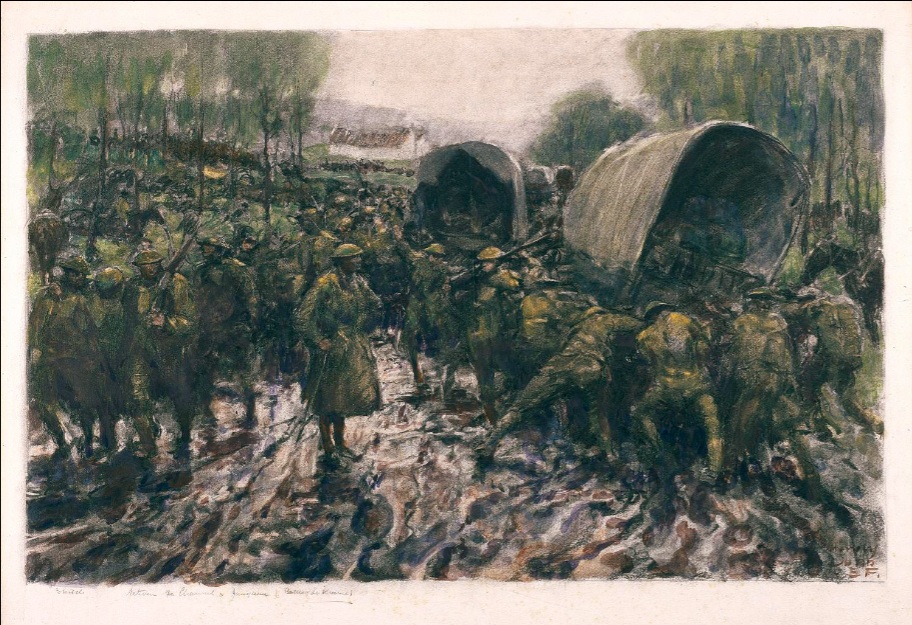
Artists who experienced these wars firsthand began to depict them in new ways. Instead of focusing on glory, many works showed suffering, destruction, and the psychological effects of war. This shift marked an important change in war art.
For example, artists and writers from World War I developed new styles to express the horrors of trench warfare. Their works often rejected traditional heroic imagery, focusing instead on fear, confusion, and loss.
World War II further expanded these themes, with artists exploring issues such as displacement, trauma, and memory.
The Contribution of Women Artists
For a long time, the role of women in war art was overlooked. Many people assumed that war artists were mainly men who documented battles. However, women also contributed significantly, despite many challenges.
During World War I, only a few women were officially commissioned as war artists. They often had fewer opportunities and faced more restrictions than their male counterparts. Despite this, they produced important works documenting women’s roles during the war, including nursing, factory work, and support efforts.
After the war, efforts were made to recognise women’s contributions. Committees and organisations commissioned artworks to highlight their experiences. These works expanded the understanding of war by showing perspectives beyond the battlefield.
War Art in Modern Times
In modern times, war art continues to evolve. Artists now use a wide range of media, including photography, video, and digital art. They explore not only battles but also the long-term effects of conflict, including displacement, identity issues, and environmental damage.
Contemporary artists often question the idea of war itself. Instead of glorifying it, they may criticise violence, highlight injustice, or focus on human suffering. Their works encourage viewers to consider the ethical and social impacts of conflict.
Art also plays a role in global conversations. Works from different countries show how war is experienced in diverse cultural contexts. This helps create a more complete understanding of conflict.
Art as Memory and Reflection
One of the most important roles of war art is to preserve memory. Paintings, drawings, and other works serve as visual records of events and experiences. They help future generations understand what happened and how people felt.
At the same time, art allows for reflection. It invites viewers to think about the causes and consequences of war. By presenting different perspectives, art encourages dialogue and critical thinking.
However, it is important to remember that no artwork can fully capture the complexity of war. Each piece represents a particular viewpoint, shaped by the artist’s experiences, beliefs, and context.
Art and war have always been closely connected. From early paintings of heroic battles to modern works that question violence, artists have played a key role in shaping how we understand conflict.
War art is not just about recording events—it is about interpreting them. It reflects emotions, ideas, and different “truths” about war. Through their work, artists help us see beyond the surface of battles and understand the deeper human experience.
As history continues to unfold, art will remain an important way to explore and remember war. It reminds us of both the power and the cost of conflict, encouraging us to reflect on the past and consider the future.
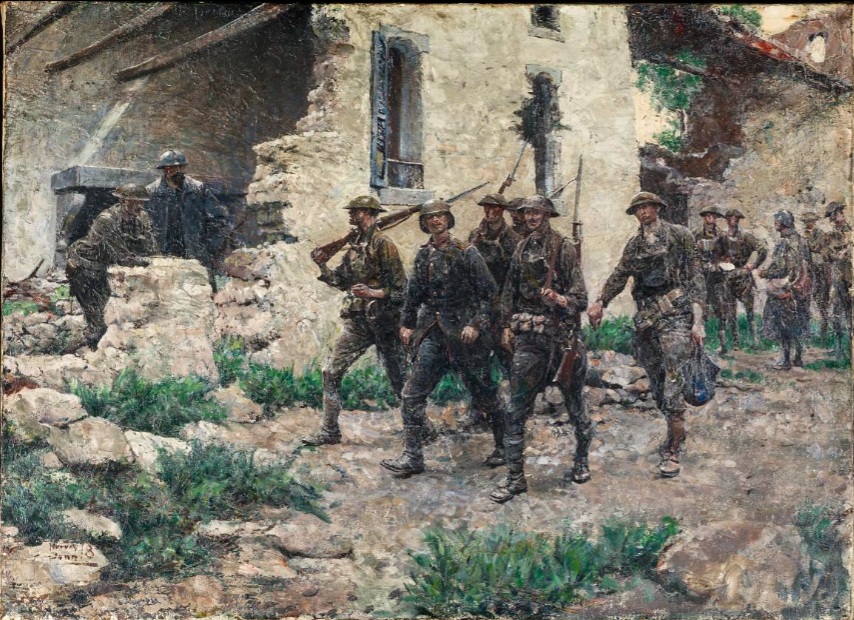
Feature image: Between Le Charmel and Jaulgonne-Harvey Thomas Dunn (image-americanhistory.si.edu)
Reference
- artmonkey, Sadegh Adham
- aidaforoutan, Omid Memarian, ‘Embracing imperfection is key to artistic evolution’, February 2025- Art Aware: ‘Embracing imperfection is key to artistic evolution’:
- Sara Shamsavari, October, 2023- Sara Shamsavari | Pioneer 20 2023 – WeAreTheCity
- arts.ac.uk, Mariana Jaureguilorda Beltran, January 2022- Empowerment through art with Sara Shamsavari | UAL
- Sara Shamsavari, PAST – Sara Shamsavari

Contributor