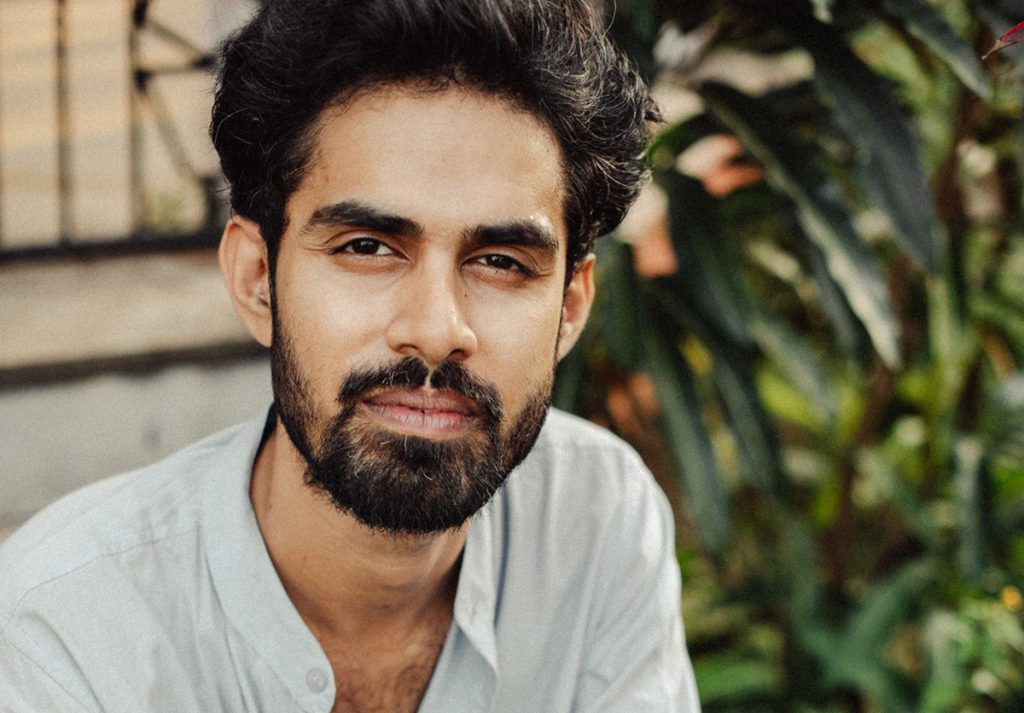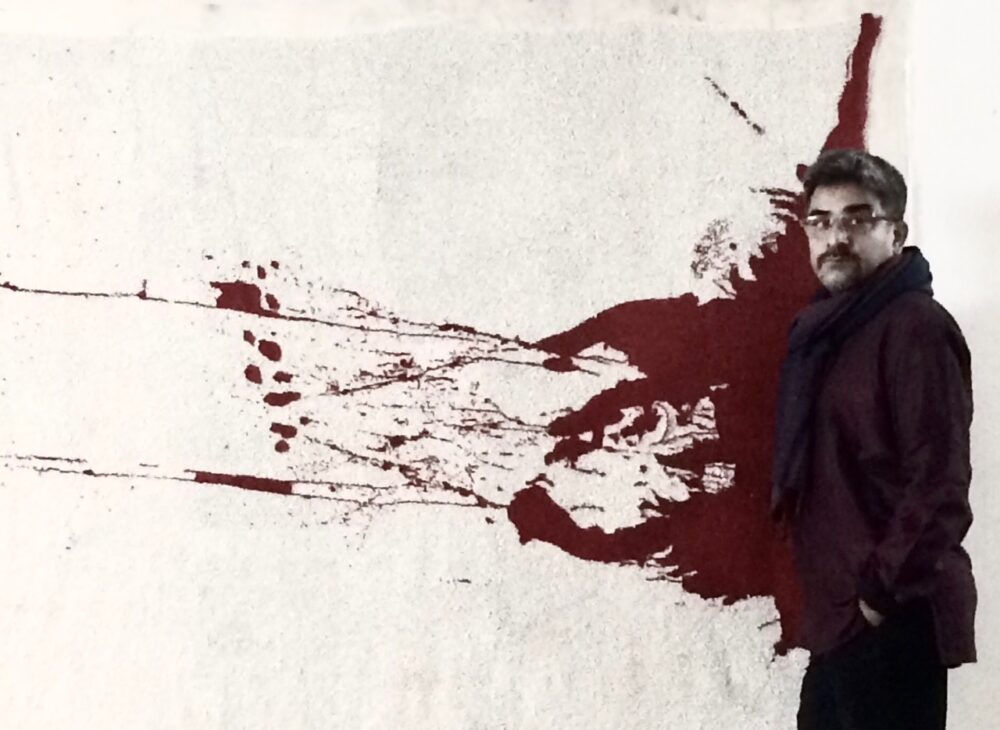
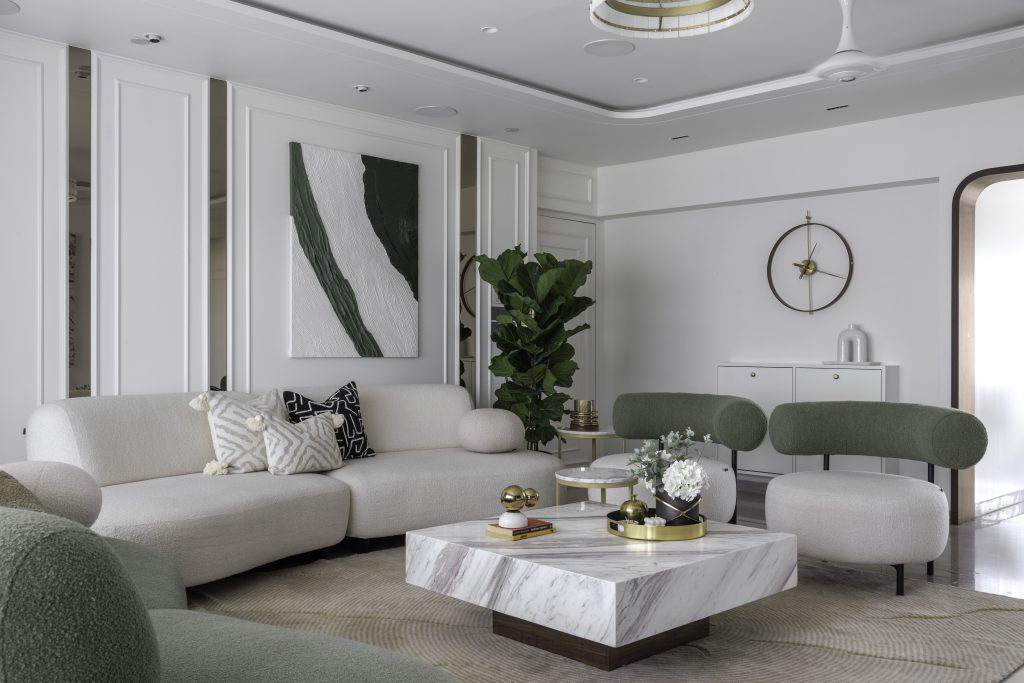
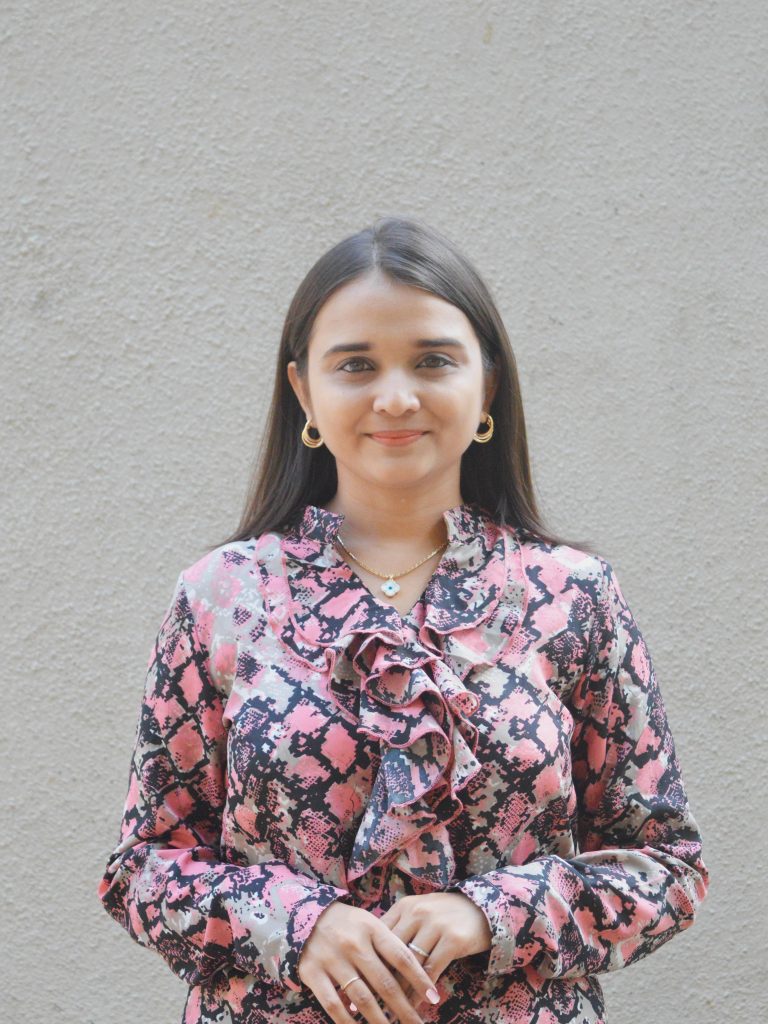
Aditi Savani is the Principal Designer at Studio Tattva by Aditi, a studio dedicated to creating visually calm, highly functional spaces that truly reflect the people who inhabit them. With a philosophy rooted in clarity, practicality, and balance, Aditi’s signature aesthetic blends clean, timeless design with thoughtful proportions, honest materials, and layouts that endure. Her work spans neo-classical charm to modern minimalism, always prioritizing efficiency, durability, and refinement suited to dynamic Indian lifestyles—evolving from global sensibilities to local practicality.
Influenced by designers like Joe Chang and Steve Leung, travel, nature’s organic forms, and Indian culture’s multifunctional warmth, Aditi’s creative process begins with deeply understanding clients’ routines. This informs mood boards, detailed drawings, and precise on-site execution, often enriched by collaborations with artisans for authentic, customized textures and perspectives.
Key milestones include the award-winning APEX VILLA in Singapore—a 25,000 sq. ft. project that marked a turning point, expanding the studio’s capabilities in ultra-luxury residences across India, the US, Hong Kong, and the Middle East. Recognitions such as the Decowood Design Diva title (three years running) and the Grohe Bath and Design award affirm her craft.
Sustainability guides her choices, merging India’s traditional wisdom—like cross-ventilation and climate-resilient materials—with contemporary practices such as low-VOC finishes and modular construction. Looking ahead, Studio Tattva eyes experimental typologies: commercial workspaces, F&B environments, and retail experiences, always seeking clients who trust the process.
Aditi advises emerging designers: stay curious, humble, and committed—hard work and integrity build lasting practices.
As part of Abir Pothi’s DTalks series, Aditi Savani opens up about her creative process, projects and design philosophy.
Question: How would you describe your signature design aesthetic, and how has it evolved while working in India?
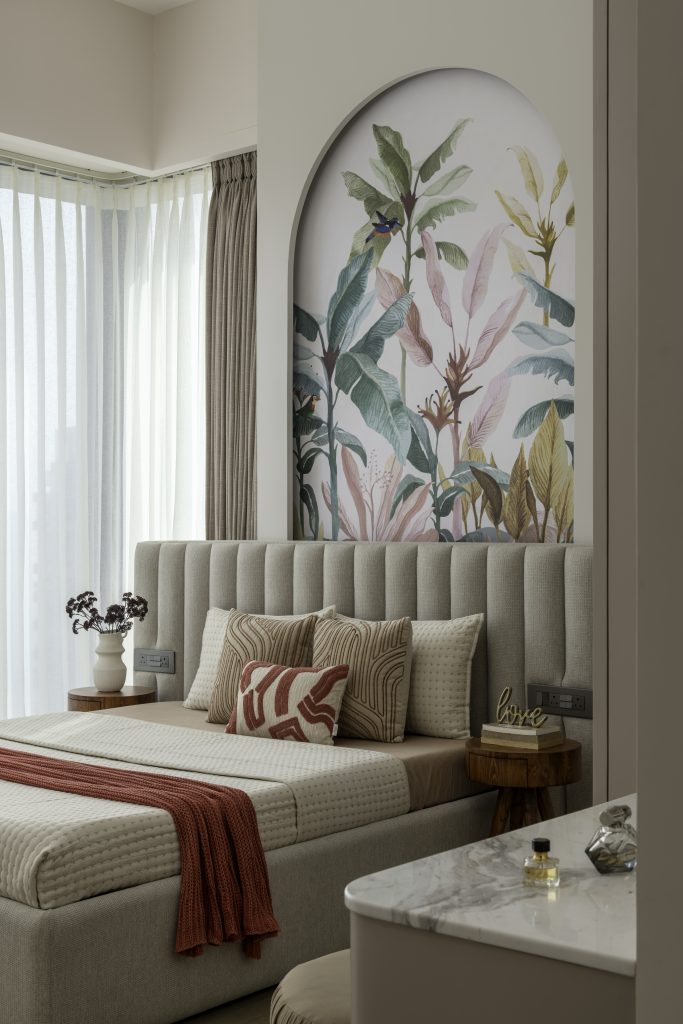
- Aditi Savani: I’d describe my signature aesthetic as clean, timeless, and deeply functional. Even when we experiment with styles—whether it’s neo-classical detailing or a very modern minimal palette, the underlying approach stays consistent. We focus on balance: thoughtful proportions, practical layouts, and materials that feel honest and long-lasting.
- Working in India has shaped this aesthetic in a very real way. Indian homes are lived-in, dynamic, and multi-layered, so the design has to hold up to daily life while still feeling refined. Over the years, I’ve learned to blend global design sensibilities with local practicality. For example, things like efficient space planning, storage that doesn’t compromise aesthetics, and materials that are durable in our climate.So the evolution has been about creating a style that feels international, but functions beautifully for an Indian lifestyle. That balance has really become the signature of Studio Tattva.
Question: What influences and inspires your current work? Could you share some movements, designers, or elements of Indian culture that have shaped your practice?
Aditi Savani: A lot of my inspiration comes from a mix of global design voices and very grounded Indian experiences. Designers like Joe Chang and Steve Leung have had a big influence on my approach, their clarity, restraint, and ability to create calm, balanced spaces resonate strongly with the way I think about design.
Travel is another major source of inspiration for me. Observing how different cultures use space, materials, and light always adds new layers to my own practice. And equally, spending time in nature helps me reset my perspective. Natural textures, organic forms, and even something as simple as the way light moves through a landscape. These moments quietly shape my design decisions.
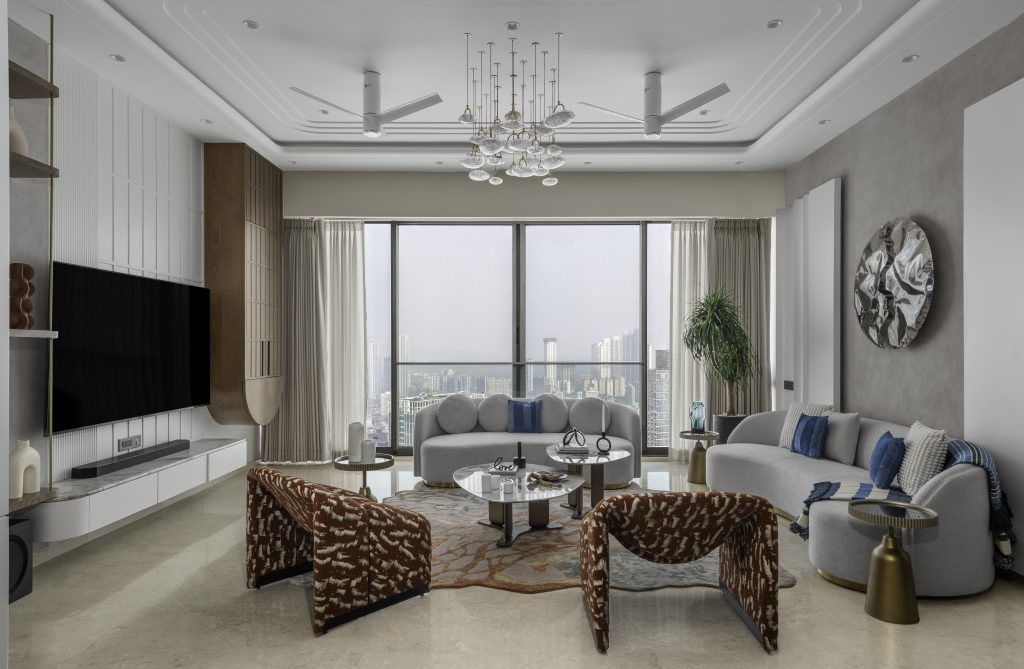
Indian culture also plays its part. The way our homes evolve, the importance of multifunctional spaces, and the warmth of Indian materials and crafts, all of these elements naturally find their way into our projects. So my work becomes a blend of global minimalism and Indian sensibility.
Question: Could you walk us through your creative process? How do you move from initial concept to final execution?
Aditi Savani: My process always starts with understanding how the client lives. Once I know their routines and what they’re looking for, we move into the concept stage, mood, flow, and the overall vibe of the space.
From there, we turn that concept into detailed drawings so everything is technically clear before execution starts. And once we’re on site, it’s all about coordination and making sure the design vision stays intact.
So it’s a simple flow: understand the client, shape the concept, detail it well, and execute it with consistency.
Question: Your work often involves collaborations with artisans and other creatives. What draws you to these partnerships, and how do these collaborations enrich your design practice?
Aditi Savani: I’m naturally drawn to collaborations because they add a layer of authenticity that you can’t achieve alone. Working with artisans and creatives brings in skills, textures, and perspectives that elevate a space beyond standard design.
These partnerships also allow us to customize pieces, from furniture to finishes, in a way that truly reflects the client and the project. And honestly, the exchange of ideas is the best part. Artisans see materials differently, craftsmen understand details differently, and that diversity of thinking enriches our work.
So for me, collaboration isn’t just a nice addition, it’s a way to create more thoughtful, meaningful, and unique spaces.
Question: Looking back at your portfolio, which project represents a significant turning point in your career, and among your recent works, what project are you most proud of and why.
Aditi Savani: Looking back, one of the biggest turning points in my career was the APEX VILLA we completed in Singapore. It was a 25,000 sq. ft. home, and the scale itself pushed us to rethink our approach, from planning and detailing to full-cycle execution. Managing something that large, outside India, really shaped the confidence and clarity with which I handle projects today.
Among my recent works, that project still stands out as something I’m extremely proud of. The design language, the level of customization, and the execution discipline all came together beautifully. It was a moment where I felt the studio’s capabilities expand in a very real way.
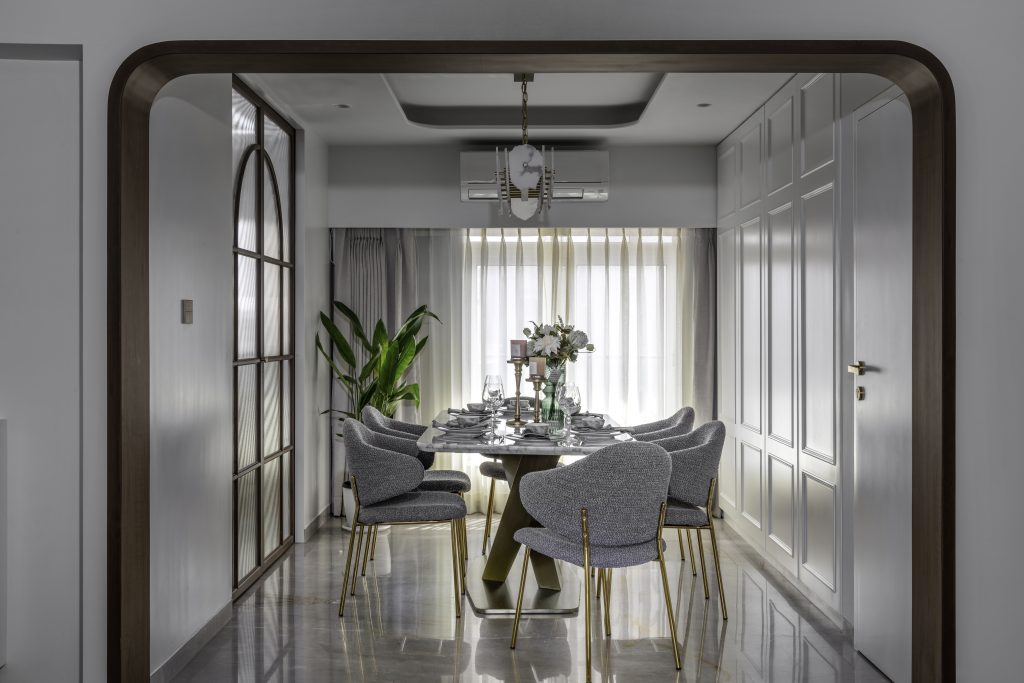
Question: What unique challenges and opportunities have you encountered as an emerging designer in the Indian design industry, and how are you working to overcome these obstacles?
Aditi Savani: One of the biggest challenges in the Indian design industry is that execution is still largely unorganized. You can have a great concept, but bringing it to life requires constant coordination because standards vary so much. At the same time, social media has changed the pace of design, trends evolve overnight, materials keep getting updated, and clients are exposed to global ideas instantly.
For us, the opportunity lies in staying sharp and staying current. We invest a lot of time in understanding new materials, new technologies, and new ways of working. And honestly, having a strong team makes all the difference. My team is fully aligned with this pace, they adapt quickly, manage on-ground challenges, and ensure we deliver projects that meet today’s expectations. So yes, the landscape is fast and sometimes chaotic, but that’s exactly where innovation happens.
Question: How do you approach sustainability and eco-friendly practices in your designs, particularly considering India’s traditional wisdom and contemporary environmental challenges?
Aditi Savani: For me, sustainability isn’t about adding a few ‘green’ elements—it’s about making choices that age well. India already has a rich foundation of traditional wisdom in this area, and I try to bring that into contemporary design. Simple principles like cross-ventilation, natural light, and using materials suited to our climate make a huge difference before we even talk about technology or products.
On the material side, we prioritise durability over quick trends. If something lasts longer and performs better, it automatically reduces waste. We also look at low-VOC finishes, responsible sourcing, and modular construction where possible.
It’s not always about big gestures. It’s about designing smarter: using space efficiently, avoiding over-detailing, and choosing materials that are timeless rather than disposable. That combination of traditional practicality and modern awareness is how we try to keep our work both relevant and responsible.
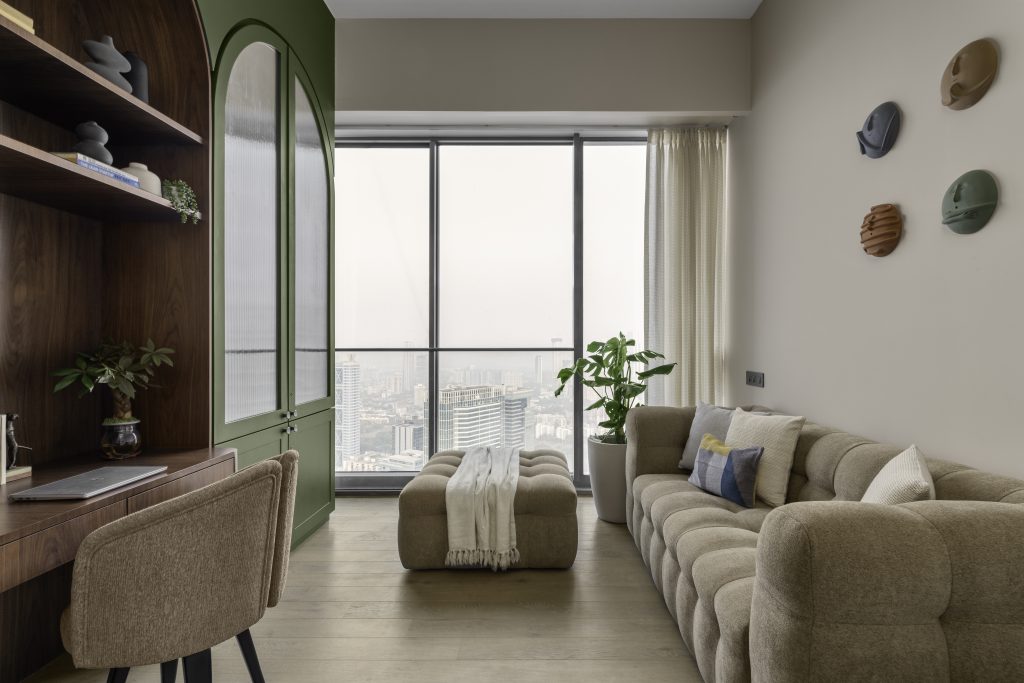
Question: What’s your most exciting recent design or art discovery that’s influencing your current thinking?
Aditi Savani: Lately, I’ve been very inspired by the new wave of Asian minimalism—designers who use soft forms, natural textures, and quiet detailing to create extremely calm spaces. That balance of restraint and warmth is influencing how I approach materials and custom furniture right now.
Question: How do you build visibility and reach out to potential clients – what platforms and strategies have worked best for you?
Aditi Savani: In my experience, there is ultimately no true substitute for word-of-mouth when it comes to acquiring the kind of clients you genuinely aspire to work with. While digital platforms and social media are valuable for creating visibility and brand recall, especially in today’s landscape, the ultra-luxury segment functions quite differently.
In this market, clients almost always rely on referrals. They want to know who you’ve worked with, what those clients say about your work, your professionalism, and your attitude. It’s rarely about whether things ever went wrong—every project, regardless of scale or budget, comes with its own set of challenges. What truly matters is how you respond: the way you navigate complexities, address concerns, and uphold your commitment to the client experience.
For businesses aiming to build a respected, enduring brand, there really is no alternative to consistent hard work paired with strong word-of-mouth credibility. Whether you are working on one project or a hundred, delivering excellence with sincerity, competence, and reliability is what truly builds your reputation.
It takes years of dedication before a business becomes known for its name alone—but when it does, that reputation becomes your most valuable asset.
Question: From your experience, what are the crucial dos and don’ts for young designers trying to establish themselves in India, and what professional forums or communities would you recommend they join?
Aditi Savani: For young designers entering the industry, I always say this: interior design is a lifelong discipline. Stay curious, stay humble, and stay committed to learning. In an age shaped by Instagram reels and instant gratification, many look for shortcuts—but this profession doesn’t reward speed. It rewards depth, dedication, and consistency.
Design is not about creating momentary trends. It’s about understanding people—their behaviour, habits, dreams, and translating that insight into a space that is functional, meaningful, and enduring. We are not designing for a season; we are shaping environments that must live beautifully for years.
You will make mistakes, and you will grow from them. The process may feel slow, but excellence always is. Every successful firm I admire shares the same foundation: hard work, client commitment, and perseverance.
So avoid chasing trends blindly. Don’t seek quick wins. Instead, focus on mastery, purpose, and delivering value every single day.
There is no substitute for hard work. In design, those who persist—those who keep refining, learning, and showing up—are the ones who ultimately build a lasting practice.
Question: As you look ahead, what kind of projects or directions would you like to explore?
Aditi Savani: At Studio Tattva by Aditi, we’ve never defined our journey by a single “ideal project.” What we value most are ideal clients, people who trust the process and align with our design philosophy. Historically, our work has been rooted in ultra-luxury residences across India and internationally, and today we operate across multiple Indian cities and three countries abroad.
As we grow, we’re consciously expanding beyond residential design into more experimental typologies—commercial workspaces, F&B environments, restaurants, retail experiences, show flats, and experience galleries. Workplaces especially excite us, because they shape how people connect, create, and grow.
Our approach remains the same across every assignment: we ask whether we can add meaningful value and whether there is true synergy with the client. Looking ahead, we’re strengthening our presence in the Middle East while scaling ongoing projects in the U.S. and Hong Kong. The opportunities are immense, and we’re committed to exploring them with curiosity, clarity, and craft.
Question: For aspiring designers looking to make their mark in India’s design landscape, what wisdom would you share from your journey?
Aditi Savani: For aspiring designers, my advice is simple: there is no shortcut to building a meaningful practice. Invest your early years in learning, work under strong mentors, absorb everything you can, and give yourself the time and space to grow before you start your own studio.
This industry isn’t built on instant results; it’s built on consistency, curiosity, and commitment. Mistakes will happen, and they should—they are your greatest teachers. Just stay focused, keep refining your craft, and always put your clients at the centre of every decision.
Be patient with your journey, stay authentic to your values, and surround yourself with the right energy. Hard work, integrity, and perseverance will take you further than any trend ever will.

Contributor