There is a Japanese saying: “When the student is ready, the master will appear.”
To become an artist is often a lonely journey. It is a continuous cycle of self-doubt and self-realisation. In the early years, amid all the noise and confusion, you keep hearing, “Find your voice… find where you belong.”
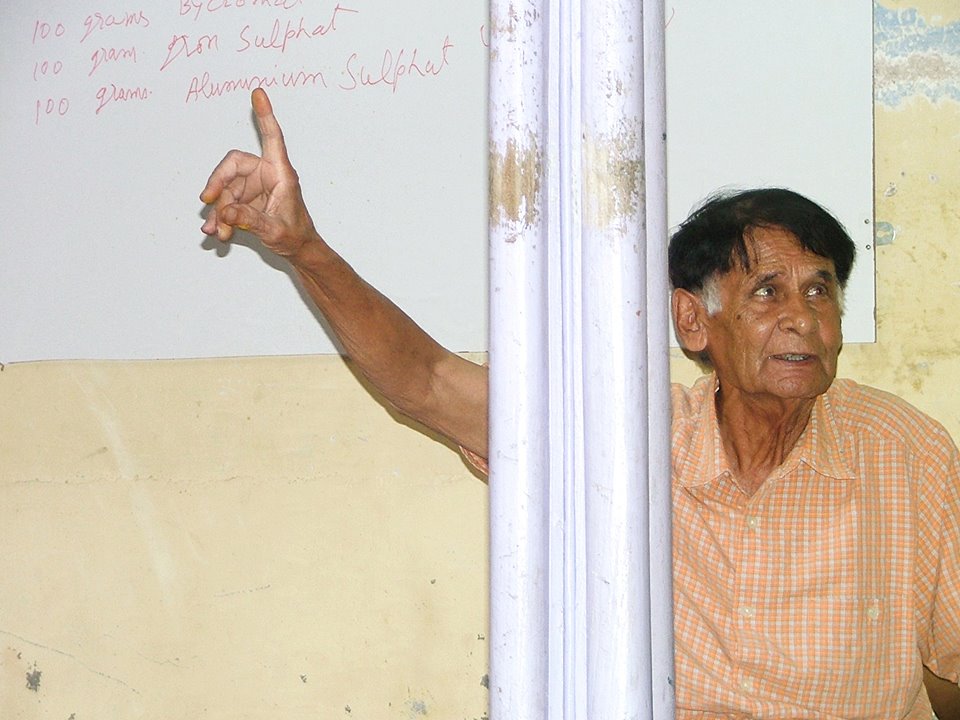
My guru Toofan Rafai once told me, “You cannot find your voice. It will come to you calling.”
And that only happens when you keep looking, keep working, and keep engaging with the artworks of your time. You admire some, you resent some, but every encounter leaves an impression that shapes your direction.
Academics can teach you skills—technique, medium, method. But whether trained or self-taught, the real challenge begins when you sit day after day in front of your canvas. Some days the rhythm flows; some days everything feels doubtful. And then suddenly, you hit the right chord—your work is appreciated, and there is a moment of pure joy and fulfilment.
But soon after, the void arrives.
If you are not experiencing the void, you may have drifted into comfort. Comfort can make the work predictable—or shall I say, sellable. It is not a bad thing, but it can quietly stop growth.
Rafai always reminded me:
“Take a moment, move back and look at your work. Is it challenging you?
Or are you satisfied repeating what you already know?”
Finding your voice begins with discovering yourself—your curiosities, fears, contradictions, and the stories you carry. Hitting the void is not failure; it is the signal that you must begin again. New questions appear: Where do I look now? What do I ask? What do I try next?
Many artist friends say cooking is their therapy. Others take long walks, look at the works of masters, flip through books, write, listen to a raga, or learn an instrument. Some study textiles to understand the devotion woven into every thread. These activities activate different parts of the brain. New materials, new mediums, or even revisiting older works can shift something inside. Watering plants or noticing a quiet symmetry in nature can rest the tired muscles that creation constantly strains.
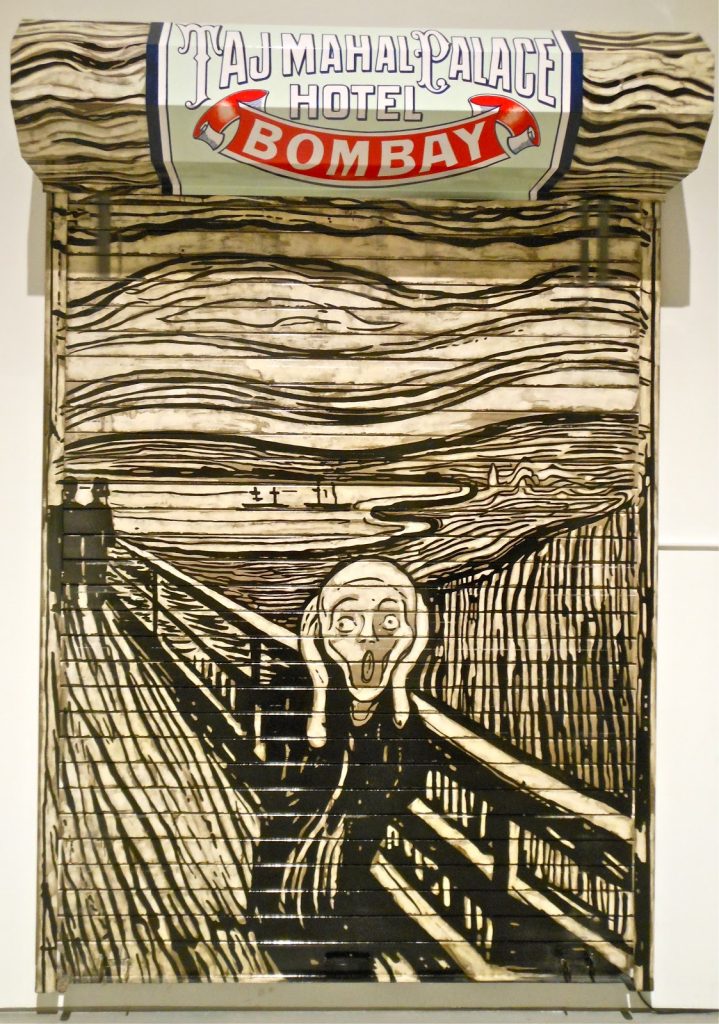
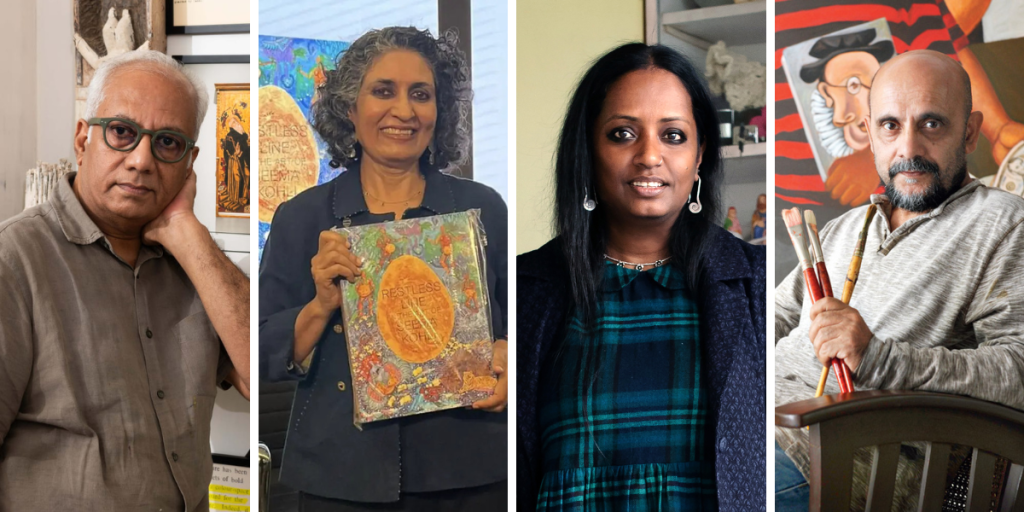
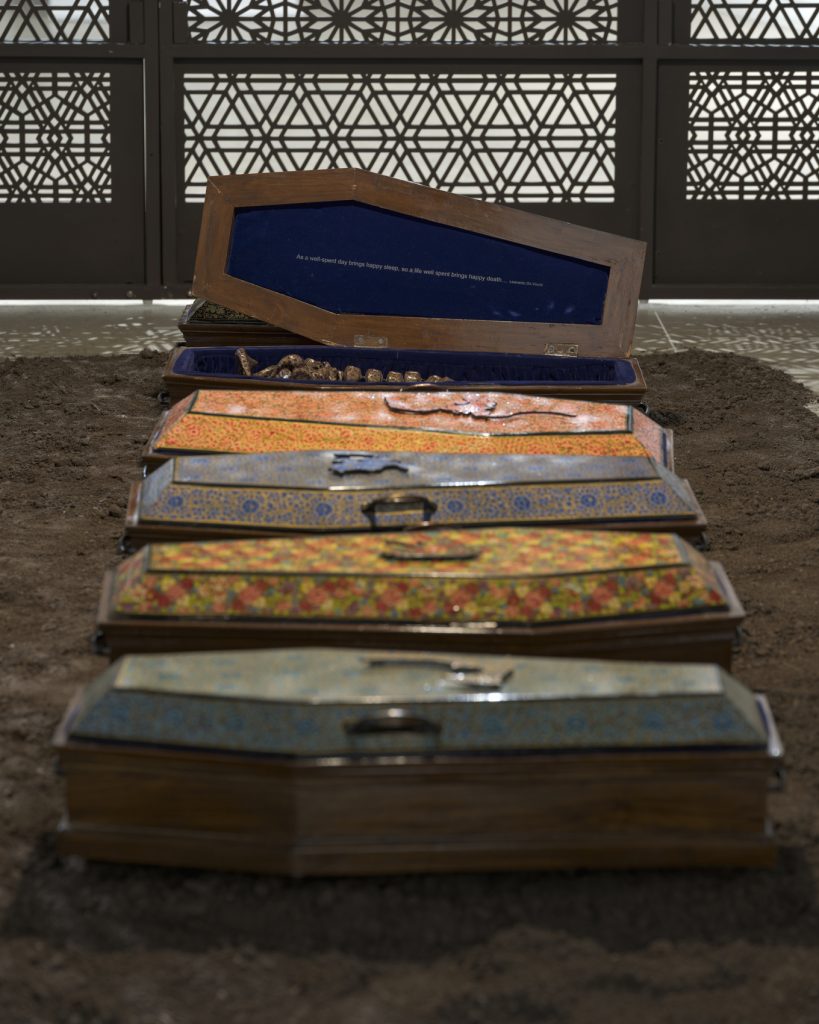
Artists often transform their practice unexpectedly, and these shifts reveal where their voice is heading. When Atul Dodiya created his shutter series, using rolling shutters as both barrier and revelation, he opened a space between concealment and memory. That courage to leave the familiar is echoed in Veer Munshi’s move from painting to sculpture—his three-dimensional forms carrying stories of displacement and human agony far more intimately than canvas ever could. His shift was not only in material but in emotional language.
Similarly, Manjunath Kamath’s terracotta works at Gallery Espace show an artist rediscovering himself through a material that is ancient yet endlessly fresh. The playfulness and layered ambiguity in those pieces reveal how stepping away from the familiar opens an entirely new vocabulary. These shifts remind us that finding one’s voice is never a fixed point—it grows when we allow ourselves to be surprised or unsettled by our own work.
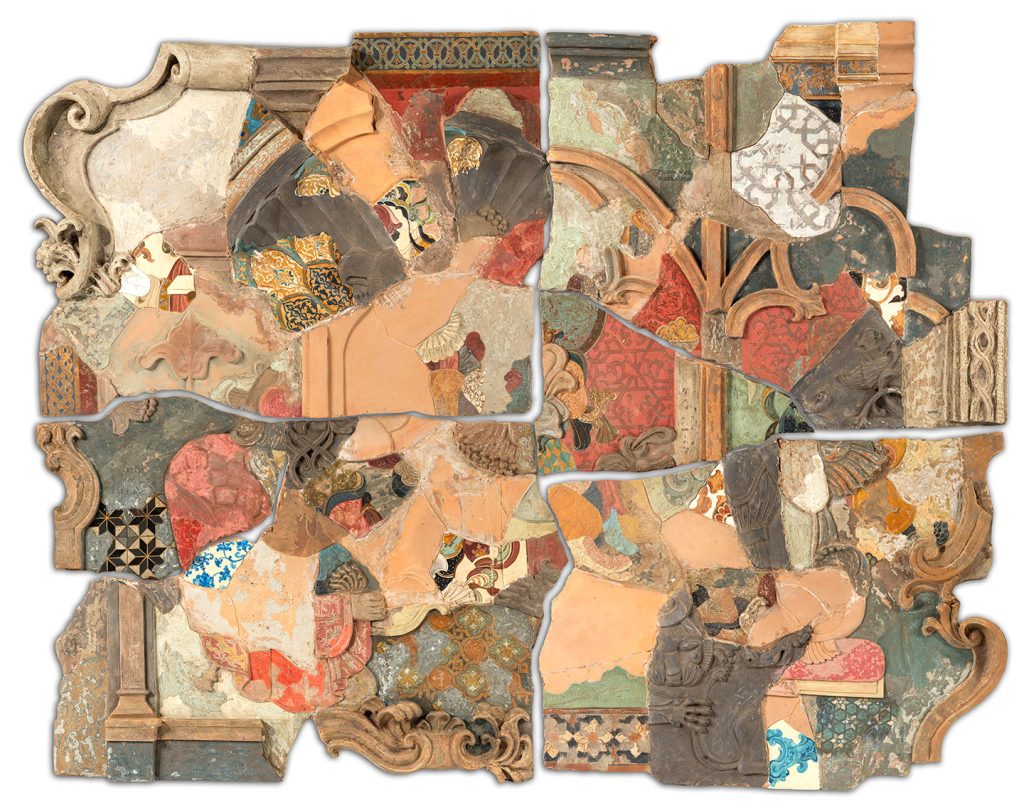
And then there is Mithu Sen, who moves effortlessly across drawing, sculpture, text, sound, performance, and invented languages. Her performances—often playful, vulnerable, unsettling, or tender—question identity, intimacy, hierarchy, and belonging. Whether she whispers, disrupts, or provokes, her voice carries a common thread: a refusal to accept fixed meaning. She creates a space where language dissolves and new emotional codes begin to form.
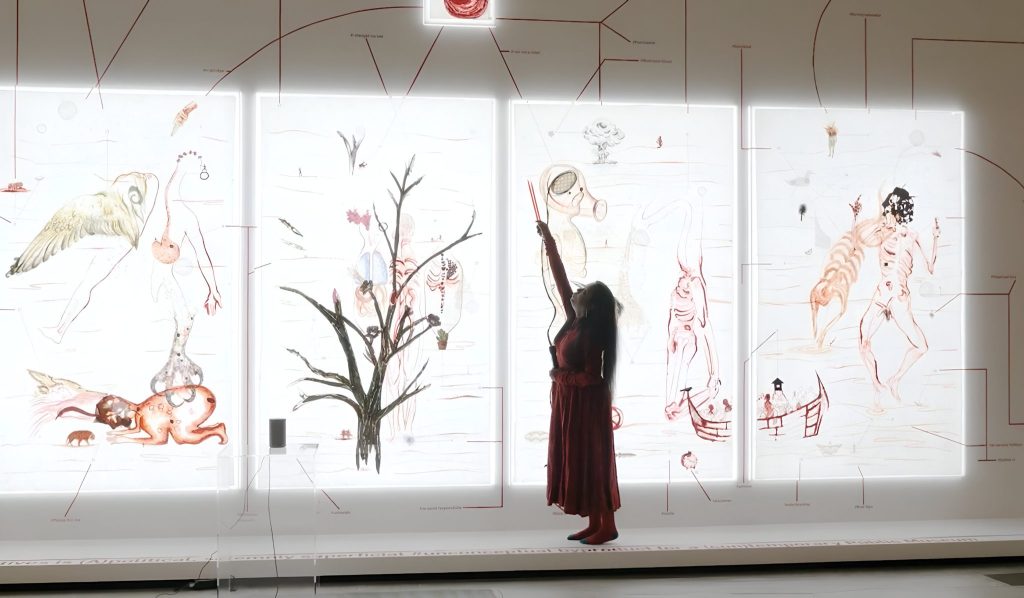
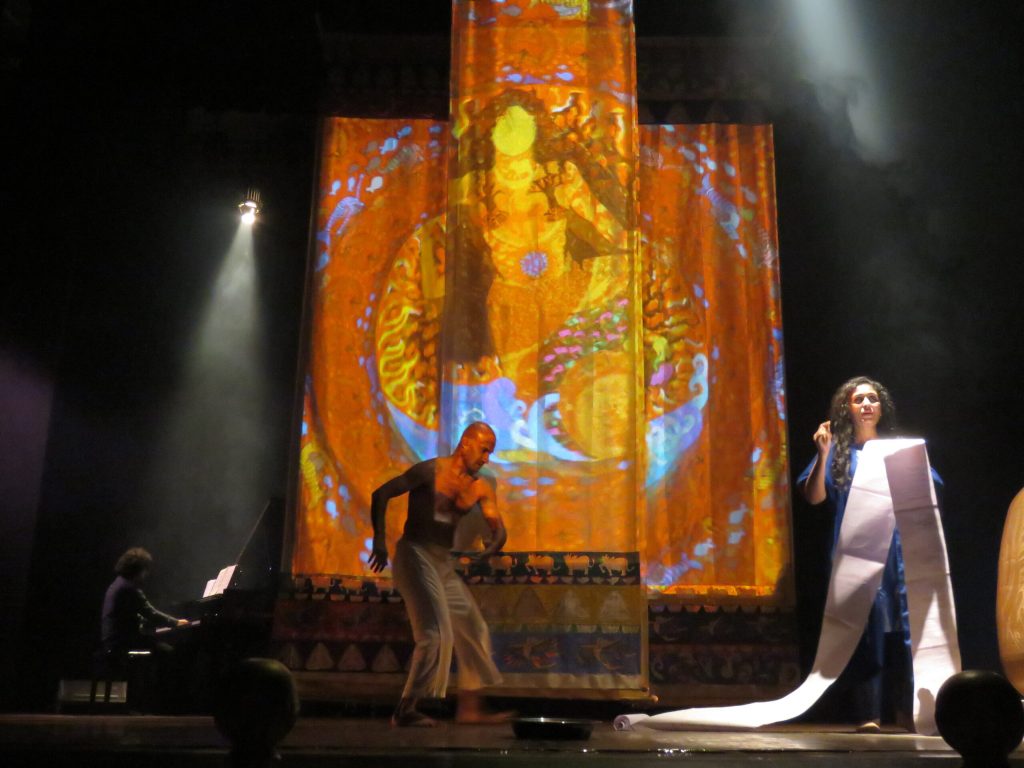
Seema Kohli brings another dimension to this conversation. Her practice flows between painting, sculpture, video, writing, and performance with an ease that feels almost meditative. In her performances—rooted in myth, feminine energy, regeneration, and cosmic narratives—she inhabits a space between the easel and the stage. She turns storytelling into movement, ritual, rhythm, and gesture. Her work celebrates the body as memory, as myth, as a vessel for continuity and rebirth. Both Mithu and Seema remind us that voice is not limited to medium; it is the lived energy that travels across mediums.
And sometimes the art world encounters the unexpected—like the banana taped to the wall—forcing us to rethink value, meaning, and what the world is willing to accept as art. These gestures push boundaries and open up space for new voices to emerge.
Jeff Koons once said:
“Art is about accepting yourself and letting your inner truth come forward.”
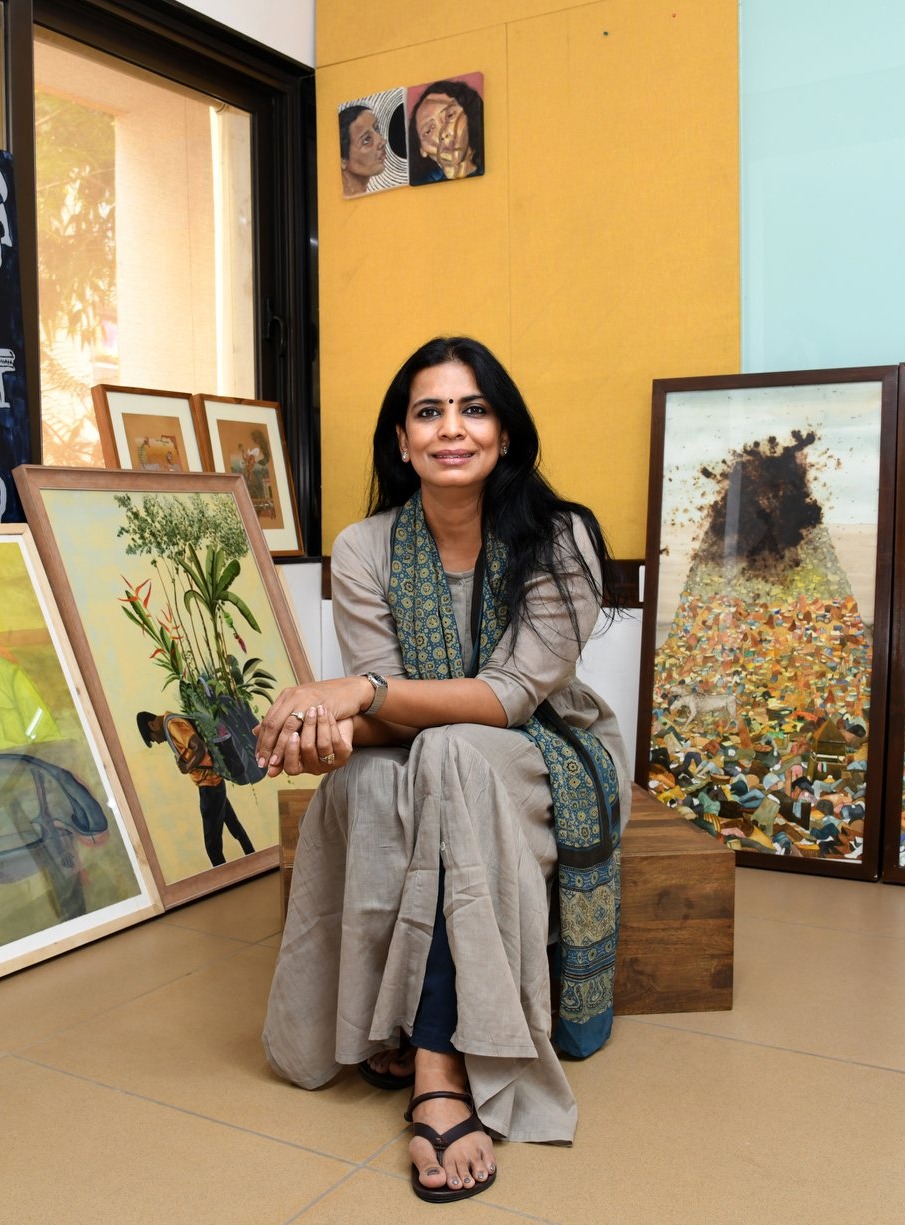
Ruby Jagrut is an Ahmedabad-based artist, designer, writer and natural dye visionary whose practice bridges ecology, emotion, and design. As the founder of Abir India, she has built a movement supporting emerging artists through exhibitions, mentorship, and digital platforms like AbirPothi.com and AbirSpace.com. Her multidisciplinary work continues to redefine India’s art landscape in a myriad of ways.