d6thD Design Studio
Architectural Designer
A new vernacular shaped through tradition and innovation
The belief that architecture influences human wellbeing, as explored in Alain de Botton’s Architecture of Happiness, is reflected in Tribhuvana—the rural studio of architect Himanshu Patel in Khanderaopura village near Ahmedabad. Here, vernacular wisdom, sustainability, and emotional resonance are quietly demonstrated through space and material.
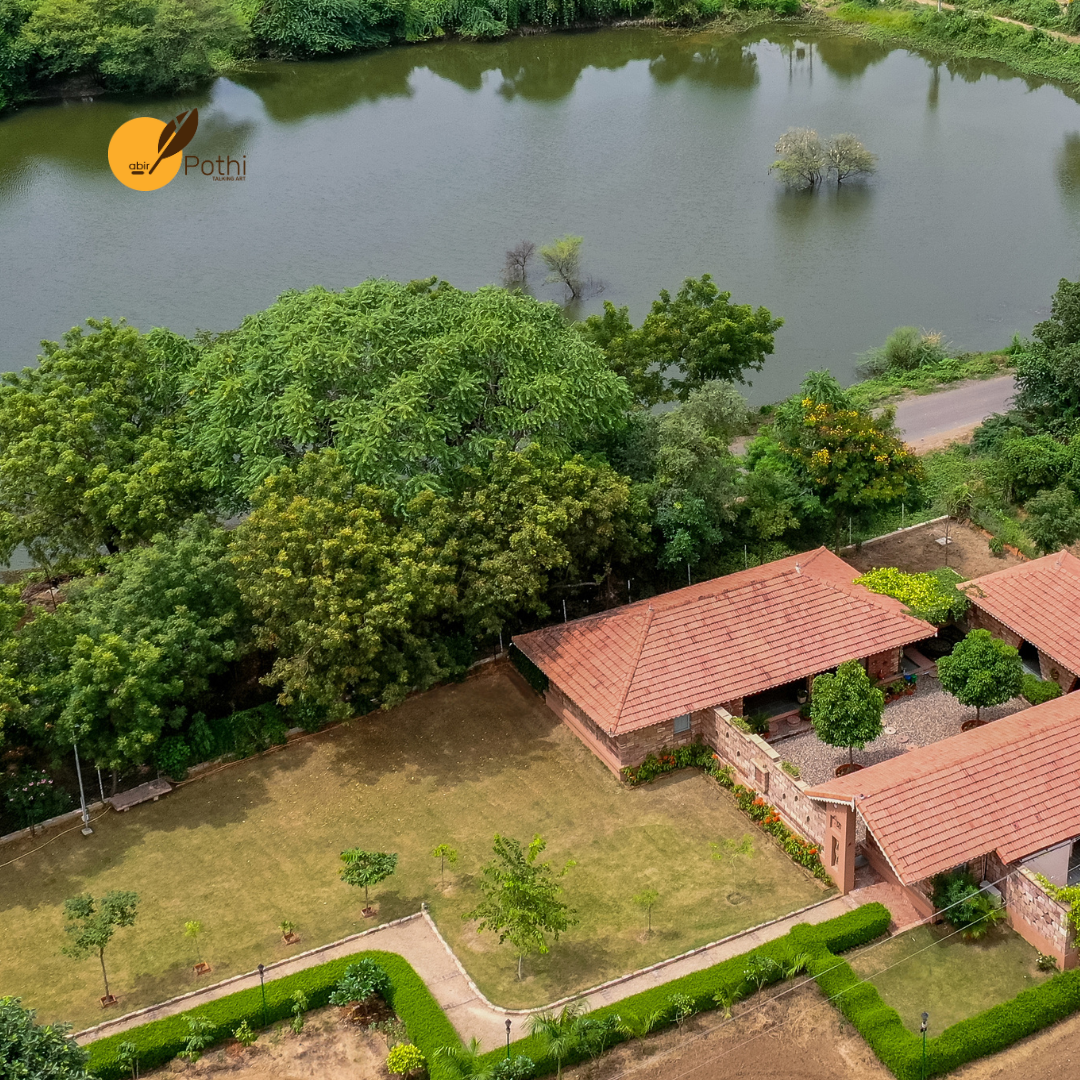
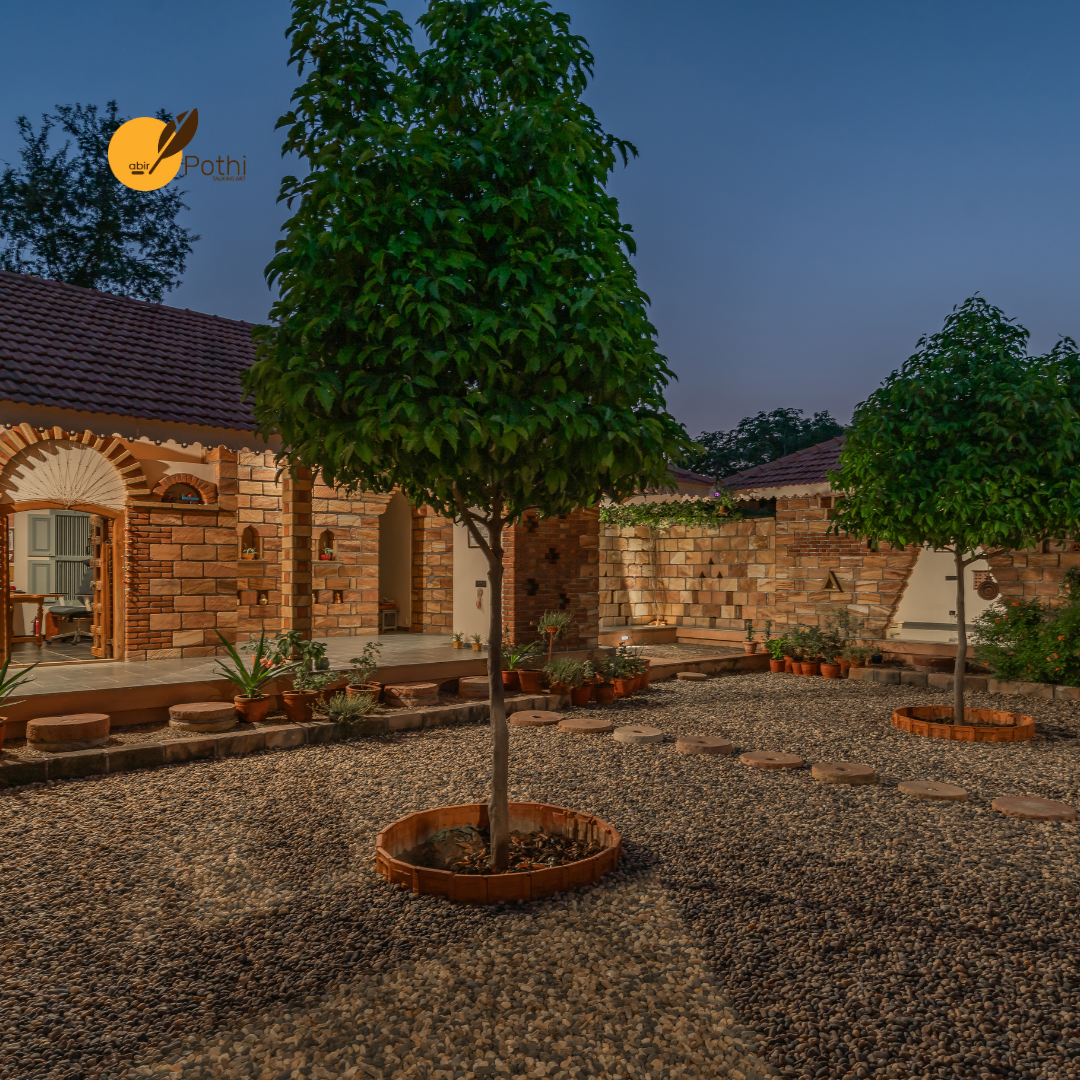
The studio has been positioned within an active farm, with its orientation influenced by the surrounding lake and landscape. Entry is led through a narrow, Vastu-aligned passage that opens into a central courtyard. Framed by two trees, this courtyard functions as the heart of the project, used for reflection, gatherings, and everyday activities. A Ganpati placed in an eastern niche is illuminated by the morning sun, adding a subtle spiritual layer.
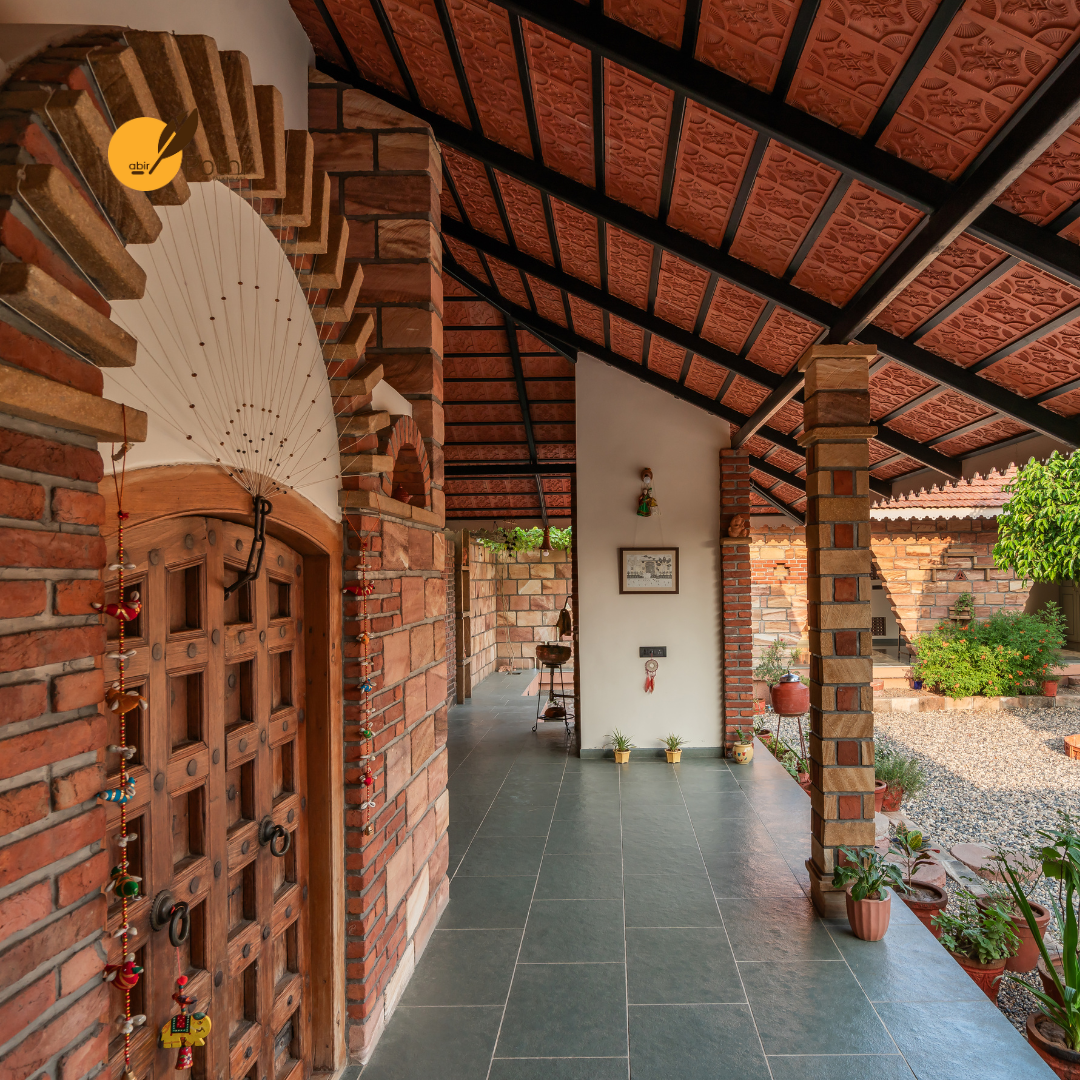
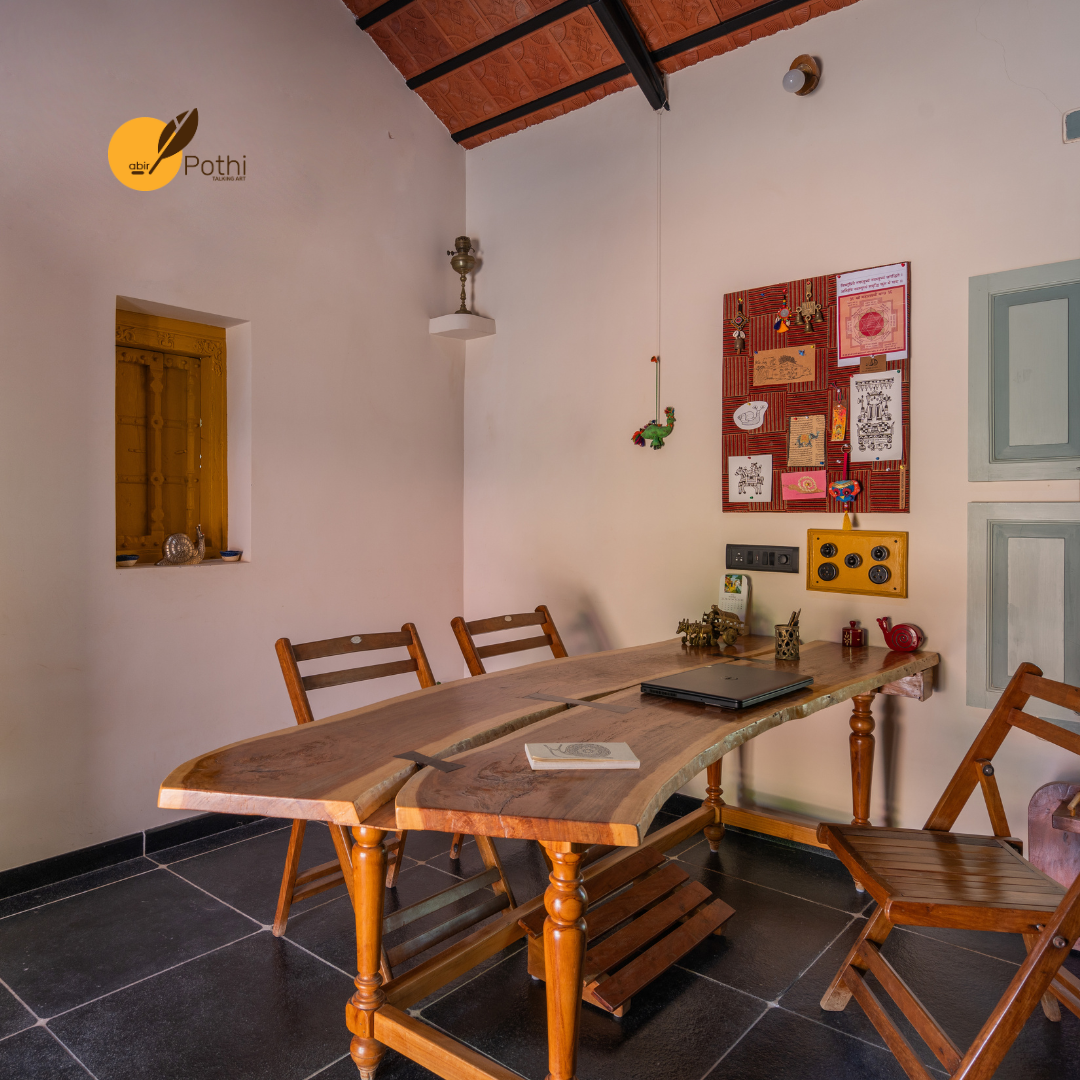
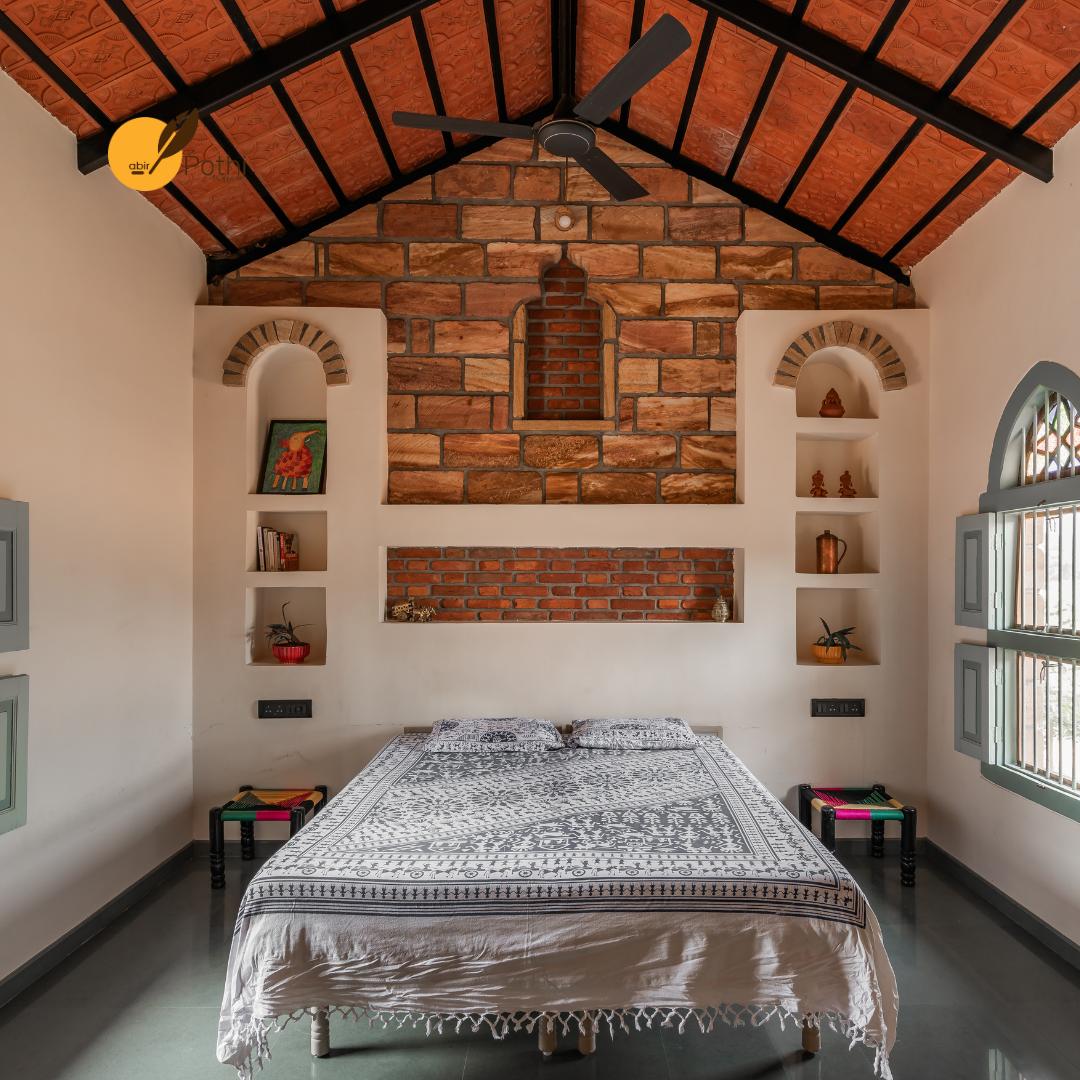
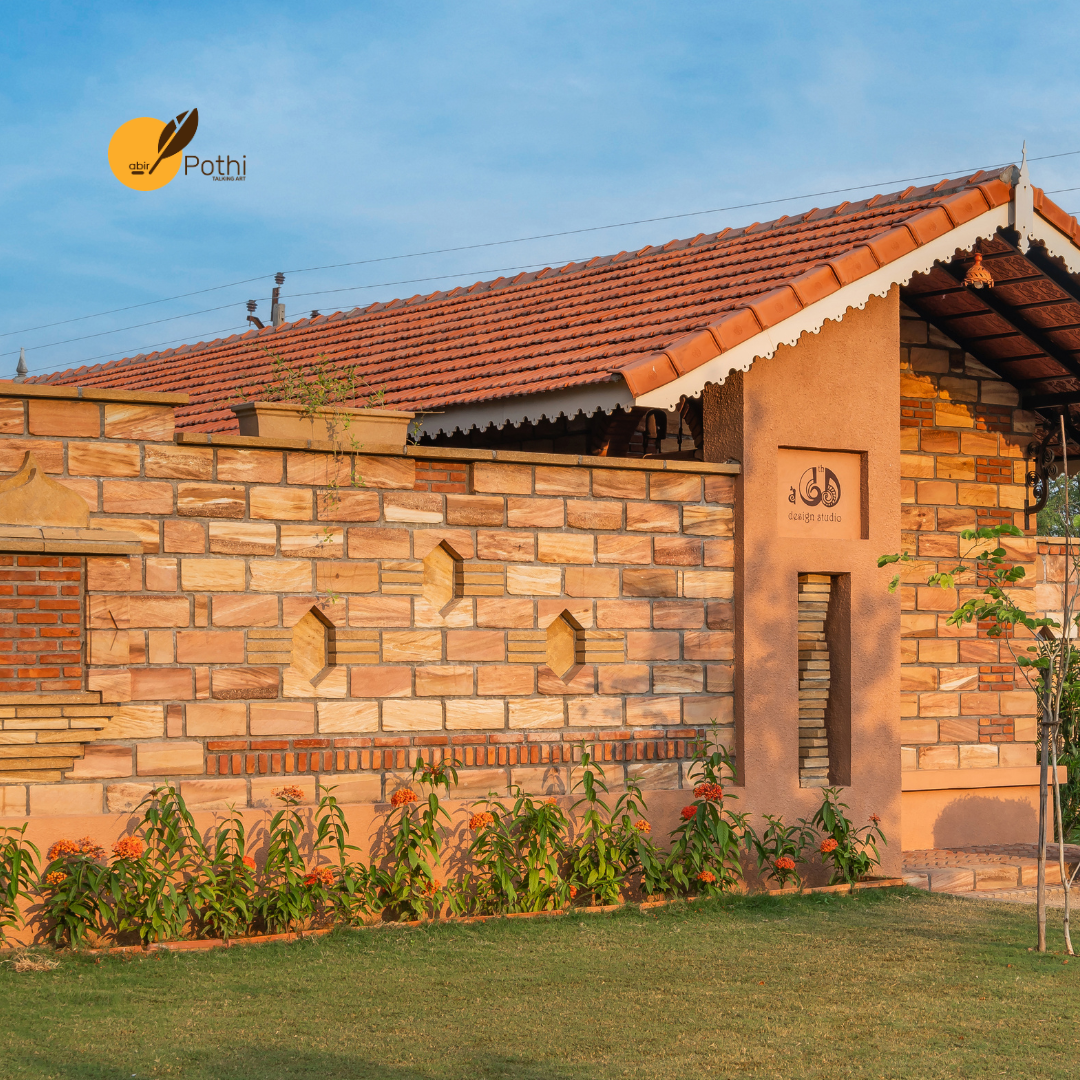
Planning has been kept inward-looking, with views directed toward the courtyard rather than outward. The three building blocks—studio, residence, and multipurpose hall—form an L-shaped layout, unified by local brick, stone, terracotta tiles, and coloured glass. Climate-responsive features such as small openings, recycled jaalis, terracotta screens, and traditional triplet windows support comfort and sustainability.
Reused elements—including stone chakkis, copper basins, and crafted niches—have been incorporated to add texture and memory. Local artisans’ skills have been embedded throughout, allowing the building to be shaped by human touch as much as by architectural intent.
Through its restrained materials, introverted planning, and rooted sensibility, Tribhuvana demonstrates how responsible architecture can nurture wellbeing, celebrate craft, and sustain the spirit of vernacular living.
d6thD Design Studio
Architectural designer
The belief that architecture influences human wellbeing, as explored in Alain de Botton’s Architecture of Happiness, is reflected in Tribhuvana—the rural studio of architect Himanshu Patel in Khanderaopura village near Ahmedabad. Here, vernacular wisdom, sustainability, and emotional resonance are quietly demonstrated through space and material.
The studio has been positioned within an active farm, with its orientation influenced by the surrounding lake and landscape. Entry is led through a narrow, Vastu-aligned passage that opens into a central courtyard. Framed by two trees, this courtyard functions as the heart of the project, used for reflection, gatherings, and everyday activities. A Ganpati placed in an eastern niche is illuminated by the morning sun, adding a subtle spiritual layer.
Planning has been kept inward-looking, with views directed toward the courtyard rather than outward. The three building blocks—studio, residence, and multipurpose hall—form an L-shaped layout, unified by local brick, stone, terracotta tiles, and coloured glass. Climate-responsive features such as small openings, recycled jaalis, terracotta screens, and traditional triplet windows support comfort and sustainability.
Reused elements—including stone chakkis, copper basins, and crafted niches—have been incorporated to add texture and memory. Local artisans’ skills have been embedded throughout, allowing the building to be shaped by human touch as much as by architectural intent.
Through its restrained materials, introverted planning, and rooted sensibility, Tribhuvana demonstrates how responsible architecture can nurture wellbeing, celebrate craft, and sustain the spirit of vernacular living.