Abirpothi

Columns

Curation: Who Gets to Control the Narratives of Art?
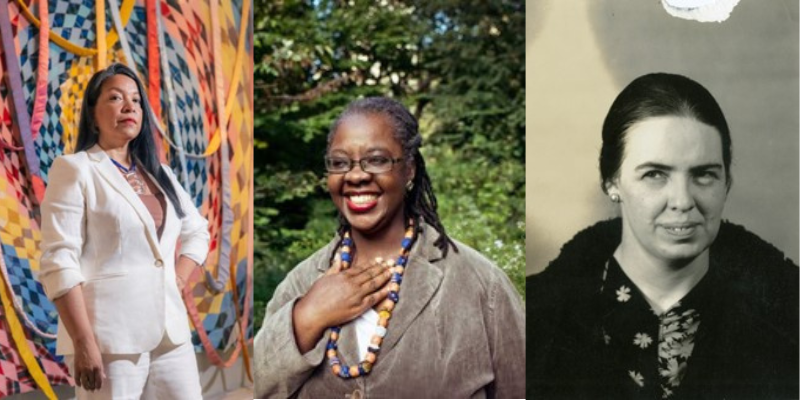
Introduction The world of ‘fine art’, notorious for its elitism, has been much debated. A long history of exclusions and gatekeeping contributed, where only the privileged were allowed the right to produce culture. The idea of ‘fine art’ deemed a vast majority of work as either not possessing any artistic value or not possessing enough […]

Curation: Who Gets to Control the Narratives of Art? Read More »
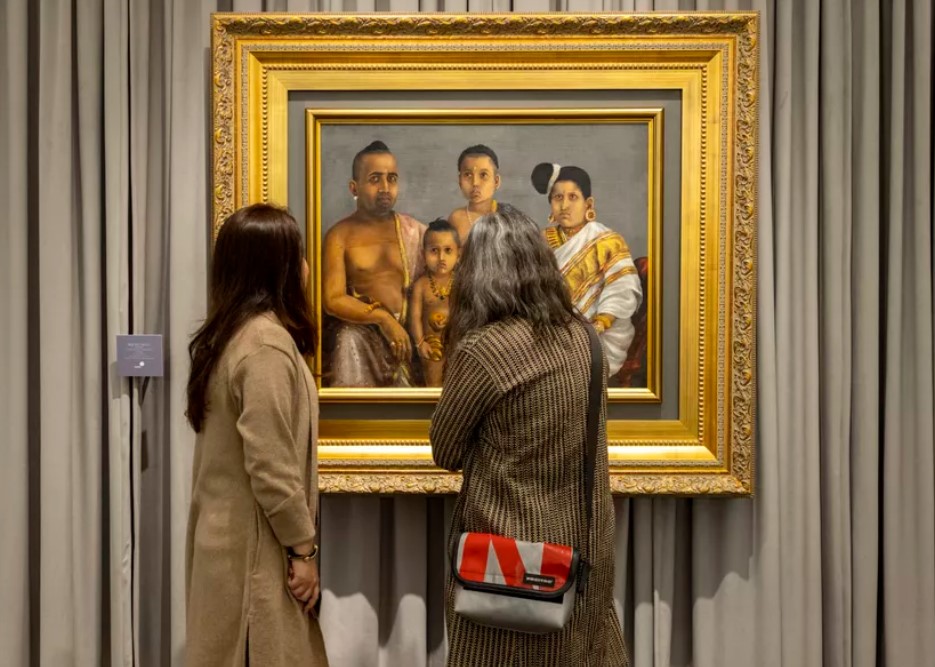
South Asian Art Festivals : A Comparative Study of Dhaka Art Summit and India Art Fair.

Introduction The art world has evolved considerably in recent years, with art fairs becoming more and more essential for connecting and appreciating contemporary art among artists, collectors, curators, and art enthusiasts. Popular South Asian art festivals, such as the Dhaka Art Summit in Bangladesh and the India Art Fair in India, have gained worldwide recognition

South Asian Art Festivals : A Comparative Study of Dhaka Art Summit and India Art Fair. Read More »

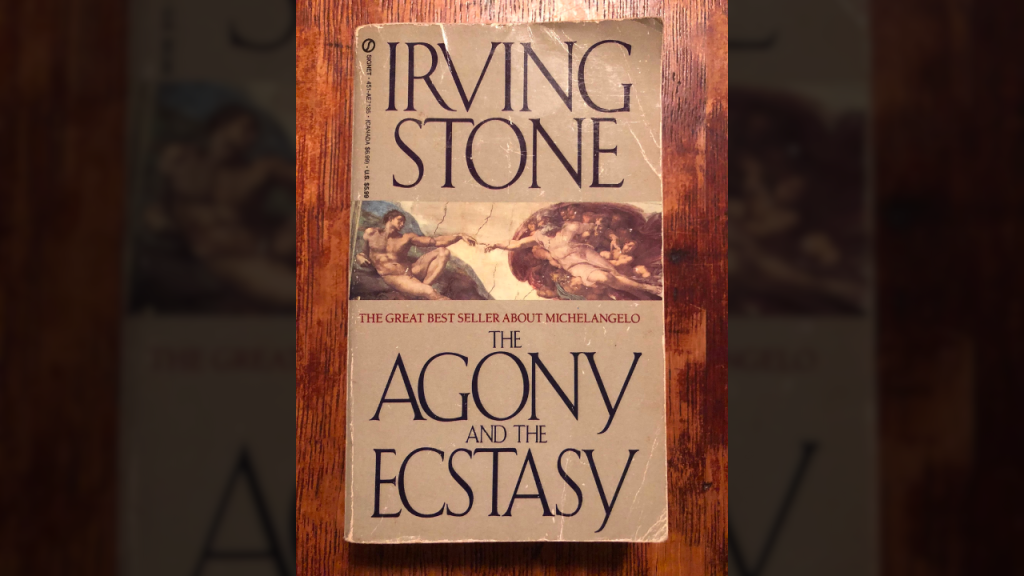
From Novel to Icon: ‘The Agony and the Ecstasy’ and the Timeless Image of Michelangelo

“The Agony and the Ecstasy” by Irving Stone is a seminal work in historical fiction, offering readers a vivid portrayal of the life and art of the Renaissance genius Michelangelo Buonarroti. This scholarly article seeks to delve into the depth of Stone’s narrative, exploring its historical accuracy, character development, and artistic interpretations. Through a comprehensive

From Novel to Icon: ‘The Agony and the Ecstasy’ and the Timeless Image of Michelangelo Read More »

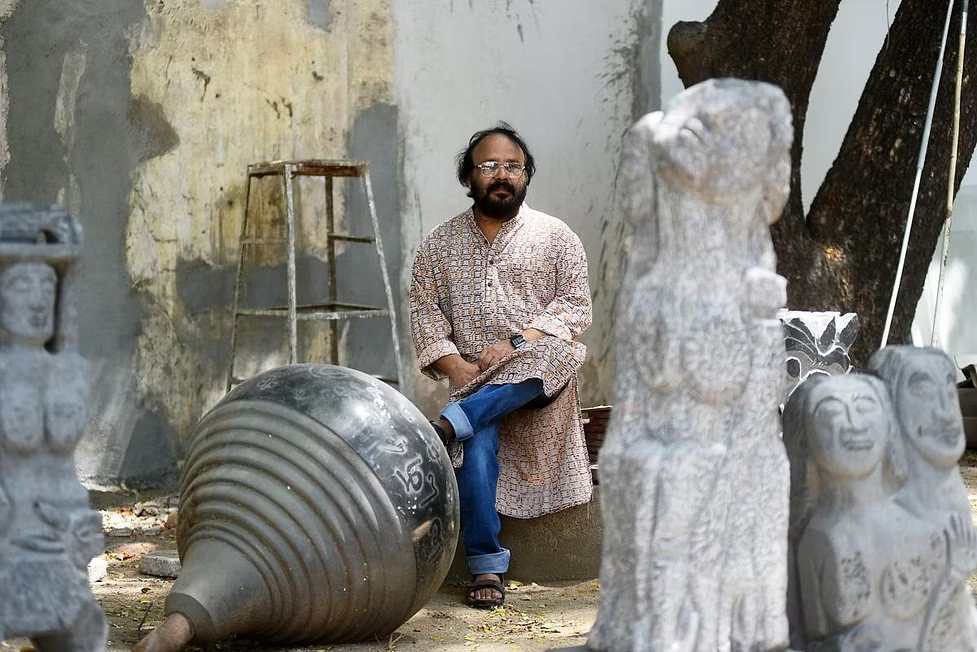
Art at the Service of Humanity: The Exemplary Career of Prof. V Nagdas

What is the relationship of the artist to the society? Should the work of art devote itself to the service of a greater good or should be allowed to have an autonomy of its own, as proclaimed in the popular dictum l’art pour l’art (art for art’s sake)? What are the modalities of communication between

Art at the Service of Humanity: The Exemplary Career of Prof. V Nagdas Read More »

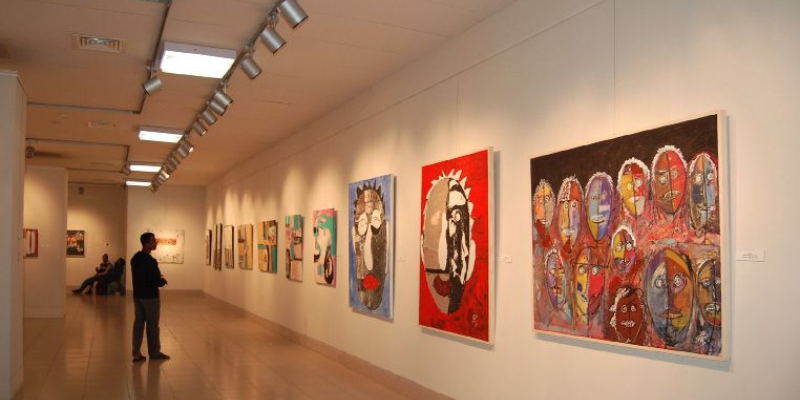
The Role of Art Institutions and Galleries in Promoting Bangladeshi Art.

Introduction  Bangladesh has a long history of Bengali arts and culture, dating back to the 2nd century BC. The contemporary art movement in Bangladesh has its origins in the early twentieth century when numerous art movements emerged. Events such as the Dhaka Art Summit initiated by the Samdani Art Foundation, established in the early 2010s,

The Role of Art Institutions and Galleries in Promoting Bangladeshi Art. Read More »

The Timeless Legacy of Ancient Greek Art: A Journey Through Seven Artistic Eras

Introduction The profound influence of Ancient Greece on human civilisation is undeniable, inspiring generations and geographies. Among the various facets of this remarkable civilisation, art stands and shines advocating the power of creative expression. Greek art has left a mark on architecture, sculpture, painting, pottery, and jewellery design, shaping the very essence of artistic sensibility

The Timeless Legacy of Ancient Greek Art: A Journey Through Seven Artistic Eras Read More »

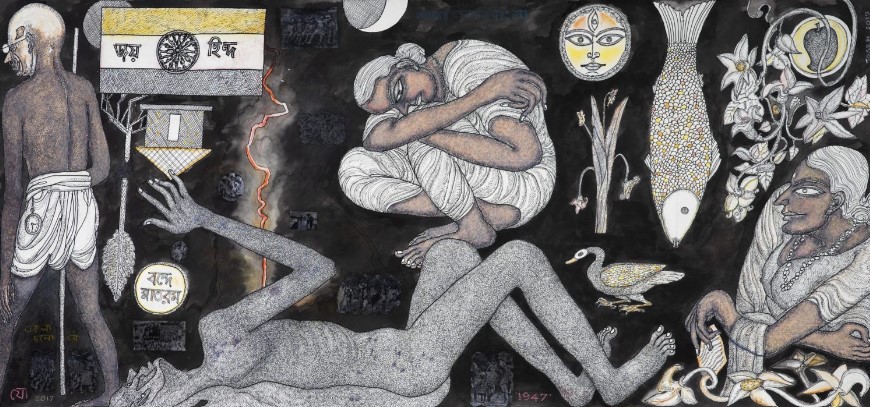
Echoes of Suffering and Resilience: Artistic Responses to the 1947 Partition in Bengal

Background The Bengal region experienced partition twice, once during the British Raj by Lord Curzon as a means for his ‘divide and rule’ policy that separated the Muslim majority to the east and the Hindu majority to the West of the Bengal presidency. This was a fatal blow to Bengali nationalism. Thus, the ‘two nation

Echoes of Suffering and Resilience: Artistic Responses to the 1947 Partition in Bengal Read More »

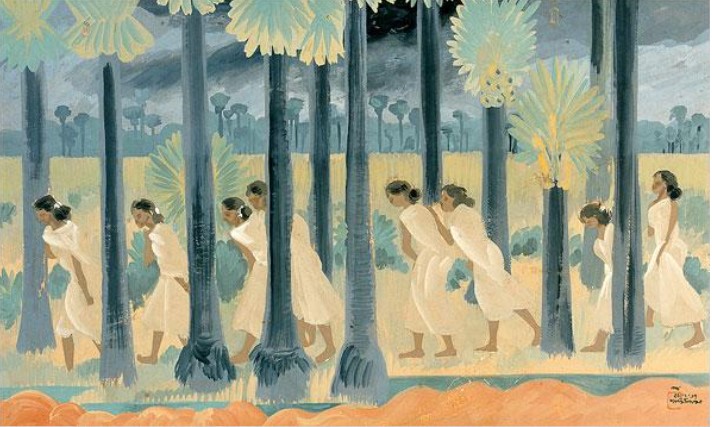
Shared Cultural Heritage: The Influence of Bengal Renaissance on Art of West Bengal and Bangladesh.

Background  The Nineteenth Century is considered a golden era in Bengal’s history. Significant transitions were taking place in Indian society, notably in Bengal, throughout the early decades of the nineteenth century. In a nutshell, these changes were referred to as the ‘Bengal Renaissance’. The concept of the ‘Bengal Renaissance’ signified an episode of rebirth, awakening,

Shared Cultural Heritage: The Influence of Bengal Renaissance on Art of West Bengal and Bangladesh. Read More »

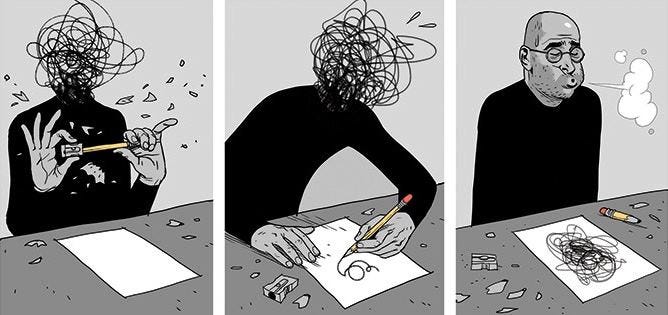
The Therapeutic Potential of Art

Introduction Art has a profound influence on our lives, intertwined with the very essence of our existence. It serves as a universal language of creativity, allowing us to convey emotions, narrate stories, and delve into the depths of our innermost thoughts. Amidst this creative tapestry, art therapy has emerged as a compelling form of counselling

The Therapeutic Potential of Art Read More »

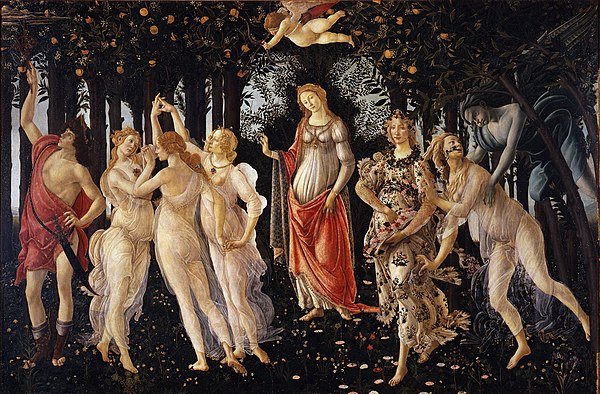
Sandro Botticelli: Classical Portrayal of the Human Body in Renaissance

In Leonardo Da Vinci’s treatise, he mentioned one name, an artist named Sandro Botticelli, as his Contemporain. Botticelli (1445-1510) was an Italian painter in the Early Renaissance, ignored for centuries and reinvented in the late 19th century. He is considered one of the greatest artists, portraying the linear classiness of late Italian Gothic and some

Sandro Botticelli: Classical Portrayal of the Human Body in Renaissance Read More »

Ad