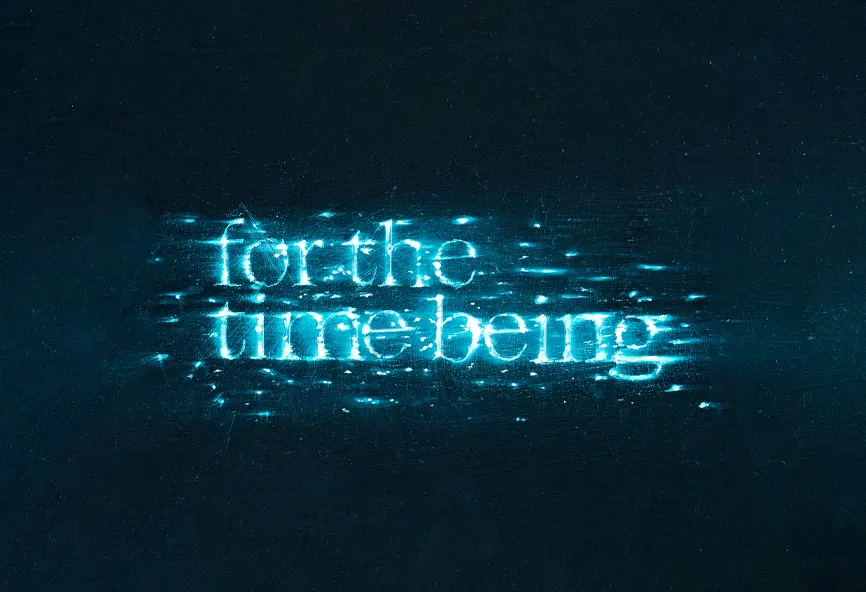
The sixth edition of Kochi-Muziris Biennale officially inaugurates today, transforming the historic port city of Kochi into a 110-day hub of artistic exchange, creative dialogue, and cultural resilience. The sixth edition, titled “For the Time Being,” opened with a flag-hoisting ceremony at Aspinwall House this morning and will see Chief Minister Pinarayi Vijayan formally inaugurate the festival at Parade Ground in Fort Kochi this evening at 6 PM.
The biennale, now spanning from December 12, 2025, to March 31, 2026, has evolved from a static exhibition model to what curator Nikhil Chopra describes as a “living ecosystem”—one that prioritizes process, collaboration, and site-specific exploration over finished spectacle. Curated by acclaimed multidisciplinary performance artist Nikhil Chopra in collaboration with HH Art Spaces, a Goa-based collective, this edition marks a significant philosophical shift in how the biennale engages with artists, venues, and audiences.
“We want to remain honest to ourselves,” Chopra explained in a recent interview, emphasizing the collective’s commitment to placing the body at the center of artistic inquiry—whether as a container of memory, a shelter, or a space of vulnerability. This curatorial lens has shaped the selection of 66 artists and collectives from over 25 countries, all invited to “work with Kochi’s climates, conditions and resource realities” rather than impose predetermined artistic visions onto the city.
The biennale unfolds across an unprecedented 28 venues, 12 new spaces added alongside the existing 16, extending from Fort Kochi’s colonial architecture to Mattancherry’s historic warehouses and Willingdon Island’s contemporary structures. Venues range from the heritage Aspinwall House and Pepper House (a 19th-century spice warehouse) to repurposed community spaces like St. Andrew’s Parish Hall, the Jail of Freedom Struggle, and the newly integrated Water Metro station. This distributed model transforms Kochi itself into the exhibition, with each venue functioning as an entry point into dialogues about displacement, memory, time, and embodied histories.
The curatorial theme resonates deeply with Kochi’s identity as a historic cosmopolitan port city where the ancient trading hub of Muziris once flourished. The name itself, Kochi-Muziris Biennale bridges temporal and cultural distances, connecting past mercantile networks to present-day artistic exchange. By positioning Kochi’s ecological, political, and emotional layers not as constraints but as generative forces, the curators invite artists to engage with the city’s layered histories, inherited techniques, and collective memory.
Today’s opening day features multiple cultural interventions alongside the official inauguration. The morning’s flag-hoisting was accompanied by a traditional thayambaka performance by Margi Rahitha Krishnadas, symbolically connecting Kerala’s performance heritage with contemporary artistic practices. This evening’s festivities include performances by the Shanka Tribe, Neha Air, and folk artists including Nanjiyamma and Team, culminating in a Chavittu Nadakam performance—an energetic 16th-century Latin Christian theatre form unique to Kochi.
Beyond the main exhibition curated by Chopra and HH Art Spaces, the biennale encompasses parallel programming that amplifies diverse voices. The “Edam” exhibition showcases 36 artists and collectives with roots in Kerala, while the “Students’ Biennale,” curated by student artists from seven regions across India, features works from final-year students in government art colleges. The “Art by Children” (ABC) programme and residency initiatives extend the festival’s reach into community engagement.
The shift toward a process-oriented, participatory model represents a deliberate reimagining of what a contemporary art biennale can be. Rather than presenting finished works in sterile galleries, “For the Time Being” emphasizes performances, actions, conversations, and site-responsive installations that blur boundaries between process and presentation. This approach aligns with growing global conversations about decolonizing exhibition practices and centering collaborative, community-rooted artistic methodologies.
Tickets for the biennale are available at Aspinwall House and online, with prices ranging from INR 50 to INR 4,000, ensuring accessibility across economic strata. All venues remain open daily from 10 AM to 6 PM, though the biennale’s opening week features extended programming and evening performances.
By rooting itself in Kochi’s specific histories while remaining open to emerging global perspectives, the sixth Kochi-Muziris Biennale offers a model for art-making that is simultaneously locally accountable and internationally engaged—a biennale genuinely alive.

Contributor