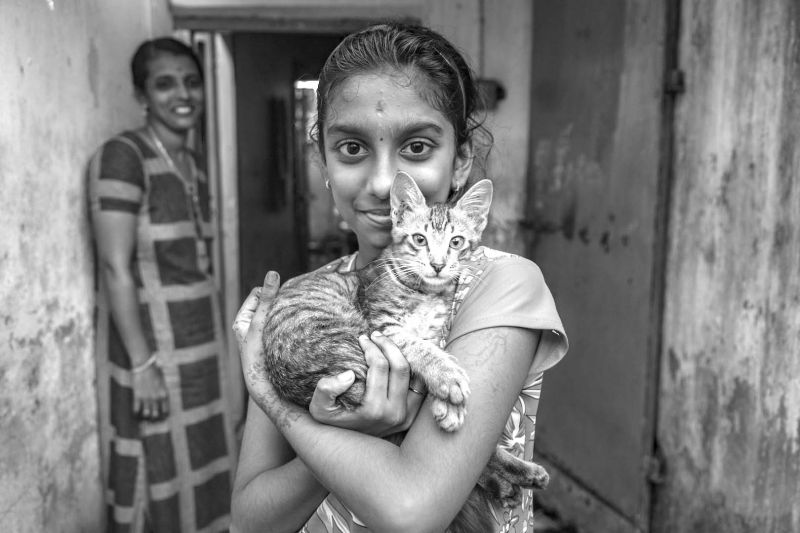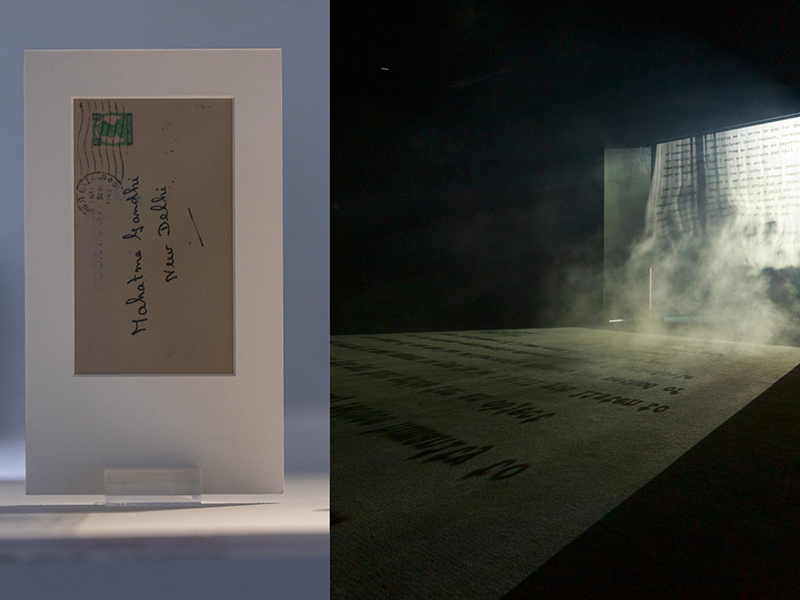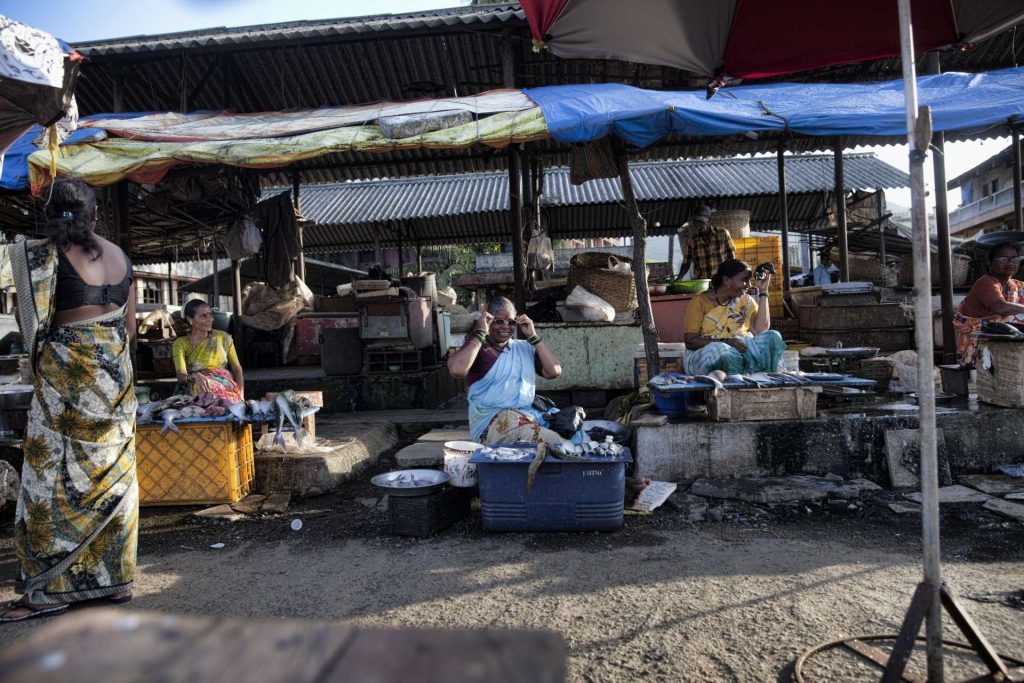
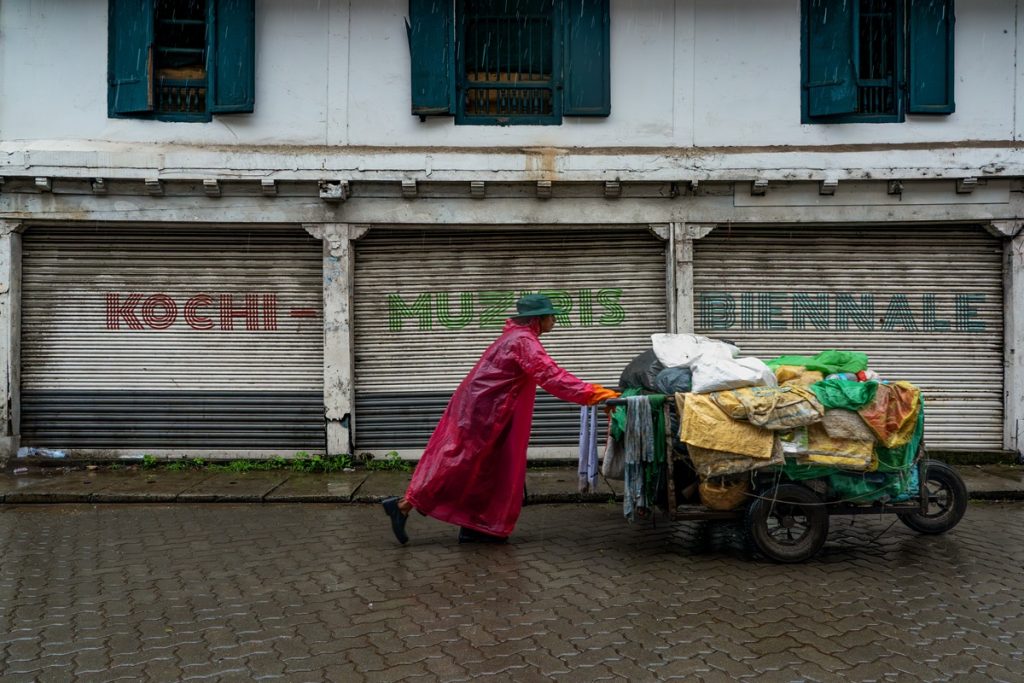
The sixth edition of the much-awaited Kochi Biennale is opening its doors for art enthusiasts on December 12, 2025. An art extravaganza lasting for about 110 days with the theme “For the time being,” where artists showcase their talents through various mediums, thereby proving once again that cartographers’ demarcations are irrelevant for art perception. Artists from across the globe are participating this year. Besides the curated international exhibition, the Biennale will feature diverse programmes like talks, performances, workshops, and film screenings, unfolding across various venues in Kochi. Key programme verticals include the Students’ Biennale, Invitations, Art by Children, the Residency Programme, and the Collateral.
‘For the Time Being’ is the theme of this year’s Biennale, curated by renowned artist Nikhil Chopra with HH Art Spaces, an artist-led organisation based out of Goa. The biennale will run from December 12, 2025, through March 31, 2026. Notably, the Biennale is described not so much as a central exhibition but as a ‘living ecosystem.’ In particular, the argument that art is not just something to be viewed from the outside but an engagement, a mutually initiated dialogue, is relevant. The Biennale’s idea of a living ecosystem is explained as “one where each element shares space, time, and resources, and grows in dialogue with each other.” Space is imagined as a place or places that engage in mutual dialogue, and beyond art, it also emphasises the importance of the place where it happens.
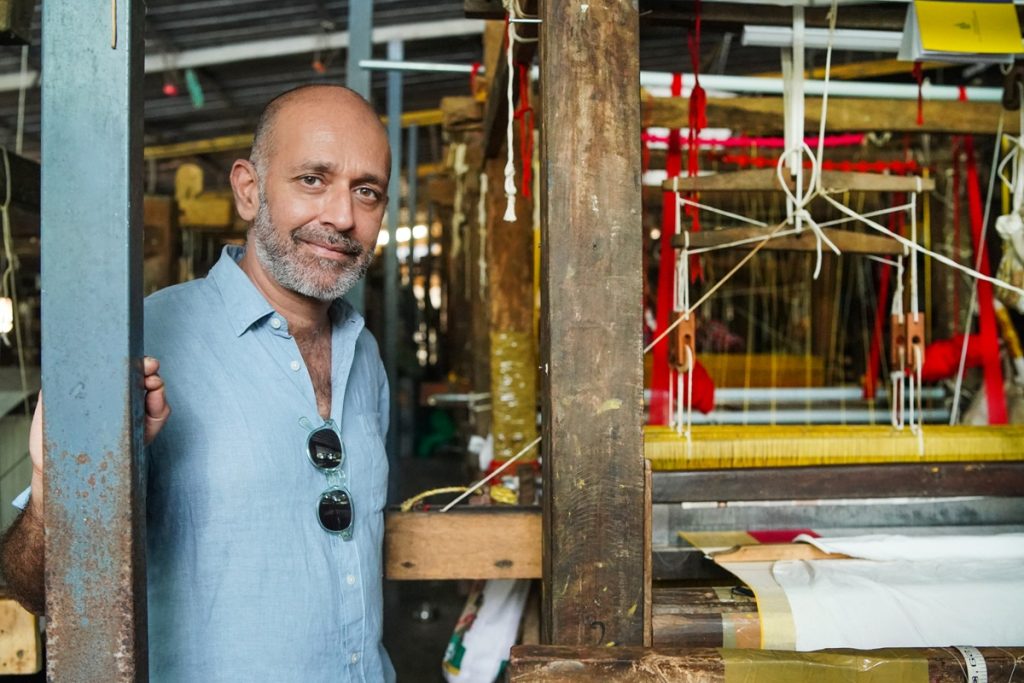
“Organising such an event needs meticulous planning and strategies. We have introduced significant organisational changes at the Kochi Biennale Foundation, and we are confident of making the sixth edition a grand success. For both commoners and connoisseurs, it will offer a dynamic experience”, said KBF chair Dr Venu V.
“Those visiting the biennale will be introduced to an immersive atmosphere, featuring spectacular artworks and site-responsive installations. The event will also offer abundant opportunities to engage with artists and fellow art enthusiasts, and witness the layered cultural life of Kochi, a city where global and local currents converge and diverge all at once“, said Bose Krishnamachari, President of Kochi-Muziris Biennale.
The curatorial vision explains it as “embracing the process as a methodology, and placing the friendship economies that have long nurtured artist-led initiatives as the very scaffolding of the exhibition.” Here, what we can see is that the process is considered a methodology in itself, and the signs of the neoliberal era are being turned into something that can perhaps be critically examined through these friendship economies. “Our inquiry begins with the body–chemical, tender, marked by memory and intimacy. We see the body as a landscape of time, a vessel of labour, joy, and loss. From these bodies emerge processes that transform into other bodies as extensions of ourselves through which meaning is carried, and reality reimagined. In this convergence, we invite a deeper awareness of being, and plant seeds for a more caring and conscious future’ is a curatorial explanation that deserves special attention.”
“Our bodies are not entirely ours; they are cultivated like landscapes, by those who tend to them with care or its lack. They bear witness and record experiences as scars and marks, and time as lines—such explanations raise expectations for the Biennale that is about to take place to a sky-high level.” In the statement, it reads, “biennale is also an invitation to think through embodied histories, of those that came before us and continue to live within us in the form of cells, stories and techniques,” there is an invitation to think together and engage in a dialogue. It points to a creative space. It is not about saying that those who are not invited cannot enter; rather, it is about inviting everyone: come, step in, see the art of this time. This is what can be called the real curatorial note of the Biennale.
The 110 days of the Biennale will be brought to life through a variety of modes of expression, including performances, activities, and conversations. A static show will be challenged by durational works that blur presentation and process, drawing viewers into embodied, interactive moments. The Biennale team claims that a biennale can be a place of vitality, presence, and unity; a venue where people congregate not only to view art but also to interact with it and one another.
The participating artists at the “Edam”, an exhibition featuring Kerala artists, have been announced by the Kochi Biennale Foundation (KBF). It will begin on December 13 and run along with the Kochi-Muziris Biennale (KMB), which begins on December 12. “Edam,” curated by artists Aishwarya Suresh and K M Madhusudhanan, will include 36 artists and collectives at Cube Art Spaces, Armaan Collective & Cafe, and Garden Convention Centre on Bazaar Road in Mattancherry. “Edam will be a spectrum of ideas and thoughts as perceived by the artists of Kerala, throwing light on the depth of their roots embedded in traditions, heritage, and culture of the land, inspired by other cultures across the world,” said Bose Krishnamachari, President, Kochi-Muziris Biennale.
“This edition of ‘Edam’ highlights the vibrant range of practices of artists who trace their roots to Kerala yet work across the world. Through the Biennale’s inclusive platform, we hope to nurture curiosity and expand access to art education for all — from young learners to lifelong admirers,” said artist-curator Aishwarya Suresh.
Art theorist Geeta Kapoor describes the bewitchment of the Kochi-Muziris Biennale in her article ‘Site Imaginaries’ in the event’s first catalogue. How does an artwork or an art festival create bewitchment? When an artwork bewitchment in a specific way, it repeatedly evokes this response from viewers. In this sense, art, artistic practices, and their exhibitions embody the bewitchment of the present moment and of the future. From the first edition to the sixth edition, Biennale has transformed into another version of bewitchment. Even though one cannot remain neutral or detached from the word ‘politics’ or its actions, the Biennale and the artworks it showcases become a political statement of this time. Artistic creations evolve into either an exhibition of the political-social equations of the time or an exhibition that challenges such displays.
The Biennale exhibition is aesthetically made possible by connecting the ‘trade route’ thread of centuries-long relations between Africa, Arabia, the Mediterranean region, and later Europe; therefore, each announcement is also a declaration that within one region, there are many regions. It is in these connections that the Biennale have been created and shaped, and it is under the cosmopolitan perspective and conditions in which they were made that the Biennale began and continues to take place. This is a crucial aspect of Geetha Kapoor’s argument. It seems necessary to read it to understand the answer to the question of how Kerala became a suitable venue for the Biennale, and perhaps it must be given a historical perspective as well.
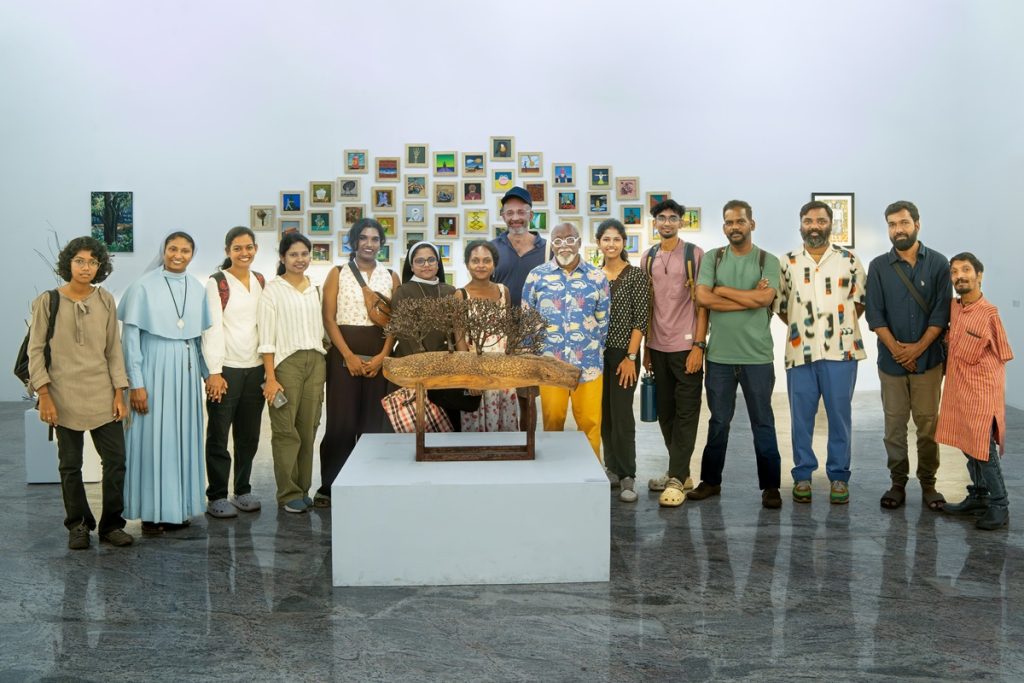
Regrettably, the Biennale lineage sprouted over the tourism potential of the twin port cities of Fort Kochi and Mattancherry. However, when tourism and art came together, it created a festival for the eyes, a place of creativity and dialogue. The tourism potential here lies in the possibility of turning the colonial-era warehouses and abandoned buildings, spread across Fort Kochi and Mattancherry, which carry the imprint of centuries-old trade and fragrances, into exhibition centres, and transforming the surrounding area into spaces that offer history along with art to visitors. Every point in Fort Kochi and Mattancherry is filled with history. At each of these places, the art enthusiasts can see the imprints of those who have come and gone. Some of them never left; they built lives here, with their churches, temples, shops, streets, tastes, and customs. It is precisely such a place, with so many layers, that makes the Biennale possible. The real question is whether what you come to see are the exhibited works or the cities of Mattancherry and Fort Kochi themselves, which can be called creations of historical art.
Art exhibitions shape the perspective of seeing contemporaneity. It is not merely the formation of a viewpoint, but a critical ideal; moreover, art exhibitions encompass both acts of resistance and the various expressions of sorrow between urban and rural life, as well as the revolts that take place within and beyond them, and an imaginary landscape that shaped walking/dreaming lives. When we say that the Biennale is a festival of contemporaneity, it cannot be said that only contemporaneity is the focus of artworks. From colonial history onwards, many issues existing at various levels and layers are going to become part of art history. Many of the established works in previous Biennales dealt with exploitations and other issues from pre-modern times. The artist line-up and invitation packages indicate that this Biennale will also feature artworks ready to be remembered and recalled at any time.
All image courtesy: Kochi Biennale Foundation
Krispin Joseph PX, a poet and journalist, completed an MFA in art history and visual studies at the University of Hyderabad and an MA in sociology and cultural anthropology from the Central European University, Vienna.