Abirpothi

Raasa Architects

Architectural Designer

An Ashram Rooted in Nature and Culture

The design of the ashram has been deeply rooted in its natural and cultural surroundings. The existing landscape, abundant with trees and birds, has been preserved and embraced, allowing a harmonious coexistence of nature and architecture.

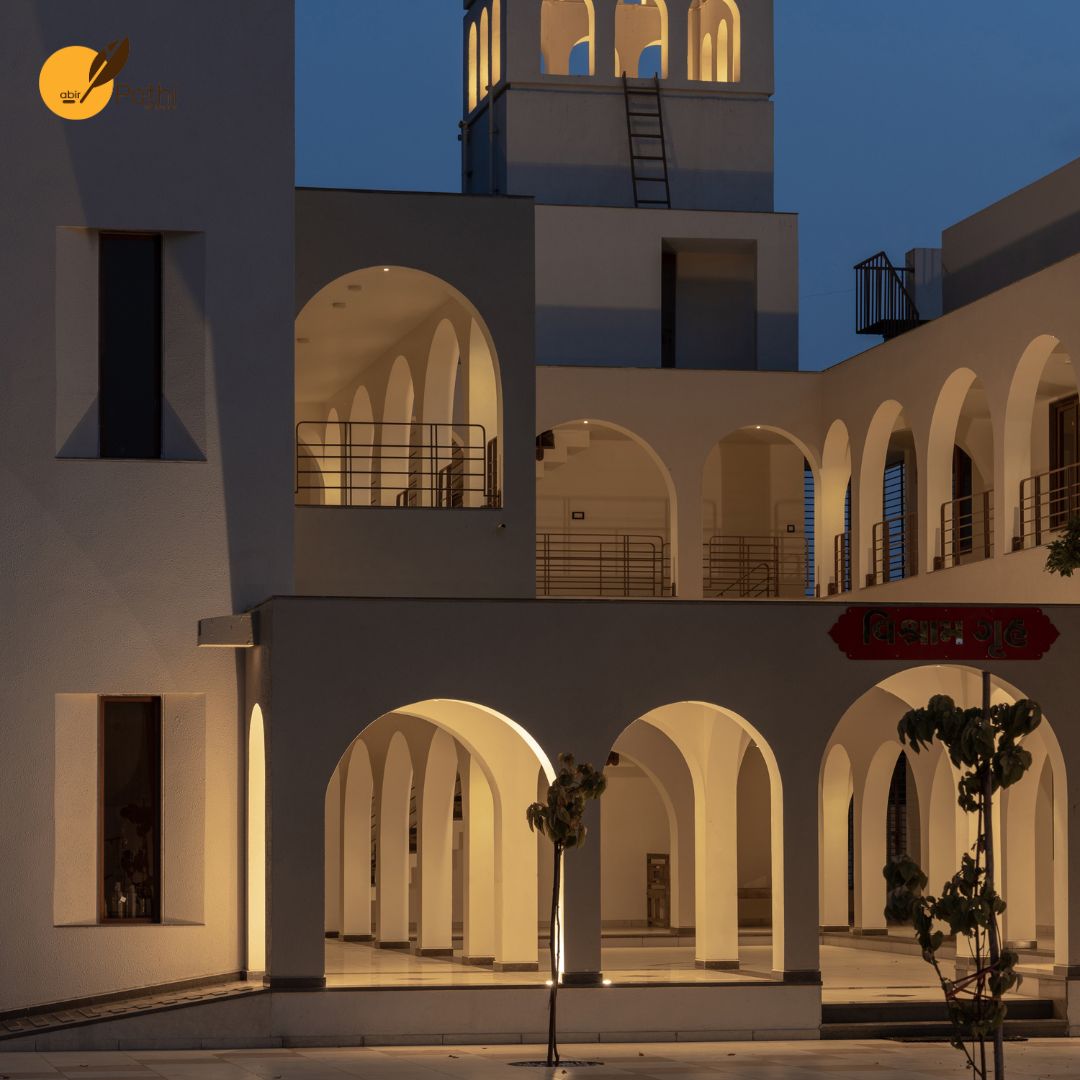
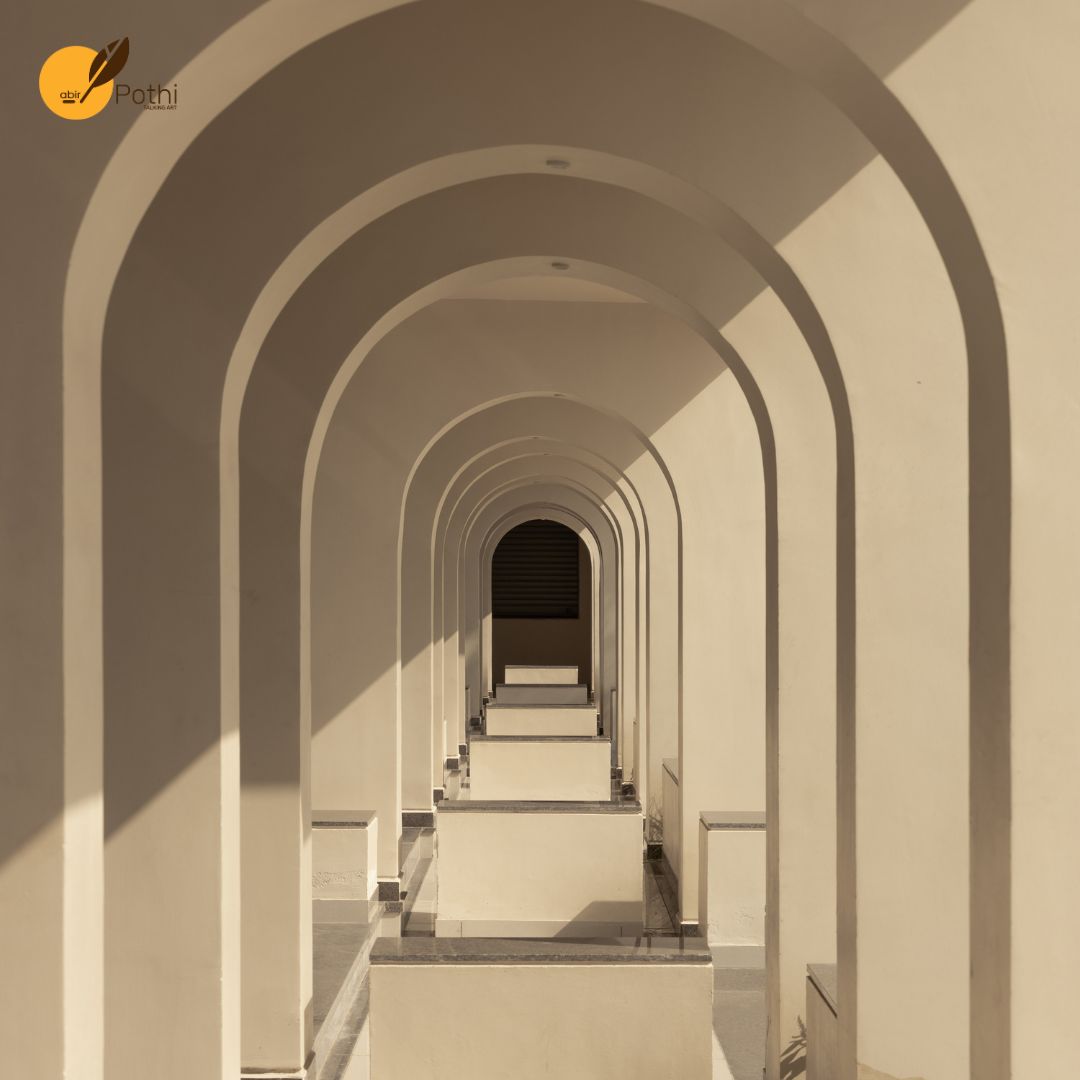
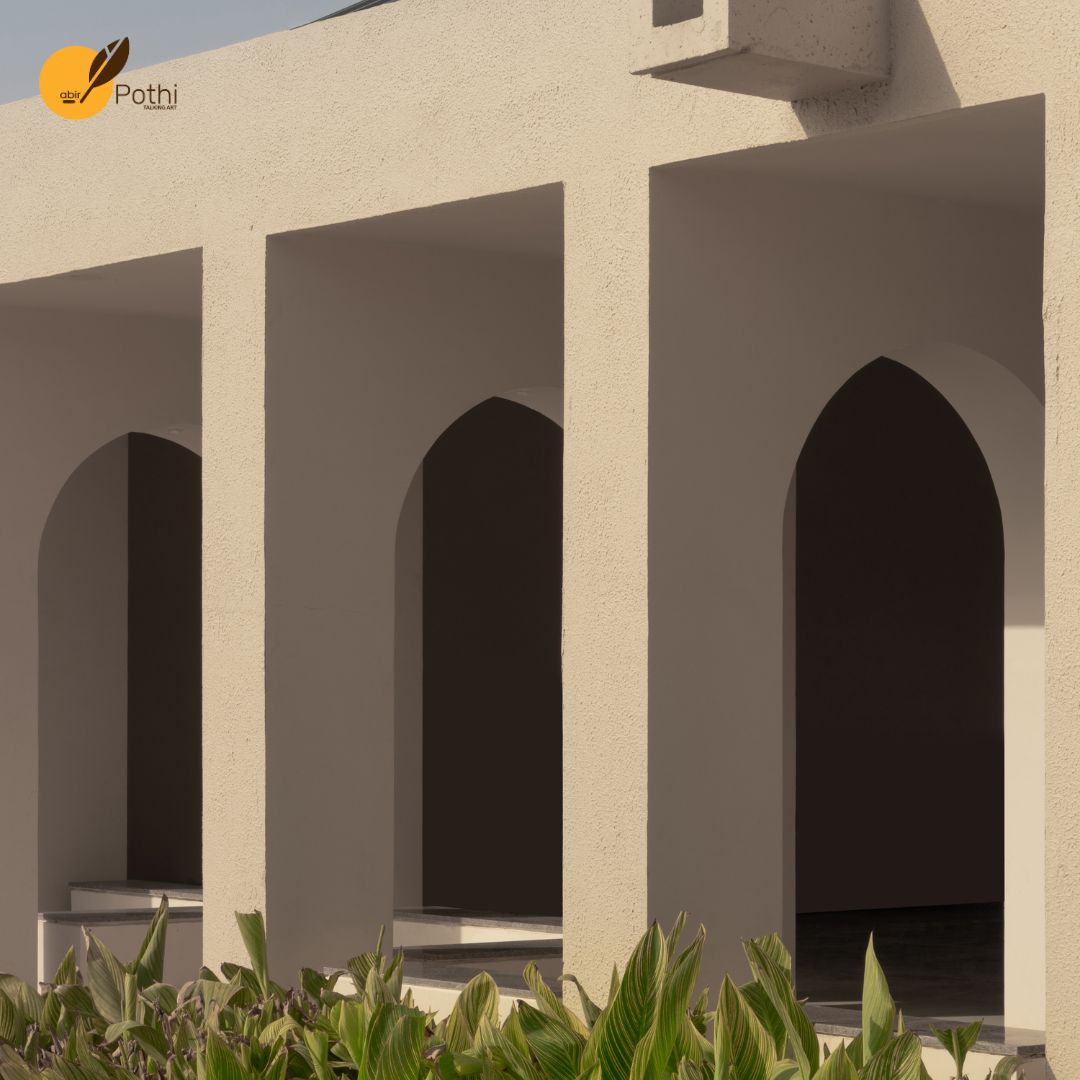
The concept of integrating arches as a central design element has been inspired by the archway created by the community for blooming bougainvillea, which leads to the prayer hall. Arches have been thoughtfully explored at structural, aesthetic, and functional levels, with variations in scale, proportion, and orientation. In the prayer hall, a series of arches has been positioned parallel to the façade, articulating the large surface with rhythmic openings that enhance the spatial character and create a dynamic play of light.

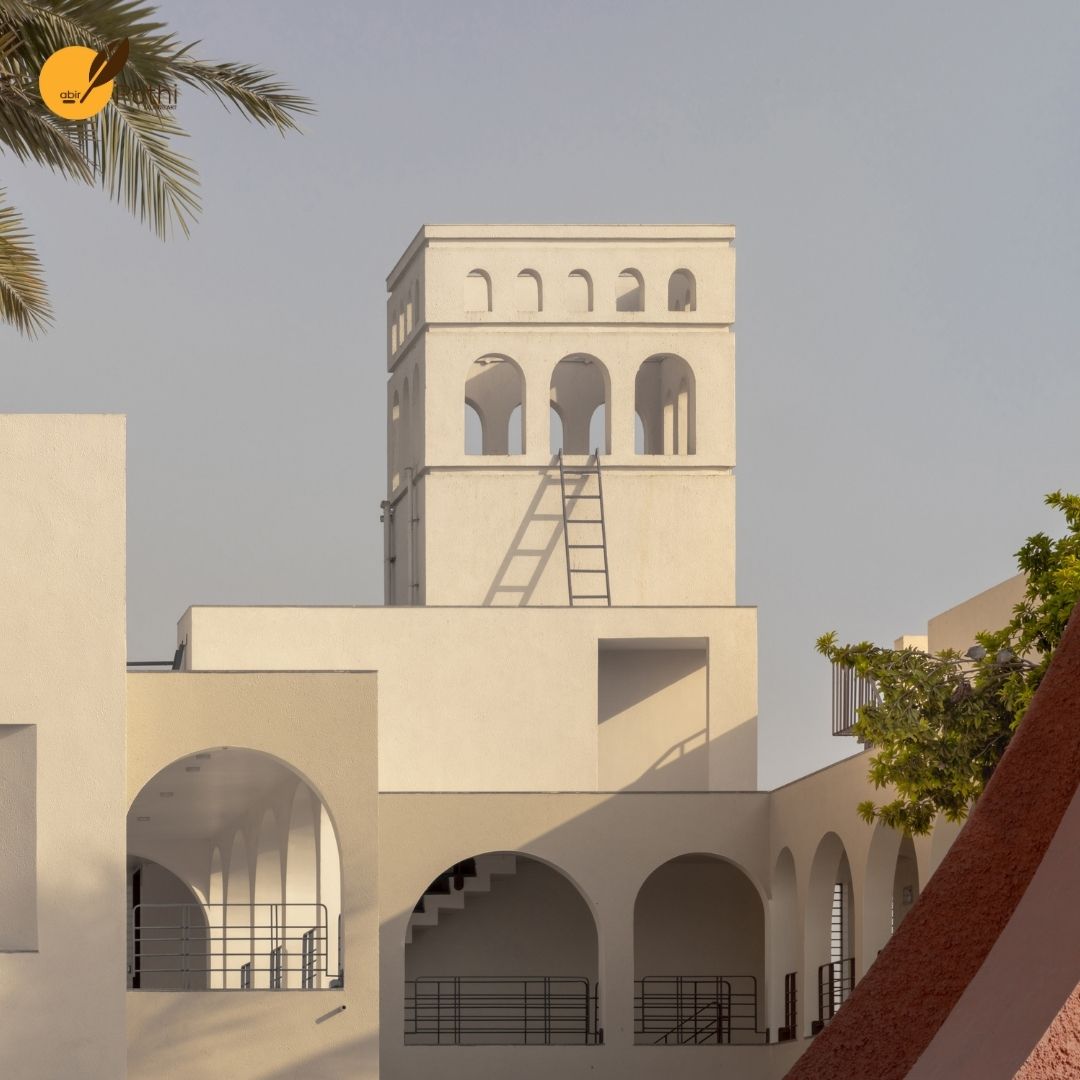
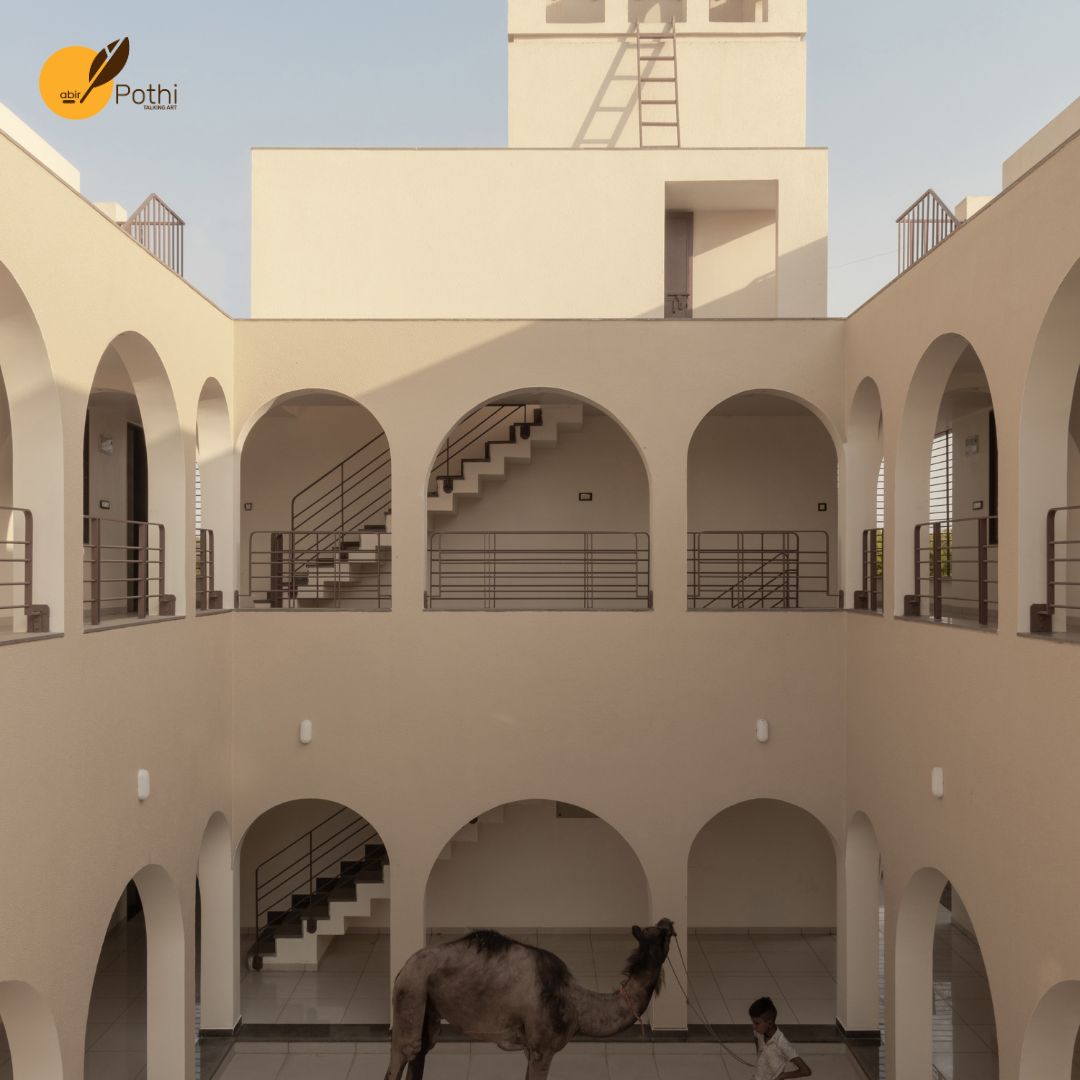
Courtyard spaces and arches have been employed to define semi-open areas along the lodging rooms. In the bird tower, the scale of arches has been reduced to create niches for birds, while in contrast, the bhojanshala has been defined by arches oriented perpendicular to the façade. The sacred fireplace has been distinguished through inverted arches.

As a public space for gatherings, the prayer hall has been designed with openness, while the courtyard at the lodging has been given a semi-public character. The architectural expression of each space has been adapted as a response to functional requirements, resulting in varied spatial experiences. These contrasting qualities have been integrated into a cohesive architectural language, enabling each area to retain its unique character while blending into the overall composition.

Simplicity and functionality have been prioritized throughout, from low-maintenance material finishes to the uncluttered forms of the prayer hall and lodging. Spaces have been kept deliberately minimal, allowing their purpose to be shaped by those who inhabit them—whether for prayer, meditation, celebration, healing, or rest.


Raasa Architects


Architectural Designer

An Ashram Rooted in Nature and Culture

The design of the ashram has been deeply rooted in its natural and cultural surroundings. The existing landscape, abundant with trees and birds, has been preserved and embraced, allowing a harmonious coexistence of nature and architecture.

The concept of integrating arches as a central design element has been inspired by the archway created by the community for blooming bougainvillea, which leads to the prayer hall. Arches have been thoughtfully explored at structural, aesthetic, and functional levels, with variations in scale, proportion, and orientation. In the prayer hall, a series of arches has been positioned parallel to the façade, articulating the large surface with rhythmic openings that enhance the spatial character and create a dynamic play of light.

Courtyard spaces and arches have been employed to define semi-open areas along the lodging rooms. In the bird tower, the scale of arches has been reduced to create niches for birds, while in contrast, the bhojanshala has been defined by arches oriented perpendicular to the façade. The sacred fireplace has been distinguished through inverted arches.

As a public space for gatherings, the prayer hall has been designed with openness, while the courtyard at the lodging has been given a semi-public character. The architectural expression of each space has been adapted as a response to functional requirements, resulting in varied spatial experiences. These contrasting qualities have been integrated into a cohesive architectural language, enabling each area to retain its unique character while blending into the overall composition.

Simplicity and functionality have been prioritized throughout, from low-maintenance material finishes to the uncluttered forms of the prayer hall and lodging. Spaces have been kept deliberately minimal, allowing their purpose to be shaped by those who inhabit them—whether for prayer, meditation, celebration, healing, or rest.

Ad