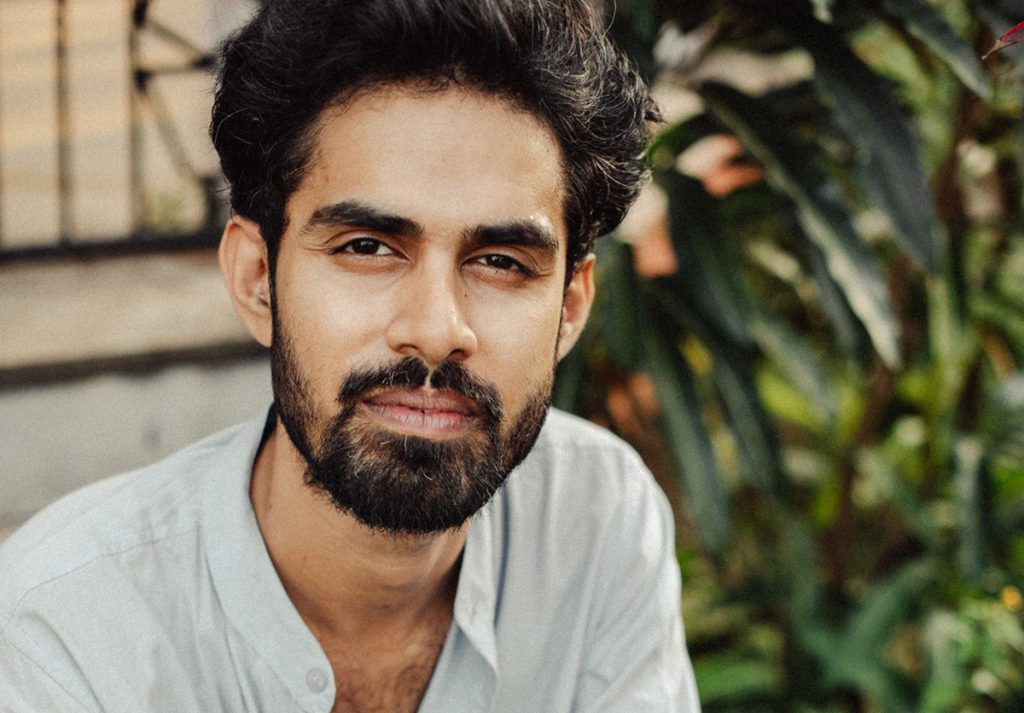
Tejaswi Poludasu and Vamsi Ballepu are the founders of TEVA Architects, a lively studio in Hyderabad that blends building design, room interiors, and outdoor landscapes into one smooth and connected flow.
From early on, Tejaswi fell in love with drawing, which sharpened her natural sense for how spaces come together beautifully, while Vamsi discovered his passion for construction by helping build his family home, sparking a deep interest in real materials and the joy of making things by hand. Both studied architecture at JNAFAU and soon teamed up with a shared vision for great design.
After graduation, Vamsi dove into Advanced Construction Management at NICMAR and gained hands-on experience with big hotel projects in Sri Lanka, learning how to build perfectly in harmony with stunning natural surroundings. Meanwhile, Tejaswi pursued Environmental Planning at SPA and worked at top firms like Cushman & Wakefield and JLL, picking up smart insights into city life, planning rules, and what clients really need.
TEVA launched in 2022, with “TEVA” meaning nature to guide their focus on designs that fit the local place, honor true materials, and link buildings closely to the outdoors. They are the winners of Times Design Ikons South 2025 award for outstanding hospitality spaces.
As part of Abir Pothi’s DTalks series, Tejaswi Poludasu and Vamsi Ballepu open up about their creative process, projects and design philosophy.
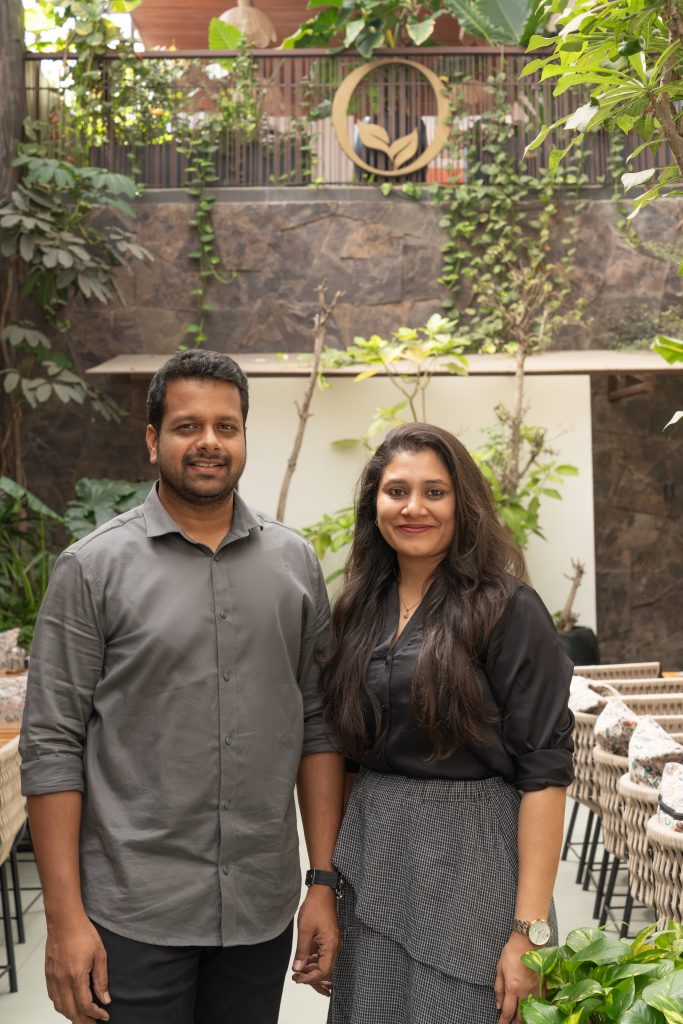
Q1. How would you describe your architectural philosophy or signature design language, and how has it evolved through your practice in India?
Tejaswi and Vamsi: Our architectural philosophy is rooted in the idea that design should emerge from its context rather than be imposed upon it. We see architecture as a response to climate, light, material, and landscape.
Our design language is quiet, refined, and grounded. We prefer clear geometries, honest materials, and spaces that are defined by proportion, light, and transitions rather than overt formal expression. Over time, our work has evolved toward greater clarity and restraint, with an increasing emphasis on materiality, craftsmanship, and the integration of built form with landscape.
Q2. What influences and inspires your current work? Could you share specific architects, movements, or aspects of Indian culture and built traditions that have informed your approach to architecture?
Tejaswi and Vamsi: Our work is influenced by a combination of lived experiences, Indian vernacular architecture, and contemporary practices that prioritize context and material honesty.
Growing up in modest homes with Madras terrace roofs and open green surroundings instilled in us an appreciation for shaded spaces, natural ventilation, and strong indoor-outdoor relationships. These early experiences continue to shape our approach.
We are also inspired by architectural practices that emphasize simplicity, climate responsiveness, and craft, as well as by the layered cultural and spatial traditions found across India.
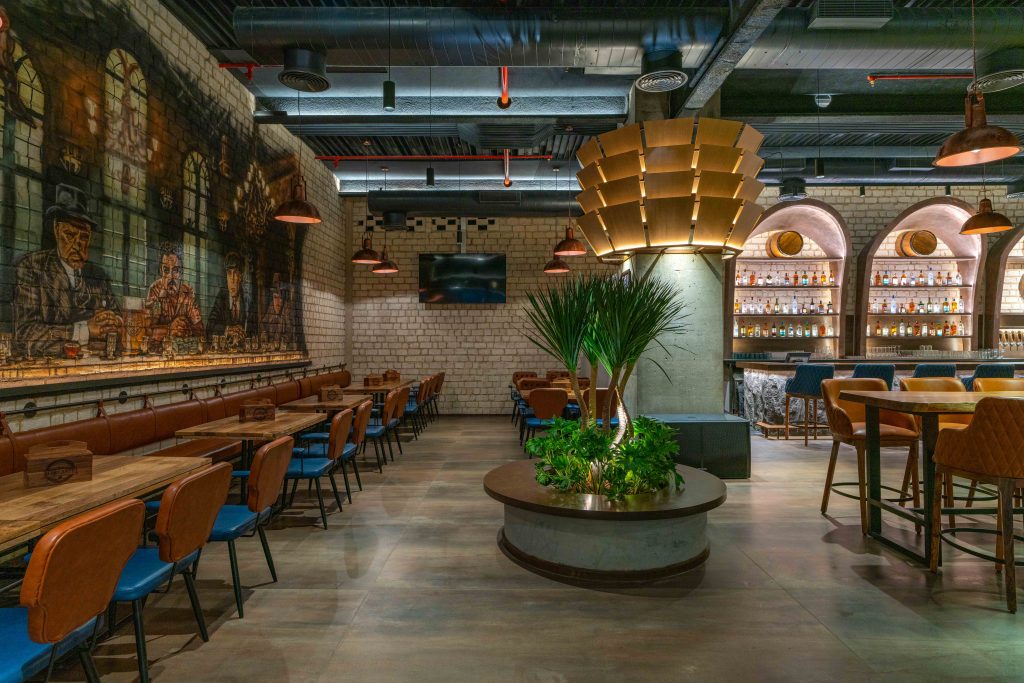
The Beer Cartel, Hyderabad | A layered, vintage-inspired taproom in Hyderabad, The Beer Cartel blends industrial textures, warm lighting, and eclectic detailing to create an immersive, old-world bar experience | Image Credit: TEVA Architects
Q3. Could you walk us through your design process? How do you develop a project from initial concept and site analysis to spatial planning and detailing?
Tejaswi and Vamsi: Our design process is a blend of intuition, research, and collaboration. We begin with careful site observation – understanding climate, light, topography, and context.
The client brief serves as a starting point rather than a constraint. We interpret both articulated and unarticulated needs, and develop concepts through iterative discussions. Spatial planning evolves alongside material exploration, ensuring that architecture, interiors, and landscape are developed as a cohesive whole.
Detailing is an integral part of the process, allowing materials and construction techniques to express themselves honestly and age gracefully over time.
Q4. Your projects often involve collaborations with engineers, artisans, and other creative professionals. What draws you to these partnerships, and how do they enhance your architectural vision?
Tejaswi and Vamsi: Collaboration is central to our practice. We regularly work with engineers, consultants, artisans, and craftsmen to bring depth and precision to our projects.
These partnerships allow us to bridge design intent with execution, ensuring technical rigor while also supporting craft-driven outcomes. Working closely with skilled craftspeople also enables us to explore material authenticity and context-specific solutions that enrich the architectural experience.
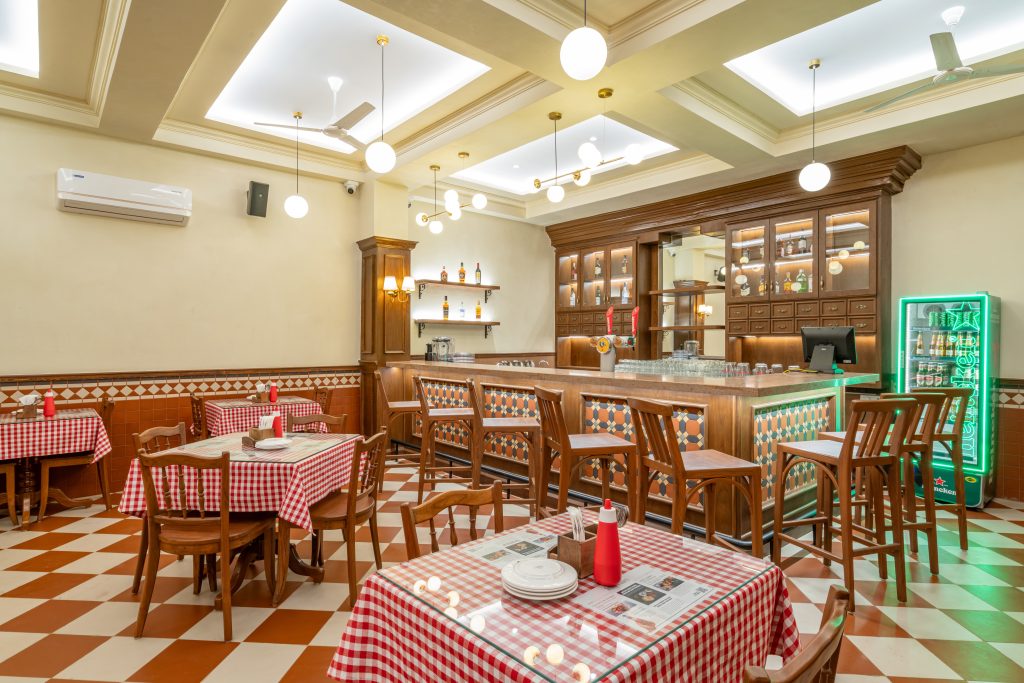
Jolly Bros & Co, Hyderabad | A nostalgic revival of the Irani café, where materiality, light, and detail come together to recreate the charm of mid-century Bombay in a contemporary Hyderabad setting | Image Credit: TEVA Architects
Q5. Looking back at your body of work, which project represents a significant turning point in your career, and among your recent projects, which one are you most proud of and why?
Tejaswi and Vamsi: Our hospitality projects, particularly Tosh-e-Daan, Wild Goat and The Beer Cartel, represent important milestones in our journey. Both projects, in different ways, helped define our approach toward integrating architecture, interiors, and experience as a cohesive whole. They allowed us to engage deeply with materiality, spatial character, and narrative, while also reinforcing the importance of carrying a clear design intent from concept through execution.
Among our more recent works, we are particularly proud of Jolly Bros & Co, Midori and Palace Heights. These projects reflect a growing confidence in our design language and our ability to create context-responsive, well-crafted spaces. They also demonstrate our continued focus on clarity, restraint, and the seamless integration of architecture and interiors to shape meaningful user experiences.
Q6. As an architect working in India, what unique challenges and opportunities have you encountered—whether in materials, regulations, or client expectations—and how do you navigate them?
Tejaswi and Vamsi: Practicing in India presents a unique mix of challenges and opportunities. Constraints related to regulations, site conditions, and client expectations often require adaptability and creative problem-solving.
At the same time, India offers immense richness in terms of materials, craftsmanship, and cultural diversity. We see these as opportunities to create contextually grounded and meaningful architecture.
Balancing design intent with practical realities is key, and we approach this through dialogue, flexibility, and a strong focus on execution.
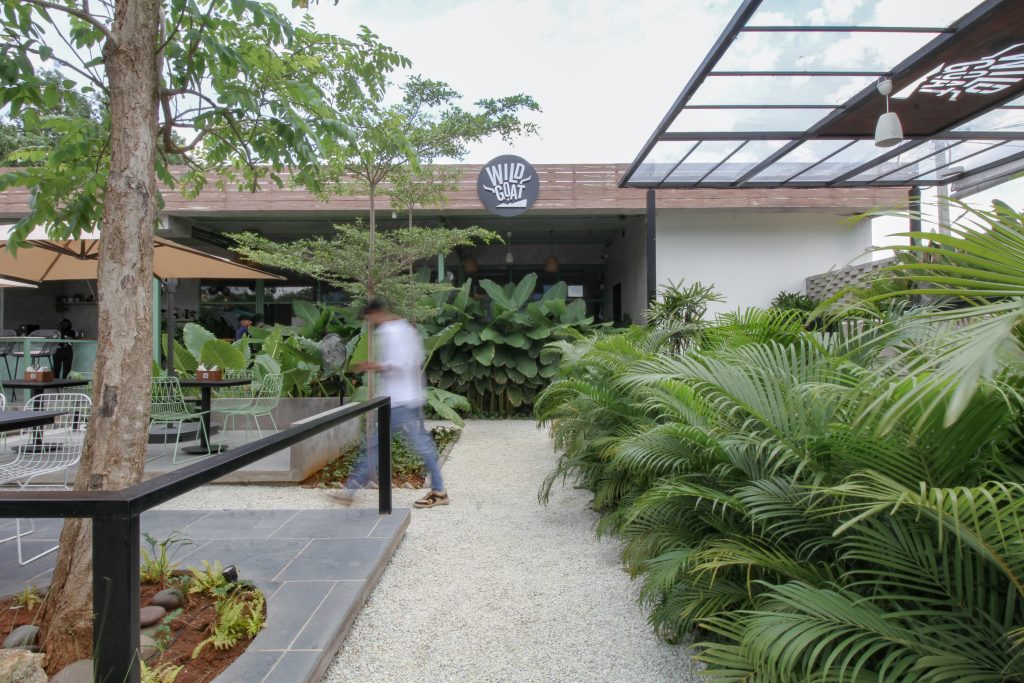
Wild Goat cafe, Hyderabad | A temporary urban intervention where landscape takes precedence over built form, Wild Goat Café is shaped through planting, levels, and minimal architectural insertion | Image Credit: TEVA Architects
Q7. How do you incorporate sustainability and climate-responsive design in your practice, especially in the context of India’s vernacular wisdom and evolving environmental realities?
Tejaswi and Vamsi: Sustainability is embedded in our approach rather than treated as an add-on. We focus on passive design strategies such as orientation, shading, ventilation, and material selection.
Our work draws from vernacular wisdom, creating shaded transitions, layered spaces, and strong indoor, outdoor connections – to respond to climate naturally. We aim to design buildings that are efficient, adaptable, and capable of aging well over time.
Q8. What recent architectural idea, innovation, or discovery has most influenced your current thinking or practice?
Tejaswi and Vamsi: Our current thinking is increasingly shaped by the idea of integration, between architecture, interiors, and landscape, as well as between design and execution.
We are particularly interested in exploring how simple construction techniques and honest materials can be elevated through careful detailing, and how spaces can remain adaptable while maintaining clarity and restraint.
Q9. How do you grow visibility for your practice and connect with prospective clients or collaborators—what platforms, exhibitions, or publications have been most effective for you?
Tejaswi and Vamsi: We approach visibility through a curated and thoughtful presence. Publications, features, and awards have helped position our work within relevant design conversations.
Platforms such as Instagram also allow us to share our process and completed work with a wider audience. At the same time, we value word-of-mouth and long-term relationships with clients and collaborators as key drivers of growth.
Q10. Based on your experience, what are the key dos and don’ts for emerging architects trying to establish their practices in India, and are there professional communities or forums you recommend joining?
Tejaswi and Vamsi: For young architects starting out, it is important to focus on building a strong foundation in both design and execution.
Dos:
– Stay grounded in context and process
– Be open to learning from site and construction
– Build meaningful collaborations
– Develop patience and consistency
Don’ts:
– Avoid chasing trends or quick visibility
– Don’t compromise on design integrity for short-term gains
Engaging with architectural communities, publications, and forums can also help in building dialogue and exposure.
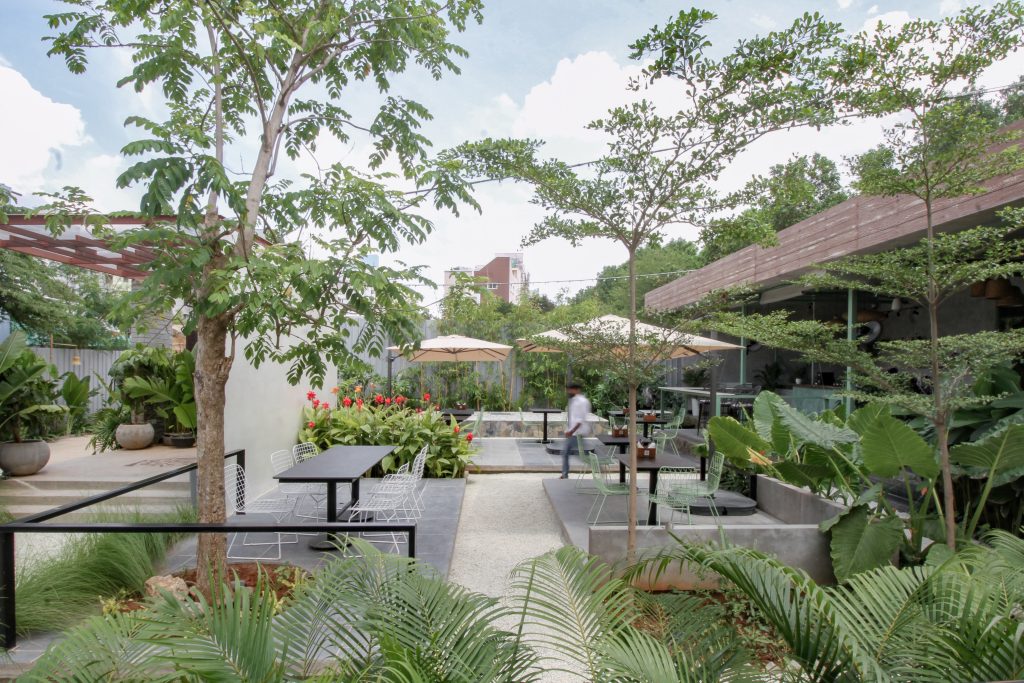
Wild Goat cafe, Hyderabad | Conceived as a living, layered environment, the café dissolves boundaries between architecture and garden, allowing greenery, light, and seasonal change to define the spatial experience | Image Credit: TEVA Architects
Q11. Looking ahead, what kinds of projects or directions are you most eager to explore in the coming years?
Tejaswi and Vamsi: Looking ahead, we are keen to explore projects that allow for deeper integration of architecture, interiors, and landscape.
We are particularly interested in hospitality, residential, and commercial projects that are context-responsive and offer opportunities for material and spatial exploration. Expanding the scale and complexity of our work while maintaining design clarity is an important goal.
Q12. Finally, what advice would you offer young architects aspiring to shape the future of India’s built environment?
Tejaswi and Vamsi: We would encourage young architects to approach design with sensitivity, curiosity, and patience.
Focus on understanding context, climate, and people rather than purely form. Value process over speed and see architecture as something that evolves over time.
Most importantly, remain open – to learning, to collaboration, and to the idea that meaningful architecture is often quiet, grounded, and deeply connected to its environment.
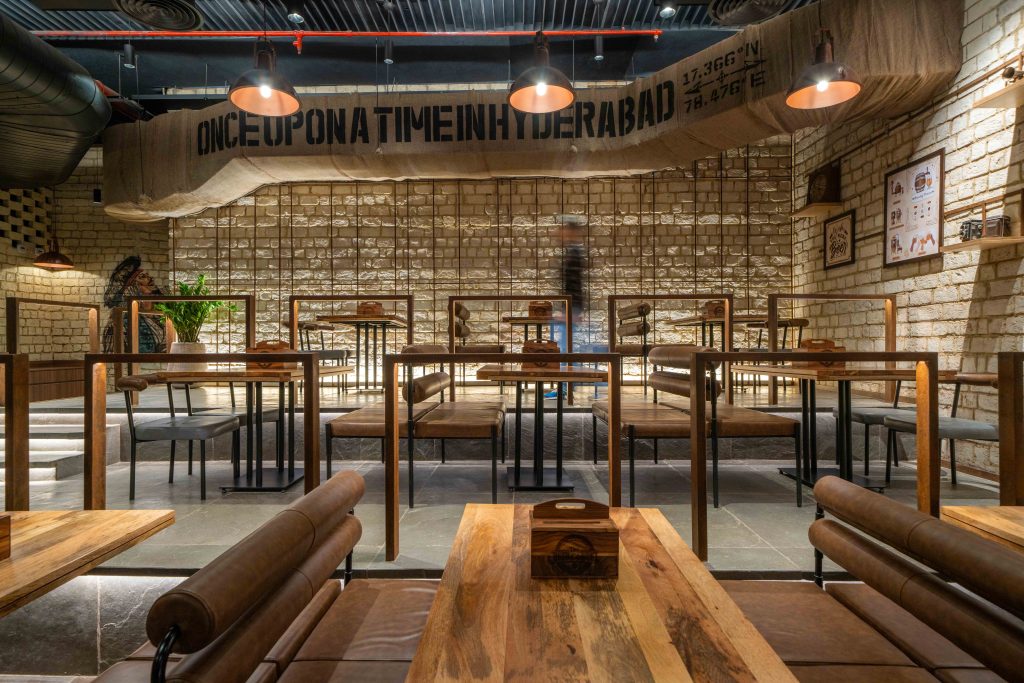
Cover Image: The Beer Cartel, Hyderabad | Balancing rustic charm with contemporary energy, the space unfolds through textured materials, statement lighting, and indoor–outdoor seating that frames a dynamic, atmospheric setting | Image Credit: TEVA Architects
Akanksha is an Associate Editor at Abir Pothi, writing on contemporary art and creating engaging videos that highlight artists and make art accessible to wider audiences.